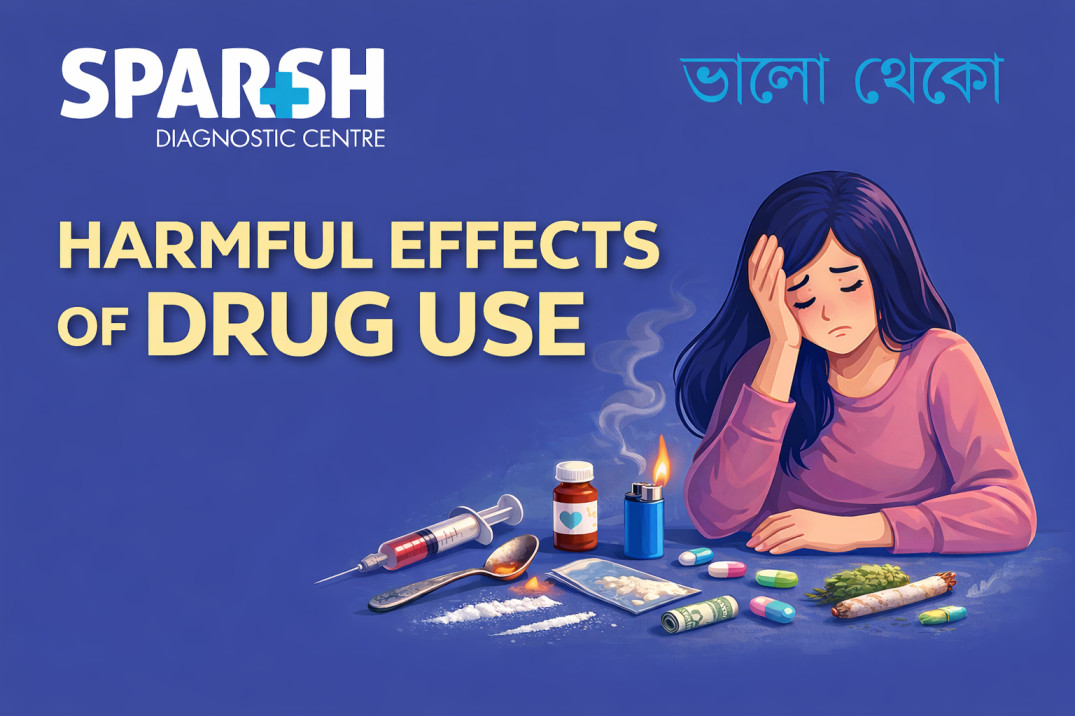
Drug use may begin out of curiosity, peer pressure, or an attempt to cope with stress or emotional pain. For some, it may start as a one-time experiment. But what many people don’t realize is how quickly drug use can spiral into something far more harmful. Substance abuse doesn’t just affect the person using the drugs—it impacts families, communities, and society as a whole.
Understanding the harmful effects of drug use is an important step toward prevention, awareness, and recovery. Drugs can damage nearly every organ in the body, alter brain chemistry, weaken relationships, and lead to serious long-term health problems.
In this article, we’ll explore how drug use affects the body and mind, the long-term risks involved, and why seeking help early can make a life-changing difference.
What Is Drug Use and Substance Abuse?
Drug use refers to the consumption of substances that alter the way the body or brain functions. These substances may include illegal drugs, prescription medications used improperly, or even certain legal substances when misused.
Substance abuse occurs when drug use becomes frequent or excessive and starts causing harm to a person’s health, behavior, and daily life.
Common categories of abused drugs include:
Stimulants (such as cocaine or methamphetamine)
Depressants (including sedatives and tranquilizers)
Opioids (like heroin or prescription painkillers)
Hallucinogens (LSD, psilocybin)
Cannabis and synthetic drugs
Inhalants (such as glue or aerosol sprays)
Each of these substances affects the brain differently, but all carry the potential for addiction and serious health risks.
How Drugs Affect the Brain
The brain is one of the first organs affected by drug use. Many drugs interfere with the brain’s communication system and disrupt the way nerve cells send, receive, and process information.
Drugs often target the brain’s reward system by flooding it with dopamine, a chemical linked to pleasure and motivation. This surge creates feelings of euphoria or “high,” encouraging repeated use.
Over time, the brain begins to rely on the drug to produce these feelings. Natural rewards like food, relationships, or achievements become less satisfying. This change can lead to dependency and addiction.
Long-term drug use can result in:
Memory problems
Reduced concentration
Impaired decision-making
Mood disorders
Increased risk of mental health conditions
In severe cases, drug abuse may permanently alter brain structure and function.
Physical Health Effects of Drug Use
Drug abuse can take a heavy toll on the body. While different drugs affect different systems, long-term use can damage vital organs and weaken the immune system.
1. Heart and Cardiovascular Problems
Many drugs place intense strain on the heart and blood vessels. Stimulants, for example, increase heart rate and blood pressure.
Possible complications include:
Cardiovascular collapse
Even young people without prior heart disease can experience serious cardiac events after drug use.
2. Lung Damage
Drugs that are smoked or inhaled can severely damage lung tissue.
Long-term effects may include:
Lung infections
Breathing difficulties
Increased risk of lung disease
Repeated inhalation of toxic substances can also lead to permanent respiratory damage.
3. Liver Damage
The liver is responsible for breaking down drugs and toxins. Frequent drug use forces the liver to work harder than normal, which can lead to:
Increased risk of infections
Certain substances, especially when combined with alcohol or medications, significantly raise the risk of severe liver damage.
4. Kidney Damage
Drug use can also affect kidney function. Some drugs reduce blood flow to the kidneys or produce toxins that damage kidney tissues.
This may lead to:
Kidney infections
Without proper treatment, kidney damage can become life-threatening.
5. Digestive System Problems
Drug abuse can disrupt the digestive system, causing symptoms such as:
Some substances may also increase the risk of gastrointestinal bleeding.
Mental and Psychological Effects
Drug use doesn’t just harm the body—it can significantly affect mental health as well.
Many substances alter mood, emotions, and behavior. While some people initially use drugs to escape stress or emotional pain, long-term use often worsens psychological problems.
Common mental health effects include:
Paranoia
Hallucinations
Aggression
Emotional instability
In some cases, drug abuse can trigger severe psychiatric conditions or worsen existing mental illnesses.
Addiction and Dependence
One of the most dangerous consequences of drug use is addiction.
Addiction is a chronic condition in which a person compulsively seeks and uses drugs despite harmful consequences. Over time, the brain adapts to the presence of the drug, leading to tolerance.
Tolerance means that a person needs larger doses to achieve the same effect. As dosage increases, the risk of overdose rises significantly.
When someone dependent on drugs stops using them, they may experience withdrawal symptoms such as:
Irritability
Nausea
Sweating
Muscle pain
Sleep disturbances
Intense cravings
Withdrawal can be uncomfortable and, in some cases, medically dangerous.
Social and Relationship Consequences
Drug use rarely affects only the individual. Families, friends, and communities often experience the impact as well.
Substance abuse may lead to:
Conflict with loved ones
Loss of trust
Financial problems
Poor work or academic performance
Legal issues
Over time, people struggling with addiction may isolate themselves from others, which can worsen both emotional and physical health.
Effects on Teenagers and Young Adults
Young people are particularly vulnerable to the harmful effects of drug use.
The brain continues developing until the mid-twenties. Drug use during this critical period can interfere with brain development and lead to long-term cognitive problems.
Possible effects on young individuals include:
Learning difficulties
Poor academic performance
Increased risk of addiction later in life
Behavioral problems
Mental health disorders
Early exposure to drugs can also shape risky habits that persist into adulthood.
Risk of Infectious Diseases
Certain methods of drug use increase the risk of serious infections.
For example, sharing needles can transmit blood-borne diseases such as:
Additionally, drug use may weaken the immune system, making the body more susceptible to infections.
Overdose: A Life-Threatening Danger
Drug overdose occurs when a person takes more of a substance than the body can safely handle.
Overdoses can affect breathing, heart rate, and brain function. Without immediate medical help, they can be fatal.
Signs of a possible overdose include:
Slow or stopped breathing
Unconsciousness
Blue or pale skin
Extreme confusion
Prompt medical intervention is critical in these situations.
Long-Term Consequences of Drug Abuse
Chronic drug use can lead to lifelong health challenges. Some effects may persist even after a person stops using drugs.
Long-term consequences may include:
Permanent brain damage
Chronic respiratory illness
Cardiovascular disease
Liver or kidney failure
Mental health disorders
These complications can significantly reduce quality of life and life expectancy.
Prevention: How to Reduce the Risk of Drug Abuse
Preventing drug abuse requires education, support, and awareness.
Some effective prevention strategies include:
Education and Awareness
Understanding the risks of drug use helps people make informed decisions. Schools, families, and communities play a vital role in spreading awareness.
Strong Social Support
Healthy relationships with family and friends can reduce the likelihood of substance abuse.
Healthy Coping Strategies
Encouraging positive coping mechanisms—such as exercise, hobbies, and counseling—can help individuals manage stress without turning to drugs.
Access to Mental Health Care
Addressing mental health issues early can reduce the risk of self-medication through drug use.
Treatment and Recovery Options
Recovery from drug addiction is possible with the right support and treatment.
Common treatment approaches include:
Detoxification
Medical detox helps the body safely eliminate drugs while managing withdrawal symptoms.
Behavioral Therapy
Counseling and therapy help individuals understand the underlying causes of addiction and develop healthier behaviors.
Medication-Assisted Treatment
Certain medications may help reduce cravings and withdrawal symptoms for specific types of addiction.
Support Groups
Peer support groups provide encouragement, accountability, and shared experiences that help individuals stay on the path to recovery.
Recovery is a journey, and many people require ongoing support to maintain sobriety.
When to Seek Help
Recognizing the signs of drug abuse early can make treatment more effective.
Warning signs may include:
Sudden changes in behavior or mood
Neglecting responsibilities
Physical health decline
Secrecy or withdrawal from family and friends
Financial or legal problems
If you or someone you know is struggling with substance abuse, seeking professional help can be the first step toward recovery.
Frequently Asked Questions (FAQs)
What are the most harmful effects of drug use?
Drug use can damage the brain, heart, lungs, liver, and kidneys. It can also cause addiction, mental health disorders, and life-threatening overdose.
Can drug addiction be treated?
Yes. With medical care, therapy, and social support, many people successfully recover from drug addiction.
How does drug use affect mental health?
Drug use can worsen conditions such as anxiety, depression, and paranoia. In some cases, it can trigger long-term psychiatric disorders.
Are prescription drugs safer than illegal drugs?
Prescription medications are safe only when used as directed by a healthcare professional. Misusing them can lead to addiction and serious health risks.
Why do people become addicted to drugs?
Addiction often develops because drugs alter brain chemistry, creating powerful cravings and dependence. Genetics, environment, and mental health can also play a role.
Can someone recover from long-term drug abuse?
Yes. Although recovery may take time and effort, many individuals rebuild healthy, fulfilling lives with the right treatment and support.
The harmful effects of drug use extend far beyond temporary highs. Substance abuse can damage physical health, alter brain function, strain relationships, and lead to addiction or life-threatening complications.
Understanding these risks is essential for prevention and early intervention. The earlier someone seeks help, the better the chances of recovery and long-term well-being.
With education, support, and proper treatment, individuals struggling with drug use can overcome addiction and regain control of their lives.
#BhaloTheko
Disclaimer:
No content on this site, regardless of date, should ever be used as a substitute for direct medical advice from your doctor or other qualified clinician.