

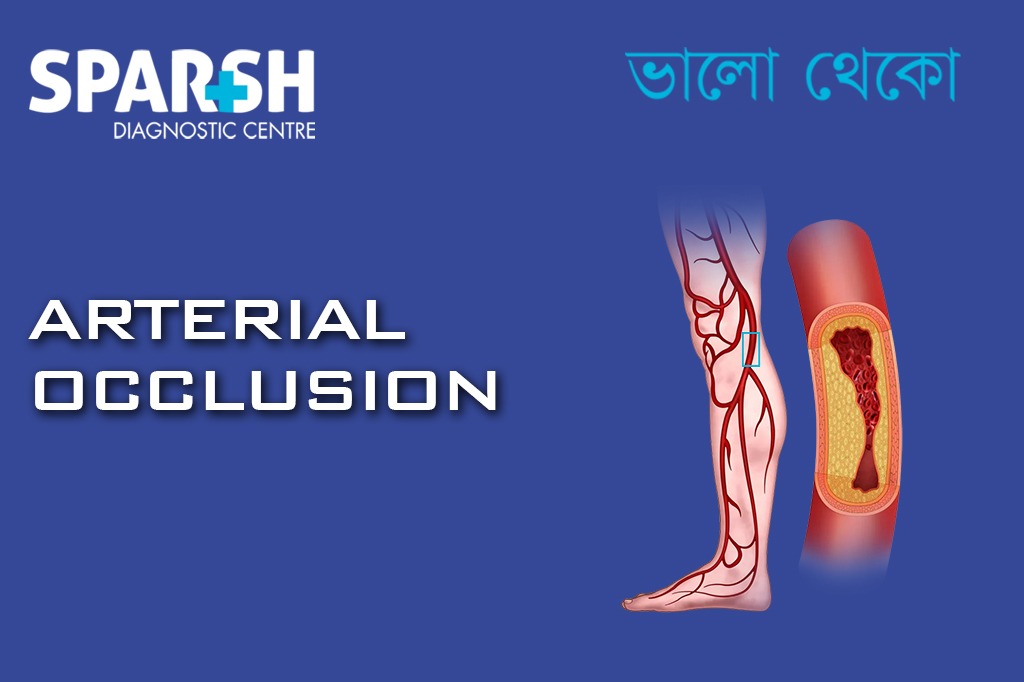
Arterial health plays an essential role in the proper functioning of the body. Our arteries carry oxygen-rich blood to all tissues, enabling organs to work smoothly. When these arteries become narrowed or blocked due to plaque, clots, or other causes, blood flow is compromised. This condition is known as arterial occlusion, and it can quickly become a medical emergency, especially when it affects the limbs, heart, or brain.
Arterial occlusion can lead to life-threatening complications such as tissue death, stroke, gangrene, heart attack, and permanent loss of limb function. Early recognition and timely medical intervention are vital for preventing irreversible damage. This blog explores arterial occlusion in depth, covering its causes, warning signs, diagnosis, treatment options, and prevention strategies.
What Is Arterial Occlusion?
Arterial occlusion refers to a partial or complete blockage of an artery, resulting in reduced or halted blood flow to a specific part of the body. The blockage may develop gradually, as seen in atherosclerosis, or suddenly, often caused by a blood clot (embolus) or trauma.
Without adequate blood supply, tissues become deprived of oxygen (a condition known as ischemia). If ischemia continues for too long, the affected tissues begin to die. Therefore, arterial occlusion is considered a medical emergency, especially when symptoms appear abruptly.

Types of Arterial Occlusion
Arterial occlusion can be classified based on cause, location, and onset.
1. Acute Arterial Occlusion
This occurs suddenly, often due to:
Blood clots
Emboli
Trauma
A sudden plaque rupture
Acute occlusion can cause rapid tissue damage and requires immediate medical attention.
2. Chronic Arterial Occlusion
This occurs gradually due to:
Long-term buildup of atherosclerotic plaque
Chronic vascular disease
Symptoms may appear slowly and worsen over time.
3. Peripheral Arterial Occlusion
Affects arteries of the:
Legs
Feet
Arms
4. Coronary Arterial Occlusion
Blockage in arteries supplying the heart, often leading to myocardial infarction (heart attack).
5. Cerebral Arterial Occlusion
Blockage in brain arteries leading to stroke or transient ischemic attack (TIA).
Causes of Arterial Occlusion
Several factors contribute to artery blockage. The most common include:
1. Atherosclerosis
The leading cause of arterial occlusion.
It involves:
Hardening and narrowing of arteries
Formation of plaque (fat, cholesterol, calcium)
As plaque accumulates, the arterial space narrows and blood flow decreases.
2. Blood Clots (Thrombosis)
A clot can form inside an artery and block it entirely. Often seen in:
3. Embolism
A clot or debris that travels through the bloodstream and gets lodged in an artery, cutting off circulation suddenly.
4. Trauma or Injury
Severe injuries can cause arterial damage, leading to swelling and blockage.
5. Inflammatory Conditions
Such as:
These conditions inflame arteries and restrict blood flow.
6. Aneurysm
A weakened arterial wall can lead to clot formation and occlusion.
7. Diabetes
High blood sugar damages arteries, increasing the risk of plaque buildup and blockage.
Symptoms of Arterial Occlusion
Symptoms vary depending on the location and severity of the blockage.
Common Symptoms Include:
Sudden or gradual pain in the affected limb
Pale, cold skin
Blue or purple discoloration
Weak or absent pulse
Muscle cramps
In severe cases:
Loss of limb function
Symptoms by Location
Peripheral Arterial Occlusion
Leg pain while walking (claudication)
Cold feet
Slow-healing wounds
Coronary Arterial Occlusion
Cerebral Arterial Occlusion
Sudden weakness or numbness
Difficulty speaking
Vision problems
Risk Factors
Certain individuals are more prone to arterial occlusion.
Major Risk Factors
Age above 50
High-fat diet
Complications of Arterial Occlusion
If untreated, arterial occlusion can cause serious complications such as:
Tissue necrosis
Permanent limb damage
Amputation
Prompt diagnosis and treatment significantly reduce the chances of complications.
Diagnosis of Arterial Occlusion
Doctors use multiple methods to diagnose arterial occlusion.
1. Physical Examination
Checking:
Pulse in limbs
Skin colour and temperature
Presence of ulcers or wounds
2. Ankle-Brachial Index (ABI)
A simple test comparing blood pressure in the ankle and arm to evaluate blood flow.
3. Doppler Ultrasound
Creates images of arteries and detects blockages or narrowed segments.
4. Angiography
Uses contrast dye and X-rays to visualise blood flow in arteries.
5. CT or MR Angiography
Provides detailed cross-sectional images of blocked arteries.
6. Blood Tests
To check:
Inflammation markers
Blood sugar levels
Treatment Options for Arterial Occlusion
The treatment depends on the severity, cause, and location of the blockage.
1. Medications
Used for mild to moderate occlusion:
Blood thinners (anticoagulants)
Antiplatelet drugs
Cholesterol-lowering medications (statins)
Pain relievers
Vasodilators to improve circulation
2. Thrombolytic Therapy
A medication that dissolves blood clots, commonly used in acute cases.
3. Angioplasty and Stenting
A minimally invasive procedure where:
A balloon is inserted and inflated to widen the artery
A stent (small mesh tube) is placed to keep the artery open
4. Bypass Surgery
Used in severe occlusions when angioplasty is not sufficient.
A graft is used to reroute blood flow around the blocked artery.
5. Endarterectomy
Surgical removal of plaque from an artery.
6. Amputation
Only in extreme cases where tissue death is irreversible.
Lifestyle Management and Home Care
For long-term arterial health, lifestyle changes are essential.
Healthy Lifestyle Tips
Eat a heart-healthy diet rich in fibre, fruits, vegetables, and lean protein.
Reduce salt and trans fat intake.
Maintain a healthy weight.
Monitor blood pressure and cholesterol.
Stay hydrated.
Avoid prolonged sitting.
Prevention of Arterial Occlusion
Preventing arterial occlusion requires consistent attention to cardiovascular health.
Effective Prevention Strategies
Maintain a balanced diet.
Get regular medical check-ups.
Monitor blood pressure, cholesterol, and blood sugar.
Engage in 30 minutes of physical activity daily.
Manage stress.
Avoid smoking and alcohol abuse.
Take prescribed medications regularly.
Prognosis
The prognosis depends on:
How quickly treatment is initiated
The severity of the occlusion
Location of the blockage
Patient’s overall health
With early intervention, most patients respond well to treatment. Delayed treatment increases the risk of permanent damage.
Frequently Asked Questions (FAQ)
1. What is arterial occlusion?
Arterial occlusion is a blockage of the arteries that reduces blood flow to tissues, leading to pain, discoloration, and potential tissue death.
2. What causes arterial occlusion?
Common causes include atherosclerosis, blood clots, emboli, trauma, and inflammatory conditions.
3. Is arterial occlusion life-threatening?
Yes. If untreated, it can cause gangrene, stroke, or heart attack.
4. What are the early signs of arterial occlusion?
Pain, numbness, cold skin, reduced pulse, and difficulty walking.
5. How is arterial occlusion diagnosed?
Through Doppler ultrasound, angiography, ABI, CT/MR angiography, and physical exams.
6. Can arterial occlusion be treated without surgery?
Mild cases can be managed with medications and lifestyle changes. Severe cases often require surgery or angioplasty.
7. Who is at risk?
People with diabetes, smokers, hypertensive patients, and those with high cholesterol are at higher risk.
8. Can arterial occlusion be prevented?
Yes—through healthy diet, regular exercise, quitting smoking, and controlling blood sugar and cholesterol.
Arterial occlusion is a serious condition that demands quick recognition and immediate treatment. Understanding the causes, risk factors, and symptoms can help individuals seek medical care early and prevent complications like tissue death, stroke, and heart attack. Maintaining a healthy lifestyle, managing chronic conditions, and attending regular health check-ups are key strategies to keep arteries healthy and prevent occlusion.
If you suspect symptoms of arterial blockage—such as sudden leg pain, numbness, or cold extremities—seek prompt medical attention. Early diagnosis and timely treatment can save limbs and lives.
#BhaloTheko
Disclaimer:
No content on this site, regardless of date, should ever be used as a substitute for direct medical advice from your doctor or other qualified clinician.


[…] Acute arterial occlusion […]
[…] Ischemic Necrosis:Occurs when the blood supply to muscle tissue is reduced or cut off, leading to oxygen deprivation. Common in conditions like compartment syndrome or arterial occlusion. […]