When you first hear about Kabuki Syndrome, it can feel overwhelming—especially for parents or caregivers navigating a new diagnosis. This rare genetic condition affects multiple systems in the body, leading to a unique combination of physical features, developmental challenges, and medical concerns.
The good news? With early diagnosis, supportive care, and a multidisciplinary approach, individuals with Kabuki Syndrome can lead meaningful, fulfilling lives.
In this guide, we’ll walk you through everything you need to know—from causes and symptoms to diagnosis, treatment, and long-term outlook—using simple, clear, and human-friendly language.
What Is Kabuki Syndrome?
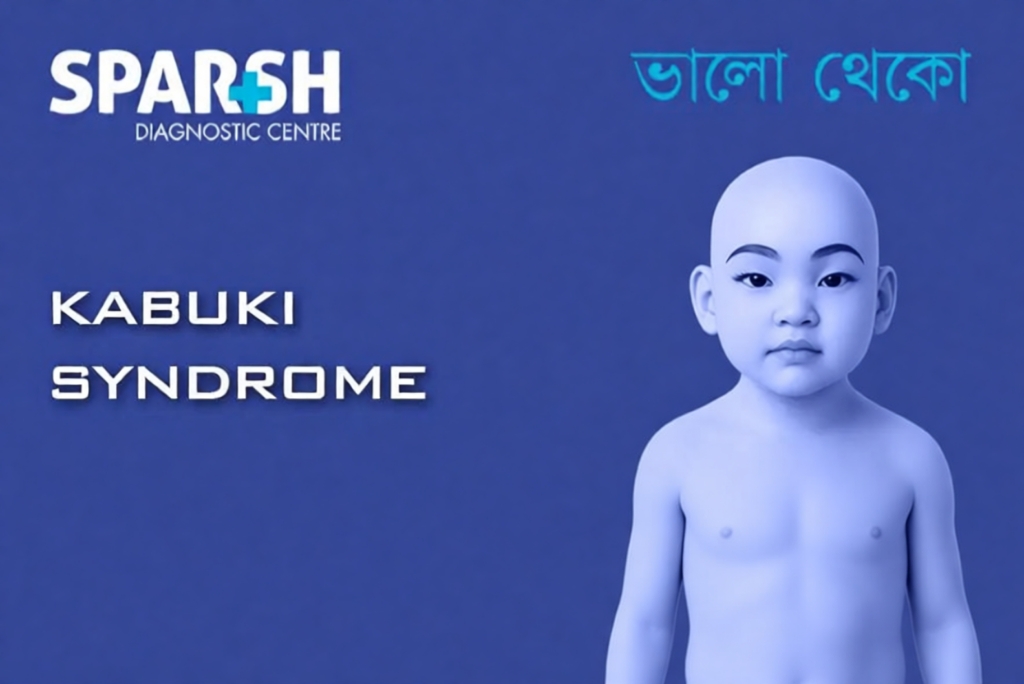
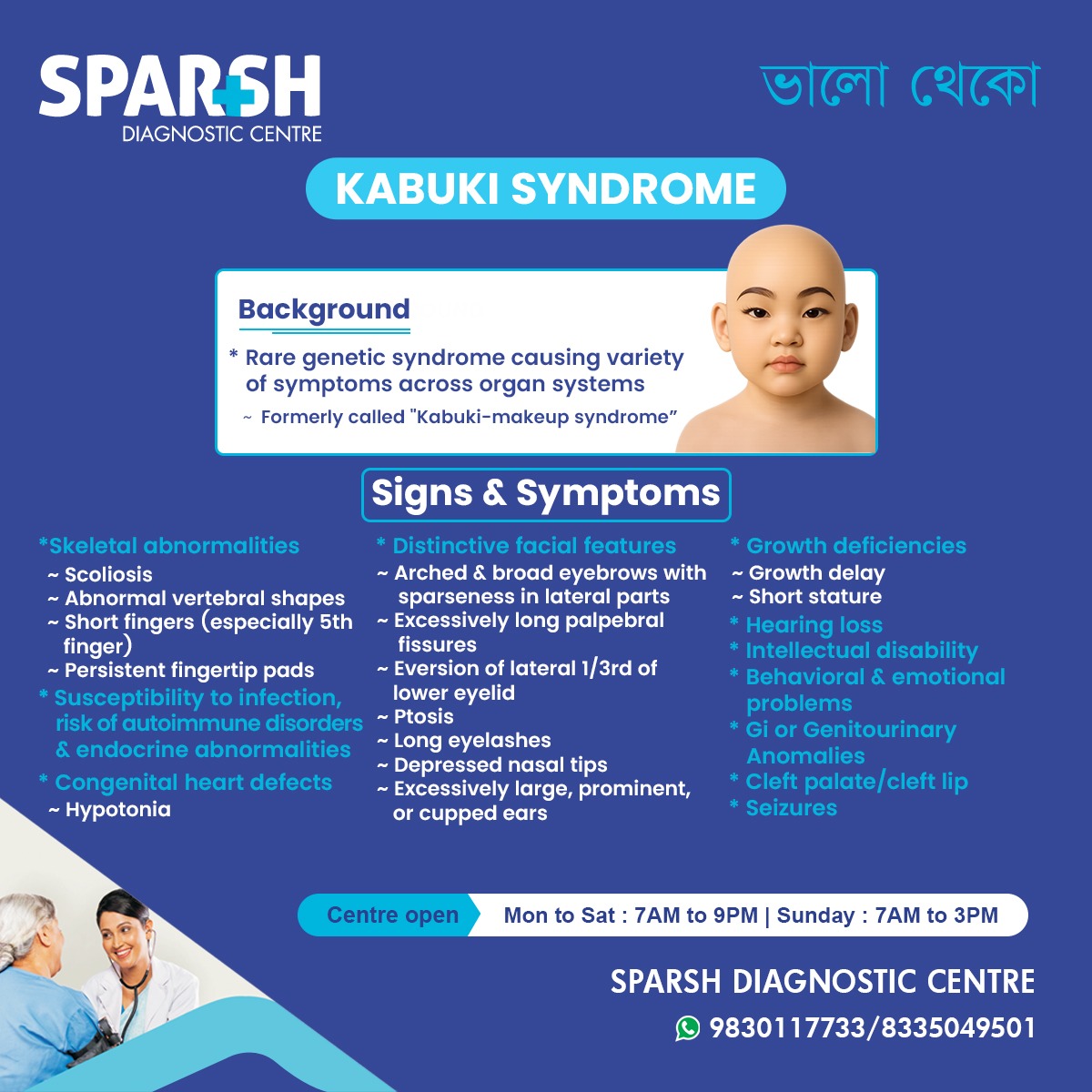
Kabuki Syndrome is a rare genetic disorder that affects growth, development, and multiple organ systems. It was first described in Japan and named after the traditional Kabuki theater because of the distinctive facial features seen in affected individuals.
Earlier, it was referred to as “Kabuki makeup syndrome,” but that term is now outdated.
Key Characteristics
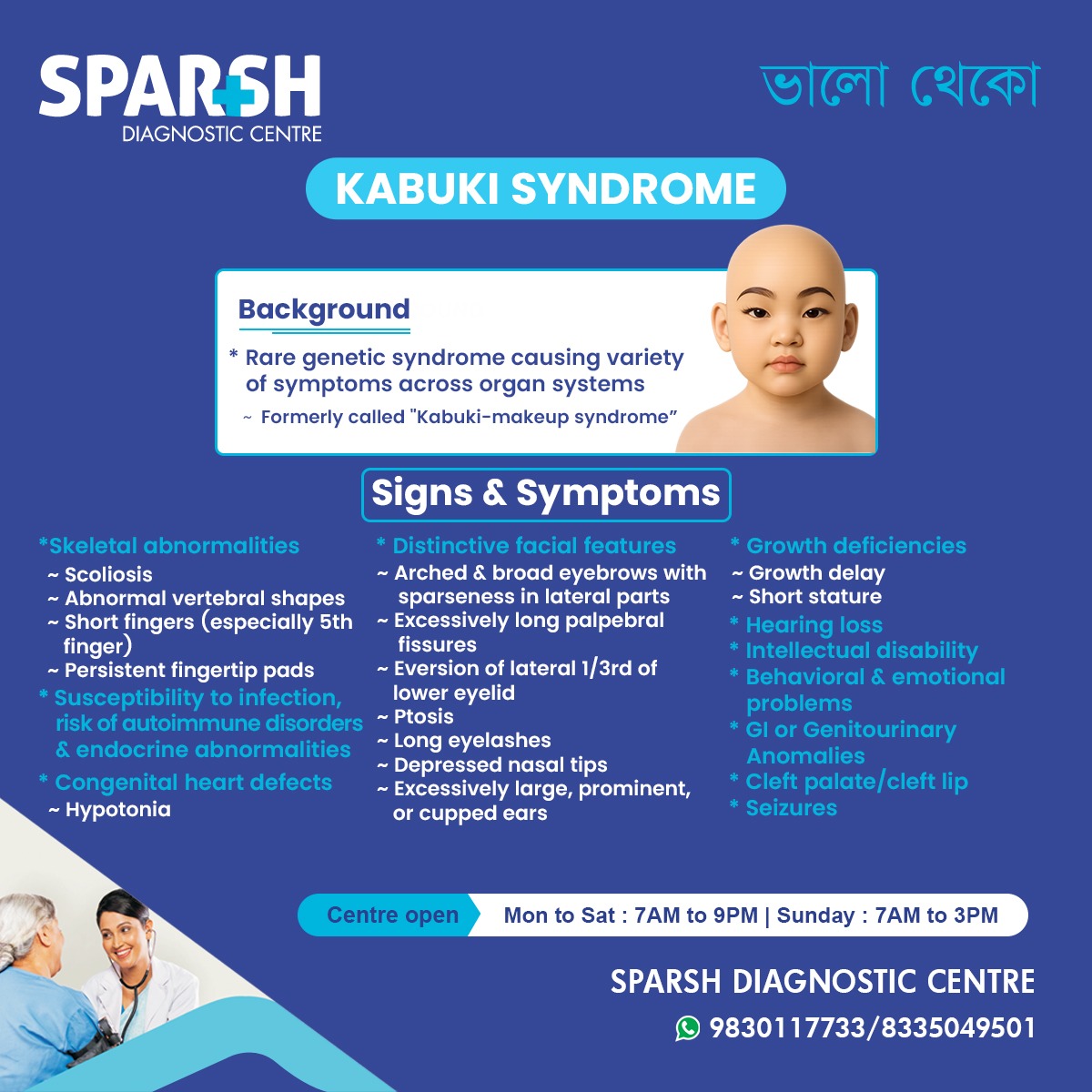
People with Kabuki Syndrome often present with:
- Distinctive facial features
- Developmental delays
- Skeletal abnormalities
- Organ system involvement (heart, kidneys, immune system)
The severity can vary widely—some individuals may have mild symptoms, while others require ongoing medical support.
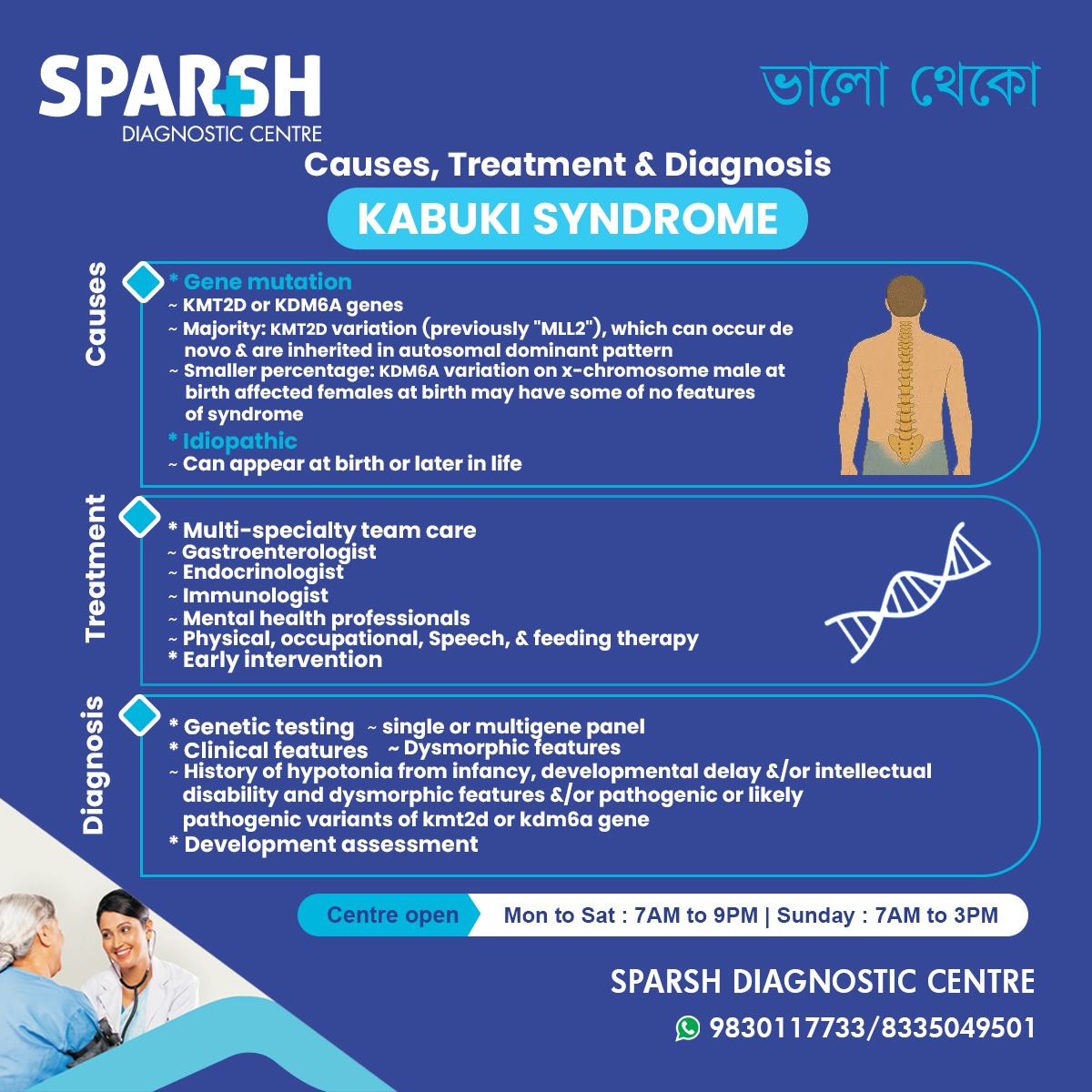
What Causes Kabuki Syndrome?
Kabuki Syndrome is primarily caused by mutations in specific genes responsible for regulating development.
Genetic Mutations Involved
The two main genes associated with the condition are:
- KMT2D gene
- KDM6A gene
How These Mutations Work
- KMT2D mutation
This is the most common cause. It follows an autosomal dominant pattern, meaning a mutation in just one copy of the gene can lead to the condition. In many cases, the mutation happens spontaneously (de novo), with no family history. - KDM6A mutation
This gene is located on the X chromosome. It can affect males and females differently. Males often show more pronounced symptoms.
Other Causes
In some individuals, no clear genetic mutation is identified. These cases are considered idiopathic, meaning the exact cause remains unknown.
Signs and Symptoms of Kabuki Syndrome
Kabuki Syndrome affects multiple body systems, so symptoms can vary. However, certain features are commonly seen.
1. Distinctive Facial Features
These are often the first clues for diagnosis:
- Long openings of the eyelids (palpebral fissures)
- Arched, broad eyebrows with thinning at the ends
- Long eyelashes
- Drooping eyelids (ptosis)
- Flattened or depressed nasal tip
- Large or prominent ears
These facial characteristics tend to become more noticeable with age.
2. Growth and Developmental Issues
- Delayed growth in infancy and childhood
- Short stature
- Delayed motor skills (sitting, walking)
- Speech delays
Many children require early intervention therapies to support development.
3. Skeletal Abnormalities
Common skeletal issues include:
- Scoliosis (curvature of the spine)
- Abnormal vertebrae
- Short fingers, especially the fifth finger
- Persistent fetal fingertip pads
These may affect posture, mobility, and fine motor skills.
4. Intellectual and Behavioral Features
- Mild to moderate intellectual disability
- Learning difficulties
- Social and behavioral challenges
- Emotional sensitivity
With the right support, many individuals can attend school and develop strong social connections.
5. Heart and Organ Involvement
Congenital heart defects are relatively common and may include:
- Septal defects (holes in the heart)
- Structural abnormalities
Other organ-related issues:
- Kidney abnormalities
- Gastrointestinal problems
- Feeding difficulties in infancy
6. Immune and Endocrine Issues
Children with Kabuki Syndrome may experience:
- Frequent infections
- Autoimmune disorders
- Hormonal imbalances
This requires careful monitoring by specialists.
7. Hearing Loss
Hearing problems can arise due to:
- Structural ear abnormalities
- Recurrent infections
Early hearing assessment is crucial for speech and language development.
8. Neurological Features
Some individuals may develop:
- Seizures
- Hypotonia (low muscle tone)
These can impact daily functioning but are often manageable with medical care.
How Is Kabuki Syndrome Diagnosed?
Diagnosing Kabuki Syndrome involves a combination of clinical evaluation and genetic testing.
Clinical Assessment
Doctors look for:
- Characteristic facial features
- Developmental delays
- Medical history (including hypotonia and organ involvement)
Genetic Testing
Genetic testing is the most definitive way to confirm the diagnosis.
- Single-gene testing
- Multigene panels
- Whole exome sequencing (in complex cases)
Identifying mutations in the KMT2D or KDM6A gene helps confirm the condition.
Developmental Evaluation
Children are often assessed for:
- Cognitive development
- Motor skills
- Speech and language abilities
This helps create a personalized care plan.
Treatment and Management
There is no cure for Kabuki Syndrome, but treatment focuses on managing symptoms and improving quality of life.
1. Multidisciplinary Care
Care typically involves a team of specialists:
- Pediatricians
- Cardiologists
- Neurologists
- Gastroenterologists
- Endocrinologists
- Immunologists
- Mental health professionals
2. Therapies
Early intervention makes a big difference:
- Physical therapy – improves mobility and strength
- Occupational therapy – helps with daily skills
- Speech therapy – supports communication
- Feeding therapy – for infants with swallowing issues
3. Medical Management
Treatment may include:
- Surgery for heart defects
- Medications for seizures
- Hormone therapy if needed
- Antibiotics for recurrent infections
4. Educational Support
Children benefit from:
- Individualized education plans (IEPs)
- Special education services
- Behavioral therapy
Living with Kabuki Syndrome
A diagnosis of Kabuki Syndrome can feel daunting, but many families find a rhythm with the right support.
What Helps Most
- Early diagnosis
- Regular follow-ups
- Strong support system
- Access to therapies
Children often show steady progress over time, especially with consistent care.
Prognosis and Life Expectancy
Life expectancy varies depending on the severity of associated conditions, especially heart defects and immune issues.
However:
- Many individuals live into adulthood
- Quality of life improves with early intervention
- Independence levels vary from person to person
When Should You See a Doctor?
Seek medical advice if your child shows:
- Delayed developmental milestones
- Unusual facial features
- Feeding difficulties
- Frequent infections
- Poor growth
Early evaluation can make a significant difference in outcomes.
Frequently Asked Questions (FAQs)
1. Is Kabuki Syndrome inherited?
In most cases, Kabuki Syndrome occurs due to new (de novo) mutations. However, it can be inherited in an autosomal dominant pattern.
2. Can Kabuki Syndrome be cured?
No, there is currently no cure. Treatment focuses on managing symptoms and improving quality of life.
3. How rare is Kabuki Syndrome?
It is considered a rare disorder, though exact prevalence is unknown. It is estimated to affect approximately 1 in 30,000 to 1 in 50,000 individuals.
4. Can adults have Kabuki Syndrome?
Yes. Kabuki Syndrome is a lifelong condition. Many individuals grow into adulthood and continue to receive supportive care.
5. What is the biggest challenge in Kabuki Syndrome?
Challenges vary but often include developmental delays, medical complications, and the need for long-term multidisciplinary care.
6. Does Kabuki Syndrome affect intelligence?
It can cause mild to moderate intellectual disability, but learning potential varies widely among individuals.
7. Can Kabuki Syndrome be detected before birth?
In some cases, prenatal genetic testing may detect mutations, especially if there is a known family history.
To consult a Pediatrician at Sparsh Diagnostic Centre, call our helpline numbers 9830117733/ 8335049501.
#BhaloTheko
Disclaimer:
No content on this site, regardless of date, should ever be used as a substitute for direct medical advice from your doctor or other qualified clinician.