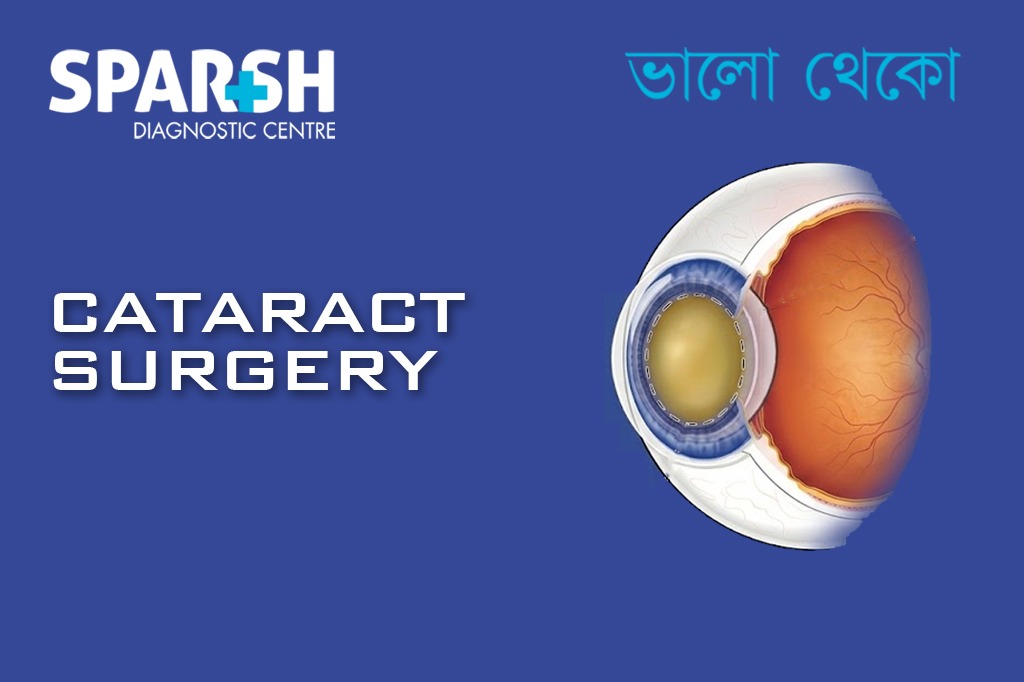
Cataract surgery is one of the safest and most commonly performed surgical procedures in the world. Millions of people regain clear vision every year through this quick, minimally invasive treatment. If you’ve been diagnosed with cataracts or are experiencing blurry vision that affects your daily life, understanding the condition and the available treatment options can help you make an informed decision.
In this comprehensive guide, we’ll explain what cataracts are, why they develop, when surgery becomes necessary, how the procedure works, recovery expectations, and answer the most frequently asked questions about cataract surgery.
What Is a Cataract?
A cataract is the clouding of the eye’s natural lens. Normally, this lens is clear and helps focus light onto the retina, allowing you to see sharp images. As cataracts develop, the lens becomes cloudy, causing blurred or hazy vision.
Cataracts usually develop gradually and may affect one or both eyes. They are not contagious and cannot spread from one eye to another.
Cataract Surgery
Which Organ Is Affected by Cataracts?
Cataracts affect the eye, specifically the natural crystalline lens located behind the iris and pupil.
The cloudy lens prevents light from passing through properly, leading to:
- Blurred vision
- Difficulty reading
- Poor night vision
- Increased sensitivity to light
- Faded colours
- Frequent changes in eyeglass prescription
What Causes Cataracts?
The most common cause of cataracts is age-related changes in the proteins within the eye’s lens. Over time, these proteins begin to break down and clump together, making the lens cloudy.
Other causes include:
- Diabetes
- Eye injuries
- Long-term steroid use
- Smoking
- Excessive alcohol consumption
- UV radiation from sunlight
- Previous eye surgery
- Genetic disorders
- Congenital cataracts present at birth
Although ageing is the primary cause, cataracts can develop at almost any age depending on underlying risk factors.
What Is the Biggest Cause of Cataracts?
The single biggest cause of cataracts is natural ageing.
After the age of 40, proteins inside the eye’s lens gradually change. Most people begin developing some degree of lens clouding as they grow older, although symptoms often become noticeable after age 60.
Age-related cataracts account for the vast majority of cases worldwide.
Types of Cataracts
Several different types of cataracts exist.
Nuclear Cataracts
Develop in the centre of the lens and are commonly associated with ageing.
Cortical Cataracts
Start around the edges of the lens and slowly progress inward.
Posterior Subcapsular Cataracts
Develop at the back of the lens and often affect reading vision and night vision more rapidly.
Congenital Cataracts
Present at birth or develop during infancy.
Traumatic Cataracts
Occur after an eye injury.
Symptoms of Cataracts
Cataracts often develop slowly, so symptoms may not be obvious initially.
Common symptoms include:
- Blurry or cloudy vision
- Double vision in one eye
- Difficulty driving at night
- Halos around lights
- Increased glare from headlights
- Colours appearing faded
- Frequent prescription changes
- Poor contrast sensitivity
- Difficulty reading
If these symptoms interfere with everyday activities, it may be time to consider cataract surgery.
When Is It Time for Cataract Surgery?
Many people wonder whether they should wait until the cataract is “mature.”
Modern eye care no longer recommends waiting for cataracts to become severe.
Cataract surgery is generally advised when vision begins affecting:
- Reading
- Driving
- Watching television
- Using computers
- Cooking
- Walking safely
- Work performance
- Hobbies
An ophthalmologist evaluates:
- Visual acuity
- Cataract severity
- Overall eye health
- Lifestyle requirements
The decision is based more on quality of life than the appearance of the cataract.
Is Cataract Very Serious?
A cataract itself is not usually life-threatening, but it can become serious if left untreated.
Untreated cataracts may lead to:
- Severe vision loss
- Falls and injuries
- Loss of independence
- Difficulty recognising faces
- Inability to drive safely
- Increased risk of depression
In rare advanced cases, cataracts may increase pressure inside the eye and contribute to glaucoma.
Fortunately, cataract surgery is highly successful in restoring vision for most patients.
Average Age for Cataract Surgery
The average age for cataract surgery is around 65 to 75 years.
However, surgery may be required earlier if cataracts develop because of:
- Diabetes
- Trauma
- Steroid medications
- Congenital conditions
- High myopia
- Radiation exposure
Some people undergo cataract surgery in their 40s or 50s if vision is significantly affected.
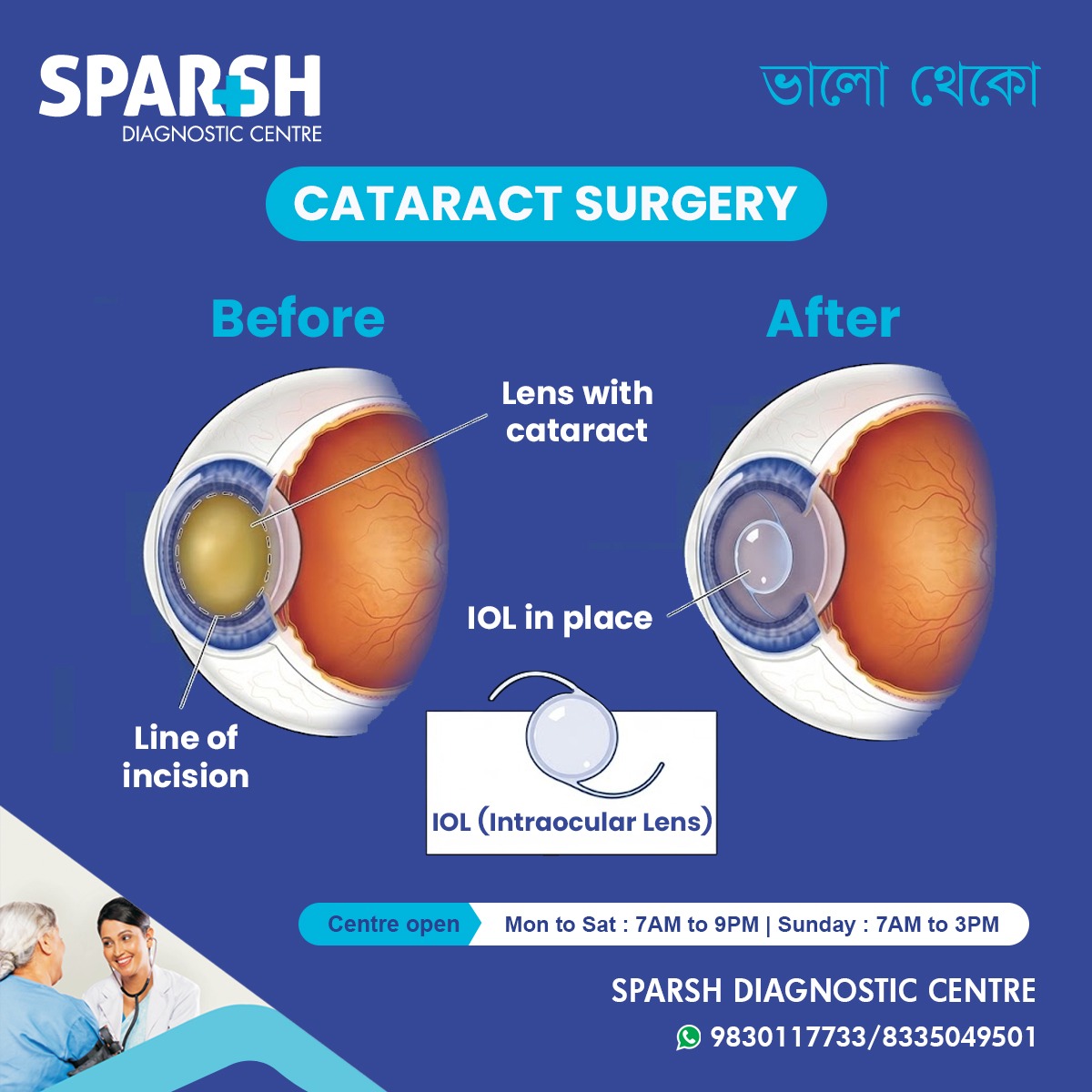
How Cataract Surgery Is Performed
Cataract surgery is usually performed as an outpatient procedure.
The entire process typically takes 15 to 30 minutes.
Step 1: Anaesthesia
The eye is numbed using anaesthetic eye drops. Most patients remain awake throughout the procedure.
Step 2: Tiny Incision
The surgeon makes a very small incision in the cornea.
Step 3: Removal of the Cataract
Using ultrasound technology (phacoemulsification), the cloudy lens is broken into tiny fragments and removed.
Step 4: Artificial Lens Implantation
A clear artificial intraocular lens (IOL) is inserted into the same position as the natural lens.
The incision is so small that stitches are often unnecessary.
Types of Intraocular Lenses (IOLs)
Several types of artificial lenses are available.
Monofocal Lens
Provides clear vision at one distance.
Multifocal Lens
Allows improved vision at multiple distances.
Toric Lens
Corrects astigmatism.
Extended Depth of Focus (EDOF) Lens
Offers continuous vision over a broader range.
Your ophthalmologist will recommend the most suitable option based on your lifestyle and visual needs.
How Painful Is Cataract Surgery?
One of the most common concerns patients have is whether cataract surgery hurts.
The good news is that cataract surgery is generally not painful.
During the procedure:
- Anaesthetic eye drops numb the eye.
- You may feel slight pressure or movement.
- Most patients experience little to no pain.
After surgery, mild discomfort, irritation, watering, or a scratchy sensation is common for a day or two, but severe pain is uncommon. Persistent or intense pain should always be reported to your eye surgeon immediately.
Is Cataract Surgery Safe?
Yes. Cataract surgery is considered one of the safest and most successful surgeries performed today.
Success rates exceed 95% in uncomplicated cases.
Modern surgical techniques have significantly reduced complications.
Potential complications, although uncommon, include:
- Infection
- Bleeding
- Retinal detachment
- Swelling
- Increased eye pressure
- Lens displacement
Choosing an experienced ophthalmic surgeon and following post-operative instructions greatly reduces these risks.
How Long Does Cataract Surgery Last?
The actual surgical procedure usually lasts:
15–30 minutes
However, you should expect to spend approximately two to three hours at the surgical centre for preparation, surgery, and post-operative observation.
Recovery After Cataract Surgery
Recovery is usually fast.
Many patients notice improved vision within:
- 24 to 48 hours
Complete healing generally occurs over:
- 4 to 6 weeks
How Many Days Will It Take to Recover from Cataract Surgery?
Most people recover sufficiently to resume routine activities within 2 to 7 days.
Recovery timeline:
Day 1
- Mild discomfort
- Slight blurry vision
- Eye shield may be worn overnight
First Week
- Vision improves steadily
- Eye drops continue
- Avoid rubbing the eye
2–4 Weeks
- Most daily activities resume
- Vision becomes more stable
4–6 Weeks
- Complete healing in most cases
- New glasses may be prescribed if needed
Recovery speed varies depending on the individual’s overall eye health and the presence of other eye conditions.
What Is the Biggest Complaint After Cataract Surgery?
The most commonly reported complaint is:
Temporary blurry vision.
Other common concerns include:
- Dry eyes
- Glare
- Halos around lights at night
- Light sensitivity
- Mild irritation
- Foreign body sensation
These symptoms usually improve within several days or weeks as the eye heals.
Persistent vision problems should be evaluated promptly.
What Is the New Cataract Treatment for 2026?
As of 2026, cataract surgery remains the gold standard treatment for cataracts. While researchers continue to investigate medications that may slow cataract progression, no eye drops or medicines have been approved to reverse established cataracts.
Recent advancements in cataract care include:
- More precise femtosecond laser-assisted cataract surgery in selected cases
- Improved premium intraocular lenses (IOLs), including enhanced extended depth of focus (EDOF) designs
- Better image-guided systems for lens alignment and astigmatism correction
- Smaller-incision surgical techniques that promote faster recovery
- Advances in surgical planning using biometric imaging and digital guidance
These innovations can improve visual outcomes for suitable patients, but the basic treatment remains the removal of the cloudy natural lens and replacement with an artificial intraocular lens.
Life After Cataract Surgery
Most patients enjoy:
- Sharper vision
- Better colour perception
- Improved night driving
- Greater independence
- Reduced dependence on glasses (depending on the lens chosen)
Many people report that colours appear brighter than they have in years.
Foods That May Help Protect Eye Health
Although food cannot cure cataracts, a healthy diet supports long-term eye health.
Good choices include:
- Leafy green vegetables
- Carrots
- Bell peppers
- Citrus fruits
- Tomatoes
- Nuts
- Fish rich in omega-3 fatty acids
- Whole grains
Antioxidants help protect eye tissues from oxidative stress.
What Foods Should You Avoid If You Have Cataracts?
No food directly causes cataracts, but limiting certain dietary habits may support overall eye health.
Try to reduce:
- Sugary beverages
- Refined carbohydrates
- Processed foods
- Deep-fried foods
- Excessive alcohol
- Foods high in trans fats
People with diabetes should pay particular attention to blood sugar control, as poorly controlled diabetes increases the risk of cataract development.
Which Fruit Reduces Cataracts?
No single fruit can prevent or reverse cataracts, but fruits rich in vitamin C and antioxidants may support overall eye health.
Examples include:
- Oranges
- Guavas
- Kiwi
- Strawberries
- Papaya
- Blueberries
- Grapes
These fruits help protect eye cells from oxidative damage, although they cannot eliminate existing cataracts.
Are Eggs Bad for Cataracts?
No.
Eggs are actually considered beneficial for eye health.
Egg yolks contain:
- Lutein
- Zeaxanthin
- Vitamin A
- Vitamin D
These nutrients support retinal health and may help protect against age-related eye diseases. Eating eggs as part of a balanced diet is generally safe unless your healthcare provider advises otherwise for another medical reason.
Can Cataracts Be Prevented?
Not all cataracts can be prevented, but you can reduce your risk by:
- Wearing UV-protective sunglasses
- Quitting smoking
- Managing diabetes effectively
- Eating antioxidant-rich foods
- Exercising regularly
- Maintaining a healthy weight
- Having regular eye examinations
- Avoiding unnecessary long-term steroid use
Early detection helps preserve vision and allows surgery to be planned at the right time.
Frequently Asked Questions (FAQs)
1. How painful is cataract surgery?
Cataract surgery is usually not painful. The eye is numbed with anaesthetic drops, and most patients feel only mild pressure or slight discomfort during the procedure.
2. What is the cause of cataracts?
The most common cause is ageing. Other causes include diabetes, eye injuries, steroid use, smoking, excessive UV exposure, and certain genetic conditions.
3. How many days will it take to recover from cataract surgery?
Most patients resume normal activities within 2 to 7 days, while complete healing typically takes 4 to 6 weeks.
4. Is cataract surgery safe?
Yes. Cataract surgery is one of the safest and most successful surgical procedures, with excellent outcomes in the vast majority of patients.
5. Is cataract very serious?
If left untreated, cataracts can significantly impair vision and affect daily life. Fortunately, they are highly treatable with surgery.
6. What is the average age for cataract surgery?
Most people undergo cataract surgery between the ages of 65 and 75, although younger individuals may need surgery if cataracts develop earlier.
7. How long does cataract surgery last?
The operation itself usually takes 15 to 30 minutes, and patients typically go home the same day.
8. What is the new cataract treatment for 2026?
Modern cataract care includes advanced intraocular lenses, laser-assisted techniques for selected patients, and improved surgical planning technologies. However, surgery remains the only proven treatment for established cataracts.
9. Which organ is affected by cataracts?
Cataracts affect the eye, specifically the natural lens located behind the iris.
10. What is the biggest complaint after cataract surgery?
Temporary blurry vision, dry eyes, glare, and light sensitivity are the most common complaints, but they usually improve during healing.
11. When is it time for cataract surgery?
Surgery is recommended when cataracts interfere with activities such as reading, driving, working, or enjoying daily life.
12. What foods should you avoid if you have cataracts?
Limit sugary foods, processed snacks, deep-fried items, trans fats, and excessive alcohol while maintaining a nutrient-rich diet.
13. What is the biggest cause of cataracts?
Age-related changes in the lens are the leading cause of cataracts worldwide.
14. Which fruit reduces cataracts?
Fruits rich in vitamin C and antioxidants, such as oranges, guavas, kiwi, and berries, support eye health but cannot reverse cataracts.
15. Are eggs bad for cataracts?
No. Eggs contain lutein and zeaxanthin, nutrients that support healthy vision and may help protect the eyes.
Cataracts are a common part of ageing, but they don’t have to limit your quality of life. Thanks to advances in ophthalmology, cataract surgery is now a quick, safe, and highly effective procedure that restores clear vision for millions of people each year. If you’re noticing blurry vision, increased glare, or difficulty performing daily activities, don’t ignore the symptoms. A comprehensive eye examination can determine whether cataracts are the cause and whether surgery is the right next step.
Early diagnosis, timely treatment, and regular follow-up care can help you maintain healthy vision and continue enjoying everyday life with greater confidence and clarity.
#BhaloTheko
Disclaimer:
No content on this site, regardless of date, should ever be used as a substitute for direct medical advice from your doctor or other qualified clinician.