

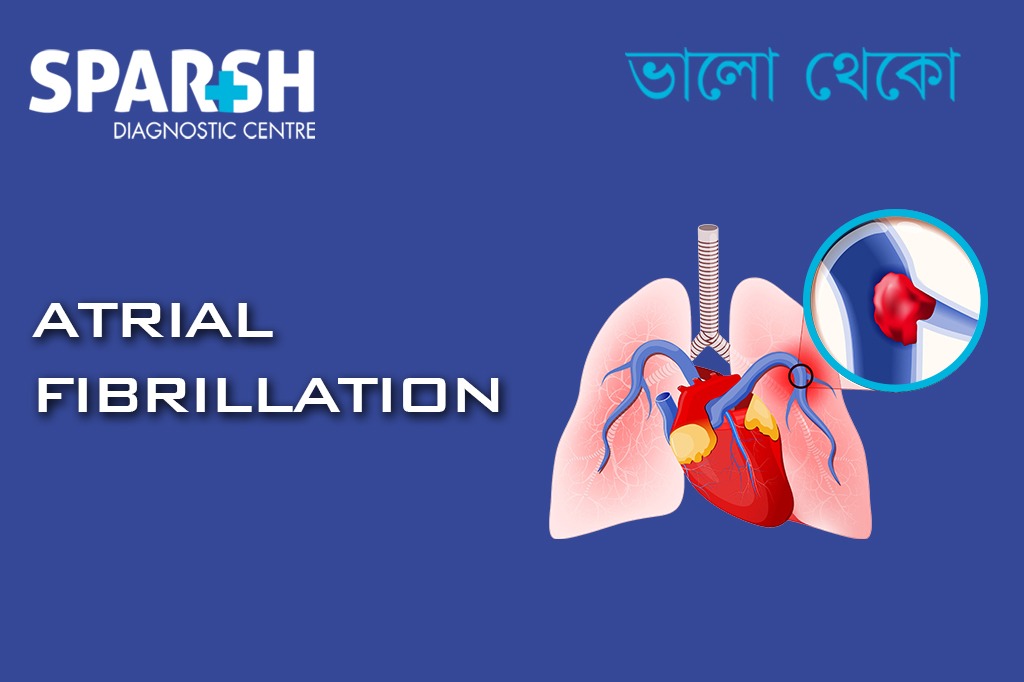
Atrial fibrillation (AFib) is one of the most common types of irregular heart rhythms (arrhythmias) that affects millions worldwide. It occurs when the upper chambers of the heart (atria) beat irregularly and out of coordination with the lower chambers (ventricles). This abnormal rhythm can cause blood to pool and form clots, leading to serious complications like stroke, heart failure, or other heart-related conditions if left untreated.
What is Atrial Fibrillation?
Atrial fibrillation (AFib) is a type of supraventricular tachycardia, meaning it originates in the upper chambers of the heart and causes an abnormally fast or irregular heartbeat. The condition disrupts the heart’s normal electrical signals, leading to an erratic rhythm. Instead of a steady “lub-dub” beat, the heart may flutter or quiver, making it less efficient at pumping blood.
Over time, this irregular rhythm increases the risk of blood clots, stroke, heart failure, and other complications. AFib can occur occasionally or persistently, depending on its underlying cause and the individual’s overall heart health.
How the Heart Normally Beats
In a healthy heart, the sinus node (the heart’s natural pacemaker) generates electrical impulses that travel through the atria to the ventricles, causing them to contract in a synchronized rhythm. This ensures blood flows efficiently from the atria to the ventricles and then to the rest of the body.
What Happens in AFib
In atrial fibrillation, these electrical signals become disorganized and chaotic, causing the atria to beat irregularly and rapidly. As a result:
The ventricles receive irregular signals and beat out of sync.
Blood flow becomes less efficient.
Blood can pool in the atria, increasing the risk of clots and stroke.
Types of Atrial Fibrillation
Atrial fibrillation can be categorized based on how long the irregular rhythm lasts:
Paroxysmal AFib:
Occurs intermittently and may last for minutes or hours before the heart returns to normal rhythm on its own.Persistent AFib:
Lasts longer than 7 days and may require treatment, such as medication or electrical cardioversion, to restore a normal rhythm.Long-standing Persistent AFib:
Lasts for over a year and may require advanced treatment or ablation.Permanent AFib:
The irregular rhythm is continuous, and medical efforts to restore normal rhythm are stopped. Management focuses on controlling the heart rate and preventing complications.
Causes and Risk Factors of Atrial Fibrillation
AFib often develops due to underlying heart or systemic health conditions. Common causes include:
Previous heart surgery
Other Risk Factors:
Age (risk increases after 60 years)
Excessive alcohol or caffeine consumption
Family history of arrhythmia
Symptoms of Atrial Fibrillation
Symptoms can vary from person to person. Some may not feel any symptoms at all, while others may experience noticeable heart rhythm changes.
Common symptoms include:
Dizziness, lightheadedness, or feeling faint
Heart palpitations (feeling your heart racing or fluttering)
Tiredness or weakness
Chest discomfort or pressure
Difficulty exercising or performing physical activity
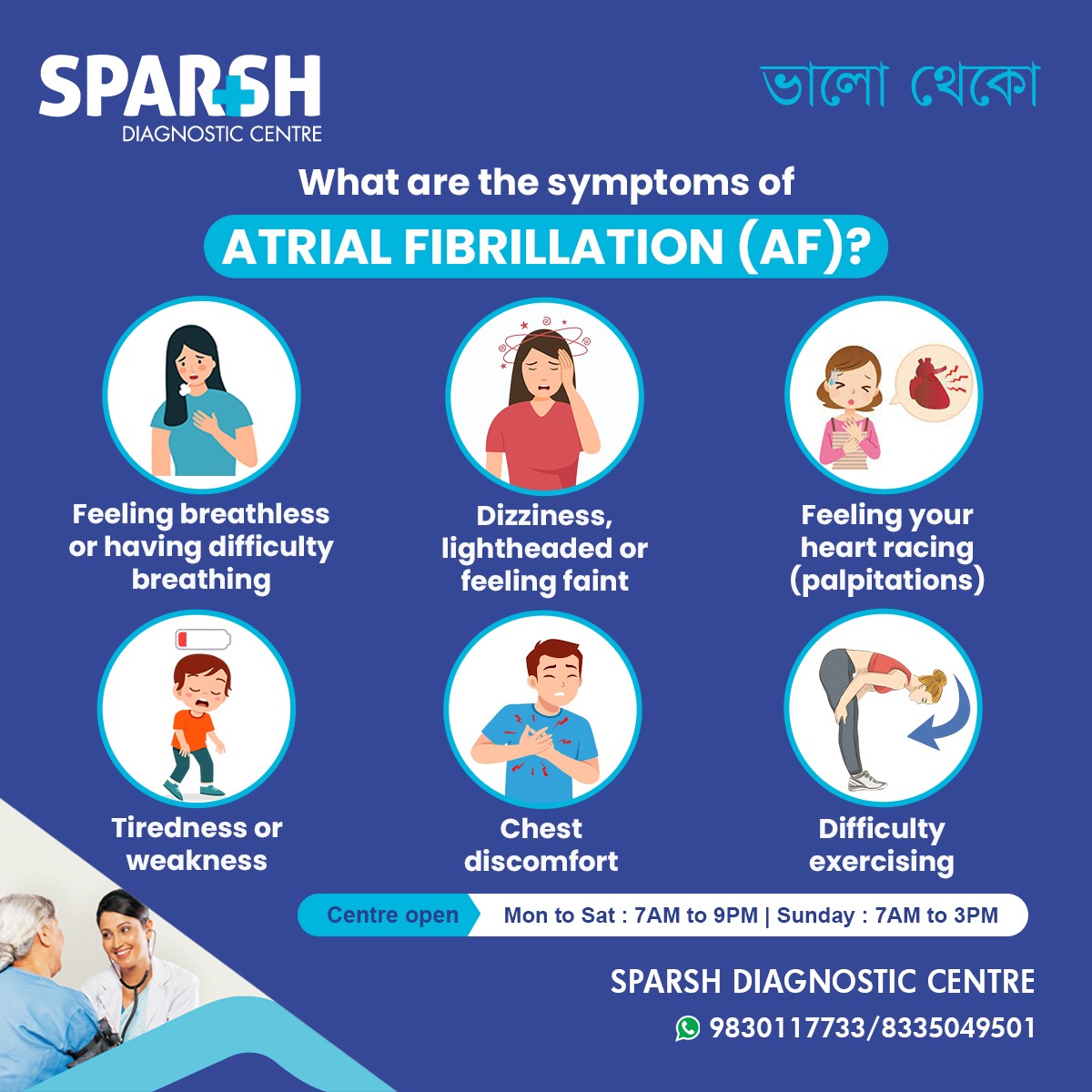
These symptoms can appear suddenly or come and go intermittently. Persistent or severe symptoms should be evaluated promptly by a doctor.
Possible Complications of Atrial Fibrillation
AFib can lead to serious health risks if not properly managed. The most significant complications include:
Stroke:
Blood pooling in the atria can form clots that may travel to the brain, causing a stroke.Heart Failure:
The irregular heartbeat can weaken the heart over time, reducing its ability to pump blood effectively.Chronic Fatigue:
Poor blood flow can lead to reduced oxygen delivery to tissues, causing fatigue.Other Heart Rhythm Disorders:
AFib can increase the likelihood of other arrhythmias developing.
Diagnosis of Atrial Fibrillation
At Sparsh Diagnostic Centre, AFib can be diagnosed through several non-invasive cardiac tests:
Electrocardiogram (ECG):
Measures the heart’s electrical activity to detect irregular rhythms.Holter Monitoring:
A wearable device that records heart rhythms over 24 to 48 hours for intermittent AFib episodes.Echocardiogram:
Uses ultrasound to assess the structure and function of the heart.Blood Tests:
Helps detect thyroid problems, electrolyte imbalances, or other causes.Stress Test:
Evaluates how the heart performs under physical exertion.
Early diagnosis is crucial to prevent complications such as stroke and heart failure.
Treatment Options for Atrial Fibrillation
Treatment for AFib focuses on three main goals: restoring normal rhythm, controlling heart rate, and preventing blood clots.
1. Medications
Rate control drugs (e.g., beta-blockers, calcium channel blockers) help slow down the heart rate.
Rhythm control drugs (antiarrhythmics) help maintain a normal rhythm.
Blood thinners (anticoagulants) such as warfarin, apixaban, or dabigatran reduce the risk of stroke.
2. Electrical Cardioversion
A controlled electric shock is delivered to the heart to restore normal rhythm. This is usually done under mild anesthesia.
3. Catheter Ablation
A minimally invasive procedure where targeted tissue in the heart causing irregular signals is destroyed using radiofrequency energy.
4. Pacemaker Implantation
In certain cases, a pacemaker may be implanted to regulate heart rhythm, especially in patients with bradycardia (slow heartbeat).
5. Surgery
For severe cases or when other treatments fail, Maze surgery may be performed to create scar tissue that blocks abnormal electrical pathways.
Lifestyle Management and Prevention
Along with medical treatment, lifestyle modifications play a vital role in managing atrial fibrillation.
Heart-Healthy Lifestyle Tips:
Eat a balanced diet: Focus on fruits, vegetables, whole grains, and lean proteins.
Exercise regularly: Engage in moderate physical activity with doctor approval.
Avoid excessive alcohol and caffeine.
Manage stress: Try yoga, meditation, or breathing exercises.
Maintain a healthy weight.
Monitor and manage blood pressure and cholesterol levels.
Preventive Screening
Routine heart check-ups and ECG screenings can help detect early rhythm disturbances before they cause complications.
When to See a Doctor
Seek immediate medical attention if you experience:
Fainting or near-fainting episodes
Rapid, irregular heartbeat that doesn’t resolve
Early diagnosis and treatment greatly reduce the risk of complications.
FAQs on Atrial Fibrillation
1. Can atrial fibrillation go away on its own?
Yes, in cases of paroxysmal AFib, the irregular rhythm can sometimes stop on its own. However, medical evaluation is still essential.
2. Is atrial fibrillation life-threatening?
While AFib itself is not always immediately life-threatening, it significantly increases the risk of stroke, heart failure, and other serious conditions.
3. Can stress cause atrial fibrillation?
Yes. Chronic stress and anxiety can trigger or worsen episodes of AFib due to the release of stress hormones that affect heart rhythm.
4. How is AFib different from a heart attack?
A heart attack is caused by blocked blood flow to the heart muscle, while AFib is an electrical rhythm disorder. However, both can cause chest discomfort.
5. Can atrial fibrillation be cured?
There’s no guaranteed permanent cure, but treatments like catheter ablation or lifestyle changes can effectively manage symptoms and prevent recurrence.
6. What foods should I avoid if I have AFib?
Avoid high-sodium foods, caffeine, alcohol, and processed foods. Maintain a heart-healthy diet rich in potassium, magnesium, and fiber.
7. Does AFib always cause symptoms?
No, some people have “silent AFib” with no noticeable symptoms, detected only during a routine ECG or heart check-up.
8. How does AFib increase stroke risk?
Irregular beating allows blood to pool in the atria, forming clots that can travel to the brain and cause a stroke.
Atrial fibrillation is a manageable condition when detected early and treated appropriately. Regular heart screenings, healthy lifestyle choices, and adherence to prescribed medications can significantly lower the risks of complications like stroke or heart failure.
If you experience symptoms such as heart palpitations, dizziness, breathlessness, or chest discomfort, don’t ignore them. Visit Sparsh Diagnostic Centre for accurate diagnosis and comprehensive heart care.
#BhaloTheko
Disclaimer:
No content on this site, regardless of date, should ever be used as a substitute for direct medical advice from your doctor or other qualified clinician.


[…] Cardiac arrhythmias (e.g., atrial fibrillation) […]
[…] Atrial fibrillation (AFib): The most common type of arrhythmia, AFib is characterized by irregular, rapid beating of the atria. It increases the risk of stroke and heart failure. […]
[…] Atrial fibrillation (AFib): Characterized by irregular, often rapid beating of the atria, the upper chambers of the heart. AFib is a common cause of rapid heartbeat, especially in older adults. […]
[…] Abnormal heart rhythms, such as atrial fibrillation (AFib), premature ventricular contractions (PVCs), or supraventricular tachycardia (SVT), can cause […]