Autoimmune hepatitis (AIH) is a chronic liver disease in which the body’s immune system mistakenly attacks healthy liver cells. This abnormal immune response causes ongoing inflammation that, if left untreated, can lead to liver scarring (cirrhosis), liver failure, and other serious complications.
Although autoimmune hepatitis is a lifelong condition for most people, the good news is that modern treatments can effectively control inflammation, prevent liver damage, and help many individuals live long, healthy lives. Early diagnosis and consistent treatment play the biggest role in improving outcomes.
In this comprehensive guide, we’ll explain everything you need to know about autoimmune hepatitis, including its symptoms, causes, diagnosis, treatment options, complications, and answers to the most commonly asked questions.
What Is Autoimmune Hepatitis?
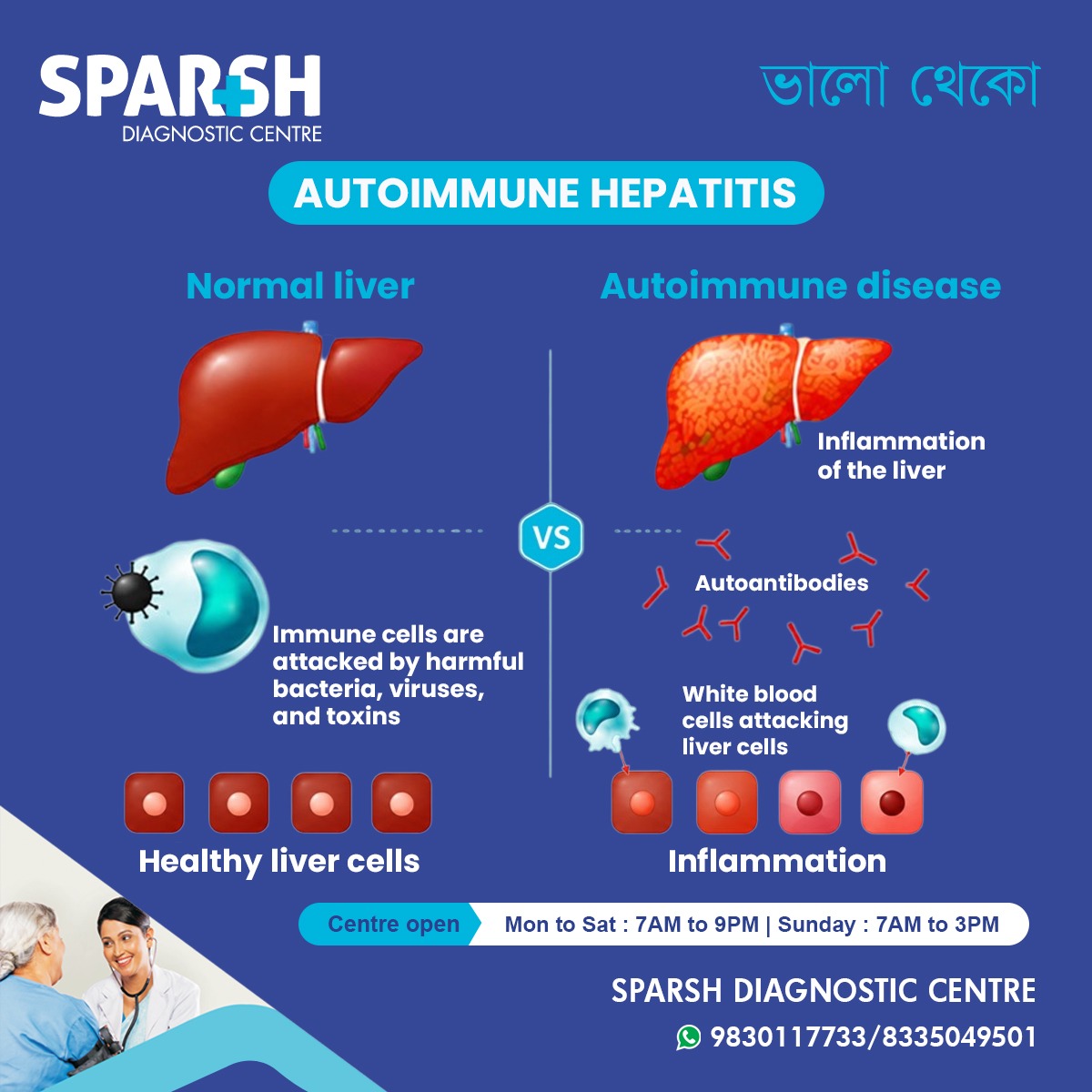
Autoimmune hepatitis is an autoimmune disease where the immune system, instead of protecting the body from infections, attacks liver tissue.
Normally, immune cells identify viruses and bacteria as harmful. In autoimmune hepatitis, however, these immune cells mistakenly recognize liver cells as foreign and begin attacking them, causing persistent inflammation.
Over time, chronic inflammation can lead to:
- Liver fibrosis (scar tissue)
- Cirrhosis
- Reduced liver function
- Liver failure
- Increased need for liver transplantation
Autoimmune hepatitis affects people of all ages but is more common in women than men.
How Common Is Autoimmune Hepatitis?
Although autoimmune hepatitis is considered a rare disease, awareness has increased over the past decade due to improved diagnostic testing.
It may occur:
- During childhood
- In young adults
- During middle age
- In older adults
Women account for nearly 70–80% of diagnosed cases.
Types of Autoimmune Hepatitis
Doctors classify autoimmune hepatitis into two major types.
Type 1 Autoimmune Hepatitis
This is the most common form.
Characteristics include:
- Can occur at any age
- More common in women
- Often associated with other autoimmune diseases
- Usually responds well to treatment
Type 2 Autoimmune Hepatitis
This type is less common.
Features include:
- Mostly affects children and teenagers
- Can be more aggressive
- Often requires long-term treatment
How Does Autoimmune Hepatitis Affect the Body?
Autoimmune hepatitis affects much more than just the liver. Because the liver performs hundreds of essential functions, inflammation can have widespread effects throughout the body.
As liver inflammation continues, healthy liver cells are gradually replaced with scar tissue. This reduces the liver’s ability to:
- Remove toxins from the blood
- Produce proteins needed for blood clotting
- Store vitamins and nutrients
- Process medications
- Produce bile for digestion
- Regulate metabolism
As liver function declines, people may develop:
- Persistent fatigue
- Jaundice (yellowing of the skin and eyes)
- Abdominal discomfort
- Poor appetite
- Weight loss
- Easy bruising
- Fluid buildup in the abdomen (ascites)
- Swelling in the legs
- Confusion due to toxin buildup (hepatic encephalopathy)
Because autoimmune hepatitis is an autoimmune disorder, patients may also experience other autoimmune conditions such as thyroid disease, rheumatoid arthritis, type 1 diabetes, Sjögren’s syndrome, celiac disease, or inflammatory bowel disease.
Without treatment, ongoing inflammation significantly increases the risk of irreversible liver damage.
Causes of Autoimmune Hepatitis
The exact cause remains unknown.
Researchers believe autoimmune hepatitis develops due to a combination of:
Genetic Factors
Certain genes increase susceptibility.
Having family members with autoimmune diseases raises the risk.
Immune System Dysfunction
The immune system loses its ability to distinguish between healthy liver cells and harmful invaders.
Environmental Triggers
Possible triggers include:
- Viral infections
- Certain medications
- Environmental toxins
- Hormonal changes
These triggers may activate the disease in genetically susceptible individuals.
Risk Factors
Several factors increase the risk:
- Female gender
- Family history of autoimmune disease
- Existing autoimmune disorders
- Previous viral infections
- Genetic predisposition
Symptoms of Autoimmune Hepatitis
Symptoms vary considerably.
Some patients remain symptom-free for years.
Others develop sudden severe illness.
Common symptoms include:
- Extreme fatigue
- Weakness
- Yellow skin or eyes
- Dark urine
- Pale stools
- Loss of appetite
- Nausea
- Vomiting
- Joint pain
- Abdominal discomfort
- Enlarged liver
- Itchy skin
- Menstrual irregularities
- Fever (occasionally)
Advanced disease may cause:
- Swollen abdomen
- Swollen ankles
- Confusion
- Gastrointestinal bleeding
- Easy bruising
What Causes Autoimmune Hepatitis Flare-Ups?
A flare-up occurs when liver inflammation suddenly worsens after a period of stability.
Several factors can contribute to flare-ups, including:
Stopping Medications
One of the most common reasons is discontinuing immunosuppressive medication without medical advice.
Infections
Common viral illnesses may temporarily activate the immune system and worsen liver inflammation.
Physical or Emotional Stress
Major surgery, severe illness, or prolonged stress may contribute to disease activity in some individuals.
Pregnancy and Hormonal Changes
Some women experience disease flares after childbirth.
Certain Medications
Some prescription drugs or herbal supplements may aggravate liver inflammation.
Poor Treatment Adherence
Missing doses or irregular follow-up appointments increases the risk of relapse.
Flare-ups often present with:
- Fatigue
- Jaundice
- Elevated liver enzymes
- Abdominal discomfort
- Nausea
Early treatment adjustments usually help control inflammation before permanent damage occurs.
How Is Autoimmune Hepatitis Diagnosed?
There is no single test.
Doctors combine several investigations.
Medical History
Your doctor will ask about:
- Symptoms
- Family history
- Alcohol intake
- Medication use
- Autoimmune disorders
Physical Examination
Doctors look for:
- Enlarged liver
- Jaundice
- Fluid accumulation
- Skin changes
Blood Tests
Important investigations include:
- Liver Function Tests (LFT)
- ALT
- AST
- Bilirubin
- Albumin
- INR
- Autoantibody tests
- ANA
- SMA
- Anti-LKM antibodies
- Immunoglobulin G (IgG)
Imaging
Ultrasound, CT scan, or MRI helps assess liver structure and rule out other diseases.
Liver Biopsy
A biopsy confirms the diagnosis and evaluates:
- Degree of inflammation
- Fibrosis
- Cirrhosis
Treatment of Autoimmune Hepatitis
Treatment focuses on reducing inflammation and preventing permanent liver damage.
Corticosteroids
Prednisolone or prednisone is usually the first treatment.
These drugs suppress immune activity and reduce liver inflammation.
Immunosuppressive Medicines
Doctors often prescribe:
- Azathioprine
- Mycophenolate mofetil (when needed)
- Tacrolimus (selected patients)
These medications help maintain long-term remission while minimizing steroid use.
Monitoring
Regular blood tests help monitor:
- Liver enzymes
- Medication side effects
- Disease activity
Liver Transplant
If severe liver failure develops, liver transplantation may become necessary.
Fortunately, only a minority of patients require this treatment.
Lifestyle Changes That Help
Healthy habits support liver health.
Recommendations include:
- Avoid alcohol
- Eat a balanced diet
- Maintain a healthy weight
- Exercise regularly
- Get vaccinated against hepatitis A and B if advised
- Avoid unnecessary herbal supplements
- Take medications exactly as prescribed
- Attend regular follow-up appointments
Complications
Untreated autoimmune hepatitis may cause:
Early treatment dramatically reduces these risks.
Is Autoimmune Hepatitis Curable?
At present, autoimmune hepatitis is not considered permanently curable.
However, it is highly treatable.
Most patients achieve remission, meaning liver inflammation becomes inactive and blood tests return to normal with appropriate medication.
Some individuals can eventually reduce or stop medication under specialist supervision, but many require lifelong treatment to prevent relapse.
The goal of treatment is to:
- Control inflammation
- Prevent liver scarring
- Preserve normal liver function
- Improve quality of life
- Reduce the risk of complications
With regular monitoring and adherence to therapy, many people remain symptom-free for years.
Can You Live a Long Life with Autoimmune Hepatitis?
Yes. Many people with autoimmune hepatitis live long, active, and fulfilling lives.
The outlook depends largely on:
- How early the disease is diagnosed
- The degree of liver damage at diagnosis
- How well treatment controls inflammation
- Whether medications are taken consistently
Patients diagnosed early—before significant scarring develops—often have an excellent long-term prognosis and a life expectancy close to that of the general population.
Even individuals with cirrhosis can enjoy many years of good health when the disease is well controlled and monitored by a liver specialist.
Regular follow-up visits, blood tests, imaging when needed, and a healthy lifestyle all contribute to better long-term outcomes.
What Is the Last Stage of Autoimmune Hepatitis?
The final stage of untreated or advanced autoimmune hepatitis is end-stage liver disease, usually caused by severe cirrhosis.
At this stage, the liver becomes extensively scarred and can no longer perform its vital functions effectively.
Signs of end-stage disease may include:
- Severe jaundice
- Persistent fluid accumulation in the abdomen (ascites)
- Swelling of the legs
- Internal bleeding from enlarged veins (esophageal varices)
- Confusion or memory problems caused by hepatic encephalopathy
- Frequent infections
- Muscle wasting
- Kidney dysfunction
- Liver failure
When the liver can no longer recover, a liver transplant may be the only life-saving treatment option.
Fortunately, early diagnosis and modern immunosuppressive therapy have significantly reduced the number of patients progressing to this stage.
Preventing Disease Progression
Although autoimmune hepatitis cannot always be prevented, progression can often be slowed by:
- Taking medications regularly
- Keeping scheduled appointments
- Monitoring liver function
- Avoiding alcohol
- Managing other autoimmune diseases
- Eating a nutritious diet
- Reporting new symptoms promptly
When Should You See a Doctor?
Seek medical attention if you experience:
- Persistent fatigue
- Yellowing of the skin or eyes
- Dark urine
- Severe abdominal pain
- Unexplained nausea
- Swollen abdomen
- Easy bruising
- Sudden confusion
Prompt evaluation can prevent irreversible liver damage.
Frequently Asked Questions (FAQs)
1. How does autoimmune hepatitis affect the body?
Autoimmune hepatitis causes the immune system to attack healthy liver cells, leading to chronic inflammation. Over time, this can reduce liver function, cause scarring (fibrosis), progress to cirrhosis, and affect many body systems because the liver plays a central role in metabolism, detoxification, and nutrient storage.
2. Is autoimmune hepatitis curable?
There is currently no permanent cure for autoimmune hepatitis. However, most patients respond well to treatment with immunosuppressive medications, which can control inflammation, induce remission, and prevent serious liver damage.
3. Can you live a long life with autoimmune hepatitis?
Yes. With early diagnosis, appropriate treatment, regular monitoring, and healthy lifestyle choices, many people with autoimmune hepatitis have a near-normal life expectancy and maintain a good quality of life.
4. What causes autoimmune hepatitis flare-ups?
Common triggers include stopping medication, infections, hormonal changes (such as after pregnancy), physical stress, certain medications, and poor treatment adherence. Regular follow-up helps reduce the risk of flare-ups.
5. What is the last stage of autoimmune hepatitis?
The final stage is end-stage liver disease caused by advanced cirrhosis. At this point, the liver can no longer function properly, and complications such as liver failure, internal bleeding, and hepatic encephalopathy may occur. A liver transplant may be required.
6. Is autoimmune hepatitis hereditary?
It is not directly inherited, but genetic factors may increase susceptibility, especially when combined with environmental triggers.
7. Can autoimmune hepatitis return after treatment?
Yes. Relapses are common if medications are stopped too early or without medical supervision. This is why long-term follow-up is essential.
8. Which foods should people with autoimmune hepatitis avoid?
People with autoimmune hepatitis should avoid alcohol, limit highly processed foods, reduce excess sugar and saturated fats, and avoid herbal supplements unless approved by their doctor, as some may harm the liver.
9. Can autoimmune hepatitis lead to liver cancer?
People with advanced cirrhosis due to autoimmune hepatitis have an increased risk of liver cancer and may require regular screening.
10. Is pregnancy safe with autoimmune hepatitis?
Many women with well-controlled autoimmune hepatitis can have successful pregnancies. However, pregnancy should be planned with guidance from both a hepatologist and an obstetrician to ensure close monitoring and appropriate medication management.
Autoimmune hepatitis is a chronic but manageable autoimmune liver disease that requires lifelong awareness and, in many cases, ongoing treatment. Although the immune system mistakenly attacks healthy liver cells, modern therapies can effectively control inflammation, prevent progression to cirrhosis, and preserve liver function for many years.
The key to achieving the best outcomes is early diagnosis, consistent treatment, regular monitoring, and healthy lifestyle choices. If you experience persistent fatigue, jaundice, unexplained liver enzyme abnormalities, or other symptoms suggestive of liver disease, seek medical evaluation promptly. Timely intervention can make a significant difference in protecting your liver and maintaining a healthy, active life.