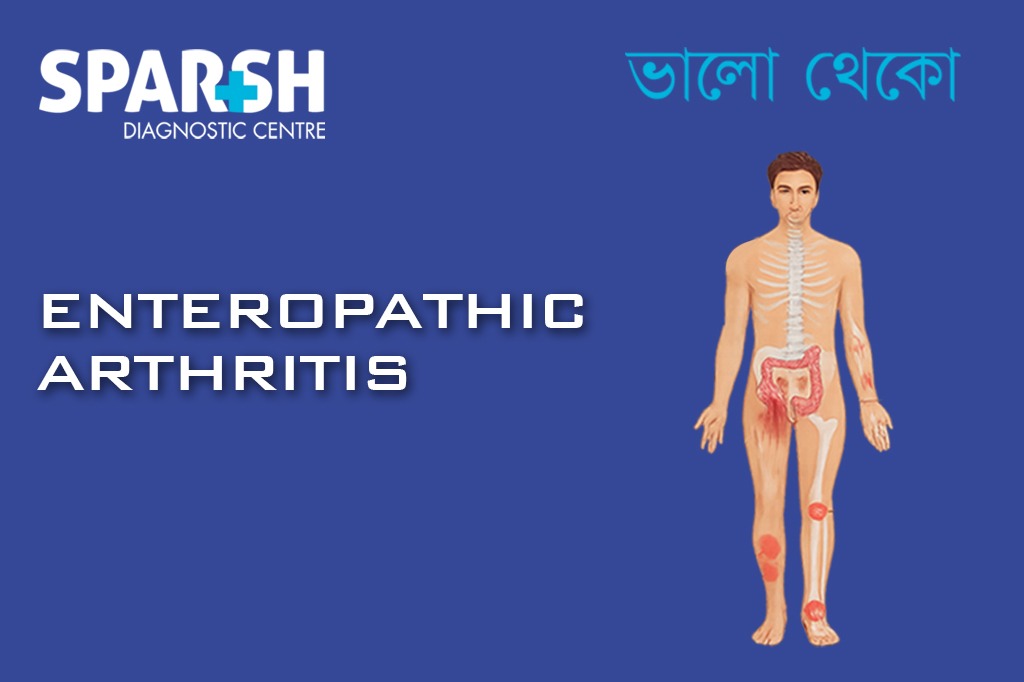
Joint pain and digestive disorders may seem unrelated, but they are often closely connected. Enteropathic arthritis (EnA) is a type of inflammatory arthritis that develops in people with inflammatory bowel disease (IBD), including Crohn’s disease and ulcerative colitis. It belongs to a group of conditions known as spondyloarthritis, where inflammation affects the joints, spine, and areas where tendons attach to bones.
For many people, joint pain can be just as troublesome as bowel symptoms. Sometimes, arthritis develops after an IBD diagnosis, while in others, it may be the very first sign that something is wrong with the digestive system.
Understanding the relationship between gut inflammation and joint disease is essential for timely diagnosis and effective treatment. In this guide, we’ll explain everything you need to know about enteropathic arthritis, including its symptoms, causes, diagnosis, treatment, prognosis, and frequently asked questions.
What Is Enteropathic Arthritis?
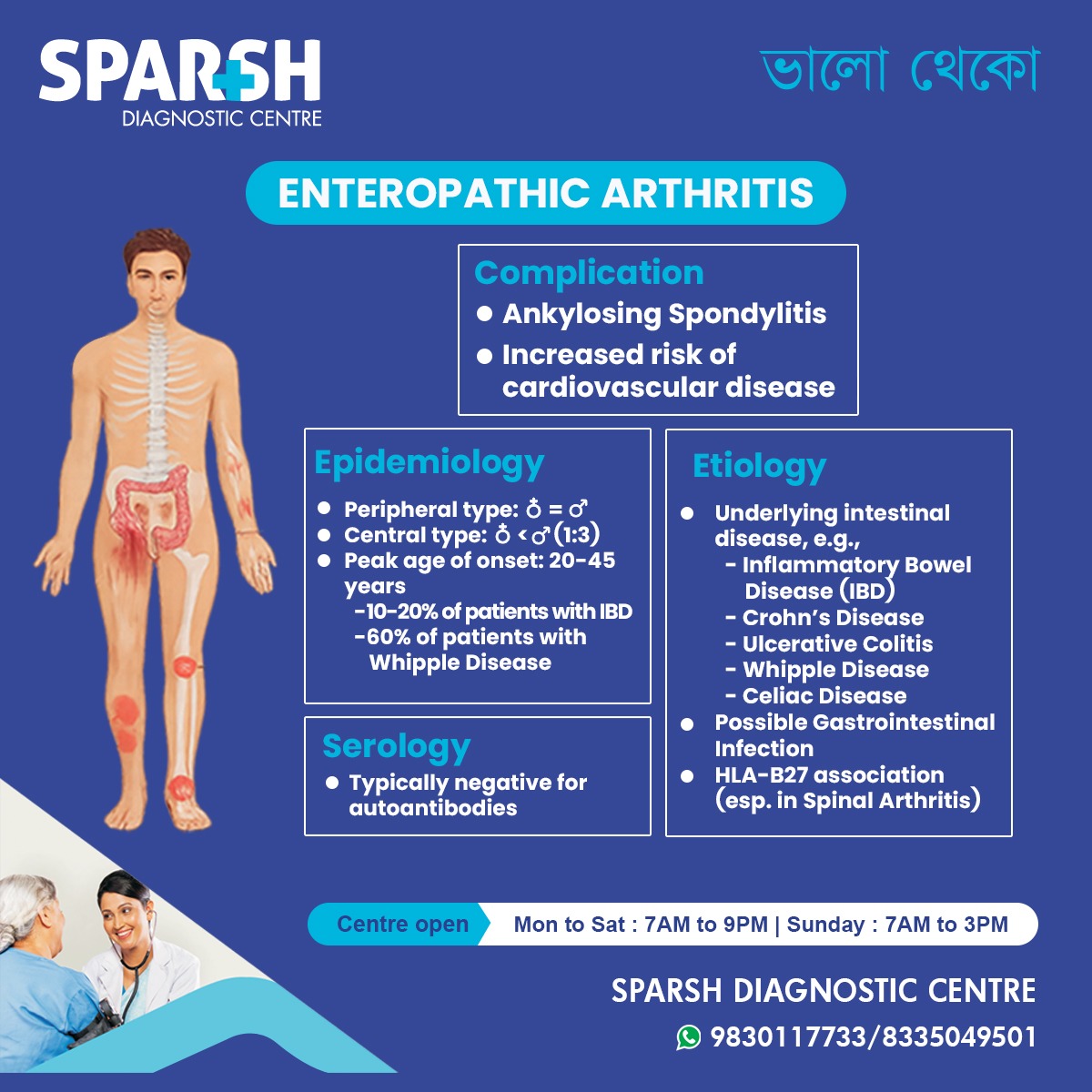
Enteropathic arthritis is an autoimmune inflammatory condition associated with chronic intestinal diseases. Approximately 10–20% of people with inflammatory bowel disease develop some form of arthritis during their lifetime.
Unlike osteoarthritis, which develops because of wear and tear, enteropathic arthritis occurs because the immune system mistakenly attacks healthy joints while responding to inflammation in the intestines.
The condition mainly affects:
- Knees
- Ankles
- Wrists
- Elbows
- Hips
- Spine
- Sacroiliac joints (where the spine meets the pelvis)
The severity of joint symptoms varies from person to person.
Types of Enteropathic Arthritis
Doctors generally classify enteropathic arthritis into two main categories.
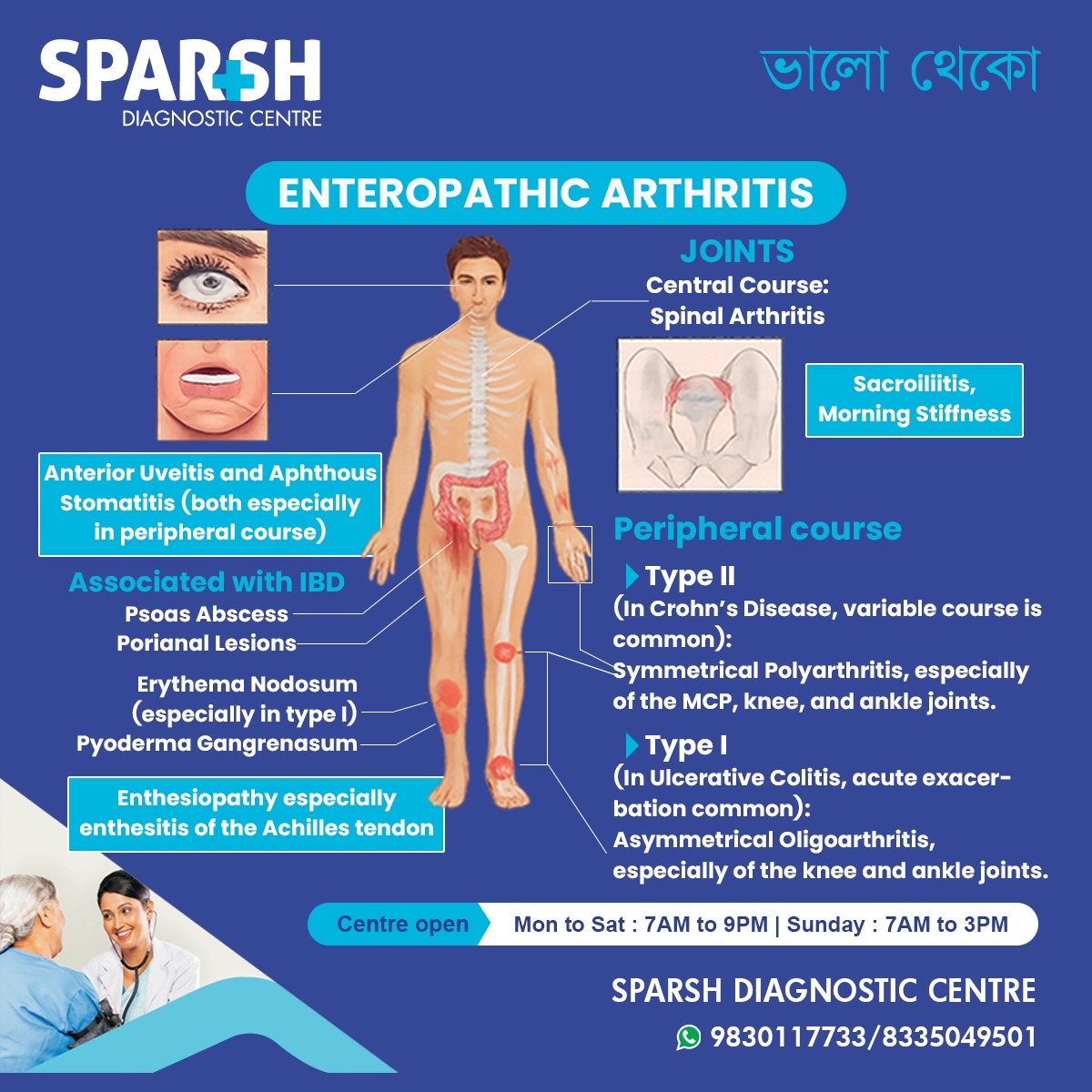
1. Peripheral Enteropathic Arthritis
This type affects the joints of the arms and legs.
There are two subtypes:
Type 1 Peripheral Arthritis
- Usually affects fewer than five joints
- Commonly involves knees and ankles
- Often flares alongside active bowel disease
- Symptoms improve when IBD is controlled
Type 2 Peripheral Arthritis
- Affects five or more joints
- Often involves hands, wrists, knees, and ankles
- May continue even when bowel symptoms are well controlled
- Can persist for months or years
2. Axial Enteropathic Arthritis
This affects the:
- Spine
- Lower back
- Sacroiliac joints
Symptoms often resemble ankylosing spondylitis and may occur independently of bowel disease activity.
What Causes Enteropathic Arthritis?
The exact cause remains unknown, but researchers believe several factors contribute.
Immune System Dysfunction
The immune system mistakenly attacks both intestinal tissues and joints.
Genetic Factors
Many patients carry the HLA-B27 gene, particularly those with spinal involvement.
Chronic Gut Inflammation
Persistent inflammation in Crohn’s disease or ulcerative colitis can trigger inflammatory responses throughout the body.
Altered Gut Microbiome
Changes in intestinal bacteria may stimulate immune reactions that affect the joints.
Environmental Triggers
Certain infections or lifestyle factors may activate inflammation in genetically susceptible individuals.
Who Is at Risk?
Risk factors include:
- Crohn’s disease
- Ulcerative colitis
- Family history of autoimmune diseases
- HLA-B27 positivity
- Age between 20 and 45 years
- Long-standing inflammatory bowel disease
What Are the Symptoms of Enteropathic Arthritis?
The symptoms vary depending on whether peripheral joints or the spine are involved.
Joint Symptoms
Common symptoms include:
- Painful joints
- Swollen joints
- Morning stiffness lasting over 30 minutes
- Warmth around affected joints
- Reduced flexibility
- Difficulty walking
- Limited movement
- Joint tenderness
Peripheral arthritis usually affects:
- Knees
- Ankles
- Feet
- Wrists
- Elbows
Axial arthritis commonly causes:
- Persistent lower back pain
- Buttock pain
- Neck stiffness
- Reduced spinal mobility
- Pain that improves with exercise but worsens after rest
Enthesitis
Inflammation where tendons attach to bones.
Common sites include:
- Achilles tendon
- Heel
- Bottom of the foot
- Kneecap
Dactylitis
Sometimes entire fingers or toes become swollen, creating a “sausage digit.”
Eye Symptoms
Some patients develop:
- Red eyes
- Eye pain
- Blurred vision
- Light sensitivity
These symptoms may indicate uveitis, which requires urgent treatment.
Skin Symptoms
Associated skin conditions include:
- Erythema nodosum
- Pyoderma gangrenosum
Digestive Symptoms
Most patients also experience IBD symptoms:
- Diarrhea
- Bloody stools
- Abdominal pain
- Weight loss
- Fatigue
- Loss of appetite
Can Joint Pain Be the First Sign of IBD?
Yes.
For some people, joint pain appears months or even years before digestive symptoms become obvious.
A person may initially visit a rheumatologist for unexplained arthritis before later being diagnosed with Crohn’s disease or ulcerative colitis.
If persistent joint pain occurs alongside:
- Chronic diarrhea
- Blood in stool
- Abdominal pain
- Weight loss
evaluation for inflammatory bowel disease should be considered.
How Painful Is Enteropathic Arthritis?
Pain levels vary widely.
Some people experience mild discomfort only during disease flare-ups, while others have severe, persistent pain that affects daily activities.
Pain often involves:
- Deep aching joints
- Morning stiffness
- Difficulty climbing stairs
- Pain while standing
- Lower back discomfort
- Fatigue from chronic inflammation
Spinal involvement can become particularly disabling without treatment.
Fortunately, early diagnosis and modern medications significantly reduce pain and improve mobility.
How Is Enteropathic Arthritis diagnosed?
There is no single test that confirms enteropathic arthritis.
Doctors combine several approaches.
Medical History
Your doctor will ask about:
- Joint pain
- Digestive symptoms
- Family history
- Previous autoimmune diseases
Physical Examination
The doctor checks:
- Swollen joints
- Spine flexibility
- Sacroiliac tenderness
- Enthesitis
- Range of motion
Blood Tests
Common investigations include:
- C-reactive protein (CRP)
- ESR (Erythrocyte Sedimentation Rate)
- Complete blood count
- HLA-B27 testing
- Liver and kidney function tests
Unlike rheumatoid arthritis, rheumatoid factor (RF) and anti-CCP antibodies are usually negative.
Imaging
Imaging studies may include:
MRI detects early inflammation before X-rays become abnormal.
Gastrointestinal Evaluation
If IBD hasn’t already been diagnosed, doctors may recommend:
- Colonoscopy
- Stool tests
- Intestinal biopsies
What Is the Treatment for Arthritis Symptoms?
Treatment focuses on reducing inflammation, relieving pain, protecting joints, and controlling bowel disease.
Physical Therapy
Exercise helps:
- Improve flexibility
- Maintain posture
- Reduce stiffness
- Strengthen muscles
Regular low-impact exercise includes:
- Walking
- Swimming
- Cycling
- Stretching
- Yoga
Pain Relief
Doctors may recommend:
- Acetaminophen
- Carefully selected NSAIDs (only when appropriate, as some can worsen IBD)
Corticosteroids
Steroid injections into affected joints may quickly reduce inflammation.
Short courses of oral steroids may also be prescribed during severe flare-ups.
Disease-Modifying Anti-Rheumatic Drugs (DMARDs)
These medications help reduce immune activity.
Examples include:
- Sulfasalazine
- Methotrexate (selected cases)
Biologic Therapy
Biologic medicines have dramatically improved treatment.
Common options include:
- Anti-TNF medications
- Ustekinumab
- Vedolizumab (primarily for IBD)
- IL-23 inhibitors in selected patients
These drugs often improve both bowel disease and arthritis simultaneously.
Lifestyle Changes
Healthy habits support treatment.
Recommendations include:
- Quit smoking
- Maintain healthy weight
- Balanced anti-inflammatory diet
- Regular exercise
- Good sleep
- Stress management
How Do You Treat Enteropathic Arthritis?
Treatment usually involves a combination of specialists, including a gastroenterologist and a rheumatologist.
The overall treatment plan may include:
- Controlling inflammatory bowel disease
- Reducing joint inflammation
- Maintaining joint mobility
- Preventing permanent damage
- Monitoring medication side effects
- Regular follow-up appointments
Because enteropathic arthritis is an immune-mediated condition, treatment often needs to be individualized based on disease severity and which joints are affected.
Will My Joint Symptoms Get Better If My IBD Is Treated?
Often, yes—but not always.
Peripheral arthritis, especially Type 1, usually improves as bowel inflammation comes under control.
However:
- Type 2 peripheral arthritis may continue despite improvement in digestive symptoms.
- Axial arthritis involving the spine may also persist independently of bowel disease activity.
This is why some patients require medications that specifically target joint inflammation even after their IBD is well managed.
How Long Does Enteropathic Arthritis Last?
The duration depends on the type of arthritis.
Type 1 Peripheral Arthritis
- Usually lasts several weeks to a few months.
- Often resolves when the IBD flare settles.
Type 2 Peripheral Arthritis
- May persist for years.
- Symptoms can come and go.
Axial Disease
Spinal arthritis is generally chronic and may require long-term treatment.
Early diagnosis and modern therapies greatly improve long-term outcomes.
Possible Complications
Untreated disease can lead to:
- Chronic pain
- Joint damage
- Reduced mobility
- Ankylosing spondylitis
- Osteoporosis
- Eye inflammation
- Reduced quality of life
Prompt treatment helps prevent many of these complications.
Living Well with Enteropathic Arthritis
Although there is currently no permanent cure, many people lead active and fulfilling lives.
Helpful strategies include:
- Follow your medication plan.
- Stay physically active.
- Avoid smoking.
- Eat a nutritious, balanced diet.
- Maintain a healthy weight.
- Attend regular medical reviews.
- Report new eye symptoms immediately.
- Work closely with both your gastroenterologist and rheumatologist.
Enteropathic Arthritis vs Rheumatoid Arthritis
Many people confuse these conditions because both involve joint inflammation. However, they differ significantly.
| Feature | Enteropathic Arthritis | Rheumatoid Arthritis |
|---|---|---|
| Associated disease | Inflammatory bowel disease | Autoimmune arthritis |
| Joint pattern | Often asymmetrical | Usually symmetrical |
| Spine involvement | Common | Less common (except neck) |
| Rheumatoid factor | Usually negative | Often positive |
| Anti-CCP antibodies | Usually negative | Frequently positive |
| Bowel disease | Present | Usually absent |
| HLA-B27 | May be positive | Not typically associated |
| Treatment focus | Control IBD and arthritis | Control autoimmune joint inflammation |
Prognosis
Most patients respond well to modern treatment.
With early diagnosis and coordinated care:
- Pain improves significantly.
- Joint function is preserved.
- Disease progression slows.
- Quality of life improves.
- Many people continue working and living active lifestyles.
Frequently Asked Questions (FAQs)
1. What are the symptoms of enteropathic arthritis?
Symptoms include joint pain, swelling, morning stiffness, lower back pain, sacroiliac pain, tendon inflammation, fatigue, and reduced joint movement. Some people also experience eye inflammation, skin conditions, and digestive symptoms related to inflammatory bowel disease.
2. What is the treatment for arthritis symptoms?
Treatment depends on severity but may include physical therapy, pain-relieving medications, corticosteroid injections, DMARDs, biologic therapies, regular exercise, weight management, and treatment of the underlying bowel disease.
3. How long does enteropathic arthritis last?
Type 1 peripheral arthritis often lasts weeks to months and improves with IBD treatment. Type 2 peripheral arthritis and spinal disease may persist for years and require ongoing management.
4. How do you treat enteropathic arthritis?
Treatment involves controlling intestinal inflammation, reducing joint inflammation, maintaining mobility through exercise and physiotherapy, and using medications such as DMARDs or biologic therapies when appropriate.
5. How painful is enteropathic arthritis?
Pain ranges from mild to severe. Some individuals experience occasional discomfort during IBD flare-ups, while others have chronic pain, stiffness, and reduced mobility. Early treatment can significantly reduce symptoms.
6. What is the difference between EnA and rheumatoid arthritis?
Enteropathic arthritis is associated with inflammatory bowel disease and often affects the spine and lower limbs. Rheumatoid arthritis primarily affects the small joints symmetrically and is commonly associated with positive rheumatoid factor and anti-CCP antibodies.
7. Can joint pain be the first sign of IBD?
Yes. In some people, joint pain develops before digestive symptoms, making arthritis one of the earliest signs of inflammatory bowel disease.
8. Will my joint symptoms get better if my IBD is treated?
Many patients—especially those with Type 1 peripheral arthritis—experience improvement as bowel inflammation is controlled. However, spinal arthritis and Type 2 peripheral arthritis may require additional treatment even when IBD is in remission.
9. Is enteropathic arthritis curable?
There is no cure, but medications and lifestyle changes can effectively control inflammation, relieve symptoms, and help prevent long-term joint damage.
10. Can exercise help?
Yes. Regular low-impact activities such as walking, swimming, stretching, and yoga can reduce stiffness, improve flexibility, and support overall joint health when performed under medical guidance.
Enteropathic arthritis is more than just joint pain—it is a complex inflammatory condition closely linked to inflammatory bowel disease. Because symptoms can involve the joints, spine, eyes, skin, and digestive tract, early recognition is essential. Fortunately, advances in medical therapy mean that most people can achieve good symptom control and maintain an active lifestyle. If you have persistent joint pain along with bowel symptoms, consult a healthcare professional promptly. Timely diagnosis, appropriate treatment, and coordinated care between a rheumatologist and gastroenterologist can make a significant difference in long-term health and quality of life.
To consult a Doctor or get full body check-up done at Sparsh Diagnostic Centre, call our helpline numbers 9830117733/ 8335049501.
#BhaloTheko
Disclaimer:
No content on this site, regardless of date, should ever be used as a substitute for direct medical advice from your doctor or other qualified clinician.