


Traumatic Brain Injury (TBI) is a serious medical condition that occurs when a sudden injury or impact disrupts normal brain function. It can range from a mild concussion to a severe, life-threatening brain injury. TBIs are a major cause of disability and death worldwide, especially following road traffic accidents, falls, sports injuries, and physical assaults.
Understanding traumatic brain injury symptoms, causes, and treatment options is essential for early diagnosis and better outcomes. This article provides a comprehensive overview of TBI, including warning signs, diagnostic tests, management strategies, and long-term recovery.
What Is Traumatic Brain Injury?
Traumatic Brain Injury is caused by an external mechanical force that damages the brain. This can happen due to a blow, bump, jolt, or penetrating injury to the head. TBIs are broadly classified based on severity:
Mild Traumatic Brain Injury (Concussion)
Moderate Traumatic Brain Injury
Severe Traumatic Brain Injury
Even mild TBIs can have lasting effects if not diagnosed and managed properly.
Common Causes of Traumatic Brain Injury
TBI can occur at any age and in various situations. The most common causes include:
1. Road Traffic Accidents
Motor vehicle crashes are the leading cause of moderate and severe TBI, particularly in young adults.
2. Falls
Falls are the most common cause of TBI in children and older adults, especially due to slips, stairs, or bathroom accidents.
3. Sports and Recreational Injuries
Contact sports such as football, boxing, hockey, and cricket can lead to concussions and repeated head trauma.
4. Physical Assaults
Blunt force trauma, domestic violence, or firearm injuries can cause severe brain damage.
5. Workplace Accidents
Construction sites and industrial settings carry a high risk of head injuries without proper safety equipment.
Types of Traumatic Brain Injury
Traumatic brain injuries can also be classified based on the type of damage:
Concussion – Temporary loss of brain function
Contusion – Bruising of brain tissue
Diffuse Axonal Injury – Widespread damage to nerve fibers
Hematoma – Blood clot inside the brain (epidural, subdural, or intracerebral)
Penetrating Brain Injury – Object breaks through the skull into the brain
Symptoms of Traumatic Brain Injury
Symptoms of TBI vary depending on the severity of the injury and may appear immediately or develop over time.
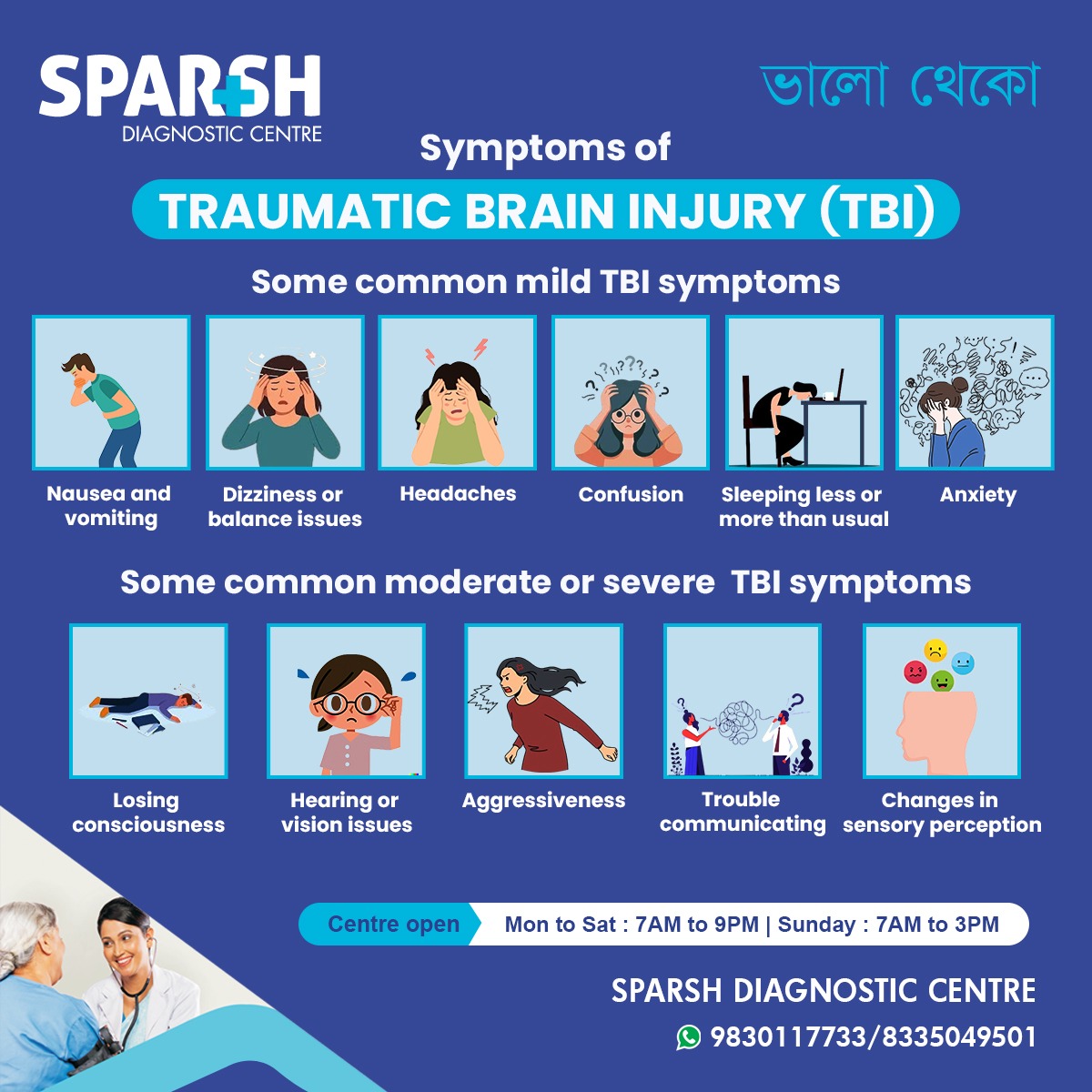
Mild Traumatic Brain Injury Symptoms
Mild TBI, often referred to as a concussion, may seem minor but should never be ignored.
Common symptoms include:
Dizziness or balance problems
Confusion or disorientation
Difficulty concentrating
Anxiety or mood changes
Sleeping more or less than usual
Sensitivity to light or noise
Many people recover fully from mild TBI, but symptoms can persist for weeks or months (post-concussion syndrome).
Moderate to Severe Traumatic Brain Injury Symptoms
More serious TBIs cause significant neurological impairment and require urgent medical attention.
Symptoms may include:
Loss of consciousness (minutes to hours)
Persistent or worsening headache
Repeated vomiting
Slurred speech
Weakness or numbness in limbs
Vision or hearing problems
Aggressive or unusual behavior
Trouble speaking or understanding language
Changes in sensory perception
Memory loss
Coma or unresponsiveness
When to Seek Emergency Care
Seek immediate medical attention if a person experiences:
Loss of consciousness
Severe headache after a head injury
Unequal pupil size
Fluid or blood leaking from the nose or ears
Confusion that worsens
Difficulty waking up
Early intervention can prevent permanent brain damage or death.
Diagnosis of Traumatic Brain Injury
Accurate diagnosis is crucial for determining the severity of TBI and planning treatment.
1. Clinical Evaluation
Doctors assess consciousness, memory, reflexes, coordination, and neurological function using the Glasgow Coma Scale (GCS).
2. Imaging Tests
CT Scan
A CT scan is the first-line imaging test to detect bleeding, skull fractures, and swelling.
MRI Scan
MRI provides detailed images of brain tissue and is useful for detecting diffuse axonal injury or subtle damage.
3. Neuropsychological Testing
These tests evaluate memory, attention, problem-solving, and emotional functioning.
Treatment of Traumatic Brain Injury
Treatment depends on the severity and type of injury.
Treatment for Mild Traumatic Brain Injury
Physical and cognitive rest
Pain management
Avoiding alcohol and strenuous activity
Gradual return to work or sports
Monitoring symptoms closely
Most mild TBIs recover within weeks, but follow-up is essential.
Treatment for Moderate to Severe Traumatic Brain Injury
Severe TBI often requires hospitalization and intensive care.
Medical Management
Oxygen therapy
Medications to reduce brain swelling
Anti-seizure drugs
Sedatives or pain relievers
Surgical Treatment
Surgery may be needed to:
Remove blood clots
Repair skull fractures
Relieve intracranial pressure
Remove damaged brain tissue
Rehabilitation After Traumatic Brain Injury
Rehabilitation is a vital part of recovery and may continue for months or years.
Rehabilitation programs may include:
Physical therapy – Improves strength and mobility
Occupational therapy – Helps regain daily living skills
Speech and language therapy – Improves communication and swallowing
Cognitive therapy – Enhances memory, attention, and problem-solving
Psychological counseling – Manages emotional and behavioral changes
Long-Term Effects of Traumatic Brain Injury
Some individuals experience long-term complications such as:
Chronic headaches
Memory and concentration problems
Personality changes
Depression or anxiety
Sleep disorders
Early diagnosis and continuous care significantly improve quality of life.
Preventing Traumatic Brain Injury
While not all TBIs are preventable, risk can be reduced by:
Wearing helmets during sports and riding two-wheelers
Using seat belts and child safety seats
Preventing falls at home (handrails, non-slip mats)
Using protective equipment at work
Avoiding alcohol while driving
Traumatic Brain Injury in Children and Elderly
Children may show symptoms like irritability, excessive crying, or changes in eating habits. Older adults are more prone to falls and may experience delayed symptoms. In both groups, prompt evaluation is critical.
Frequently Asked Questions (FAQs)
What is the most common cause of traumatic brain injury?
Road traffic accidents and falls are the most common causes of TBI worldwide.
Can mild traumatic brain injury be serious?
Yes. Even mild TBI can lead to long-term symptoms if untreated or repeated.
How long does it take to recover from TBI?
Recovery time varies. Mild TBI may resolve in weeks, while severe TBI can take months or years.
Can a CT scan detect all brain injuries?
CT scans detect bleeding and fractures, but MRI is better for subtle or diffuse brain injuries.
Is traumatic brain injury permanent?
Some TBIs cause permanent damage, but many patients recover partially or fully with proper treatment and rehabilitation.
Can TBI symptoms appear later?
Yes. Symptoms may develop days or weeks after the injury, especially in moderate cases.
What are the early warning signs of severe TBI?
Loss of consciousness, seizures, worsening headache, confusion, and repeated vomiting are red flags.
Traumatic Brain Injury is a complex and potentially life-altering condition that requires timely diagnosis, appropriate treatment, and long-term care. Whether mild or severe, no head injury should be ignored. Awareness of symptoms and early medical evaluation can save lives and prevent permanent disability.
If you or a loved one has experienced a head injury, consulting a qualified healthcare provider and undergoing appropriate imaging tests is essential for accurate diagnosis and recovery planning.
To consult a Neurologist at Sparsh Diagnostic Centre, call our helpline number 9830117733.
#BhaloTheko
Disclaimer:
No content on this site, regardless of date, should ever be used as a substitute for direct medical advice from your doctor or other qualified clinician.
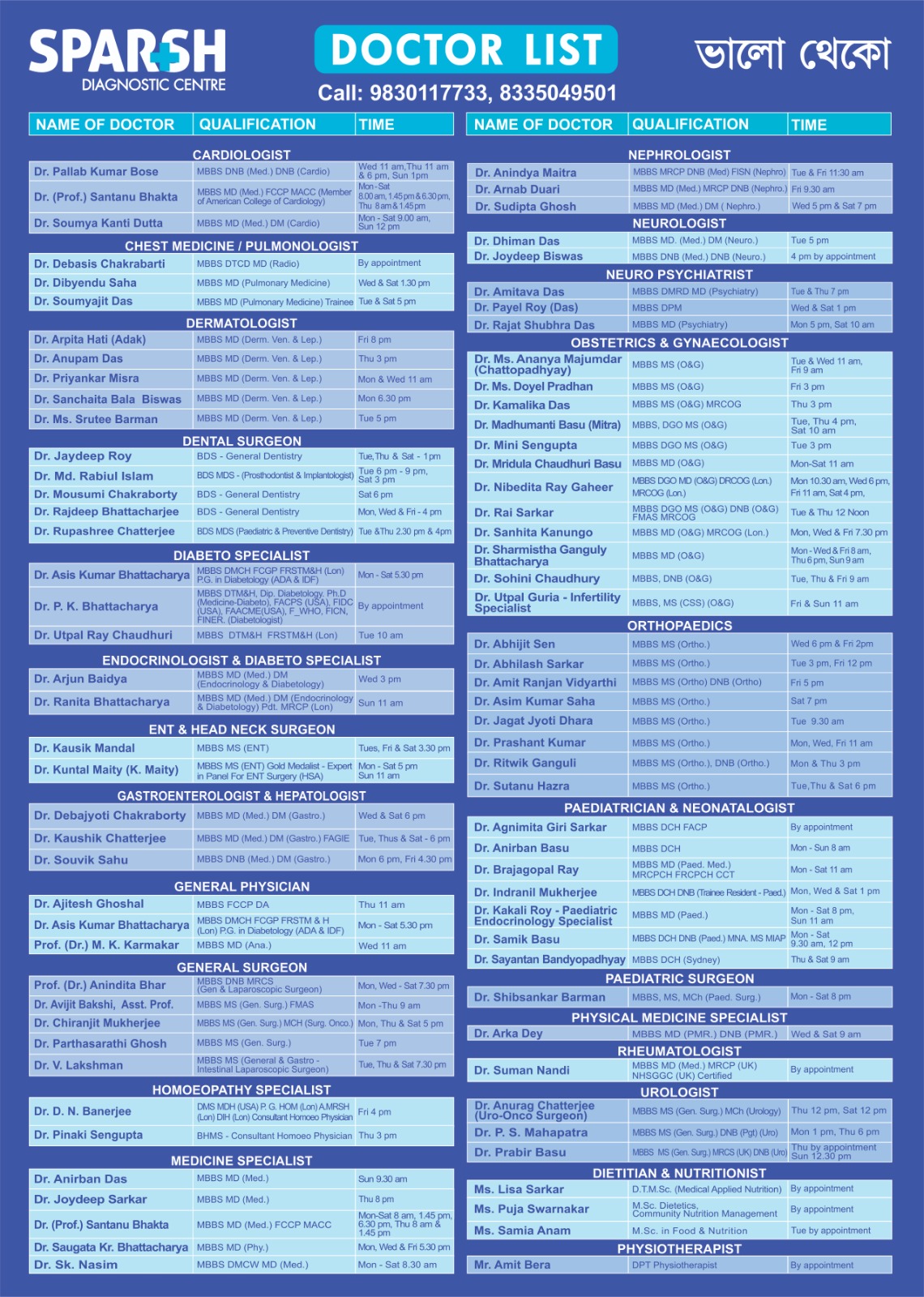
Sparsh Diagnostic Centre Doctor List


[…] harmful habits. Smoking, excessive alcohol use, exposure to pollutants or traumatic brain injury may raise […]