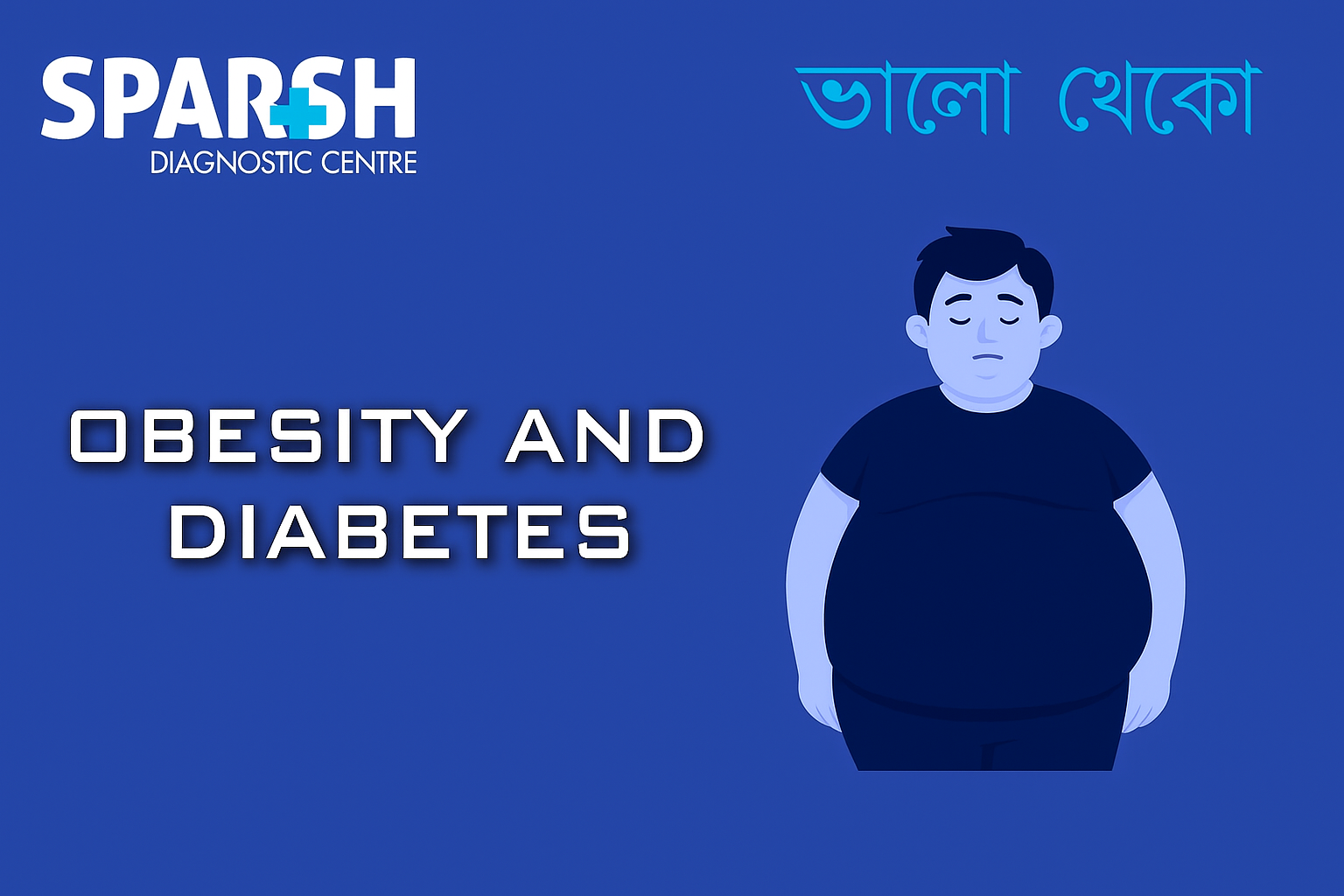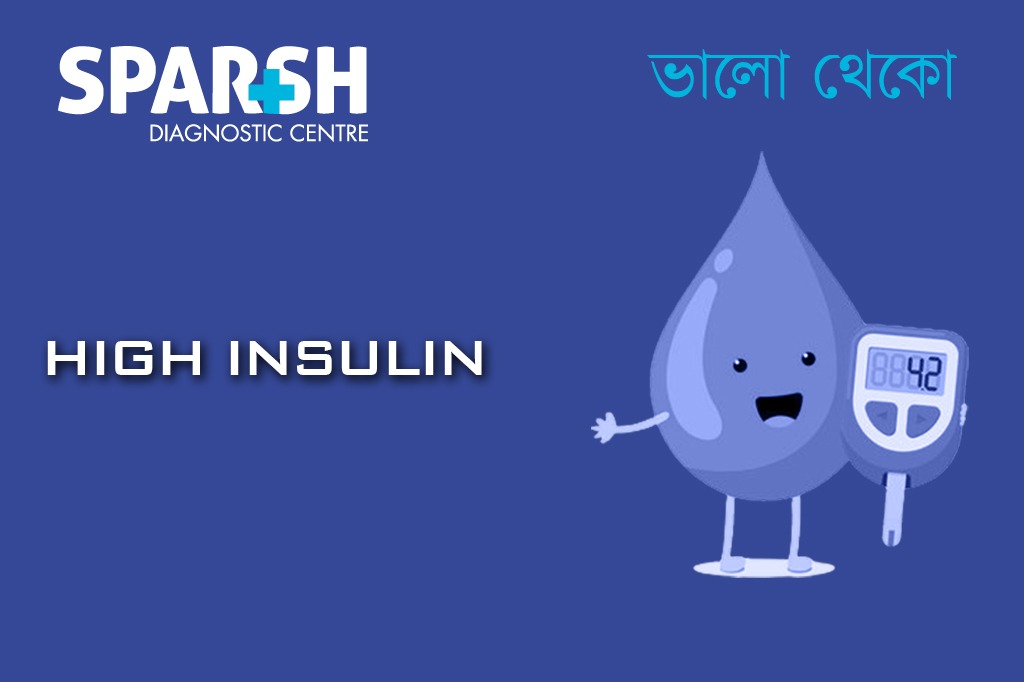
Insulin is a hormone that quietly works behind the scenes every day to keep your blood sugar levels in balance. Produced by the pancreas, it helps move glucose (sugar) from your bloodstream into your body’s cells, where it is used for energy. However, when your body produces too much insulin, it can become a warning sign that something isn’t working as it should.
High insulin levels, also known as hyperinsulinemia, often develop long before blood sugar rises high enough to be diagnosed as diabetes. In fact, many people have elevated insulin for years without realizing it because the symptoms can be subtle or mistaken for everyday fatigue, stress, or weight gain.
Recognizing the signs your insulin is too high can help you take action early. Lifestyle changes, healthy eating, regular exercise, and timely medical advice can often prevent insulin resistance from progressing to prediabetes or type 2 diabetes.
In this guide, we’ll explain what high insulin means, why it happens, the early warning signs to watch for, and practical ways to manage insulin levels naturally.
What Does It Mean When Your Insulin is High?
When your insulin levels are high, it usually means your pancreas is producing extra insulin to keep your blood sugar within a normal range. This commonly happens because your body’s cells have become less responsive to insulin, a condition known as insulin resistance.
Think of insulin as a key that unlocks your cells so glucose can enter. In insulin resistance, the “locks” become harder to open. To compensate, your pancreas releases more insulin. Initially, this keeps blood sugar normal, but over time the pancreas may struggle to keep up, increasing the risk of prediabetes and type 2 diabetes.
High insulin is also associated with several metabolic conditions, including:
- Insulin resistance
- Prediabetes
- Type 2 diabetes
- Obesity
- Polycystic Ovary Syndrome (PCOS)
- Metabolic syndrome
- MASLD (Metabolic Dysfunction-Associated Steatotic Liver Disease)
Because hyperinsulinemia often develops silently, many people don’t know they have it until routine blood tests or health screenings reveal the problem.
What Causes High Insulin Levels?
Several lifestyle, hormonal, and medical factors can contribute to elevated insulin levels.
1. Insulin Resistance
This is by far the most common cause. Excess body fat, particularly around the abdomen, makes the body’s cells less responsive to insulin. As resistance increases, the pancreas compensates by producing more insulin.
2. Eating Too Many Refined Carbohydrates
Regularly consuming sugary drinks, sweets, white bread, pastries, and processed snacks causes repeated spikes in blood sugar. Your pancreas responds by releasing large amounts of insulin, and over time this can contribute to insulin resistance.
3. Being Overweight or Obese
Excess fat tissue—especially visceral fat around the organs—releases inflammatory substances that interfere with insulin’s ability to work properly.
4. Lack of Physical Activity
Muscles use glucose for energy. A sedentary lifestyle reduces glucose uptake by muscles, making the body rely on higher insulin levels to maintain normal blood sugar.
5. Polycystic Ovary Syndrome (PCOS)
Many women with PCOS have insulin resistance, even if they are not overweight. Elevated insulin levels can worsen hormonal imbalance and contribute to irregular periods, acne, and difficulty conceiving.
6. Genetics
A family history of diabetes or metabolic syndrome increases the likelihood of developing insulin resistance and high insulin levels.
7. Chronic Stress and Poor Sleep
Stress hormones such as cortisol can interfere with insulin sensitivity. Similarly, poor sleep quality and sleep deprivation are linked to increased insulin resistance and higher blood sugar levels.
Signs Your Insulin is Too High
High insulin doesn’t always cause obvious symptoms, especially in the early stages. However, as insulin resistance worsens, several warning signs may begin to appear.
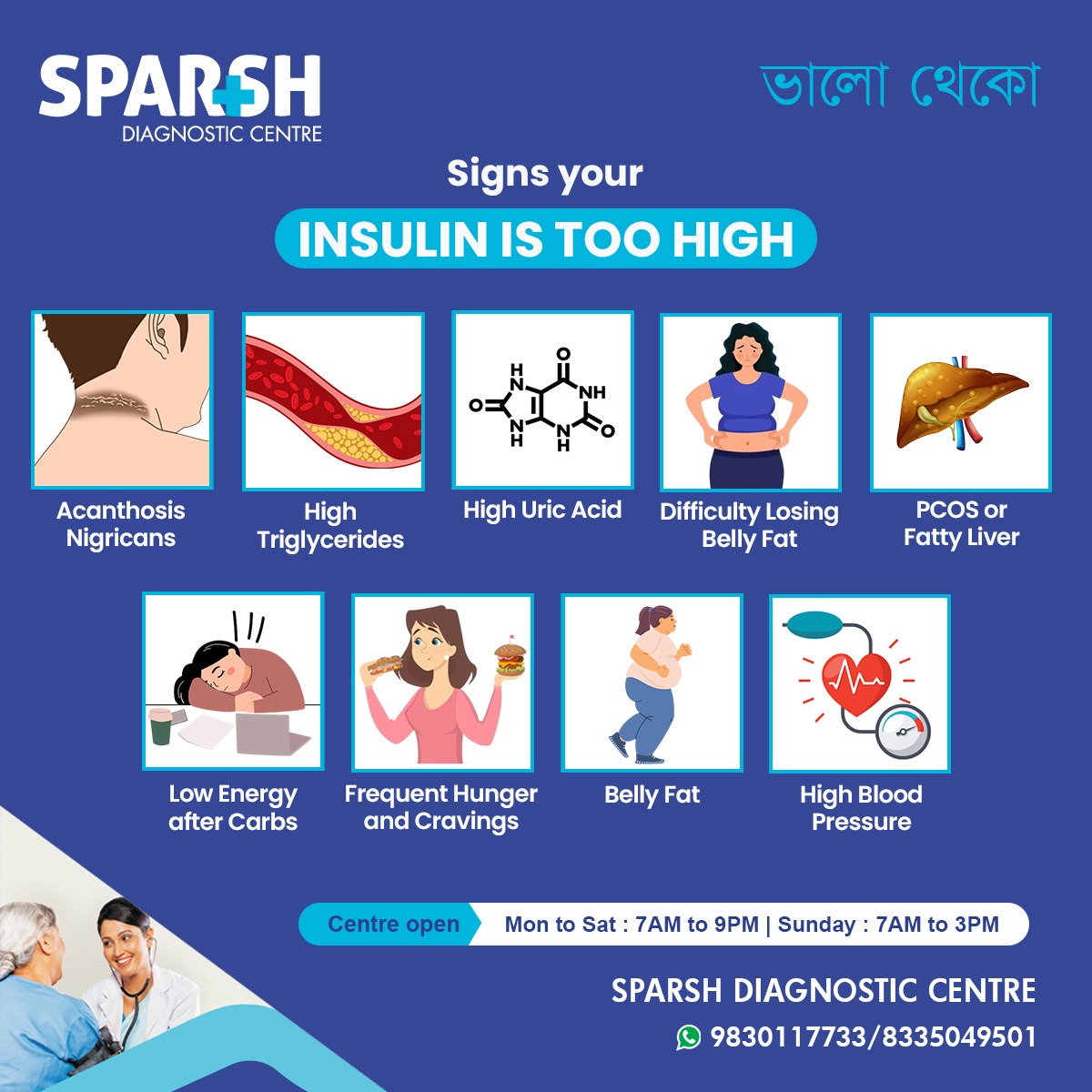
1. Difficulty Losing Belly Fat
One of the earliest and most common signs is stubborn abdominal fat that doesn’t improve despite dieting or exercising.
High insulin encourages the body to store fat rather than burn it for energy. This is why many people struggle to lose weight even when they’re making healthy lifestyle changes.
2. Frequent Hunger and Sugar Cravings
Do you feel hungry shortly after eating a meal?
High insulin can lower blood sugar quickly after meals, making you feel hungry again sooner than expected. This often leads to cravings for sugary foods, refined carbohydrates, or high-calorie snacks.
People with insulin resistance frequently describe feeling like they’re “always hungry,” even after eating enough food.
3. Feeling Tired After Eating Carbohydrates
If you regularly feel sleepy, sluggish, or low on energy after eating rice, bread, pasta, sweets, or other carbohydrate-rich meals, high insulin could be contributing.
The rapid rise and fall of blood sugar after a meal can leave you feeling drained instead of energized.
4. Acanthosis Nigricans
One of the most recognizable physical signs of insulin resistance is acanthosis nigricans.
This condition causes:
- Dark, velvety patches of skin
- Thickened skin texture
- Commonly affects the neck, armpits, elbows, knuckles, and groin
Although harmless by itself, acanthosis nigricans often signals significant insulin resistance and should not be ignored.
5. High Triglycerides
High insulin levels often occur alongside abnormal cholesterol levels.
People with insulin resistance frequently have:
- Elevated triglycerides
- Low HDL (“good”) cholesterol
- Increased risk of heart disease
Your doctor may detect these abnormalities during routine lipid profile testing before diabetes develops.
6. High Uric Acid Levels
Research has shown that hyperinsulinemia can reduce the kidneys’ ability to eliminate uric acid.
As a result, some people develop:
- High uric acid levels
- Gout
- Kidney stone risk
While not everyone with elevated insulin experiences these issues, they commonly occur together as part of metabolic syndrome.
More Symptoms of High Insulin You Shouldn’t Ignore
While many people associate high insulin with weight gain, the condition affects much more than your waistline. Persistently elevated insulin can influence your liver, heart, hormones, and overall metabolism. Here are some additional signs that may indicate your insulin levels are higher than they should be.
7. Fatty Liver Disease
Non-alcoholic fatty liver disease (NAFLD) is one of the most common complications of insulin resistance.
When insulin remains elevated, the liver converts excess glucose into fat. Over time, this fat accumulates in the liver, even in people who drink little or no alcohol.
Early fatty liver disease often causes no symptoms, but some people may notice:
- Persistent tiredness
- A feeling of fullness or discomfort in the upper right abdomen
- Mildly abnormal liver function tests
Because fatty liver is reversible in its early stages, identifying and treating high insulin can significantly improve liver health.
8. High Blood Pressure
High insulin levels can affect blood vessels and the kidneys, making it easier for the body to retain sodium and water. This contributes to elevated blood pressure.
Many people with insulin resistance develop:
- High blood pressure
- Elevated cholesterol
- Increased waist circumference
- High triglycerides
Together, these conditions are known as metabolic syndrome, which significantly increases the risk of heart disease and stroke.
9. Polycystic Ovary Syndrome (PCOS)
For women, high insulin is one of the leading contributors to PCOS.
Excess insulin stimulates the ovaries to produce more male hormones (androgens), which can lead to:
- Irregular or absent menstrual periods
- Difficulty becoming pregnant
- Excess facial or body hair
- Acne
- Weight gain, particularly around the abdomen
Managing insulin resistance often improves hormonal balance and reduces PCOS symptoms.
10. Persistent Fatigue
Many people with elevated insulin feel exhausted even after getting adequate sleep.
This happens because the body’s cells become less efficient at using glucose for energy. Instead of feeling energized after meals, people often experience:
- Brain fog
- Afternoon energy crashes
- Poor concentration
- Reduced productivity
If fatigue occurs regularly alongside weight gain or sugar cravings, it’s worth discussing insulin resistance with your healthcare provider.
How Do You Feel If Insulin Is High?
The symptoms vary from person to person, but many people describe a combination of the following:
- Constant hunger despite eating enough
- Intense cravings for sugary or carbohydrate-rich foods
- Feeling sleepy after meals
- Difficulty losing weight
- Low energy throughout the day
- Increased belly fat
- Mental fogginess
- Mood swings and irritability
- Increased thirst in some cases
- Dark patches of skin around the neck or underarms
It’s important to remember that high insulin doesn’t always produce obvious symptoms. Some people feel perfectly healthy until routine blood tests reveal insulin resistance or prediabetes.
What Are the Symptoms of Too Much Insulin?
Persistently high insulin levels may cause or contribute to:
- Weight gain, especially around the abdomen
- Frequent hunger
- Sugar cravings
- Low energy
- Fatigue after meals
- High blood pressure
- High triglycerides
- Darkened skin folds (acanthosis nigricans)
- Fatty liver
- Elevated uric acid
- Hormonal imbalance
- Difficulty concentrating
- Increased risk of prediabetes and type 2 diabetes
If these symptoms are persistent, your doctor may recommend tests such as fasting insulin, fasting blood glucose, HbA1c, or an oral glucose tolerance test to evaluate your metabolic health.
What Foods Cause Too Much Insulin?
Certain foods trigger a rapid rise in blood sugar, forcing the pancreas to release large amounts of insulin.
Common culprits include:
- Sugary soft drinks
- Fruit juices with added sugar
- Candy and chocolates
- Cakes and pastries
- Cookies and biscuits
- White bread
- White rice in large portions
- Breakfast cereals high in sugar
- Sweetened yogurt
- Ice cream
- French fries
- Fast food
- Packaged snacks
- Sugary coffee drinks
Eating these foods occasionally is unlikely to cause problems for most healthy people. However, consuming them regularly can contribute to insulin resistance over time.
What Foods Spike Insulin?
Foods with a high glycaemic index (GI) are more likely to cause rapid insulin release.
These include:
- White bread
- White rice
- Potatoes
- Refined flour products
- Sugary desserts
- Sweetened beverages
- Processed breakfast cereals
- Candy
- Doughnuts
- Sweet bakery products
Interestingly, some highly processed foods can produce a significant insulin response even when they are not extremely high in sugar.
Combining carbohydrates with protein, fibre, and healthy fats can help slow digestion and reduce sharp insulin spikes.
What Should You Avoid When Insulin Is High?
If you have insulin resistance or elevated insulin levels, limiting certain foods can make a meaningful difference.
Try to reduce:
- Sugary beverages
- Refined carbohydrates
- White flour products
- Processed snacks
- Excess sweets
- Trans fats
- Deep-fried foods
- Highly processed fast food
- Large portions of refined grains
- Excessive alcohol consumption
Avoiding smoking and managing chronic stress are equally important, as both can worsen insulin resistance and increase the risk of cardiovascular disease.
Which Foods Keep Insulin Down?
A balanced diet that includes fibre, lean protein, and healthy fats can help improve insulin sensitivity over time.
Some of the best choices include:
High-Fibre Vegetables
- Broccoli
- Spinach
- Cauliflower
- Cabbage
- Cucumber
- Bell peppers
- Green beans
Lean Protein
- Fish
- Skinless chicken
- Eggs
- Lentils
- Chickpeas
- Tofu
- Paneer (in moderation)
Healthy Fats
- Nuts
- Seeds
- Avocados
- Olive oil
Low-Glycaemic Fruits
- Apples
- Berries
- Pears
- Guava
- Oranges
Whole Grains
- Oats
- Barley
- Quinoa
- Brown rice (in moderate portions)
Meals built around these foods are digested more slowly, helping to reduce sudden rises in blood sugar and insulin while keeping you fuller for longer.
Which Foods Do Not Increase Insulin Significantly?
Although almost all foods trigger some insulin release, certain foods have a much smaller effect because they contain very little digestible carbohydrate.
Examples include:
- Leafy green vegetables
- Mushrooms
- Broccoli
- Cauliflower
- Cucumber
- Zucchini
- Tomatoes
- Eggs
- Fish
- Chicken
- Tofu
- Unsweetened Greek yogurt
- Nuts and seeds (in moderation)
- Olive oil
- Avocados
These foods can form the foundation of a balanced eating plan for people with insulin resistance. Pairing them with moderate portions of whole grains or legumes can further support healthy blood sugar control while providing essential nutrients.
How Can You Lower Your Insulin Fast?
If your insulin levels are high because of insulin resistance, there isn’t a safe “quick fix” that permanently lowers insulin overnight. However, several healthy habits can begin improving insulin sensitivity within days and have lasting benefits when practiced consistently.
Here are some of the most effective ways to lower insulin levels.
1. Reduce Refined Carbohydrates
One of the fastest ways to decrease the demand for insulin is to cut back on foods that cause rapid blood sugar spikes.
Replace refined carbohydrates such as:
- White bread
- White rice
- Sugary cereals
- Cakes and pastries
- Sweetened beverages
with healthier alternatives like:
- Whole grains
- Lentils
- Beans
- Oats
- Millets
- Fresh vegetables
This simple change helps prevent large insulin surges after meals.
2. Increase Physical Activity
Exercise makes your muscles more sensitive to insulin, allowing them to absorb glucose more efficiently.
You don’t have to spend hours at the gym. Even moderate activity can make a difference.
Aim for:
- At least 150 minutes of moderate exercise each week
- Brisk walking
- Cycling
- Swimming
- Strength training 2–3 times weekly
Even a 10–15 minute walk after meals can help reduce post-meal blood sugar and insulin spikes.
3. Lose Excess Weight
If you’re overweight, losing even 5–10% of your body weight can significantly improve insulin sensitivity.
The goal isn’t rapid weight loss but sustainable lifestyle changes that reduce abdominal fat over time. Belly fat is particularly associated with insulin resistance and metabolic syndrome.
4. Eat More Protein and Fibre
Meals rich in protein and fibre digest more slowly, helping you stay full longer and reducing blood sugar fluctuations.
Good choices include:
- Eggs
- Fish
- Chicken
- Lentils
- Chickpeas
- Greek yogurt
- Beans
- Leafy vegetables
- Oats
- Seeds
Combining protein with healthy fats and fibre at each meal can help stabilize energy levels and reduce cravings.
5. Prioritize Quality Sleep
Sleep deprivation can increase insulin resistance within a short period.
Adults should aim for 7–9 hours of quality sleep each night. Maintaining a consistent sleep schedule, limiting screen time before bed, and creating a relaxing bedtime routine can all support healthy hormone balance.
6. Manage Stress
Long-term stress raises cortisol, a hormone that can interfere with insulin sensitivity.
Healthy stress-management techniques include:
- Meditation
- Deep breathing exercises
- Yoga
- Spending time outdoors
- Reading
- Listening to music
- Practicing mindfulness
Reducing stress not only benefits insulin levels but also supports heart health and overall well-being.
What to Drink for High Insulin
No drink can “flush out” insulin, but choosing healthier beverages can support better blood sugar control and improve insulin sensitivity.
Good options include:
- Plain water
- Sparkling water without added sugar
- Green tea
- Black tea without sugar
- Herbal teas
- Black coffee in moderation (without excessive sugar or cream)
- Unsweetened soy milk
- Unsweetened almond milk
Staying well-hydrated also supports kidney function and overall metabolism.
Try to limit or avoid:
- Sugary soft drinks
- Sweetened fruit juices
- Energy drinks
- Sweetened iced teas
- Milkshakes
- Sweet coffee beverages
Replacing sugary drinks with water is one of the simplest changes you can make for better metabolic health.
What Is the Best Home Remedy for High Insulin?
There is no single home remedy that cures hyperinsulinemia, but several evidence-based lifestyle measures can naturally improve insulin sensitivity over time.
These include:
- Eating a balanced, high-fibre diet
- Exercising regularly
- Losing excess weight if needed
- Sleeping adequately
- Managing stress effectively
- Avoiding smoking
- Limiting alcohol intake
- Staying physically active throughout the day instead of sitting for prolonged periods
Some people also include foods rich in soluble fibre, cinnamon, flaxseeds, or fenugreek as part of a healthy diet. While these foods may have modest benefits for blood sugar control in some individuals, they should not replace medical advice or prescribed treatment.
How Can I Normalize My Insulin Levels Naturally?
Improving insulin sensitivity is a gradual process, but consistent healthy habits often lead to meaningful improvements.
To normalize insulin levels naturally:
- Eat meals rich in vegetables, lean protein, whole grains, and healthy fats.
- Limit processed foods and added sugars.
- Stay physically active every day.
- Maintain a healthy body weight.
- Avoid frequent snacking if you’re not hungry.
- Choose whole fruits instead of fruit juices.
- Get regular health check-ups, especially if you have a family history of diabetes.
- Follow your doctor’s recommendations if you have prediabetes, PCOS, or metabolic syndrome.
For some people, lifestyle changes alone are enough. Others may need medications prescribed by their healthcare provider to improve insulin sensitivity.
Can High Insulin Be Diagnosed?
Because high insulin often develops silently, laboratory testing is essential for diagnosis.
Your doctor may recommend one or more of the following tests:
Fasting Blood Glucose
Measures your blood sugar after fasting for at least eight hours. While useful, glucose levels may still be normal in the early stages of insulin resistance.
HbA1c (Glycated Hemoglobin)
This test reflects your average blood sugar over the previous two to three months and helps identify prediabetes or diabetes.
Fasting Insulin Test
Measures the amount of insulin circulating in your blood after fasting. Elevated fasting insulin may indicate insulin resistance even before blood sugar becomes abnormal.
Oral Glucose Tolerance Test (OGTT)
This test evaluates how your body processes glucose over time. It is particularly useful in diagnosing prediabetes, diabetes, and gestational diabetes.
Lipid Profile
People with high insulin frequently have:
- Elevated triglycerides
- Low HDL (“good”) cholesterol
- Sometimes increased LDL cholesterol
A lipid profile helps assess cardiovascular risk.
Liver Function Tests
Since insulin resistance is closely linked to non-alcoholic fatty liver disease, your doctor may also evaluate liver enzymes to check for early signs of liver involvement.
When Should You See a Doctor?
Don’t ignore symptoms that persist for weeks or months. Early diagnosis can help prevent complications and improve long-term health.
Consider scheduling a medical evaluation if you experience:
- Persistent fatigue
- Frequent hunger or sugar cravings
- Difficulty losing weight despite healthy habits
- Increasing waist circumference
- Dark patches of skin on the neck or underarms
- High blood pressure
- Elevated cholesterol or triglycerides
- A family history of type 2 diabetes
- Irregular periods or symptoms of PCOS
- Repeated blood sugar readings that are higher than normal
Seeking medical advice early allows for timely intervention, which may delay or even prevent the development of type 2 diabetes.
Can High Insulin Be Prevented?
In many cases, yes. While genetics play a role, healthy lifestyle choices can greatly reduce the risk of insulin resistance.
Some of the best preventive strategies include:
- Eat a balanced diet rich in whole foods.
- Stay physically active throughout the week.
- Maintain a healthy weight.
- Avoid smoking.
- Limit sugary foods and beverages.
- Get adequate sleep every night.
- Manage stress effectively.
- Schedule routine health screenings, especially if you have risk factors such as obesity, PCOS, high blood pressure, or a family history of diabetes.
Small, sustainable changes made today can have a significant impact on your metabolic health in the years ahead.
Frequently Asked Questions (FAQs)
1. How do you feel if insulin is high?
High insulin doesn’t always cause obvious symptoms, especially in the early stages. However, many people report:
- Constant hunger
- Sugar cravings
- Fatigue after eating
- Low energy
- Brain fog
- Difficulty losing weight
- Increased belly fat
- Dark patches of skin around the neck or underarms
- Mood changes
- Feeling sleepy after carbohydrate-rich meals
If these symptoms persist, consult your healthcare provider for proper evaluation.
2. How to flush out excess insulin?
There is no way to literally “flush out” excess insulin. Instead, the goal is to reduce the body’s need to produce large amounts of insulin by:
- Eating fewer refined carbohydrates
- Avoiding sugary drinks
- Exercising regularly
- Losing excess weight
- Getting adequate sleep
- Managing stress
- Following your doctor’s treatment plan if you have insulin resistance or diabetes
Healthy lifestyle changes gradually improve insulin sensitivity and help normalize insulin levels.
3. What foods cause too much insulin?
Foods that commonly trigger a large insulin response include:
- Sugary beverages
- Candy and chocolates
- Cakes and pastries
- White bread
- White rice
- Refined flour products
- Sweet breakfast cereals
- Cookies
- Doughnuts
- Fast food
- Processed snacks
- Sweetened yogurt
- Ice cream
Limiting these foods can help reduce insulin spikes.
4. What are 5 signs that blood sugar is too high?
Common signs of high blood sugar (hyperglycaemia) include:
- Increased thirst
- Frequent urination
- Blurred vision
- Fatigue
- Slow-healing wounds or frequent infections
Unlike high insulin, high blood sugar often develops after insulin resistance has progressed.
5. What does it mean when your insulin is high?
High insulin usually means your body is becoming resistant to insulin. Your pancreas compensates by producing more insulin to keep blood sugar within the normal range.
It may also indicate:
- Prediabetes
- Metabolic syndrome
- PCOS
- Obesity
- Increased risk of type 2 diabetes
- Fatty liver disease
Early diagnosis offers the best opportunity to reverse insulin resistance through lifestyle changes.
6. How can I lower my insulin fast?
The healthiest ways to reduce insulin levels include:
- Cutting back on sugar and refined carbohydrates
- Walking after meals
- Exercising regularly
- Eating more protein and fibre
- Losing excess body weight
- Sleeping 7–9 hours every night
- Managing stress effectively
While improvements can begin within days, lasting results require consistent healthy habits.
7. What are the symptoms of too much insulin?
Common symptoms include:
- Frequent hunger
- Sugar cravings
- Belly fat
- Fatigue
- High triglycerides
- High blood pressure
- Fatty liver
- Dark skin patches (acanthosis nigricans)
- Difficulty losing weight
- Elevated uric acid
- Hormonal imbalance in women with PCOS
8. What foods spike insulin?
Foods that commonly cause insulin spikes include:
- White bread
- White rice
- Potatoes
- Sugary cereals
- Soft drinks
- Cakes
- Candy
- Pastries
- Sweet desserts
- Refined flour products
Pairing carbohydrates with protein and fibre can help reduce these spikes.
9. Which foods keep insulin down?
Foods that support healthy insulin levels include:
- Leafy green vegetables
- Broccoli
- Cauliflower
- Lentils
- Chickpeas
- Beans
- Oats
- Fish
- Chicken
- Eggs
- Nuts
- Seeds
- Olive oil
- Avocados
- Berries
A balanced diet built around these foods supports better insulin sensitivity over time.
10. What to drink for high insulin?
Healthy beverages include:
- Water
- Green tea
- Black tea (without sugar)
- Herbal tea
- Black coffee (in moderation)
- Unsweetened almond milk
- Unsweetened soy milk
Avoid sugary soft drinks, energy drinks, sweetened fruit juices, and high-sugar coffee beverages.
11. What to avoid when insulin is high?
Try to limit or avoid:
- Sugary drinks
- Refined carbohydrates
- Processed snacks
- Fast food
- Deep-fried foods
- Excess sweets
- Excess alcohol
- Smoking
- A sedentary lifestyle
These changes can significantly improve metabolic health over time.
12. What is the best home remedy for insulin?
There is no single home remedy that cures high insulin. The most effective natural approach combines:
- A healthy diet
- Regular exercise
- Weight management
- Quality sleep
- Stress reduction
- Adequate hydration
Some people also include fibre-rich foods, cinnamon, or fenugreek in their diet, but these should complement—not replace—medical care.
13. How can I normalize my insulin levels naturally?
Natural strategies include:
- Eating whole, minimally processed foods
- Increasing fibre intake
- Exercising most days of the week
- Maintaining a healthy weight
- Getting sufficient sleep
- Managing stress
- Avoiding excessive sugar intake
- Following your healthcare provider’s advice
Consistency is the key to long-term improvement.
14. Which foods do not increase insulin?
Foods with minimal impact on insulin include:
- Spinach
- Lettuce
- Broccoli
- Cauliflower
- Cucumber
- Mushrooms
- Eggs
- Fish
- Chicken
- Tofu
- Olive oil
- Avocados
- Unsweetened nuts and seeds (in moderation)
Including these foods as part of a balanced diet can help support healthy blood sugar and insulin levels.
High insulin levels often develop quietly, long before diabetes is diagnosed. Symptoms such as persistent hunger, difficulty losing weight, belly fat, fatigue after meals, darkened skin folds, high blood pressure, and abnormal cholesterol levels may all point toward insulin resistance. The encouraging news is that early intervention can make a significant difference.
A balanced diet, regular physical activity, quality sleep, stress management, and maintaining a healthy weight are the cornerstones of improving insulin sensitivity. If you notice persistent symptoms or have risk factors such as obesity, PCOS, or a family history of diabetes, don’t ignore them. Early testing and timely medical guidance can help prevent serious complications and support long-term health.
At Sparsh Diagnostic Centre, we offer comprehensive health check-ups, diabetes screening, blood sugar testing, HbA1c, lipid profile, liver function tests, and other essential investigations to help detect metabolic disorders early. Regular screening, combined with healthy lifestyle choices, can help you stay one step ahead of diabetes and its complications.
At Sparsh Diagnostic Centre, Bansdroni, we provide advanced hormone and metabolic testing to detect problems early — so you can take preventive action before complications arise.
📍 Address: Sparsh Diagnostic Centre, Bansdroni, Kolkata
📞 Phone: 9830117733 / 8335049501
🌐 Website: www.sparshdiagnostica.com
💬 Call to Action: Book your Insulin & Diabetes Risk Assessment today and take the first step toward a healthier future.
#BhaloTheko
Disclaimer:
No content on this site, regardless of date, should ever be used as a substitute for direct medical advice from your doctor or other qualified clinician.