Pregnancy is an exciting stage of life, but when you are living with type 2 diabetes, it also comes with extra planning and closer medical attention. The good news is that many women with type 2 diabetes go on to have healthy pregnancies and healthy babies when blood sugar is well managed before conception and throughout pregnancy.
Type 2 diabetes affects how the body uses insulin, which means blood glucose levels can remain higher than normal. During pregnancy, hormonal changes naturally make blood sugar harder to control, so diabetes management becomes even more important. Careful monitoring, healthy eating, medication adjustments, and regular prenatal care all play a major role in reducing complications.
This guide explains everything you need to know about pregnancy and type 2 diabetes, including planning for pregnancy, possible risks, blood sugar targets, treatment approaches, nutrition, delivery, and postpartum care.
Why does Pregnancy require special attention in Type 2 Diabetes
Pregnancy places additional metabolic demands on the body. Hormones produced by the placenta can increase insulin resistance, especially during the second and third trimesters. For someone already managing type 2 diabetes, this can lead to more fluctuating glucose levels.
If blood sugar remains uncontrolled, it may affect both mother and baby. High glucose levels in early pregnancy can interfere with organ development, while later in pregnancy they can increase the baby’s size and raise the risk of delivery complications.
That is why doctors often recommend pre-pregnancy counselling and close monitoring from the earliest stage possible.
Why Planning Pregnancy Matters
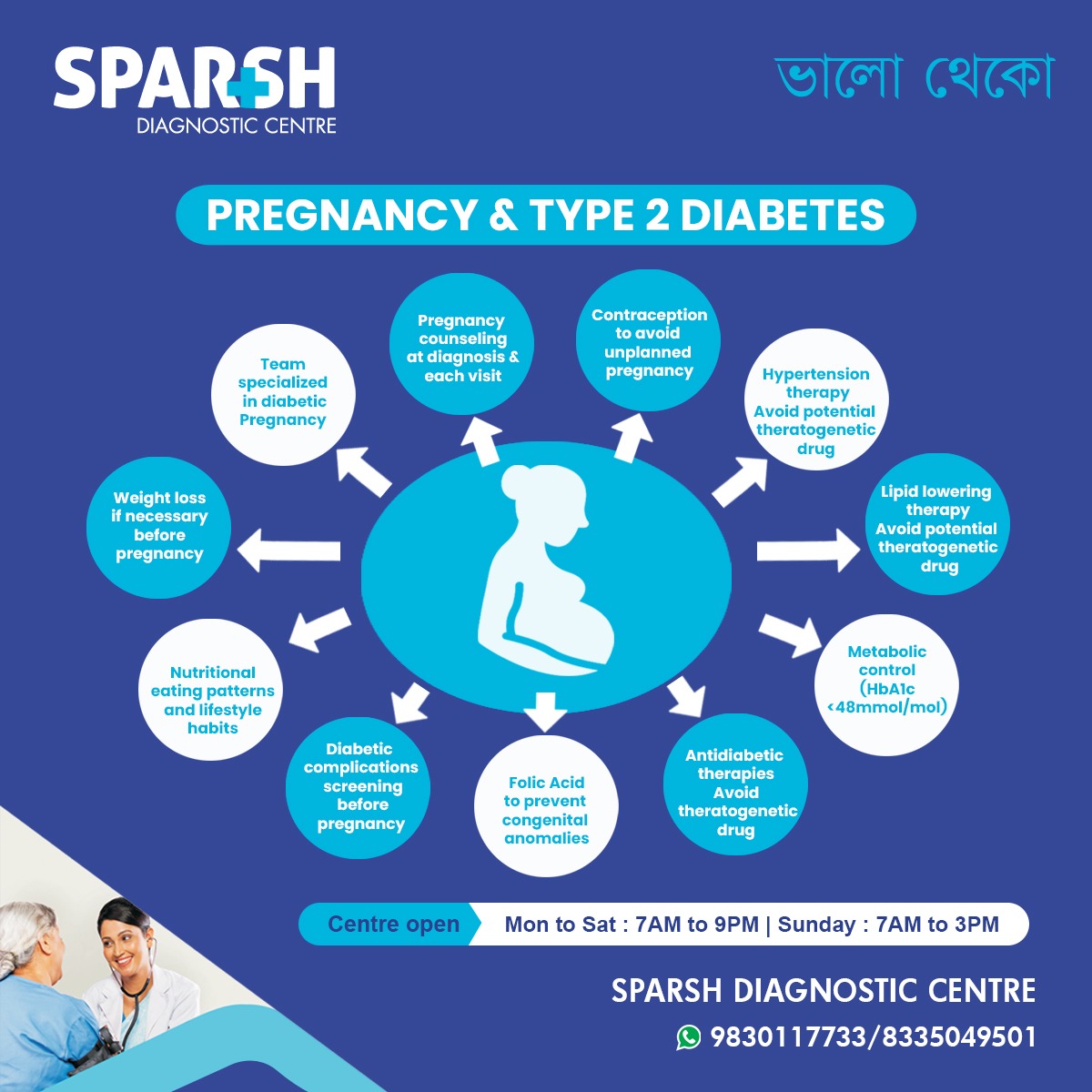
If you have type 2 diabetes, planning pregnancy before conception offers major advantages.
A planned pregnancy allows your healthcare team to:
- Review your current blood sugar control
- Adjust medications if needed
- Check kidney function, blood pressure, and eye health
- Recommend folic acid supplementation
- Identify any diabetes-related complications early
Many diabetes medications are not recommended during pregnancy, so medication review before conception is essential.
Ideally, blood sugar should be stable for several months before pregnancy begins.
Blood Sugar Targets Before Pregnancy
Doctors usually recommend keeping HbA1c as close to target as safely possible before conception because early pregnancy is the most important period for fetal organ development.
A common target is:
- HbA1c below 6.5% if safely achievable
Some women may have individual targets depending on age, risk of hypoglycemia, and overall health.
Stable blood glucose before pregnancy reduces the chance of:
- Miscarriage
- Birth defects
- Early pregnancy complications
Risks of Pregnancy With Type 2 Diabetes
Pregnancy with type 2 diabetes is considered higher risk, but many complications can be prevented through proper management.
Risks for the Mother
Possible maternal risks include:
- High blood pressure
- Preeclampsia
- Increased infections
- Worsening diabetic eye disease
- Kidney strain
- Higher chance of cesarean delivery
Risks for the Baby
Possible fetal and newborn risks include:
- Large birth weight (macrosomia)
- Premature birth
- Breathing difficulties after delivery
- Low blood sugar after birth
- Jaundice
- Increased need for neonatal monitoring
Good glucose control significantly lowers these risks.
How does Type 2 Diabetes affect Early Pregnancy
The first trimester is especially important because the baby’s organs begin forming very early, often before a woman knows she is pregnant.
High blood sugar during this stage may increase the risk of congenital abnormalities involving:
- Heart
- Spine
- Brain
- Kidneys
This is why doctors emphasize diabetes control even before conception happens.
Medication Changes During Pregnancy
Many women taking oral diabetes medications before pregnancy need medication adjustments.
Some medicines may not be suitable during pregnancy, including certain blood pressure medicines and cholesterol-lowering drugs.
Insulin is often preferred because:
- It does not cross the placenta
- It allows tighter glucose control
- Doses can be adjusted throughout pregnancy
Some women may continue selected oral medicines under specialist supervision, depending on current evidence and individual health status.
Medication decisions should always be made by your doctor.
Blood Sugar Monitoring During Pregnancy
Frequent glucose checks become essential during pregnancy because insulin needs change rapidly.
Many women are advised to check:
- Fasting glucose
- Before meals
- One or two hours after meals
- Before bedtime
Typical pregnancy targets may include:
- Fasting below 95 mg/dL
- One hour after meals below 140 mg/dL
- Two hours after meals below 120 mg/dL
Your doctor may personalize these targets.
Healthy Eating During Pregnancy With Type 2 Diabetes
Nutrition becomes one of the most important tools in diabetes pregnancy care.
The goal is not strict dieting but balanced eating that supports both mother and baby.
Smart Meal Principles
Focus on:
- Whole grains
- Lean proteins
- Healthy fats
- High-fiber vegetables
- Controlled carbohydrate portions
Foods That Help Stabilize Blood Sugar
Good options include:
- Oats
- Brown rice
- Lentils
- Eggs
- Fish
- Chicken
- Paneer
- Nuts
- Yogurt
Foods to Limit
Try reducing:
- Sugary drinks
- White bread
- Sweets
- Refined snacks
- Fried foods
Smaller frequent meals often help maintain stable glucose better than large meals.
Weight Management During Pregnancy
Weight gain recommendations depend on pre-pregnancy body weight.
Women with type 2 diabetes often benefit from careful weight monitoring because excessive gain may worsen insulin resistance.
Your doctor may suggest a safe target based on:
- Body mass index
- Baby growth
- Overall pregnancy progress
The focus should remain on steady, healthy gain rather than aggressive restriction.
Exercise and Pregnancy With Type 2 Diabetes
Regular movement improves insulin sensitivity and helps control glucose naturally.
Safe activities often include:
- Walking
- Prenatal yoga
- Light stretching
- Swimming
Even 20 to 30 minutes of daily walking can improve blood sugar control.
Always check with your obstetrician before starting any new exercise routine.
Importance of Folic Acid
Women with type 2 diabetes are often advised to take higher-dose folic acid before conception and during early pregnancy.
Folic acid helps reduce neural tube defects.
It is usually started at least one month before pregnancy if possible.
Monitoring Baby Growth During Pregnancy
Because diabetes can affect fetal growth, ultrasounds are often scheduled more frequently.
Doctors monitor:
- Baby size
- Amniotic fluid
- Placenta health
- Fetal movement
This helps detect early concerns and guide delivery timing.
Blood Pressure and Diabetes in Pregnancy
High blood pressure commonly overlaps with type 2 diabetes.
Blood pressure needs regular monitoring because hypertension increases pregnancy complications.
Doctors may adjust medications to pregnancy-safe options if needed.
Diabetic Eye and Kidney Checks During Pregnancy
Pregnancy can sometimes worsen existing diabetic complications.
That is why eye examinations and kidney tests are usually recommended.
Monitoring may include:
- Retinal screening
- Urine protein tests
- Kidney function blood tests
Early detection prevents serious progression.
Insulin Needs Change During Pregnancy
Many women notice insulin needs increase as pregnancy progresses.
This happens because placental hormones create more insulin resistance.
In late pregnancy, insulin doses often need repeated adjustments.
Close communication with your diabetes team helps avoid sudden highs or lows.
Recognizing Low Blood Sugar During Pregnancy
If insulin is used, hypoglycemia can occur.
Common symptoms include:
- Sweating
- Shaking
- Hunger
- Dizziness
- Confusion
Always keep a quick glucose source nearby such as:
- Glucose tablets
- Fruit juice
- Sugar packets
Delivery Planning
Women with type 2 diabetes often require delivery planning earlier than women without diabetes.
Timing depends on:
- Blood sugar control
- Baby size
- Blood pressure
- Placental health
Some women deliver naturally, while others may need induction or cesarean section.
A larger baby may influence delivery decisions.
Blood Sugar During Labor
Blood glucose is monitored during labor because stable levels reduce newborn complications.
Insulin or glucose drips may sometimes be used during labor to maintain safe levels.
What Happens After Delivery
After childbirth, insulin resistance drops quickly.
Blood sugar levels often change dramatically within hours.
Medication doses usually need reassessment.
Some women return to previous treatment plans, while others require new adjustments.
Breastfeeding With Type 2 Diabetes
Breastfeeding offers important benefits for both mother and baby.
It can help:
- Improve maternal glucose metabolism
- Support postpartum weight loss
- Reduce baby’s future metabolic risk
Many diabetes medications are compatible with breastfeeding, but medical advice is essential.
Future Diabetes Care After Pregnancy
Pregnancy often motivates long-term health improvements.
Continuing healthy habits after delivery reduces future complications.
Important follow-up areas include:
- HbA1c monitoring
- Blood pressure control
- Weight management
- Kidney health
- Eye care
Emotional Health During Pregnancy With Diabetes
Managing diabetes during pregnancy can feel overwhelming.
Frequent appointments, food planning, glucose checks, and concern about the baby may create anxiety.
Emotional support matters.
Helpful support can come from:
- Family
- Diabetes educators
- Obstetricians
- Support groups
Mental well-being is part of healthy pregnancy care too.
Practical Daily Tips for Pregnancy and Type 2 Diabetes
Simple daily habits make a big difference:
- Eat meals on schedule
- Never skip breakfast
- Carry healthy snacks
- Record glucose readings
- Attend every prenatal visit
- Stay hydrated
- Sleep adequately
Consistency usually matters more than perfection.
When to Contact Your Doctor Urgently
Seek medical help if you notice:
- Very high blood sugar repeatedly
- Low sugar that does not improve
- Reduced baby movement
- Severe swelling
- Headache
- Blurred vision
- Vaginal bleeding
Quick action prevents complications.
FAQ About Pregnancy and Type 2 Diabetes
Can women with type 2 diabetes have a healthy pregnancy?
Yes, with proper glucose control and regular medical care, many women with type 2 diabetes have healthy pregnancies and healthy babies.
Is insulin always necessary during pregnancy?
Not always, but many women need insulin because it offers better control and is considered safe during pregnancy.
Can type 2 diabetes harm the baby?
Uncontrolled blood sugar may increase risks, but good diabetes management greatly lowers complications.
Is normal delivery possible with type 2 diabetes?
Yes, normal delivery is possible in many cases, depending on baby size, maternal health, and glucose control.
Should pregnancy be planned in diabetes?
Yes, planned pregnancy helps reduce early complications because blood sugar can be optimized beforehand.
Can breastfeeding improve diabetes after delivery?
Breastfeeding may help improve insulin sensitivity and support healthier glucose control postpartum.
To consult a Gynecologist at Sparsh Diagnostic Centre, call our helpline numbers 9830117733/ 8335049501.
#BhaloTheko
Disclaimer:
No content on this site, regardless of date, should ever be used as a substitute for direct medical advice from your doctor or other qualified clinician.