


Heart disease is often associated with older adults, but the reality is that heart problems can affect people at almost any age. What makes these conditions particularly concerning is that the early symptoms are not always obvious. Sometimes, the first indication of a heart problem is unusual tiredness, breathlessness while climbing stairs, occasional chest discomfort or a heartbeat that suddenly feels irregular.
Many people dismiss these symptoms as acidity, stress, lack of sleep or simply getting older. While these explanations may be correct in some cases, persistent or unexplained symptoms should never be ignored.
Recognising the early signs of heart disease can make a significant difference. Conditions such as coronary artery disease, heart rhythm disorders and heart failure may develop gradually. Identifying warning signs and seeking medical attention early can help doctors diagnose the underlying problem and recommend appropriate treatment.
Heart disease is also a broad term. It includes conditions affecting the heart’s blood vessels, heart muscle, valves and electrical system. Each condition can produce different symptoms, and some people may have no noticeable symptoms until the disease becomes advanced.
In this article, we explore eight important warning signs of heart disease, the first signs of a weak heart, when younger adults should be concerned, and which diagnostic tests can help assess your heart health.
An important reminder: Chest pain or pressure, severe breathlessness, fainting or sudden unexplained sweating can indicate a medical emergency. Do not wait for symptoms to disappear or attempt to diagnose yourself. Seek emergency medical care immediately.
What are the warning signs of heart disease?
The warning signs of heart disease can vary depending on the condition affecting the heart. Some people experience obvious symptoms, while others notice only subtle changes in their energy levels or ability to perform everyday activities.
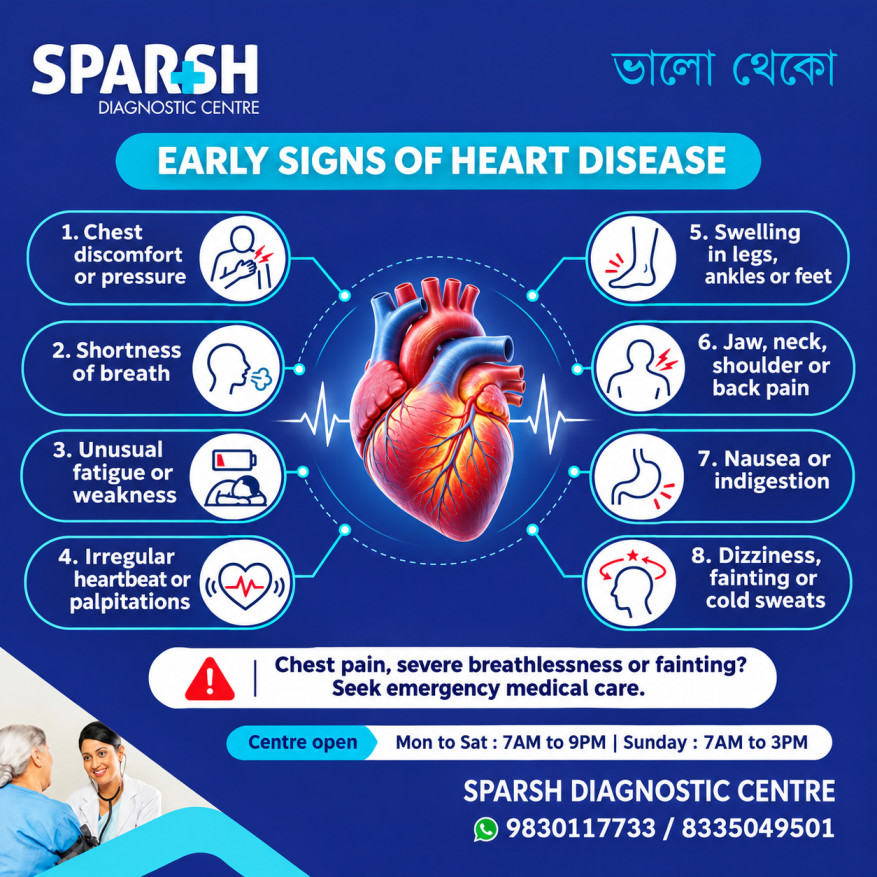
Here are eight important symptoms that deserve attention.
1. Chest discomfort or pressure
Chest discomfort is one of the most recognised warning signs of a heart problem. However, it does not always feel like the sharp, intense pain people associate with a heart attack.
Some people describe it as:
A feeling of pressure, tightness or heaviness in the chest.
A squeezing sensation around the chest.
Burning or discomfort behind the breastbone.
A feeling that something heavy is resting on the chest.
Discomfort that develops during physical activity or emotional stress.
This discomfort may occur when the heart muscle does not receive enough oxygen-rich blood, a condition commonly associated with angina.
Chest discomfort that lasts several minutes, repeatedly returns or occurs with breathlessness, sweating or nausea requires urgent medical assessment. A heart attack can sometimes present with relatively mild discomfort rather than severe pain.
2. Shortness of breath
Do you find yourself getting breathless while climbing stairs, walking short distances or performing activities that previously felt easy?
Unexplained breathlessness can sometimes indicate an underlying heart problem.
When the heart cannot pump blood efficiently, pressure may build up in the blood vessels of the lungs. Fluid can accumulate in the lungs, making breathing difficult.
Common warning signs include:
Breathlessness during routine physical activities.
Difficulty breathing when lying flat.
Waking up suddenly at night feeling breathless.
Needing additional pillows to sleep comfortably.
Feeling unusually breathless even while resting.
These symptoms can occur in people with heart failure, although lung conditions, anaemia and other medical problems can produce similar symptoms.
Persistent or worsening breathlessness should be evaluated rather than dismissed as a lack of fitness.
3. Unusual fatigue or weakness
Feeling tired after a busy day or a demanding workout is normal. However, persistent exhaustion without an obvious explanation may sometimes be associated with heart disease.
When the heart cannot pump enough blood to meet the body’s requirements, muscles and other organs may receive less oxygen-rich blood.
You might notice:
Feeling exhausted after relatively minor activities.
Having less energy than usual.
Struggling with everyday tasks.
Feeling unusually weak even after adequate sleep.
Experiencing fatigue alongside breathlessness or chest discomfort.
Unusual fatigue can be particularly important in women, who may experience less typical heart attack symptoms.
Fatigue alone does not establish a heart problem. Anaemia, thyroid disorders, diabetes, sleep disturbances and nutritional deficiencies are among its many possible causes.
4. Irregular heartbeat or palpitations
Have you ever felt your heart suddenly racing, fluttering, pounding or skipping a beat?
These sensations are commonly called heart palpitations.
Occasional palpitations may occur due to caffeine, dehydration, stress, anxiety, lack of sleep or strenuous exercise. However, frequent or unexplained episodes may indicate an abnormal heart rhythm, medically known as an arrhythmia.
Watch out for:
A racing heartbeat while resting.
Repeated episodes of skipped or extra beats.
A heartbeat that feels unusually irregular.
Palpitations accompanied by dizziness.
A rapid heartbeat associated with chest discomfort or breathlessness.
Certain rhythm disorders, including atrial fibrillation, require medical evaluation because they can increase the risk of complications such as stroke.
An ECG can help identify rhythm abnormalities, although additional monitoring may be needed if the episodes are intermittent.
5. Swelling in the legs, ankles or feet
Swelling in the lower limbs, particularly around the ankles and feet, can sometimes be an indication of heart failure.
When the heart does not pump blood effectively, fluid may accumulate in different parts of the body. This is known as oedema.
You may notice:
Swollen ankles towards the end of the day.
Puffiness around the feet.
Shoes feeling tighter than usual.
Swelling that leaves an indentation when pressed.
Unexplained weight gain over a short period due to fluid retention.
Swelling does not automatically mean that you have heart disease. Kidney problems, liver conditions, venous circulation disorders and certain medications can also cause it.
However, swelling accompanied by breathlessness, fatigue or difficulty lying flat should be investigated promptly.
6. Jaw, neck, shoulder or back pain
Heart-related discomfort does not always remain confined to the chest.
Sometimes, pain associated with reduced blood supply to the heart can spread to other areas of the upper body.
You may experience discomfort in:
The jaw.
The neck.
One or both shoulders.
The upper back.
One or both arms.
This type of discomfort may occur with chest pressure, sweating, nausea or shortness of breath.
Women, in particular, may experience less typical heart attack symptoms, including back or jaw discomfort and unusual fatigue.
Unexplained pain in these areas, especially when associated with other cardiac symptoms, should not be ignored.
7. Nausea or indigestion
Heart-related problems can sometimes feel similar to digestive discomfort.
Some people experiencing a heart attack report nausea, vomiting, upper abdominal discomfort or a sensation resembling indigestion.
This can make it difficult to distinguish between a digestive problem and a cardiac condition.
Pay attention if indigestion-like symptoms occur alongside:
Chest tightness or pressure.
Cold sweating.
Breathlessness.
Unusual tiredness.
Pain spreading towards the jaw, neck or arms.
Do not automatically assume that recurring chest or upper abdominal discomfort is acidity. If symptoms suggest a possible heart attack, seek emergency care.
8. Dizziness, fainting or cold sweats
Sudden dizziness, fainting or unexplained cold sweating can sometimes indicate that the heart is not maintaining adequate blood circulation.
Possible cardiac causes include abnormal heart rhythms, significant changes in blood pressure and certain structural heart conditions.
Warning signs include:
Feeling light-headed without an obvious reason.
Sudden episodes of fainting.
Cold, clammy sweating.
Dizziness accompanied by palpitations.
Feeling as though you might lose consciousness during physical activity.
Fainting should always be taken seriously, particularly when it happens during exercise or is accompanied by chest discomfort or breathlessness.
Remember: Experiencing one or more of these symptoms does not necessarily mean you have heart disease. However, persistent, recurring or unexplained symptoms deserve proper medical evaluation.
What are the first signs of a weak heart?
The expression ‘weak heart’ is commonly used to describe a heart that is not functioning efficiently. Medically, it may refer to reduced heart muscle function or heart failure.
Heart failure does not mean that the heart has stopped working. It means that the heart cannot pump blood effectively enough to meet the body’s needs, or that it cannot fill with blood properly.
Some of the earliest signs include:
Reduced exercise tolerance: Activities that were previously comfortable, such as walking or climbing stairs, become increasingly difficult.
Persistent fatigue: You feel unusually tired even after adequate rest.
Breathlessness: You become short of breath during routine activities or while lying down.
Swelling: Your feet, ankles or legs become swollen because of fluid accumulation.
Sudden weight gain: Your weight increases over a short period because your body retains fluid.
Night-time breathing difficulties: You wake up feeling breathless or need extra pillows to sleep comfortably.
These symptoms can develop gradually. Some people initially attribute them to ageing, weight gain or a sedentary lifestyle.
However, unexplained changes in physical endurance, particularly when accompanied by swelling or breathlessness, should be discussed with a doctor.
An echocardiogram is one of the important investigations used to assess the heart’s pumping function and structure.
Can someone at 30 years old have heart failure?
Yes. Although heart failure is more common in older adults, it can affect younger people, including individuals in their 20s and 30s.
Several conditions can contribute to heart failure in younger adults, including:
Cardiomyopathy, which affects the heart muscle.
Inherited heart conditions.
Viral infections that cause inflammation of the heart muscle.
Certain substance use and medication-related complications.
Complications associated with diabetes and other metabolic disorders.
Family history is also important. Some inherited conditions can affect the heart muscle or its electrical system, even in people who appear otherwise healthy.
Younger adults should not automatically dismiss persistent chest discomfort, unexplained breathlessness, fainting or unusual fatigue because of their age.
Early assessment can help identify underlying conditions before they cause serious complications.
What age does heart disease start?
There is no fixed age at which heart disease begins.
Some heart conditions are present from birth, while others develop during childhood, adolescence or adulthood. Coronary artery disease, for example, often develops gradually as fatty deposits accumulate inside the arteries supplying blood to the heart.
This process, known as atherosclerosis, can begin much earlier in life than the appearance of symptoms.
Several factors influence how early heart disease develops:
High LDL cholesterol.
Physical inactivity.
Unhealthy dietary habits.
Family history of premature heart disease.
Chronic stress and certain other medical conditions.
In India, cardiovascular disease is an important public health concern. Risk factors such as diabetes, hypertension and abnormal cholesterol levels make early identification particularly important.
A person in their 30s or 40s with multiple risk factors may need closer cardiovascular assessment than someone older without these risks.
The important thing is not to wait until symptoms appear. Preventive screening and healthy lifestyle habits can help reduce long-term cardiovascular risk.
How can I tell if my heart is okay?
One of the most common questions people ask is whether their heart is healthy.
There are several encouraging signs of good cardiovascular health, although none can independently confirm that your heart is completely free from disease.
Some positive indicators include:
You can perform routine physical activities without unusual breathlessness.
You do not experience unexplained chest discomfort.
Your heartbeat is generally regular.
You do not experience recurrent dizziness or fainting.
You do not have unexplained swelling in your feet or ankles.
Your blood pressure is within the recommended range.
Your blood glucose and cholesterol levels are appropriately controlled.
You can maintain a reasonable level of physical activity without unusual fatigue.
A healthy heart is also supported by good lifestyle habits, including regular exercise, a balanced diet, adequate sleep and avoiding tobacco.
However, an important distinction must be made: the absence of symptoms does not guarantee that your heart is healthy.
Conditions such as high blood pressure and early coronary artery disease may remain silent for years.
If you have diabetes, hypertension, high cholesterol or a family history of early heart disease, periodic cardiovascular risk assessment is important even when you feel perfectly well.
What are four signs your heart is in trouble?
If you remember only four warning signs, pay particular attention to these:
Chest pressure or discomfort: Especially if it lasts several minutes, returns repeatedly or spreads to the arms, jaw, neck or back.
Unexplained breathlessness: Particularly when walking, climbing stairs or lying down.
Sudden dizziness or fainting: Especially during physical activity or when accompanied by palpitations.
Unusual sweating, nausea or extreme fatigue: Particularly when these symptoms occur alongside chest discomfort.
These symptoms can indicate a serious cardiac problem, including a heart attack. If they occur suddenly or suggest a medical emergency, seek immediate medical attention.
What is the best test to check for heart problems?
There is no single test that can identify every type of heart disease. The most appropriate investigation depends on your symptoms, medical history, age and cardiovascular risk factors.
A doctor may recommend one or more of the following tests.
1. Electrocardiogram (ECG)
An electrocardiogram records the electrical activity of the heart. It helps assess heart rate, rhythm and certain electrical abnormalities.
An ECG may help identify:
Abnormal heart rhythms.
Evidence suggestive of a previous heart attack.
Certain changes associated with reduced blood supply to the heart.
Electrical conduction abnormalities.
It is a quick, non-invasive and commonly performed investigation.
2. Echocardiogram (2D Echo)
An echocardiogram uses ultrasound waves to produce images of the heart.
It allows doctors to examine:
The size and structure of the heart.
The movement of the heart walls.
The functioning of the heart valves.
The pumping efficiency of the heart.
The heart’s ejection fraction.
Ejection fraction measures how much blood the left ventricle pumps out with each contraction. A reduced ejection fraction may indicate impaired pumping function, although heart failure can also occur with a preserved ejection fraction.
A 2D echocardiogram is particularly useful when a doctor suspects heart failure, cardiomyopathy or valve disease.
3. Treadmill test (TMT)
A treadmill test evaluates how the heart responds to physical exertion.
During the test, the patient walks on a treadmill while medical professionals monitor the ECG, heart rate, blood pressure and symptoms.
It may help assess:
Possible exercise-induced abnormalities.
Symptoms that occur during physical activity.
The heart’s response to increasing workload.
Certain patterns suggestive of reduced blood supply to the heart.
A TMT is not suitable for everyone. A doctor determines whether it is appropriate based on the patient’s condition and clinical history.
4. Blood tests for heart health
Blood investigations can help identify cardiovascular risk factors and detect certain forms of heart injury or heart failure.
Commonly recommended tests include:
Blood glucose and HbA1c to evaluate diabetes risk.
High-sensitivity troponin to detect heart muscle injury.
BNP or NT-proBNP, which may help evaluate suspected heart failure.
Kidney function tests to assess overall cardiovascular and metabolic health.
5. Holter monitoring
A Holter monitor is a portable device that continuously records the heart’s electrical activity, usually for 24–48 hours or sometimes longer.
It is useful when a person experiences intermittent palpitations, dizziness or suspected rhythm abnormalities that may not appear during a routine ECG.
6. Coronary angiography and other imaging tests
When coronary artery disease is suspected, doctors may recommend additional investigations such as coronary CT angiography or invasive coronary angiography.
These tests help assess the coronary arteries and identify narrowing or blockages that may restrict blood flow to the heart.
The choice depends on the clinical situation and the information needed.
Which test should you choose?
An ECG is often a useful starting point, but it is not a universal heart health test. An echocardiogram, TMT, blood investigations or other imaging may be needed depending on what the doctor is looking for.
Is my heart okay if my ECG is normal?
A normal ECG is reassuring, but it does not guarantee that your heart is completely healthy.
An ECG records the heart’s electrical activity at a particular moment. It can detect several abnormalities, but it cannot identify every possible heart condition.
For example:
Early coronary artery disease may not produce ECG changes.
Some people with coronary artery blockages have a normal resting ECG.
Intermittent arrhythmias may not occur while the ECG is being recorded.
Structural abnormalities of the heart may require an echocardiogram.
Certain heart conditions require specialised imaging or additional investigations.
Therefore, a normal ECG should always be interpreted alongside your symptoms, examination findings and medical history.
If you continue experiencing chest discomfort, breathlessness, unexplained fatigue or palpitations, consult a doctor even if your ECG report is normal.
If you have symptoms suggestive of a heart attack, do not delay emergency care because of an earlier normal ECG.
Do blood tests show heart problems?
Yes, certain blood tests can provide important information about heart health. However, no single blood test can diagnose every type of heart disease.
Some of the commonly used investigations include:
| Blood test | What it helps assess |
|---|---|
| Lipid profile | Total cholesterol, LDL, HDL and triglycerides |
| Troponin I or T | Injury to heart muscle cells |
| BNP or NT-proBNP | Supports assessment of suspected heart failure |
| HbA1c | Average blood glucose over approximately three months |
| Fasting blood glucose | Blood sugar levels |
| Kidney function tests | Kidney health, which is closely linked to cardiovascular health |
| Electrolytes | Sodium and potassium levels that can affect heart rhythm |
Understanding troponin: Troponin is a protein found in heart muscle cells. When these cells are damaged, troponin can enter the bloodstream. Elevated troponin levels may indicate heart muscle injury, including injury caused by a heart attack.
However, elevated troponin is not exclusive to heart attacks. Other conditions can also increase its levels. Doctors interpret the result alongside symptoms, ECG findings and changes in troponin levels over time.
Similarly, a normal lipid profile does not rule out existing coronary artery disease.
Blood tests are most useful when selected according to the clinical question being investigated.
Can anxiety cause heart problems?
Anxiety can produce physical symptoms that closely resemble those associated with heart disease.
During periods of anxiety or panic, the body’s fight-or-flight response becomes activated. Stress hormones can increase heart rate, breathing rate and blood pressure.
This may lead to:
A racing or pounding heartbeat.
Chest tightness or discomfort.
Shortness of breath.
Sweating.
Dizziness or light-headedness.
A sensation of skipped heartbeats.
In many cases, these symptoms are related to the body’s response to stress rather than an underlying heart condition.
However, anxiety and heart disease can coexist. Long-term psychological stress may also contribute to cardiovascular risk through its effects on sleep, blood pressure, behaviour and other physiological processes.
The important thing is not to assume that chest discomfort or palpitations are caused by anxiety without an appropriate medical assessment.
If symptoms are new, severe, persistent or accompanied by fainting, chest pressure or significant breathlessness, seek medical attention.
Once potentially serious physical causes have been assessed, appropriate treatment for anxiety can help improve symptoms and overall well-being.
What are the signs that your heart is healthy?
Although no symptom checklist can guarantee a healthy heart, several indicators suggest good cardiovascular function.
These include:
1. Good exercise tolerance: You can walk, climb stairs and perform routine physical activities without unusual breathlessness or chest discomfort.
2. Healthy blood pressure: Your blood pressure remains within the range recommended by your doctor.
3. Controlled cholesterol levels: Your lipid profile is appropriate for your overall cardiovascular risk.
4. Regular heartbeat: You do not experience frequent unexplained palpitations or persistent irregular heartbeats.
5. No unexplained swelling: Your feet, ankles and legs do not show persistent fluid accumulation.
6. Healthy energy levels: You can manage everyday activities without unusual or unexplained exhaustion.
7. Good metabolic health: Your blood glucose, body weight and other relevant health indicators are appropriately managed.
It is important to remember that people with early heart disease may feel completely normal. Regular preventive health assessments remain valuable, particularly for individuals with known risk factors.
How can you keep your heart healthy?
Heart disease is influenced by several factors, including genetics, age, lifestyle and underlying medical conditions. Although not every risk factor can be controlled, many important contributors can be modified.
Here are some practical ways to protect your cardiovascular health.
Eat a heart-friendly diet
A balanced diet can help maintain healthy cholesterol, blood pressure and blood glucose levels.
Include:
Fresh fruits and vegetables.
Whole grains and millets.
Pulses, lentils and beans.
Nuts and seeds in appropriate portions.
Healthy sources of unsaturated fats.
Limit excessive salt, added sugar, trans fats and highly processed foods.
For Indian households, simple changes such as choosing whole grains, increasing vegetable intake and reducing excess salt can make a meaningful difference.
Exercise regularly
Regular physical activity helps improve cardiovascular fitness, circulation and metabolic health.
For most adults, the general recommendation is at least 150 minutes of moderate-intensity aerobic activity per week, alongside muscle-strengthening activities on two or more days.
Walking, cycling, swimming and other suitable activities can contribute to better heart health.
Start gradually if you have been inactive or have an underlying medical condition. Seek medical advice before starting strenuous exercise if you have concerning symptoms.
Monitor blood pressure and cholesterol
High blood pressure and elevated LDL cholesterol often do not cause noticeable symptoms.
Regular monitoring helps identify these risk factors early so that appropriate lifestyle changes or treatment can be started.
Manage diabetes
Diabetes increases the risk of cardiovascular disease. Maintaining good blood glucose control and attending regular medical check-ups are important parts of long-term heart health.
Avoid smoking and tobacco
Smoking damages blood vessels, increases blood pressure and contributes to the development of coronary artery disease.
Avoiding tobacco in all forms is one of the most important steps towards protecting your heart.
Get adequate sleep and manage stress
Poor sleep and chronic stress can affect blood pressure, metabolic health and cardiovascular well-being.
Maintain a consistent sleep routine, take time to relax and seek professional help if stress or anxiety becomes difficult to manage.
Do not ignore preventive health check-ups
Even if you feel healthy, regular assessments can help identify silent cardiovascular risk factors.
Your doctor may recommend blood pressure monitoring, a lipid profile, blood glucose testing and additional cardiac investigations depending on your age, medical history and risk profile.
How do I know if my heart is not okay?
Your heart may not be functioning properly if you notice changes in your physical abilities or develop symptoms that were not present previously.
Some warning signs include:
Breathlessness during activities that were previously easy.
Chest pressure, tightness or discomfort.
Frequent palpitations or an irregular heartbeat.
Persistent fatigue without an obvious explanation.
Swelling in the feet, ankles or legs.
Dizziness or unexplained fainting.
Difficulty breathing while lying flat.
The pattern of symptoms matters. For example, breathlessness combined with swollen ankles may suggest heart failure, whereas chest pressure during physical activity may indicate angina.
However, these symptoms can also occur in conditions unrelated to the heart. A medical evaluation is necessary to identify the cause.
How do I check if my heart is strong?
The strength and functioning of your heart can be assessed through a combination of clinical examination and diagnostic investigations.
An echocardiogram is particularly useful because it allows doctors to evaluate the heart muscle, valves, chambers and pumping function.
Other assessments may include:
Blood pressure measurement: Helps identify hypertension.
ECG: Evaluates the electrical activity and rhythm of the heart.
Echocardiogram: Assesses heart structure and pumping function.
TMT: Evaluates the heart’s response to physical exertion when clinically appropriate.
Lipid profile: Assesses cholesterol-related cardiovascular risk.
Blood glucose and HbA1c: Help identify diabetes and elevated blood sugar.
Additional cardiac investigations: May be recommended if coronary artery disease or another heart condition is suspected.
Your doctor will decide which investigations are appropriate. Getting every available heart test is neither necessary nor recommended for everyone.
Frequently asked questions about early signs of heart disease
1. What are the earliest symptoms of heart disease?
The earliest symptoms may include chest discomfort, breathlessness during physical activity, unexplained fatigue, palpitations and reduced exercise tolerance. Some people, however, have no noticeable symptoms in the early stages.
2. Can heart disease develop without symptoms?
Yes. Conditions such as high blood pressure, early coronary artery disease and certain structural heart abnormalities may remain undetected for years. This is why preventive screening is important, especially for people with cardiovascular risk factors.
3. What are the first signs of a weak heart?
Early signs may include unusual fatigue, breathlessness during routine activities, reduced exercise tolerance and swelling in the ankles or feet. These symptoms can be associated with heart failure and require medical evaluation.
4. Can someone at 30 years old have heart failure?
Yes. Heart failure can affect younger adults due to cardiomyopathy, inherited conditions, congenital heart defects, myocarditis, uncontrolled hypertension and other medical conditions. Age alone does not rule out heart disease.
5. What age does heart disease usually start?
There is no specific starting age. Some heart conditions are present from birth, while coronary artery disease can develop gradually from early adulthood. Risk generally increases with age, particularly when conditions such as diabetes, hypertension and high cholesterol are present.
6. Is a normal ECG enough to confirm that my heart is healthy?
No. A normal ECG is reassuring but cannot rule out all heart conditions. Some coronary artery problems, structural abnormalities and intermittent rhythm disorders may require additional investigations.
7. Which is the best test to check heart health?
There is no single best test for everyone. ECG, echocardiography, TMT, blood investigations and coronary imaging serve different purposes. The appropriate test depends on your symptoms, medical history and risk factors.
8. Do blood tests show heart problems?
Yes. Troponin tests can help detect heart muscle injury, while BNP and NT-proBNP can support the assessment of heart failure. Lipid profile, blood glucose and HbA1c help evaluate cardiovascular risk factors.
9. Can anxiety cause chest pain and palpitations?
Yes. Anxiety can increase heart rate and cause chest tightness, palpitations, sweating and breathlessness. However, these symptoms should not automatically be attributed to anxiety without considering possible cardiac causes.
10. What are four warning signs of a heart attack?
Four important warning signs are chest pressure or discomfort, breathlessness, pain spreading to the arms or jaw, and cold sweating accompanied by weakness or nausea. Heart attacks can present differently in different individuals.
11. What are the signs of an unhealthy heart?
Possible signs include persistent fatigue, reduced exercise tolerance, breathlessness, recurrent palpitations, chest discomfort, dizziness and unexplained swelling in the lower limbs. Some people may have no symptoms at all.
12. Can walking help improve heart health?
Yes. Regular walking can improve cardiovascular fitness, help manage blood pressure and support healthy blood glucose and cholesterol levels. Most adults should aim for at least 150 minutes of moderate-intensity physical activity per week, depending on their health and physical capabilities.
13. Can heart disease be prevented?
Not every form of heart disease can be prevented, particularly inherited or congenital conditions. However, many cardiovascular problems can be prevented or their risk reduced through healthy eating, regular exercise, avoiding tobacco, controlling blood pressure and cholesterol, and managing diabetes.
14. When should I get my heart checked?
You should consider a cardiovascular assessment if you experience unexplained chest discomfort, breathlessness, palpitations, fainting or persistent fatigue. People with diabetes, hypertension, high cholesterol or a family history of premature heart disease should also discuss preventive screening with their doctor.
Heart disease does not always announce its presence through dramatic symptoms. Sometimes, the earliest warning signs are subtle changes in energy levels, breathing, exercise tolerance or heartbeat.
Recognising these changes and seeking medical advice at the right time can help identify cardiovascular problems before they become more serious.
Remember that a normal ECG, the absence of chest pain or the ability to exercise does not automatically guarantee a healthy heart. A proper assessment considers your symptoms, blood pressure, cholesterol, blood glucose, family history and other relevant risk factors.
If you experience persistent or unexplained symptoms, do not delay seeking medical advice. And if you develop symptoms suggestive of a heart attack, seek emergency medical care immediately.
At Sparsh Diagnostic Centre, we offer diagnostic services including ECG, echocardiography, TMT and relevant pathology investigations to support the assessment of cardiovascular health.
Taking care of your heart begins with paying attention to your health today.
At Sparsh Diagnostic Centre, we are committed to your heart health. If you or a loved one has been experiencing any of these symptoms, schedule a checkup today.
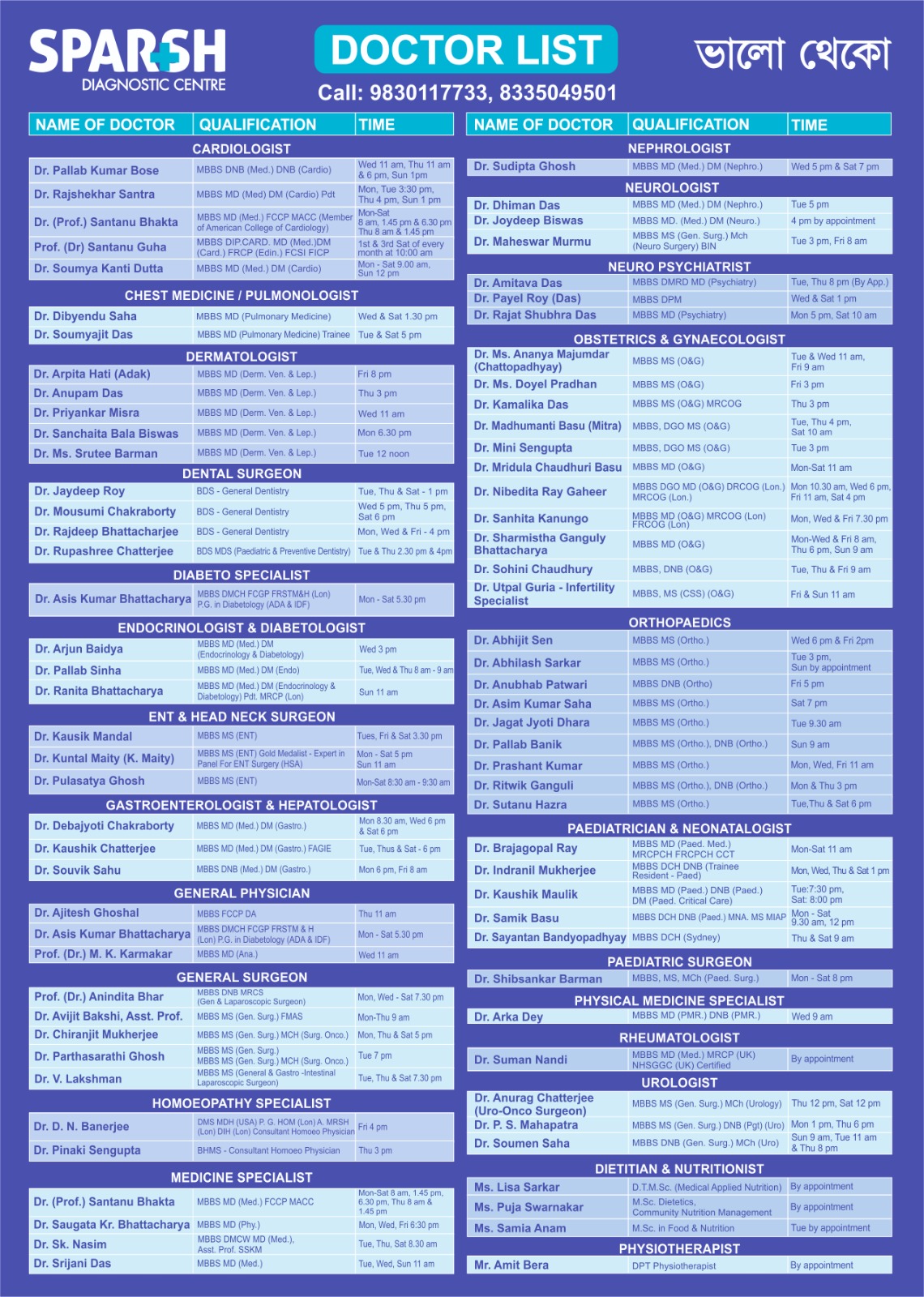
To consult a Cardiologist at Sparsh Diagnostic Centre for treatment of heart related issues, call our helpline numbers +91 98301 17733 and +91 83350 49501.
#BhaloTheko
Disclaimer:
No content on this site, regardless of date, should ever be used as a substitute for direct medical advice from your doctor or other qualified clinician.
Sources and references
The following medical resources were consulted while preparing this article. They provide additional information about heart disease symptoms, diagnosis, risk factors and prevention.
1. Mayo Clinic: Heart disease – Symptoms and causes.
https://www.mayoclinic.org/diseases-conditions/heart-disease/symptoms-causes/syc-20353118
2. British Heart Foundation: 9 signs you might have heart and circulatory disease.
https://www.bhf.org.uk/informationsupport/heart-matters-magazine/medical/signs-you-might-have-heart-disease
3. MedlinePlus – US National Library of Medicine: Warning signs and symptoms of heart disease.
https://medlineplus.gov/ency/patientinstructions/000775.htm
4. Cleveland Clinic: Heart disease – Symptoms and causes.
https://my.clevelandclinic.org/health/diseases/24129-heart-disease
5. Harvard Health Publishing: 5 warning signs and symptoms of early heart failure.
https://www.health.harvard.edu/heart-health/5-warning-signs-of-early-heart-failure
6. Centers for Disease Control and Prevention (CDC): About heart attack symptoms, risk and recovery.
https://www.cdc.gov/heart-disease/about/heart-attack.html
7. NHS: Coronary heart disease – Diagnosis.
https://www.nhs.uk/conditions/coronary-heart-disease/diagnosis/
8. American Heart Association: Diagnosing a heart attack.
https://www.heart.org/en/health-topics/heart-attack/diagnosing-a-heart-attack
9. World Health Organization (WHO): Cardiovascular diseases.
https://www.who.int/india/health-topics/cardiovascular-diseases
10. Sakra World Hospital: 15 warning signs of heart disease.
https://www.sakraworldhospital.com/blogs/dont-ignore-these-15-warning-signs-of-heart-disease/502
11. Zydus Hospitals: 10 early warning signs of heart disease you shouldn’t ignore.
https://zydushospitals.com/blog/10-early-warning-signs-of-heart-disease-you-shouldnt-ignore
Medically reviewed by Dr. Shubhayu Som, MBBS (General Physician)
This article has been medically reviewed by Dr. Shubhayu Som to support the accuracy and clarity of the health information presented.
Medical reviewer: Dr. Shubhayu Som
WBMC Registration Number: 81060
Qualification: MBBS
Specialisation: General Physician
Medical registration: West Bengal Medical Council, Registration No. 81060
Date reviewed on: 7th November 2026


