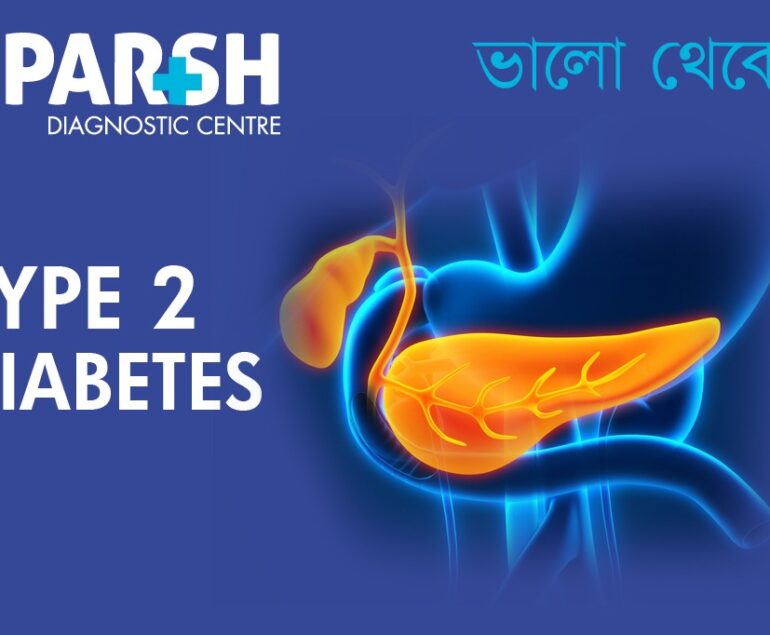
World Diabetes Day is observed every year on 14 November to raise awareness about diabetes, encourage early diagnosis and highlight the importance of proper treatment and long-term care. It is an opportunity for individuals, families, healthcare professionals and communities to understand the risks associated with diabetes and take meaningful steps towards better health.
In 2026, World Diabetes Day carries an especially important message: early action on diabetes. The campaign encourages people to recognise warning signs, understand their risk of developing type 2 diabetes and seek medical advice when necessary. Early diagnosis can help people begin appropriate treatment sooner and reduce the likelihood of serious complications.
Diabetes is a long-term health condition that affects how the body regulates blood glucose, commonly known as blood sugar. It can develop gradually, sometimes without obvious symptoms, making awareness and appropriate testing essential.
For World Diabetes Day 2026, let us look at why this day matters, how its annual date was chosen, what this year’s theme means and what you can do to protect your health.
What is World Diabetes Day?
World Diabetes Day is an international awareness campaign dedicated to diabetes prevention, early detection, treatment and care. It brings together healthcare organisations, medical professionals, people living with diabetes, families and communities to address the growing impact of this condition.
The International Diabetes Federation (IDF) and the World Health Organization (WHO) established World Diabetes Day in 1991 in response to increasing concerns about the health and economic burden of diabetes. In 2006, the United Nations officially recognised the observance, giving it a broader global platform.
Every year, campaigns and awareness activities encourage people to learn about diabetes, understand its symptoms and recognise the importance of timely medical care.
World Diabetes Day is not simply about raising awareness for one day. It is a reminder that diabetes prevention, screening and management require consistent attention throughout the year.
When is World Diabetes Day 2026?
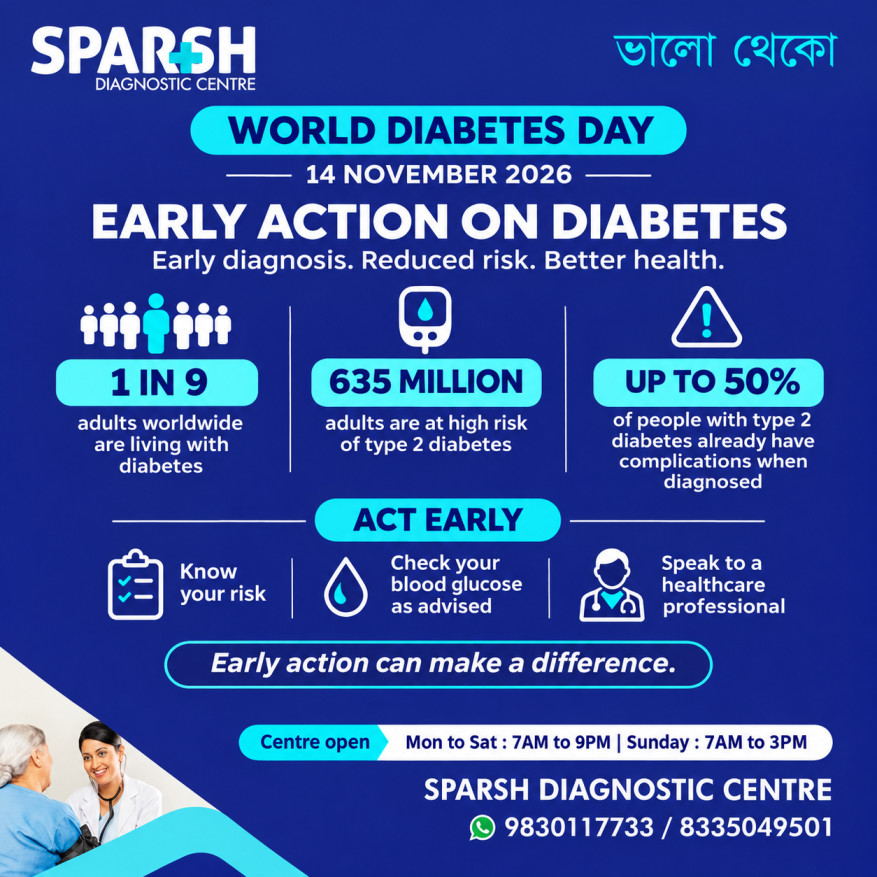
World Diabetes Day 2026 will be observed on Saturday, 14 November 2026.
The date remains the same every year, although the campaign’s central theme and activities may change. Hospitals, diagnostic centres, healthcare organisations and community groups often mark the occasion through educational programmes, awareness campaigns, health screenings and public discussions.
The purpose is to make reliable information about diabetes accessible to more people and encourage individuals to take practical steps towards better health.
Why was November 14 chosen as World Diabetes Day?
November 14 was chosen to mark the birthday of Sir Frederick Banting, who, together with Charles Best, played a pivotal role in the discovery of insulin in 1921.
The discovery of insulin transformed diabetes care. Before insulin became available as a treatment, type 1 diabetes was frequently fatal. Insulin subsequently made it possible for many people with the condition to live longer.
By choosing Banting’s birthday, World Diabetes Day recognises a major milestone in medical history and the continuing importance of research, treatment and access to healthcare.
The International Diabetes Federation and WHO introduced the observance in 1991. It became an official United Nations day in 2006, reinforcing the international commitment to addressing diabetes as a significant public health concern.
Today, 14 November serves as a reminder that scientific progress must be accompanied by awareness, early diagnosis, accessible treatment and continued support for people living with diabetes.
What is the theme for World Diabetes Day in 2026?
The theme for World Diabetes Day 2026–2027 is “Early action on diabetes.”
The campaign focuses on two closely connected priorities: identifying diabetes earlier and reducing the risk of developing type 2 diabetes.
The message is straightforward. People should not wait until symptoms become severe or complications appear before seeking medical advice. Recognising potential warning signs, understanding individual risk factors and accessing appropriate testing can make a meaningful difference.
The campaign also highlights the need for timely, affordable healthcare and continued support for people who have already been diagnosed.
Why does early action on diabetes matter?
Diabetes can affect several organs and body systems over time, particularly when blood glucose remains poorly controlled. Possible complications include cardiovascular disease, kidney damage, nerve damage and vision problems.
Some people, especially those with type 2 diabetes, may not notice symptoms during the early stages. They might feel generally well even when their blood glucose levels are higher than normal.
Early action can help in several ways:
- Earlier diagnosis: Identifying diabetes before symptoms become severe can help people begin appropriate treatment sooner.
- Risk reduction: Understanding lifestyle-related and medical risk factors can help people take steps to reduce their risk of type 2 diabetes.
- Better long-term management: Regular medical follow-up and appropriate treatment can help control blood glucose and reduce the risk of complications.
- Greater awareness: Knowing the warning signs helps individuals recognise when medical advice may be needed.
- Improved quality of life: Timely care and ongoing support can help people manage diabetes while continuing their everyday activities.
Early diagnosis does not guarantee that complications will never occur, but it creates an important opportunity to manage the condition effectively.
Why is diabetes awareness important?
Diabetes is a growing global health concern, and its impact extends beyond blood glucose levels. It can affect a person’s heart, kidneys, eyes, nerves and overall well-being.
The World Diabetes Day 2026 campaign highlights the scale of the challenge. According to the campaign’s published figures, approximately one in nine adults worldwide is living with diabetes, while around 635 million adults are at high risk of type 2 diabetes. The campaign also reports that up to 50% of people with type 2 diabetes may already have complications when they are diagnosed.
These figures underline why awareness and timely testing matter.
In India, diabetes is a particularly important health concern because changing dietary habits, urban lifestyles, physical inactivity, genetic susceptibility and other risk factors can contribute to the growing burden of the condition.
Diabetes can affect people from different age groups and backgrounds. Although some risk factors cannot be changed, awareness can help people recognise their risk and discuss appropriate screening with a healthcare professional.
What is diabetes, and what are its main types?
Diabetes mellitus is a chronic condition in which blood glucose levels become too high because the body does not produce enough insulin or cannot use insulin effectively.
Insulin is a hormone produced by the pancreas. It helps glucose move from the bloodstream into cells, where it is used for energy.
When insulin production or action is impaired, glucose can accumulate in the blood.
The main types of diabetes include the following.
Type 1 diabetes
Type 1 diabetes occurs when the body’s immune system attacks the insulin-producing cells of the pancreas. As a result, the body produces little or no insulin.
It can develop during childhood, adolescence or adulthood. People with type 1 diabetes require insulin treatment to survive.
The symptoms can develop quickly, so recognising the warning signs and seeking prompt medical attention is particularly important.
Type 2 diabetes
Type 2 diabetes occurs when the body does not use insulin effectively and may gradually become unable to produce enough insulin to maintain normal blood glucose levels.
It is the most common form of diabetes. Risk factors include excess body weight, physical inactivity, family history, increasing age and a history of certain metabolic conditions.
Type 2 diabetes can develop gradually and may remain undetected for years. Appropriate lifestyle changes, medical monitoring and medication when necessary can help manage the condition.
Gestational diabetes
Gestational diabetes develops during pregnancy when blood glucose levels rise above the normal range.
It can increase health risks for both the mother and baby if not appropriately managed. Screening during pregnancy helps identify the condition so that suitable care can be provided.
Women who have experienced gestational diabetes may also have a higher risk of developing type 2 diabetes later in life and may benefit from continued follow-up.
What are the early symptoms of diabetes?
Recognising the symptoms of diabetes is an important part of early action. Although symptoms vary from person to person, common warning signs include:
- Increased thirst.
- Frequent urination, including at night.
- Persistent tiredness or lack of energy.
- Increased hunger.
- Unexplained weight loss.
- Blurred vision.
- Slow-healing cuts or wounds.
- Recurrent skin or other infections.
- Tingling or numbness in the hands or feet.
Not everyone experiences these symptoms. Type 2 diabetes, in particular, can develop without obvious warning signs.
This is why people with relevant risk factors should discuss screening with a healthcare professional rather than relying only on how they feel.
If you notice excessive thirst, frequent urination, unexplained weight loss or other persistent symptoms, seek medical advice. Symptoms that develop rapidly, particularly with vomiting, abdominal pain, deep or rapid breathing, or confusion, require urgent medical assessment.
Who should consider diabetes screening?
Diabetes screening can help identify elevated blood glucose before a person develops noticeable symptoms. However, the appropriate test and timing depend on individual circumstances.
You may wish to discuss diabetes screening with your healthcare professional if you:
- Have a parent, sibling or other close family member with diabetes.
- Are overweight or have excess abdominal fat.
- Lead a predominantly sedentary lifestyle.
- Have high blood pressure or abnormal cholesterol levels.
- Have previously been diagnosed with prediabetes.
- Have a history of gestational diabetes.
- Have polycystic ovary syndrome (PCOS), which is associated with an increased risk of insulin resistance and type 2 diabetes.
- Are experiencing symptoms that may indicate high blood glucose.
- Have other medical conditions or risk factors that warrant testing.
Screening recommendations vary according to age, medical history, pregnancy status and individual risk. A healthcare professional can advise you on when testing is appropriate and how often it should be repeated.
Which tests help detect diabetes?
Several blood tests are used to assess blood glucose and help diagnose diabetes. The most suitable test depends on the clinical situation.
Fasting blood glucose test
This test measures blood glucose after a period of fasting, generally at least eight hours. It is commonly used to identify diabetes and prediabetes.
HbA1c test
The HbA1c test measures the percentage of haemoglobin with glucose attached to it. It provides an estimate of average blood glucose over approximately the previous two to three months.
Unlike a fasting blood glucose test, HbA1c testing generally does not require fasting. However, certain medical conditions can affect the reliability of the result, so a healthcare professional should interpret it in context.
Oral glucose tolerance test
An oral glucose tolerance test measures how the body processes glucose after a standardised glucose drink. It is used in particular clinical situations, including the assessment of gestational diabetes.
Random blood glucose test
A random blood glucose test measures blood glucose at a particular point in time, regardless of when the person last ate. It can be useful when diabetes is suspected, especially when symptoms are present.
A single abnormal result does not always establish a diagnosis in someone without clear symptoms. Depending on the circumstances, repeat testing or another diagnostic test may be needed.
How can you reduce your risk of type 2 diabetes?
Not every case of diabetes can be prevented. Type 1 diabetes, for example, is not currently preventable through routine lifestyle changes. However, several practical steps can help reduce the risk of type 2 diabetes and support overall health.
Follow a balanced diet
Choose a varied diet containing vegetables, whole fruits, pulses, legumes, whole grains, nuts and appropriate sources of protein.
Limit frequent consumption of sugary drinks, highly processed snacks and foods that provide substantial amounts of added sugar. Pay attention to portion sizes and overall dietary patterns rather than focusing on a single food.
People who already have diabetes may benefit from individualised dietary guidance from a qualified healthcare professional.
Stay physically active
Regular physical activity helps the body use insulin more effectively and supports blood glucose management.
Walking, cycling, swimming, dancing and other activities that suit your fitness level can contribute to better health. Adults are generally advised to aim for at least 150 minutes of moderate-intensity aerobic activity each week, subject to their health status and medical advice.
If you have an existing medical condition or have been inactive for a long time, discuss an appropriate exercise plan with your healthcare professional.
Maintain a healthy weight
For people who are overweight or have excess body fat, gradual and sustainable weight reduction can help lower the risk of type 2 diabetes.
Avoid extreme diets or unproven weight-loss methods. A balanced eating pattern, regular activity and realistic long-term goals are more sustainable approaches.
Get adequate sleep
Consistently poor sleep can affect metabolic health and may contribute to difficulties with appetite regulation and blood glucose control.
Try to maintain a regular sleep schedule and seek advice if you have persistent sleep difficulties or symptoms suggestive of sleep apnoea.
Avoid tobacco and limit alcohol
Smoking increases cardiovascular risk, which is especially relevant for people with diabetes or other metabolic risk factors. Avoiding tobacco is an important step towards better health.
Alcohol can also affect blood glucose, particularly in people taking certain diabetes medications. If you drink alcohol, discuss its potential effects and relevant precautions with your healthcare professional.
Do not ignore routine health checks
Regular health assessments can help identify risk factors such as elevated blood glucose, high blood pressure and abnormal cholesterol levels.
If you have been diagnosed with prediabetes or have multiple risk factors, ask your healthcare professional about an appropriate screening and follow-up schedule.
Living well with diabetes after diagnosis
A diabetes diagnosis can feel overwhelming, but it does not mean that a person cannot lead an active and fulfilling life. Appropriate treatment, regular monitoring and ongoing medical support can help people manage the condition.
Depending on the type of diabetes and individual circumstances, management may include medication, insulin, dietary adjustments, physical activity and blood glucose monitoring.
Regular follow-up is also important because diabetes can affect multiple organs over time. Healthcare professionals may recommend monitoring blood pressure, cholesterol, kidney function, eye health and nerve function.
People living with diabetes should take prescribed medication as directed and avoid stopping or changing treatment without medical advice.
Family members can also provide valuable support by encouraging healthy routines, helping with appointments when needed and avoiding blame or judgement. Diabetes is a medical condition, not a personal failure.
How can you observe World Diabetes Day 2026?
World Diabetes Day is an opportunity to turn awareness into practical action.
Here are some useful ways to participate:
- Learn about the symptoms and risk factors associated with diabetes.
- Encourage eligible family members to discuss screening with their healthcare professionals.
- Share accurate information about diabetes prevention and management.
- Make sustainable changes to your eating habits and physical activity.
- Support people living with diabetes without stigma or judgement.
- Attend reputable diabetes awareness programmes or educational events.
- Follow medical advice regarding testing, treatment and regular health checks.
For healthcare organisations and diagnostic centres, the occasion is also an opportunity to encourage evidence-based health education and help people understand the role of appropriate testing in early diagnosis.
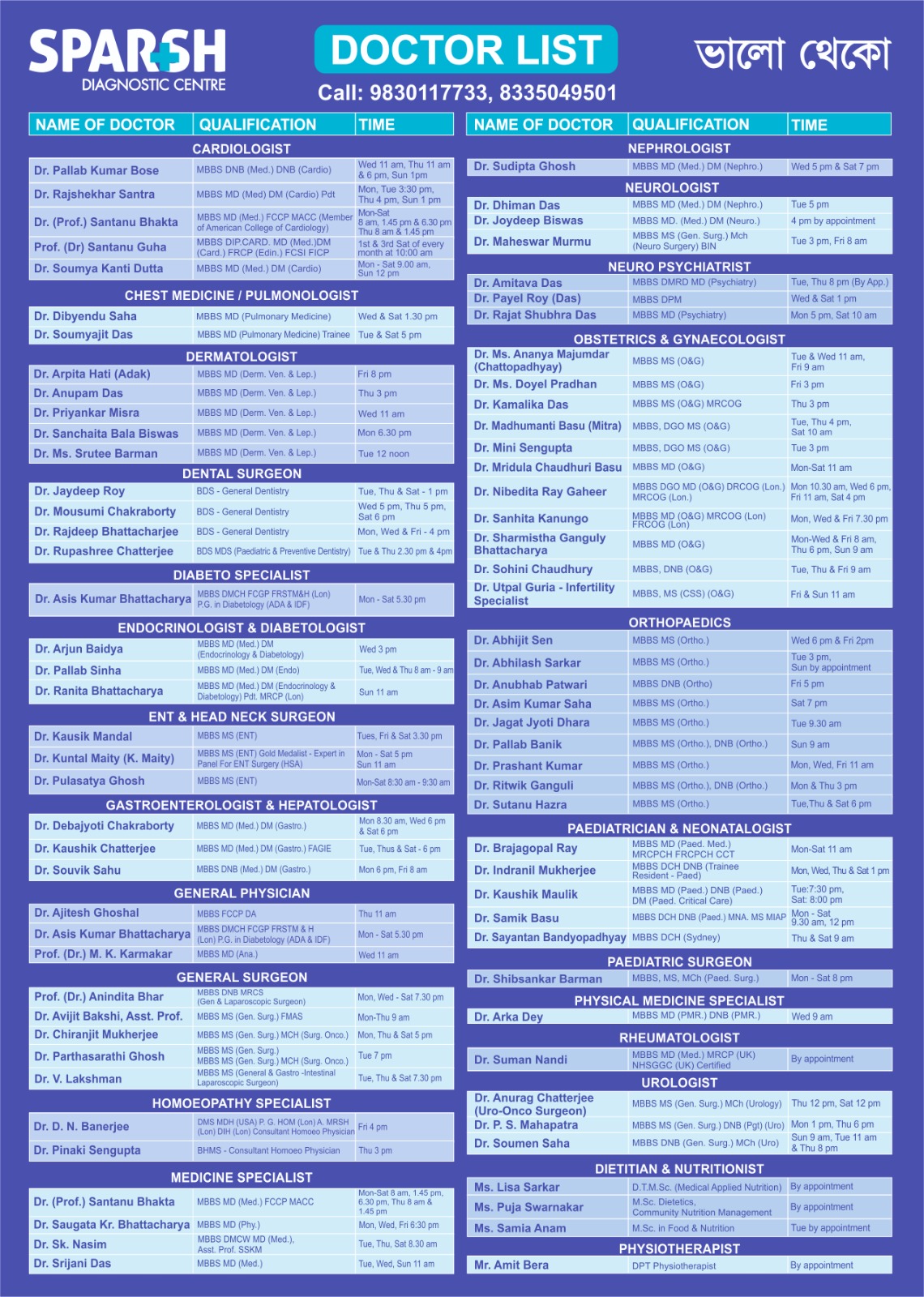
At Sparsh Diagnostic Centre, Kolkata, World Diabetes Day is a timely reminder that informed health decisions and appropriate diagnostic testing can support better healthcare outcomes. If you are concerned about your blood glucose levels or diabetes risk, speak with a qualified healthcare professional about which tests may be appropriate for you.
World Diabetes Day 2026, observed on 14 November, highlights the theme “Early action on diabetes.” The campaign reinforces an important message: recognising symptoms, understanding personal risk and seeking appropriate medical advice can help people take control of their health sooner.
Diabetes can sometimes develop without obvious warning signs, making awareness and risk-based screening particularly important. A balanced diet, regular physical activity, healthy lifestyle habits and appropriate medical follow-up can all contribute to better metabolic health.
This World Diabetes Day, take a moment to review your health habits, learn about the warning signs and encourage your loved ones to do the same. Early action can make a meaningful difference to long-term health.
Frequently asked questions about World Diabetes Day
1. When is World Diabetes Day celebrated?
World Diabetes Day is observed every year on 14 November. In 2026, it falls on Saturday, 14 November.
2. What is the theme for World Diabetes Day in 2026?
The theme for the 2026–2027 campaign is “Early action on diabetes.” It emphasises early diagnosis, reducing the risk of type 2 diabetes and improving access to appropriate care.
3. Why was November 14 chosen as World Diabetes Day?
November 14 marks the birthday of Sir Frederick Banting, who played a pivotal role in the discovery of insulin alongside Charles Best in 1921. The date honours this important milestone in diabetes treatment.
4. Who established World Diabetes Day?
The International Diabetes Federation and the World Health Organization established World Diabetes Day in 1991. The United Nations officially recognised it in 2006.
5. What is the main purpose of World Diabetes Day?
Its main purpose is to raise awareness about diabetes, encourage prevention and early diagnosis, promote access to treatment and support people living with the condition.
6. What are the most common symptoms of diabetes?
Common symptoms include increased thirst, frequent urination, persistent tiredness, increased hunger, unexplained weight loss and blurred vision. Some people, particularly those with type 2 diabetes, may not experience noticeable symptoms.
7. Can diabetes develop without symptoms?
Yes. Type 2 diabetes can develop gradually and remain undetected for a long time. Appropriate screening can help identify elevated blood glucose in people who do not have obvious symptoms.
8. Which blood tests are used to detect diabetes?
Common tests include fasting blood glucose, HbA1c, oral glucose tolerance testing and, in appropriate circumstances, random blood glucose testing. A healthcare professional can advise which test is suitable.
9. Can type 2 diabetes be prevented?
The risk of type 2 diabetes can often be reduced through regular physical activity, a balanced diet, healthy weight management and appropriate medical follow-up. However, prevention is not guaranteed, and some risk factors cannot be changed.
10. Is diabetes the same as high blood sugar?
High blood sugar is a key feature of diabetes, but a single elevated blood glucose reading does not always mean a person has diabetes. Diagnosis depends on established laboratory criteria and clinical circumstances.
11. Why is early diagnosis of diabetes important?
Early diagnosis allows people to access appropriate treatment, understand their health risks and begin monitoring their condition. Effective management can help reduce the risk of complications affecting the heart, kidneys, eyes and nerves.
12. How can I participate in World Diabetes Day 2026?
You can participate by learning about diabetes symptoms, discussing appropriate screening with a healthcare professional, sharing reliable health information and supporting people living with diabetes without stigma.
To get tested and treated for Diabetes at Sparsh Diagnostic Centre, call our helpline numbers +91 98301 17733 and +91 83350 49501.
#BhaloTheko
Disclaimer:
No content on this site, regardless of date, should ever be used as a substitute for direct medical advice from your doctor or other qualified clinician.
#BhaloTheko
Disclaimer:
No content on this site, regardless of date, should ever be used as a substitute for direct medical advice from your doctor or other qualified clinician.
Sources and further reading
The following authoritative resources were consulted for information on World Diabetes Day, its history, the 2026 campaign theme and diabetes awareness:
- World Diabetes Day — Official campaign website
https://worlddiabetesday.org/ - World Diabetes Day — About the campaign
https://worlddiabetesday.org/about-wdd/ - World Health Organization — World Diabetes Day 2026
https://www.who.int/campaigns/world-diabetes-day/2026 - World Health Organization — World Diabetes Day
https://www.who.int/campaigns/world-diabetes-day - United Nations — World Diabetes Day
https://www.un.org/en/observances/diabetes-day - World Health Organization — Diabetes: key facts and public health information
https://www.who.int/health-topics/diabetes - International Diabetes Federation — World Diabetes Day 2026–2027: Early action on diabetes
https://idf.org/news-and-resources/news/wdd-2026-27/
Medical disclaimer: This article is intended for general health education and awareness. It does not replace a medical consultation, diagnosis or personalised treatment advice. Consult a qualified healthcare professional for individual screening recommendations, interpretation of test results and diabetes management.
Medical review and verification
This blog has been medically reviewed and verified by Dr. Shubhayu Som, General Physician.
Medical reviewer: Dr. Shubhayu Som
Qualification: MBBS
Specialisation: General Physician
Medical registration: West Bengal Medical Council (WBMC), Registration No. 81060
Date medically reviewed: 4 November 2026