Liver disease is often called a silent health problem because it can develop gradually without causing obvious symptoms. Many people don’t realize there is an issue until significant liver damage has already occurred. Fortunately, advances in diagnostic technology now allow doctors to identify liver problems much earlier than before.
One of the most effective tools available today is the Liver FibroScan, a non-invasive test that evaluates liver stiffness and fat accumulation. If your doctor has recommended this test, you may be wondering why it is necessary and what information it provides.
Whether you’re researching liver health or searching online for Fibroscan Kolkata services after receiving a referral from your physician, understanding the purpose of this test can help you feel more informed and prepared.
In this article, we’ll explain why doctors order a Liver FibroScan, how it works, who may benefit from it, and what the results can reveal about your liver health.
What Is a Liver FibroScan?
A Liver FibroScan, also known as transient elastography, is an advanced diagnostic test used to measure the stiffness of the liver. The stiffness measurement helps doctors assess the extent of liver fibrosis, which refers to scar tissue that develops as a result of chronic liver injury.
Unlike a traditional liver biopsy, which involves removing a small sample of liver tissue using a needle, a FibroScan uses sound wave technology to assess liver health. The procedure is painless, quick, and does not require any recovery time.
A FibroScan can help evaluate:
- Liver fibrosis (scarring)
- Fat accumulation in the liver
- Severity of chronic liver disease
- Progression of liver damage
- Response to treatment
Because it is safe and non-invasive, FibroScan has become a preferred diagnostic tool for both patients and healthcare providers.
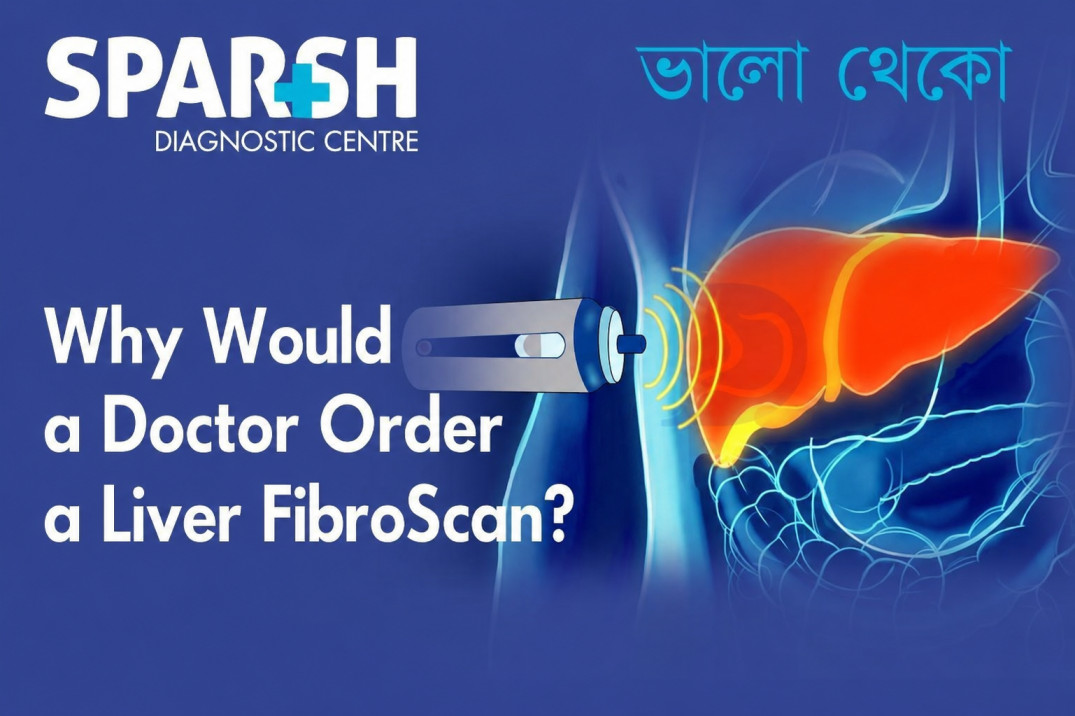
Why Would a Doctor Order a Liver FibroScan?
Doctors recommend a FibroScan for several reasons, most of which involve detecting liver disease at an early stage or monitoring existing liver conditions.
To Evaluate Fatty Liver Disease
One of the most common reasons for ordering a FibroScan is to assess fatty liver disease.
Fatty liver disease occurs when excess fat builds up inside liver cells. While many people with fatty liver disease experience no symptoms, the condition can progress to inflammation, fibrosis, and eventually cirrhosis if left untreated.
A FibroScan helps doctors determine:
- How much fat is present in the liver
- Whether liver scarring has developed
- The severity of the condition
This information helps guide treatment recommendations, including lifestyle modifications, dietary changes, and ongoing monitoring.
Many individuals searching for Fibroscan Kolkata services are referred for testing after an ultrasound suggests fatty liver disease or abnormal liver function tests indicate possible liver damage.
To Assess Chronic Hepatitis
Chronic viral hepatitis, including Hepatitis B and Hepatitis C, can cause long-term liver inflammation and scarring.
Doctors often order FibroScan examinations to:
- Measure liver fibrosis
- Monitor disease progression
- Evaluate treatment response
- Assess the risk of complications
Regular monitoring is essential because liver damage can occur gradually over many years without causing symptoms.
To Detect Liver Fibrosis Early
Fibrosis occurs when healthy liver tissue is replaced with scar tissue. The process is often caused by repeated liver injury resulting from:
- Fatty liver disease
- Chronic hepatitis
- Alcohol-related liver disease
- Autoimmune liver disorders
- Certain metabolic conditions
Early-stage fibrosis may be reversible if identified and treated promptly.
A FibroScan allows doctors to detect fibrosis before serious complications develop, making early intervention possible.
To Diagnose or Monitor Cirrhosis
Cirrhosis is advanced liver scarring that can significantly affect liver function.
Complications of cirrhosis may include:
- Liver failure
- Internal bleeding
- Fluid accumulation
- Portal hypertension
- Increased risk of liver cancer
If blood tests, imaging studies, or symptoms suggest advanced liver disease, a doctor may order a FibroScan to determine the extent of scarring.
To Investigate Abnormal Liver Function Tests
Many people discover potential liver problems during routine health checkups when blood tests reveal elevated liver enzymes.
Common abnormalities include:
- Elevated ALT
- Elevated AST
- Elevated GGT
These findings do not always indicate severe disease, but they do require further evaluation.
A FibroScan helps doctors determine whether abnormal liver enzyme levels are associated with fibrosis, fatty liver disease, or ongoing liver inflammation.
To Monitor Alcohol-Related Liver Disease
Long-term excessive alcohol consumption can damage liver cells and lead to progressive liver disease.
Alcohol-related liver damage often develops in stages:
- Fatty liver
- Alcoholic hepatitis
- Fibrosis
- Cirrhosis
A FibroScan helps physicians assess the extent of damage and monitor improvement if alcohol intake is reduced or eliminated.
To Avoid a Liver Biopsy
For decades, liver biopsy was considered the standard method for evaluating liver fibrosis.
However, biopsies have certain disadvantages:
- They are invasive.
- They can cause discomfort.
- There is a small risk of bleeding.
- Recovery time may be required.
FibroScan offers a simpler alternative in many cases. Because it is non-invasive and highly informative, many patients can avoid undergoing a biopsy altogether.
To Monitor Treatment Progress
Doctors frequently use FibroScan to monitor patients receiving treatment for liver conditions.
Regular testing can help determine whether:
- Liver scarring is improving
- Fat accumulation is decreasing
- Treatment is effective
- Disease progression has slowed
Monitoring changes over time allows physicians to adjust treatment plans when necessary.
Who Should Consider a Liver FibroScan?
A FibroScan may be recommended for people with risk factors for liver disease.
These include:
Obesity
Excess body weight increases the likelihood of developing fatty liver disease and fibrosis.
Type 2 Diabetes
People with diabetes have a significantly higher risk of liver-related complications.
High Cholesterol
Abnormal lipid levels are frequently associated with fatty liver disease.
Heavy Alcohol Consumption
Long-term alcohol use remains one of the leading causes of liver damage worldwide.
Chronic Hepatitis
Individuals living with Hepatitis B or Hepatitis C often require regular liver monitoring.
Family History of Liver Disease
Certain liver conditions may have a genetic component.
Abnormal Liver Blood Tests
Persistently elevated liver enzymes often warrant further investigation.
Many patients looking for Fibroscan Kolkata facilities fall into one or more of these risk categories and are seeking a reliable way to assess their liver health before complications develop.
How Does a Liver FibroScan Work?
The procedure is straightforward and usually takes less than 15 minutes.
During the test:
- You lie comfortably on an examination table.
- A gel is applied to the skin over the liver.
- A small probe is placed between the ribs.
- The device sends gentle vibrations through the liver.
- Sound waves measure liver stiffness and fat content.
The entire process is painless and requires no sedation.
Is a FibroScan Painful?
No.
Most patients experience only a mild tapping sensation on the skin during the examination. There are no needles, injections, or incisions involved.
After the procedure, patients can immediately resume normal daily activities.
Preparing for a FibroScan
Preparation requirements are usually minimal.
Your healthcare provider may recommend:
- Avoiding food for several hours before the test
- Wearing comfortable clothing
- Following specific instructions regarding medications
Proper preparation helps improve the accuracy of the results.
Understanding FibroScan Results
FibroScan results generally include two important measurements.
Liver Stiffness Measurement (LSM)
This measurement indicates the amount of fibrosis or scarring present in the liver.
Higher values typically suggest:
- Significant fibrosis
- Advanced fibrosis
- Cirrhosis
Controlled Attenuation Parameter (CAP)
CAP measures the amount of fat stored in the liver.
Higher scores generally indicate greater fat accumulation and may support a diagnosis of fatty liver disease.
Your doctor will interpret these values alongside blood tests, imaging studies, medical history, and clinical findings.
Benefits of a Liver FibroScan
Non-Invasive
No needles or tissue removal are required.
Quick and Convenient
Most examinations take only a few minutes.
Safe
FibroScan uses harmless sound waves and can be repeated whenever necessary.
Immediate Results
Findings are often available shortly after testing.
Comfortable
Patients typically experience no pain or recovery period.
Excellent for Long-Term Monitoring
Doctors can track changes in liver health over time.
Accessible Through Advanced Diagnostic Centres
As awareness of liver disease continues to grow, more healthcare facilities are offering FibroScan services. Patients searching for the Best Fibroscan in Kolkata often look for diagnostic centres that provide advanced equipment, experienced healthcare professionals, accurate reporting, and a patient-friendly experience.
Choosing a reputed diagnostic centre can help ensure reliable results that support timely diagnosis and treatment planning.
Can a FibroScan Detect Liver Cancer?
FibroScan does not directly diagnose liver cancer.
However, it can identify advanced fibrosis and cirrhosis, which are major risk factors for developing liver cancer.
If cancer is suspected, your doctor may recommend additional imaging tests such as:
- Ultrasound
- CT scan
- MRI
Limitations of FibroScan
Although FibroScan is highly effective, it does have some limitations.
Results may be less accurate in certain situations, including:
- Severe obesity
- Significant abdominal fluid accumulation
- Acute liver inflammation
- Technical challenges during testing
In these cases, doctors may recommend additional investigations.
Finding the Best FibroScan Facility
If your physician has recommended liver stiffness testing, choosing a reputable diagnostic centre is important. Patients looking for the Best Fibroscan in Kolkata should consider factors such as technology, reporting accuracy, clinical expertise, patient reviews, and overall quality standards.
A high-quality FibroScan examination can provide valuable insights into liver health and help doctors make informed treatment decisions.
When Should You Speak to a Doctor About Liver Health?
Consider discussing liver screening with your healthcare provider if you have:
- Persistent fatigue
- Diabetes
- Obesity
- High cholesterol
- Excessive alcohol use
- Chronic hepatitis
- Abnormal liver function tests
- Family history of liver disease
Many individuals begin researching Fibroscan Kolkata options after learning they have one or more of these risk factors. Early evaluation can significantly improve outcomes by identifying liver damage before symptoms become severe.
A Liver FibroScan is one of the most valuable tools available for evaluating liver health. It allows doctors to assess fibrosis, detect fatty liver disease, monitor chronic hepatitis, evaluate alcohol-related liver damage, and track treatment progress without the need for an invasive biopsy.
For individuals concerned about liver health or searching for Fibroscan Kolkata services, this test offers a fast, safe, and reliable way to gain important insights into liver function. If your physician recommends the procedure, it is usually because they want a clearer understanding of your liver condition and an opportunity to identify problems early.
When selecting a diagnostic facility, many patients prioritize finding the Best Fibroscan in Kolkata to ensure accurate results and expert care. Early detection and regular monitoring remain key to preventing serious liver complications and maintaining long-term health.
Frequently Asked Questions (FAQs)
1. Why would a doctor order a Liver FibroScan?
Doctors order a FibroScan to evaluate liver fibrosis, fatty liver disease, hepatitis-related liver damage, cirrhosis, and abnormal liver function tests.
2. Is FibroScan better than a liver biopsy?
FibroScan is non-invasive, painless, and safer than a biopsy. However, some patients may still require a biopsy depending on their condition.
3. How long does a FibroScan take?
Most FibroScan examinations are completed within 10 to 15 minutes.
4. Can FibroScan detect fatty liver disease?
Yes. The test measures both liver stiffness and fat accumulation, making it highly effective for evaluating fatty liver disease.
5. Is FibroScan painful?
No. The procedure is painless and does not involve needles or surgery.
6. How often should I have a FibroScan?
The frequency depends on your medical condition and your doctor’s recommendations.
7. Who should undergo a FibroScan?
People with obesity, diabetes, fatty liver disease, chronic hepatitis, abnormal liver tests, or significant alcohol use may benefit from FibroScan testing.
8. What should I look for when choosing the Best Fibroscan in Kolkata?
Look for a reputed diagnostic centre with advanced FibroScan technology, experienced healthcare professionals, accurate reporting, and strong patient reviews.
9. Can liver fibrosis be reversed?
In many cases, early-stage fibrosis can improve when the underlying cause is treated and healthy lifestyle changes are adopted.
10. Why are so many people searching for Fibroscan Kolkata services?
The rising prevalence of fatty liver disease, diabetes, obesity, and chronic hepatitis has increased awareness about the importance of early liver assessment and monitoring.
Get your liver screened today with FibroScan at Sparsh Diagnostic Centre — because prevention is always better than cure, click here or call our helpline numbers 9830117733 and 8335049501.
#BhaloTheko
Disclaimer:
No content on this site, regardless of date, should ever be used as a substitute for direct medical advice from your doctor or other qualified clinician.