Pregnancy is a journey filled with anticipation, excitement, and regular health checkups to ensure the well-being of both mother and baby. During prenatal visits, healthcare providers closely monitor fetal growth. One condition that may be identified during pregnancy is fetal macrosomia, a term used to describe a baby who is significantly larger than average before birth.
While many large babies are born healthy, fetal macrosomia can increase the risk of complications during labor and delivery. Understanding its causes, warning signs, risk factors, and management options can help expectant parents make informed decisions and prepare for a safer childbirth experience.
What Is Fetal Macrosomia?
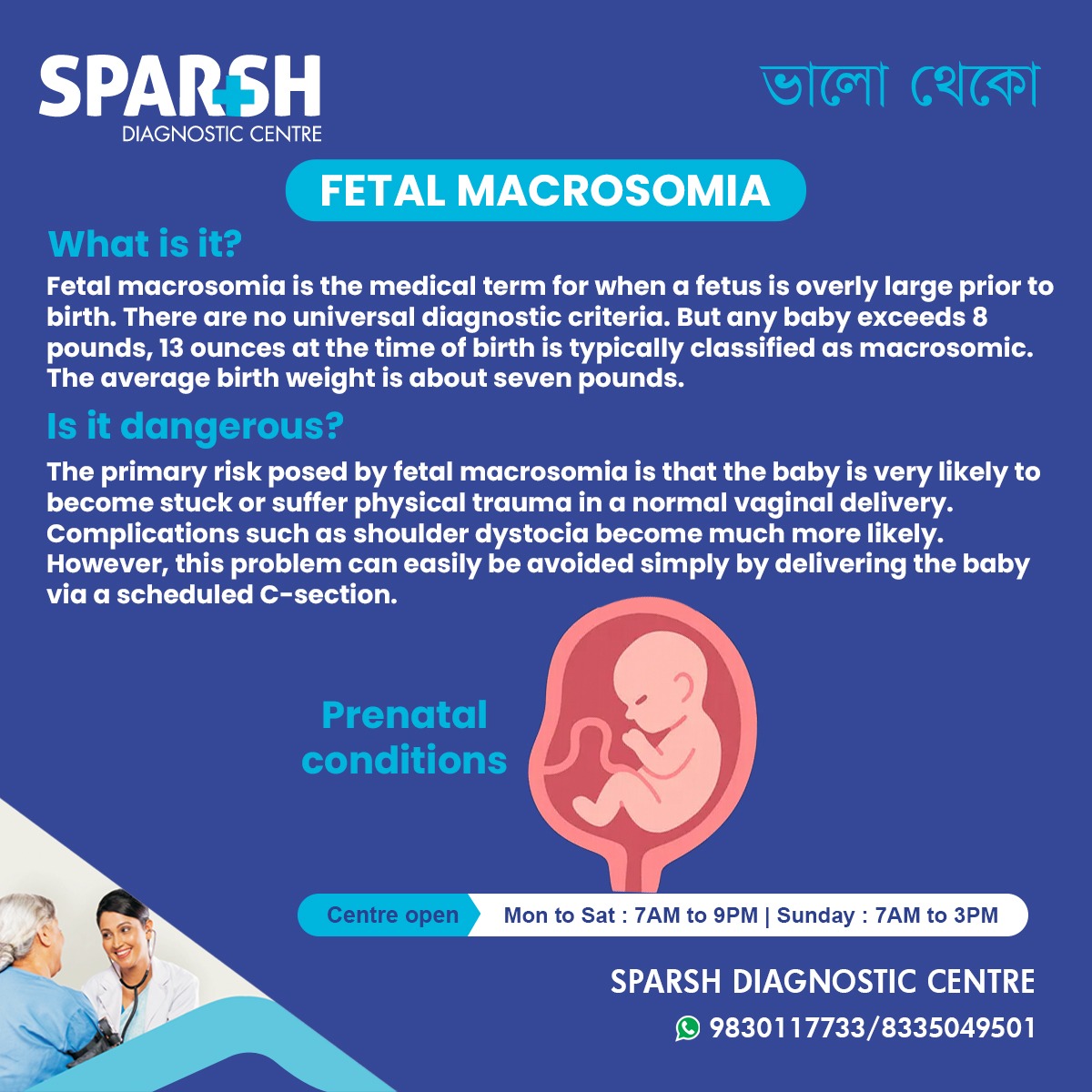
Fetal macrosomia refers to a condition in which a fetus grows larger than normal during pregnancy. Although there is no universally accepted definition, most healthcare professionals consider a newborn weighing more than 4,000 grams (8 pounds, 13 ounces) or 4,500 grams (9 pounds, 15 ounces) at birth to be macrosomic.
The average newborn weighs around 3,200–3,500 grams (7–8 pounds). Babies with fetal macrosomia exceed this range significantly, which can make vaginal delivery more challenging and increase the likelihood of birth-related complications.
It’s important to note that fetal macrosomia is not a disease itself. Rather, it is a growth condition that may result from various maternal, fetal, and pregnancy-related factors.
How Common Is Fetal Macrosomia?
Fetal macrosomia affects approximately 5–15% of pregnancies worldwide, depending on the population studied and the criteria used for diagnosis. The condition has become more common in recent years due to rising rates of obesity, gestational diabetes, and maternal age.
Many cases are not identified until delivery, as estimating fetal weight before birth is not always perfectly accurate.
What Causes Fetal Macrosomia?
Several factors can contribute to excessive fetal growth. Often, more than one factor is involved.
Maternal Diabetes
One of the most common causes of fetal macrosomia is diabetes during pregnancy, including:
High blood sugar levels in the mother cross the placenta and stimulate the baby’s pancreas to produce extra insulin. This increased insulin acts as a growth hormone, causing the baby to gain excessive weight.
Maternal Obesity
Women who are overweight or obese before pregnancy have a higher likelihood of carrying a larger baby. Excess maternal body weight can influence fetal growth through metabolic and hormonal changes.
Excessive Weight Gain During Pregnancy
Gaining more weight than recommended during pregnancy may increase the risk of fetal macrosomia.
Previous Macrosomic Baby
Women who have previously delivered a large baby are more likely to have another pregnancy affected by fetal macrosomia.
Prolonged Pregnancy
Pregnancies that continue beyond 40 weeks allow the fetus additional time to grow, increasing the chance of macrosomia.
Genetic Factors
Sometimes, large babies simply run in families. Parents with larger body frames may naturally have larger infants.
Male Fetuses
Male babies tend to weigh slightly more than female babies and are more commonly associated with fetal macrosomia.
Advanced Maternal Age
Women over the age of 35 may have a slightly increased risk of delivering a macrosomic baby.
Risk Factors for Fetal Macrosomia
Certain factors increase the likelihood of developing fetal macrosomia:
- Gestational diabetes
- Pre-existing diabetes
- Maternal obesity
- Excessive pregnancy weight gain
- Previous large baby
- Pregnancy beyond 40 weeks
- Advanced maternal age
- Multiple previous pregnancies
- Family history of large babies
- Male fetus
Having one or more risk factors does not guarantee fetal macrosomia, but it may increase the probability.
Signs and Symptoms of Fetal Macrosomia
Fetal macrosomia itself usually does not cause noticeable symptoms. However, healthcare providers may suspect the condition during routine prenatal examinations.
Possible indicators include:
Larger Than Expected Fundal Height
Fundal height measures the distance from the pubic bone to the top of the uterus. A measurement larger than expected for the gestational age may indicate excessive fetal growth.
Rapid Maternal Weight Gain
Unexpected or excessive weight gain during pregnancy can sometimes be associated with fetal macrosomia.
Increased Amniotic Fluid
Polyhydramnios, or excessive amniotic fluid, may occur alongside fetal macrosomia.
Since these signs are not definitive, further evaluation is usually required.
How Is Fetal Macrosomia Diagnosed?
Diagnosing fetal macrosomia before birth can be challenging because estimating fetal weight is not exact.
Physical Examination
During prenatal visits, healthcare providers assess:
- Fundal height
- Maternal weight gain
- Abdominal measurements
These findings may raise suspicion of a larger-than-average fetus.
Ultrasound Examination
Ultrasound is the most common method used to estimate fetal size. Measurements typically include:
- Head circumference
- Abdominal circumference
- Femur length
These measurements are used to estimate fetal weight.
Although ultrasound is valuable, it is not always completely accurate, especially in late pregnancy.
Assessment of Maternal Risk Factors
Healthcare providers evaluate maternal health conditions such as diabetes and obesity to determine the likelihood of macrosomia.
Complications of Fetal Macrosomia
The primary concern with fetal macrosomia is the increased risk of complications during labor and delivery.
Complications for the Baby
Shoulder Dystocia
Shoulder dystocia occurs when the baby’s shoulder becomes stuck behind the mother’s pelvic bone after the head is delivered. This is considered a medical emergency.
Potential consequences include:
- Nerve injuries
- Fractures of the collarbone
- Reduced oxygen supply
- Birth trauma
Birth Injuries
Larger babies may experience:
- Brachial plexus injuries
- Bone fractures
- Soft tissue injuries
Low Blood Sugar After Birth
Babies born to mothers with diabetes may develop neonatal hypoglycemia shortly after delivery.
Respiratory Difficulties
Some infants may experience breathing challenges after birth.
Increased Risk of Childhood Obesity
Research suggests that babies with high birth weights may have an increased risk of obesity and metabolic disorders later in life.
Complications for the Mother
Difficult Labor
Large babies can make vaginal delivery more difficult and prolonged.
Increased Risk of Cesarean Delivery
Many cases of suspected macrosomia result in planned or emergency cesarean sections.
Perineal Tears
The risk of significant vaginal and perineal tearing increases during the delivery of a large baby.
Postpartum Hemorrhage
Excessive bleeding after childbirth is more common in pregnancies complicated by fetal macrosomia.
Uterine Rupture
Although rare, uterine rupture may occur in certain high-risk situations, especially among women attempting vaginal birth after cesarean (VBAC).
Can Fetal Macrosomia Be Prevented?
Not all cases of fetal macrosomia can be prevented. However, certain measures can significantly reduce the risk.
Manage Blood Sugar Levels
Proper management of gestational diabetes is one of the most effective strategies for preventing excessive fetal growth.
This may include:
- Regular blood sugar monitoring
- Healthy eating habits
- Physical activity
- Medication or insulin when necessary
Maintain a Healthy Weight Before Pregnancy
Achieving a healthy weight before conception can reduce the likelihood of complications, including fetal macrosomia.
Follow Recommended Pregnancy Weight Gain Guidelines
Healthcare providers recommend specific weight gain ranges based on pre-pregnancy BMI.
Attend Regular Prenatal Checkups
Routine prenatal care helps identify risk factors early and allows for appropriate interventions.
Stay Physically Active
Safe pregnancy exercises, when approved by a healthcare provider, can support healthy weight management and blood sugar control.
Management and Treatment of Fetal Macrosomia
The management approach depends on the estimated fetal weight, maternal health, and pregnancy circumstances.
Careful Monitoring
Pregnancies at risk for fetal macrosomia require close observation through:
- Regular prenatal visits
- Ultrasound examinations
- Blood sugar monitoring
- Assessment of fetal well-being
Induction of Labor
In certain situations, labor may be induced before the baby grows larger. However, induction is not routinely recommended solely for suspected macrosomia unless specific medical reasons exist.
Planned Cesarean Section
A healthcare provider may recommend a scheduled cesarean delivery if:
- The estimated fetal weight is extremely high
- The mother has diabetes
- There is a significant risk of shoulder dystocia
- Previous delivery complications occurred
A cesarean section can reduce the likelihood of birth trauma in selected cases.
Individualized Delivery Planning
Every pregnancy is unique. Healthcare providers consider:
- Maternal pelvic anatomy
- Estimated fetal size
- Medical history
- Previous childbirth experiences
to determine the safest delivery method.
Fetal Macrosomia and Gestational Diabetes
The relationship between gestational diabetes and fetal macrosomia is particularly important.
When maternal blood glucose levels remain elevated, the fetus receives excess sugar through the placenta. In response, the baby’s pancreas produces more insulin, leading to increased fat storage and accelerated growth.
Women diagnosed with gestational diabetes should work closely with their healthcare team to maintain optimal blood sugar control throughout pregnancy.
Proper management significantly lowers the risk of fetal macrosomia and related complications.
Long-Term Outlook
Most babies born with fetal macrosomia grow up healthy without significant long-term issues. However, some studies suggest an increased risk of:
- Childhood obesity
- Insulin resistance
- Metabolic syndrome
- Type 2 diabetes later in life
Early adoption of healthy lifestyle habits can help reduce these risks.
For mothers, experiencing fetal macrosomia may increase the likelihood of:
- Future pregnancies with large babies
- Gestational diabetes in subsequent pregnancies
- Development of type 2 diabetes later in life, particularly after gestational diabetes
Regular follow-up care and healthy lifestyle choices remain important after delivery.
When Should You Consult a Doctor?
Contact your healthcare provider if you:
- Have gestational diabetes
- Experience rapid weight gain during pregnancy
- Are carrying beyond your due date
- Have previously delivered a large baby
- Notice concerns about fetal growth during prenatal visits
Early monitoring and intervention can improve outcomes for both mother and baby.
Frequently Asked Questions (FAQs)
What birth weight is considered fetal macrosomia?
Fetal macrosomia generally refers to a newborn weighing more than 4,000 grams (8 pounds, 13 ounces), although some healthcare providers use 4,500 grams (9 pounds, 15 ounces) as the threshold.
Is fetal macrosomia dangerous?
It can increase the risk of complications during delivery, including shoulder dystocia, birth injuries, cesarean delivery, and postpartum bleeding. However, many babies with fetal macrosomia are born healthy.
Can ultrasound accurately detect fetal macrosomia?
Ultrasound can estimate fetal weight, but it is not perfectly accurate. Weight estimates may vary by several hundred grams.
Does gestational diabetes always cause fetal macrosomia?
No. Well-controlled gestational diabetes often results in normal fetal growth. Poorly controlled blood sugar levels increase the risk.
Can I have a normal vaginal delivery if my baby has fetal macrosomia?
Many women successfully deliver large babies vaginally. The decision depends on the estimated fetal weight, maternal health, and individual pregnancy circumstances.
Is a cesarean section always necessary?
Not necessarily. A cesarean section may be recommended when the risk of complications is high, but many cases can still be managed with planned vaginal delivery.
Can fetal macrosomia be prevented?
While not all cases are preventable, maintaining a healthy weight, controlling diabetes, attending regular prenatal visits, and following medical advice can reduce the risk.
Will future pregnancies also be affected?
Women who have previously delivered a macrosomic baby are at higher risk of experiencing fetal macrosomia in future pregnancies.
Fetal macrosomia is a condition in which a baby grows significantly larger than average before birth. While many pregnancies involving large babies proceed without major problems, the condition can increase the risk of complications for both mother and child during delivery.
Understanding the causes, risk factors, symptoms, and management options allows expectant parents to work closely with healthcare providers and make informed decisions. Regular prenatal care, healthy lifestyle habits, proper diabetes management, and timely medical guidance are key to ensuring the safest possible outcome for both mother and baby.
To consult a Doctor at Sparsh Diagnostic Centre, call our helpline numbers 9830117733/ 8335049501.
#BhaloTheko
Disclaimer:
No content on this site, regardless of date, should ever be used as a substitute for direct medical advice from your doctor or other qualified clinician.