


Diabetes has emerged as one of the fastest-growing health challenges worldwide. According to the International Diabetes Federation (IDF), more than 589 million adults are living with diabetes in 2025, and the number is projected to rise steadily in the coming decades. Despite being a chronic condition, diabetes can be effectively managed through a combination of lifestyle modifications, medical interventions, and consistent monitoring.
Diabetes management is not about temporary fixes—it is about creating long-term healthy habits that help maintain blood glucose levels, prevent complications, and improve quality of life. In this blog, we will cover every aspect of diabetes management: from understanding the basics to implementing practical strategies, including diet, exercise, medication, stress management, and preventive care.
What is Diabetes?
Diabetes is a metabolic disorder characterized by elevated levels of blood glucose (sugar). This happens either because the body does not produce enough insulin (Type 1 diabetes) or because it cannot effectively use the insulin it produces (Type 2 diabetes). Over time, high blood sugar can lead to serious complications, affecting the heart, kidneys, eyes, nerves, and blood vessels.
The three main types of diabetes are:
Type 1 Diabetes – An autoimmune condition where the pancreas produces little or no insulin.
Type 2 Diabetes – The most common form, where the body becomes resistant to insulin or does not make enough.
Gestational Diabetes – Diabetes that develops during pregnancy and usually resolves after childbirth but increases the risk of Type 2 diabetes later.
Why is Diabetes Management Important?
Uncontrolled diabetes can lead to multiple complications, including:
Heart disease and stroke
Increased risk of Alzheimer’s and depression
Effective diabetes management lowers these risks significantly. According to the American Diabetes Association (ADA), maintaining blood glucose, blood pressure, and cholesterol levels within the target range can prevent or delay complications.
Diabetes management is as simple as learning the alphabet. Healthcare professionals often emphasize the “ABC” approach:
HbA1C Below 6% for Managing Diabetes
- The HbA1C test reflects your blood glucose control over the past 2-3 months.
- Work with your blood to have your own personal HbA1C goal.
- Every 1% over 6% elevates the risk for diabetes complications.
- Your blood glucose will stay lower with exercise and restricted calorie intake.
Blood Pressure Below 120/80 for Managing Diabetes
- Up to 60% of people with diabetes suffer from High Blood Pressure.
- High blood pressure can cause heart attack, stroke and kidney disease.
- Blood pressure remains low when you restrict sodium in your diet.
Cholesterol & Lipid in Check for Managing Diabetes
- The LDL goal for most people is below 100.
- The HDL goal for most people is above 40 for men and 50 for pre-menopausal women.
- Keep triglycerides lower than 150.
If you have diabetes you are more prone to lipid abnormalities and heart disease
- LDL or ”bad” cholesterol can cause clogging of your blood vessels (atherosclerosis) and cause heart attack or stroke.
- LDL stays low when you eat less saturated fat and cholesterol from animal foods..
- HDL or ”good” cholesterol helps remove cholesterol from your blood vessels.
- HDL stays high when you exercise, eat fish and dietary fibers and lead a healthy life.


Key Components of Diabetes Management
1. Monitoring Blood Sugar Levels
Regular monitoring helps you understand how food, activity, medication, and stress affect your glucose levels.
Common methods include fingerstick testing and continuous glucose monitoring (CGM) devices.
Keep a diabetes diary to track patterns.
2. Healthy Eating for Diabetes
Diet plays the most critical role in diabetes management. The goal is not deprivation but balanced nutrition.
Key dietary recommendations:
Choose complex carbohydrates (whole grains, legumes, vegetables) over refined carbs.
Include fiber-rich foods to slow sugar absorption.
Opt for lean proteins (fish, chicken, tofu, beans).
Incorporate healthy fats (olive oil, nuts, seeds, avocados).
Limit added sugars, fried foods, and processed snacks.
Control portion sizes using the plate method (½ vegetables, ¼ protein, ¼ carbs).
Diabetes-friendly superfoods include:
Leafy greens (spinach, kale)
Berries
Fatty fish (salmon, sardines)
Nuts & seeds
Whole grains (oats, quinoa, brown rice)
3. Exercise and Physical Activity
Exercise increases insulin sensitivity, lowers blood glucose, and improves cardiovascular health.
Aim for 150 minutes of moderate-intensity aerobic activity per week (e.g., brisk walking, cycling, swimming).
Include 2–3 sessions of strength training to build muscle mass.
Practice flexibility and balance exercises (yoga, stretching).
Stay active throughout the day: take stairs, walk after meals, and avoid prolonged sitting.
4. Medication and Insulin Therapy
Some people with diabetes need medication or insulin to keep blood glucose within target range.
Oral medications: Metformin, sulfonylureas, DPP-4 inhibitors, SGLT2 inhibitors, GLP-1 receptor agonists.
Insulin therapy: Needed for all Type 1 diabetics and some with advanced Type 2 diabetes.
Medication must be taken as prescribed—skipping doses can lead to serious health risks.
5. Weight Management
Maintaining a healthy weight helps regulate blood sugar levels and reduces the risk of heart disease.
Even a 5–10% reduction in body weight can significantly improve insulin sensitivity.
Combine diet and exercise for sustainable weight management.
6. Stress Management
Stress increases blood sugar levels through the release of cortisol.
Practice meditation, deep breathing, or yoga.
Engage in hobbies and maintain a strong support system.
7. Regular Health Check-ups
People with diabetes need more frequent medical check-ups to prevent complications.
Annual eye exam (for diabetic retinopathy).
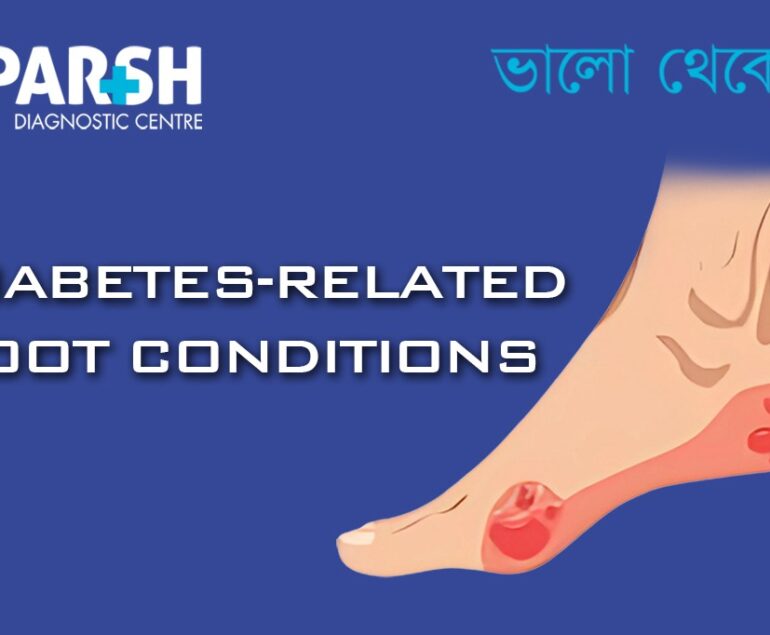
Regular foot exam (to prevent ulcers and infections).
Kidney function tests (urine microalbumin, serum creatinine).
Lipid profile and blood pressure checks.
Natural & Home Remedies for Diabetes Management
While medications are essential for many patients, natural remedies can complement treatment:
Fenugreek seeds – Improve insulin sensitivity.
Cinnamon – May lower blood sugar.
Bitter gourd (karela) – Known to reduce glucose levels.
Aloe vera juice – Has shown promising effects in blood sugar control.
(Always consult your doctor before trying herbal remedies.)
Technology in Diabetes Management
Modern tools have revolutionized diabetes care:
Continuous Glucose Monitors (CGMs) provide real-time readings.
Insulin pumps deliver controlled doses without injections.
Mobile apps help track food, exercise, and sugar levels.
Telemedicine allows easy consultations with specialists.
Preventing Diabetes Complications
Long-term complications are preventable with consistent care:
Keep HbA1c below 6.5%.
Maintain blood pressure <120/80 mmHg.
Follow a low-sodium, heart-healthy diet.
Wear comfortable footwear and inspect feet daily.
Quit smoking and limit alcohol intake.
Living Well with Diabetes
Diabetes does not have to limit your life. With the right lifestyle adjustments, many people live long, healthy, and active lives. Support groups, educational workshops, and community programs also help patients cope with the emotional challenges of living with diabetes.
Frequently Asked Questions (FAQs)
Q1: Can diabetes be cured?
No, diabetes cannot be cured, but it can be managed effectively. With lifestyle changes, medication, and regular monitoring, many patients achieve near-normal blood sugar levels.
Q2: What is the best diet for diabetes?
A balanced diet rich in whole grains, vegetables, lean proteins, healthy fats, and fiber is best. Avoid refined sugars and processed foods.
Q3: How often should I check my blood sugar?
It depends on your treatment plan. Some may need to check multiple times daily, while others may check less frequently. Your doctor will guide you.
Q4: Is exercise safe for people with diabetes?
Yes, exercise is not only safe but highly recommended. Always check your blood sugar before and after workouts and carry a quick snack to prevent hypoglycemia.
Q5: What is a dangerous blood sugar level?
Blood sugar above 250 mg/dL or below 70 mg/dL can be dangerous. Seek immediate medical attention if symptoms occur.
Q6: Can stress raise blood sugar levels?
Yes, stress hormones like cortisol and adrenaline can increase blood glucose. Managing stress is a key part of diabetes care.
Q7: What is the normal HbA1c level?
Normal: <5.6%
Pre-diabetic: 5.6–6.5%
Diabetic: >6.5%
Diabetes management requires a holistic approach that combines healthy eating, regular exercise, medication adherence, weight control, stress management, and consistent monitoring. By focusing on the ABC goals (A1C, Blood Pressure, Cholesterol) and making smart lifestyle choices, individuals with diabetes can live a long, healthy, and fulfilling life.
If you or your loved one has diabetes, remember—it is not the end, but the beginning of a healthier lifestyle journey.
To consult a Doctor at Sparsh Diagnostic Centre regarding diabetes management, call our helpline number 9830117733.
#BhaloTheko
Disclaimer:
No content on this site, regardless of date, should ever be used as a substitute for direct medical advice from your doctor or other qualified clinician.




[…] Control blood sugar levels. […]
[…] check-ups is the early detection of health problems. Many chronic diseases, such as hypertension, diabetes, and high cholesterol, develop gradually and can remain asymptomatic for years. Regular screenings […]
[…] Diabetes: Controlling blood sugar can slow progression. […]
[…] Endocrine disorders (e.g., Addison’s disease, diabetes) […]
[…] Chronic Conditions Control conditions like diabetes and high blood pressure to protect kidney […]
[…] Diabetes (Type 1 or 2, even gestational diabetes) […]
[…] diabetes, high blood pressure, and cholesterol levels to reduce the burden on both your heart and oral […]
[…] 3. Manage Blood Sugar […]
[…] Managing diabetes and cholesterol levels through diet and medications. […]
[…] and Cholesterol Control: If you have diabetes or high cholesterol, work with your healthcare provider to effectively manage these […]
[…] Diabetes Management: Proper management of blood sugar levels can reduce excessive urine production in individuals with diabetes. […]
[…] can increase the likelihood of having a stroke. Common causes include high blood pressure, smoking, diabetes, high cholesterol, obesity, physical inactivity, excessive alcohol consumption, and certain medical […]
[…] Poorly managed diabetes: Poor diabetes control, whether due to non-adherence to medication or other factors, increases the risk of kidney complications. […]