Knee pain can quietly creep into your routine—or hit you suddenly after a tough workout. One of the most common culprits, especially among active individuals, is Patellar Tendinitis, often called jumper’s knee. While it’s frequently associated with athletes, it can affect anyone who puts repeated stress on their knees.
Let’s break it down in a way that’s easy to understand, practical, and actually useful if you’re dealing with knee discomfort.
What Is Patellar Tendinitis?
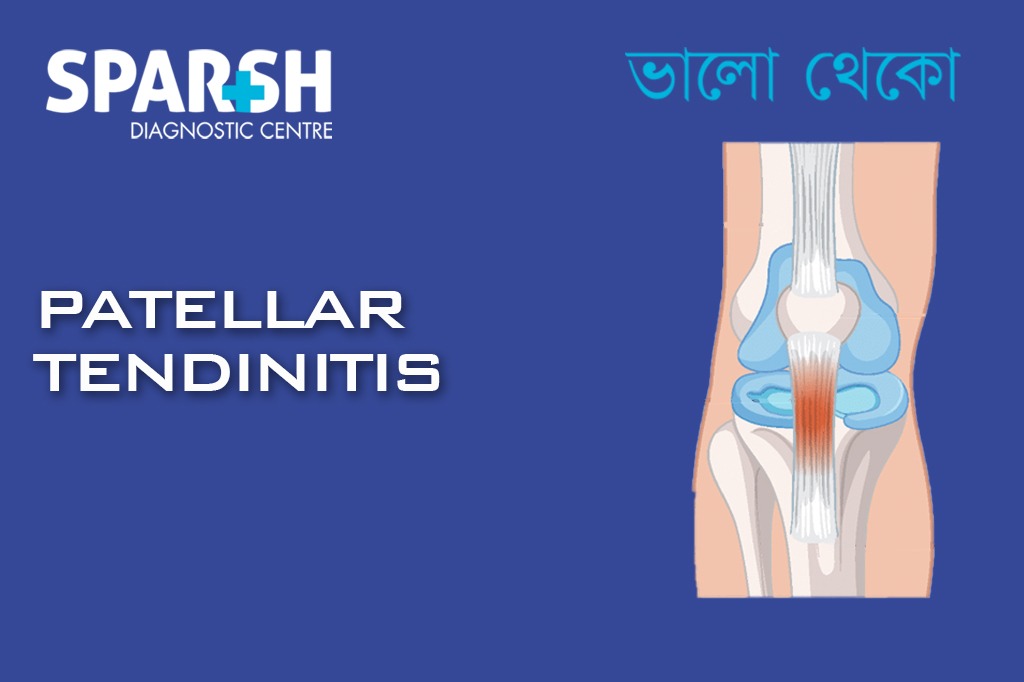
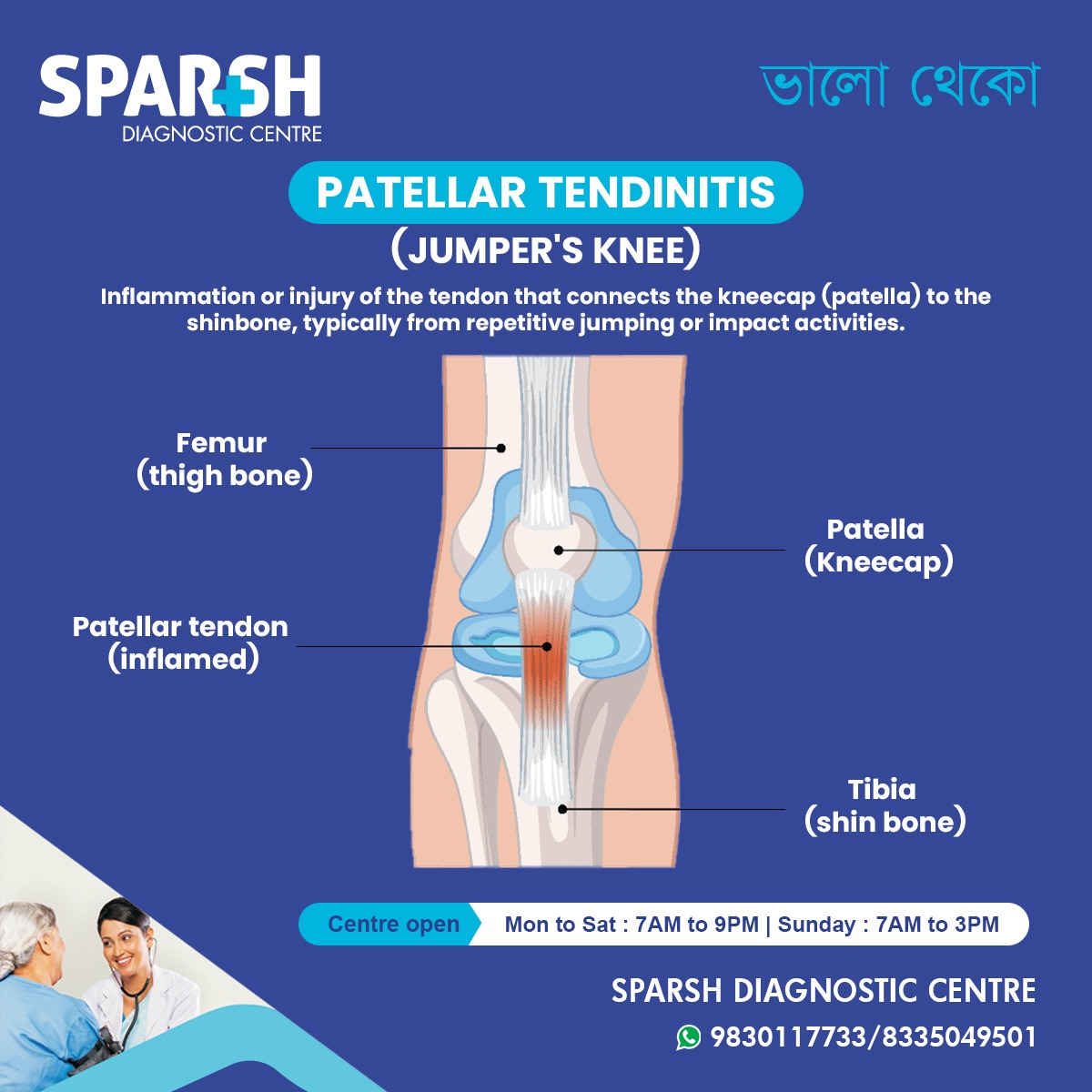
Patellar tendinitis is an overuse injury that affects the tendon connecting your kneecap (patella) to your shinbone (tibia). This tendon plays a crucial role in helping you straighten your knee—something you do every time you walk, run, jump, or even stand up from a chair.
When this tendon is repeatedly stressed—especially through activities like jumping, running, or sudden direction changes—it can become irritated, inflamed, and eventually weakened.
Despite the name “tendinitis,” which suggests inflammation, long-term cases often involve degeneration of the tendon rather than just inflammation. That’s why some experts also refer to it as patellar tendinopathy.
Why Is It Called Jumper’s Knee?
The nickname comes from its strong association with sports that involve frequent jumping. Think basketball, volleyball, and athletics. Every time you jump and land, your patellar tendon absorbs a significant amount of force. Over time, that repetitive stress can lead to micro-tears and pain.
But here’s the catch—it’s not just athletes. Even people who:
- Start a new workout routine too aggressively
- Suddenly increase activity levels
- Have physically demanding jobs
can develop this condition.
Causes of Patellar Tendinitis
At its core, patellar tendinitis is caused by repetitive strain. But several factors can increase your risk:
1. Overuse and Repetitive Motion
Repeated jumping, running, or squatting puts continuous pressure on the tendon.
2. Sudden Increase in Activity
Going from minimal activity to intense workouts without proper conditioning is a common trigger.
3. Muscle Imbalance
Tight or weak thigh muscles (quadriceps and hamstrings) can shift stress onto the tendon.
4. Poor Technique
Incorrect jumping or landing mechanics can overload the knee.
5. Hard Surfaces
Training on concrete or uneven surfaces increases impact stress.
6. Inadequate Footwear
Shoes without proper support can alter your biomechanics.
Symptoms You Shouldn’t Ignore
Patellar tendinitis often starts subtly but can worsen if left untreated.
Early Symptoms
- Mild pain just below the kneecap
- Discomfort after physical activity
- Slight stiffness in the knee
Progressive Symptoms
- Pain during activity (not just after)
- Tenderness when pressing the tendon
- Swelling around the kneecap
- Weakness in the knee
Advanced Symptoms
- Persistent pain even at rest
- Difficulty climbing stairs or standing up
- Reduced athletic performance
A key sign is pain that worsens with activity and improves with rest—at least in the early stages.
Who Is Most at Risk?
While anyone can develop this condition, certain groups are more vulnerable:
- Athletes in jumping sports
- Runners
- Gym-goers doing heavy leg workouts
- Teenagers during growth spurts
- People with previous knee injuries
Men tend to develop it slightly more often than women, possibly due to differences in activity patterns and muscle loading.
How Is Patellar Tendinitis Diagnosed?
Diagnosis usually begins with a physical examination. A doctor will:
- Ask about your symptoms and activity level
- Check for tenderness around the patellar tendon
- Assess knee movement and strength
In some cases, imaging tests may be recommended:
- Ultrasound to detect tendon damage
- MRI for detailed imaging of soft tissues
These tests help confirm the diagnosis and rule out other knee problems like ligament injuries or cartilage damage.
Treatment: What Actually Works?
The good news? Most cases can be managed without surgery—if caught early.
1. Rest and Activity Modification
This is the foundation of recovery. You don’t have to stop all movement, but you should avoid activities that trigger pain.
2. Ice Therapy
Applying ice for 15–20 minutes a few times a day can help reduce pain and inflammation.
3. Pain Relief Medication
Over-the-counter options like Ibuprofen may help, but they should be used cautiously and not as a long-term solution.
4. Physical Therapy
This is where real recovery happens. A structured rehab program may include:
- Stretching exercises for flexibility
- Strength training (especially eccentric exercises)
- Balance and stability work
5. Patellar Straps or Braces
These can reduce strain on the tendon during movement.
6. Advanced Treatments (If Needed)
- Platelet-rich plasma (PRP) injections
- Shockwave therapy
- Corticosteroid injections (used sparingly)
7. Surgery (Rare Cases)
Only considered when conservative treatments fail after several months.
The Role of Exercise in Recovery
Exercise might sound counterintuitive when you’re in pain—but the right kind is essential.
Eccentric Strength Training
This involves lengthening the muscle under tension, which helps repair and strengthen the tendon.
Examples include:
- Slow squats
- Decline squats
- Controlled lunges
Stretching
Focus on:
- Quadriceps
- Hamstrings
- Calf muscles
Consistency matters more than intensity here.
How Long Does Recovery Take?
Recovery time varies depending on severity:
- Mild cases: 2–4 weeks
- Moderate cases: 6–12 weeks
- Severe cases: Several months
One common mistake is returning to full activity too soon. This often leads to relapse.
Can You Prevent Patellar Tendinitis?
Absolutely—and prevention is often simpler than treatment.
1. Warm Up Properly
Always prepare your muscles before intense activity.
2. Build Strength Gradually
Avoid sudden spikes in training intensity.
3. Improve Technique
Learn proper jumping and landing mechanics.
4. Wear Proper Footwear
Choose shoes that provide good support and cushioning.
5. Cross-Train
Mix high-impact and low-impact activities to reduce strain.
6. Listen to Your Body
Pain is not something to push through—especially persistent pain.
When Should You See a Doctor?
Don’t wait it out if:
- Pain persists for more than a few weeks
- It interferes with daily activities
- Swelling or stiffness worsens
- You feel weakness or instability in the knee
Early treatment can prevent long-term complications.
Living With Patellar Tendinitis
This condition can be frustrating—especially if you’re used to an active lifestyle. But with the right approach, most people recover fully and return to their normal routines.
The key is patience. Tendons take time to heal, and pushing too hard too soon can set you back.
Think of recovery as a gradual rebuild, not a quick fix.
FAQ Section
1. Is patellar tendinitis permanent?
No, most cases are temporary and improve with proper treatment. However, ignoring it can lead to chronic issues.
2. Can I continue exercising with jumper’s knee?
Yes, but you’ll need to modify your routine. Avoid high-impact activities and focus on low-impact exercises like cycling or swimming.
3. What is the fastest way to heal patellar tendinitis?
There’s no instant cure, but a combination of rest, physical therapy, and gradual strengthening offers the best results.
4. Are knee braces effective?
They can help reduce strain and provide support, especially during activity, but they don’t replace proper rehabilitation.
5. Can patellar tendinitis heal on its own?
Mild cases may improve with rest, but structured rehab significantly speeds up recovery and reduces recurrence.
6. Is surgery common for this condition?
No, surgery is rare and usually only considered when all other treatments fail.
7. What exercises should I avoid?
Avoid jumping, running, deep squats, and any movement that causes sharp pain.
To consult an Orthopedic Surgeon at Sparsh Diagnostic Centre, call our helpline numbers 9830117733/ 8335049501.
#BhaloTheko
Disclaimer:
No content on this site, regardless of date, should ever be used as a substitute for direct medical advice from your doctor or other qualified clinician.