

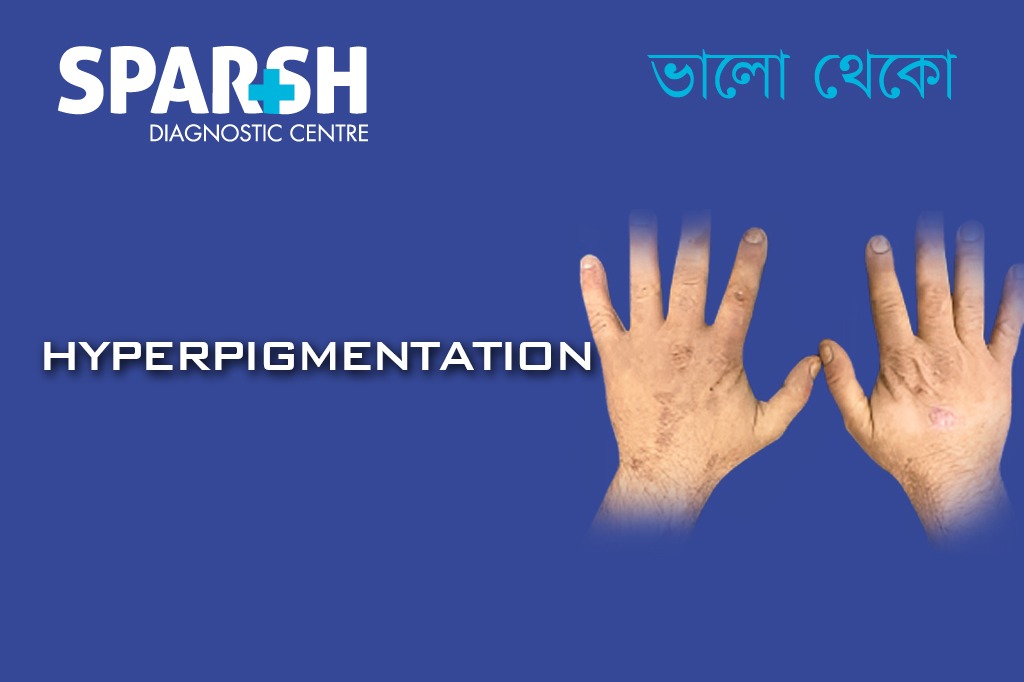
Hyperpigmentation is one of the most common reasons people notice uneven skin tone, dark patches or stubborn spots on the face and body. It can appear after acne, sun exposure, hormonal changes, skin inflammation or certain medications. In some cases, it is simply part of the natural ageing process. In others, persistent or widespread pigmentation may be a sign of an underlying health problem.
The good news is that hyperpigmentation can often be lightened significantly. However, the right treatment depends on why the pigmentation developed, how deeply the pigment sits in the skin and whether the trigger is still present.
Hyperpigmentation happens when the skin produces or deposits more melanin than usual, making an area appear darker than the surrounding skin. It can look brown, tan, black, grey, pink or even purple depending on the cause and the individual’s skin tone.
This guide explains the causes of hyperpigmentation, treatment options, skincare ingredients, vitamin deficiencies, prevention strategies and the answers to some of the most commonly searched questions about dark spots.
What is hyperpigmentation?
Hyperpigmentation simply means that an area of skin has become darker than its usual colour because of increased melanin or changes in how pigment is distributed.
Melanin is the natural pigment responsible for the colour of your skin, hair and eyes. It also provides some protection against ultraviolet radiation. When melanocytes, the pigment-producing cells in the skin, become more active, excess melanin can accumulate and create darker patches.
Hyperpigmentation can occur almost anywhere, although it is particularly noticeable on areas exposed to sunlight, including the:
- Face
- Forehead
- Cheeks
- Upper lip
- Neck
- Hands
- Arms
- Chest
It can affect people of every skin tone. However, pigmentation after inflammation is particularly common and noticeable in people with darker skin tones.
What is the difference between skin pigmentation and hyperpigmentation?
Skin pigmentation is a broad term referring to the colour of your skin, which is primarily determined by melanin. Normal pigmentation is a natural and healthy part of the skin.
Hyperpigmentation, on the other hand, means there is more pigmentation than expected in a particular area, causing it to appear darker than the surrounding skin.
For example, your natural skin colour is pigmentation. A dark mark left behind after an acne spot heals is hyperpigmentation.
There are also conditions involving reduced pigmentation, known as hypopigmentation, where areas of skin become lighter than the surrounding skin.
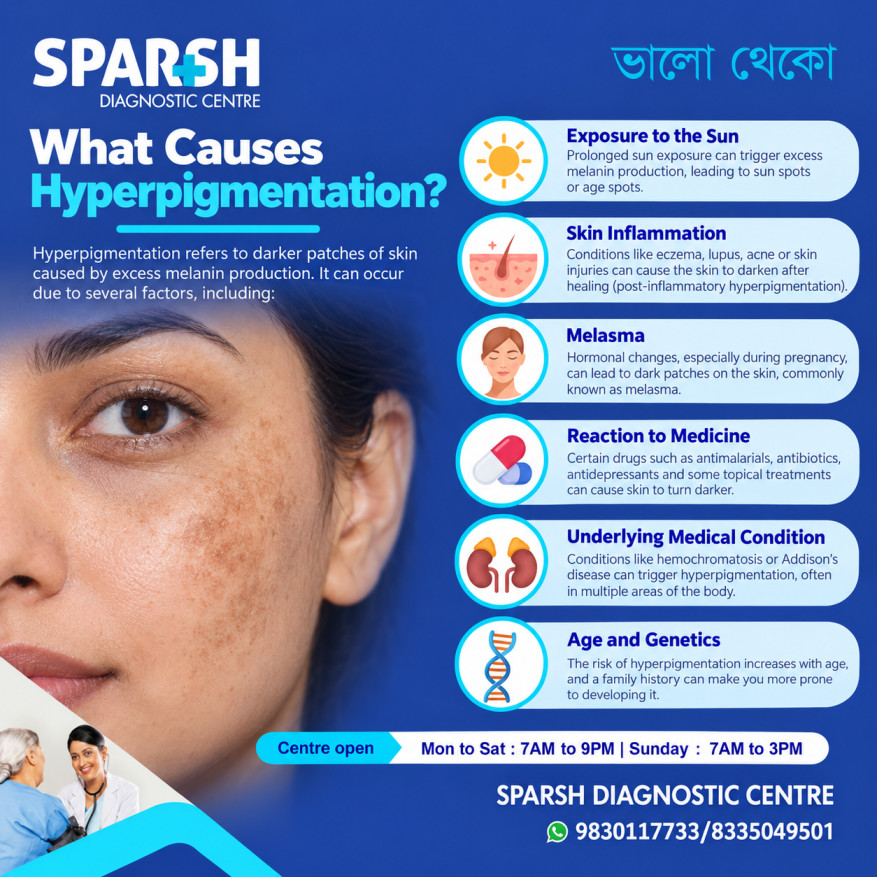
What is hyperpigmentation caused by?
There is no single cause. Hyperpigmentation develops for several different reasons, and identifying the trigger is an important part of treatment.
1. Sun exposure
Sunlight is one of the most important causes of hyperpigmentation.
UV radiation stimulates melanocytes to produce more melanin. Over time, repeated sun exposure can result in freckles, sun spots and other forms of uneven pigmentation. Existing pigmentation can also become darker with continued exposure.
This is why treating pigmentation without protecting the skin from sunlight often produces disappointing results.
2. Acne and skin inflammation
Have you ever noticed a dark mark where a pimple used to be?
That is often post-inflammatory hyperpigmentation (PIH). Acne, eczema, rashes, burns, cuts and other forms of skin inflammation can stimulate pigment production.
The original acne may disappear within days or weeks, but the dark mark can remain for considerably longer.
3. Melasma
Melasma causes brown or grey-brown patches, particularly on the cheeks, forehead and upper lip. Hormonal changes associated with pregnancy, oral contraceptive pills and other hormonal factors can contribute to melasma. Sun exposure can make it worse.
Melasma can be stubborn and frequently requires long-term maintenance rather than a one-time treatment.
4. Hormonal changes
Pregnancy, hormonal medication and other hormonal fluctuations can affect melanocyte activity.
The pigmentation commonly associated with pregnancy is often called melasma or chloasma.
5. Medicines
Certain medicines can contribute to skin pigmentation, either directly or by making the skin more sensitive to sunlight. Some antibiotics, antimalarial medicines and other drugs have been associated with pigmentation changes.
If you suspect a medicine is responsible, do not stop a prescribed medicine on your own. Discuss it with your doctor.
6. Ageing
Ageing does not automatically cause hyperpigmentation, but years of cumulative sun exposure can make pigmentation more noticeable.
Sun spots, sometimes called solar lentigines, become increasingly common with age and prolonged UV exposure.
7. Medical conditions
Less commonly, widespread or unusual pigmentation may be associated with conditions such as Addison’s disease, thyroid disorders, diabetes and certain other systemic conditions.
When pigmentation appears suddenly, spreads rapidly or is accompanied by other symptoms, medical evaluation is worthwhile.
8. Vitamin deficiencies
Some nutritional deficiencies can contribute to pigmentation changes. Vitamin B12 deficiency is particularly recognised as a possible cause of hyperpigmentation.
However, taking vitamins without establishing a deficiency is unlikely to solve ordinary sun-related pigmentation.
At what age does hyperpigmentation start?
There is no specific age when hyperpigmentation begins.
It can occur during childhood or adolescence because of freckles, acne or inflammation. Hormonal pigmentation may develop during the reproductive years, while sun spots and age-related pigmentation tend to become more noticeable later in life.
In other words, hyperpigmentation is not exclusively an ageing problem.
Someone in their 20s can have significant pigmentation from acne or melasma, while someone older may develop sun spots after decades of UV exposure.
How do I remove hyperpigmentation?
The first step is to identify the cause.
A useful treatment plan generally has three goals:
- Stop the trigger.
- Reduce excess pigment.
- Prevent new pigmentation from developing.
Daily sun protection is fundamental. Dermatologists commonly recommend broad-spectrum sunscreen with SPF 30 or higher, alongside shade, protective clothing and hats.
Depending on the type of pigmentation, treatments may include:
- Vitamin C
- Niacinamide
- Azelaic acid
- Retinoids
- Kojic acid
- Glycolic acid
- Hydroquinone under appropriate medical supervision
- Tranexamic acid in selected cases
- Chemical peels
- Laser or light-based treatments
The best option varies considerably between melasma, acne-related pigmentation and sun spots. Some procedures can actually worsen pigmentation if the skin becomes inflamed, particularly when treatment is not appropriately selected for the person’s skin type.
What cream is best for hyperpigmentation?
There is no single best cream for every type of hyperpigmentation.
For mild pigmentation, products containing ingredients such as vitamin C, niacinamide, azelaic acid, retinoids, kojic acid or other pigment-targeting ingredients may help.
For more persistent pigmentation, dermatologists may recommend prescription treatments. Hydroquinone is an established pigment-lightening medication, but it should be used appropriately and monitored because improper or prolonged use can cause irritation and other complications.
For melasma, treatment may involve a combination of sun protection and prescription medications rather than relying on one cream. The American Academy of Dermatology notes that treatment can include hydroquinone, tretinoin-containing regimens, azelaic acid, kojic acid and vitamin C depending on the individual case.
Avoid using unregulated “fairness” or steroid-containing lightening creams without medical advice. Irritation itself can trigger additional pigmentation.
Can vitamin C remove pigmentation?
Topical vitamin C can help reduce the appearance of pigmentation, but it does not magically erase dark spots overnight.
Vitamin C has antioxidant and pigment-modulating properties and is commonly used in skincare for uneven skin tone. A systematic review found evidence that topical vitamin C can have a lightening effect on pigmentation, although the available evidence is limited and noticeable results may require consistent, longer-term use.
Vitamin C works best as part of a broader routine that includes sun protection.
It is also important to distinguish topical vitamin C from taking vitamin C supplements. Eating a balanced diet is important for overall health, but taking extra vitamin C tablets is not a proven shortcut for removing ordinary hyperpigmentation.
Does vitamin D deficiency cause hyperpigmentation?
Vitamin D deficiency is not considered one of the common causes of hyperpigmentation.
If pigmentation is unexplained or widespread, doctors may consider several possible causes, including nutritional deficiencies, hormonal disorders and other medical conditions. Vitamin B12 and folate deficiency are more relevant nutritional considerations than vitamin D when evaluating pigmentation. Cleveland Clinic also lists deficiencies of certain vitamins, including B12 and folic acid, among possible contributors.
Testing should be guided by symptoms and medical history rather than taking multiple supplements without a clear reason.
Which vitamin deficiency causes pigmentation?
Vitamin B12 deficiency is one of the vitamin deficiencies associated with hyperpigmentation. B12 deficiency can produce skin and mucosal changes, and hyperpigmentation is a recognised manifestation.
Folate deficiency may also be considered in appropriate clinical circumstances.
If pigmentation is accompanied by symptoms such as unusual tiredness, weakness, mouth or tongue changes, numbness or other unexplained symptoms, a doctor may recommend blood tests.
What is the fastest way to remove hyperpigmentation?
The fastest safe approach depends on the cause and depth of pigmentation.
There is no universally safe method that removes every dark spot within a few days.
A dermatologist may combine:
- Strict sun protection
- A suitable topical pigment treatment
- Prescription medication when appropriate
- Chemical peels or other procedures in selected cases
Some in-office procedures can produce faster visible improvement than skincare alone, but they are not suitable for everyone. Procedures can cause irritation and, in some people, trigger additional pigmentation.
Trying multiple strong acids, bleaching products or home remedies simultaneously can backfire.
Does hyperpigmented skin go away?
Sometimes it does, and sometimes it persists.
Post-inflammatory hyperpigmentation may gradually fade after the underlying inflammation has resolved. Pigmentation caused by a medication may improve after the causative medicine is changed under medical supervision. Melasma, however, can persist for years and may recur even after successful treatment.
The depth of the pigment also matters. Superficial pigmentation generally responds more readily than pigment located deeper in the skin.
This is why patience is important. Pigmentation often improves over months rather than days.
Can I remove pigmentation permanently?
It is better to think in terms of long-term control rather than guaranteed permanent removal.
A dark spot may disappear completely, but if the underlying trigger continues—for example, frequent sun exposure or recurring acne—new pigmentation can develop.
Melasma is particularly prone to recurrence. Even after the skin looks clear, continuing sun protection and an appropriate maintenance skincare routine can help reduce the chance of pigmentation returning. The American Academy of Dermatology notes that melasma can sometimes last for years or even a lifetime.
How can I remove hyperpigmentation and dark spots?
A practical routine might look like this:
Morning
1. Gentle cleanser: Avoid unnecessarily harsh cleansing.
2. Pigment-targeting serum: Vitamin C or another appropriate ingredient may be used depending on skin sensitivity.
3. Moisturiser: Maintain a healthy skin barrier.
4. Sunscreen: Apply a broad-spectrum SPF 30 or higher. For melasma and some pigmentation problems, a tinted sunscreen containing iron oxides can provide additional protection from visible light.
Evening
1. Cleanse gently.
2. Use an appropriate treatment: Depending on the diagnosis, this might include azelaic acid, a retinoid or another dermatologist-recommended ingredient.
3. Moisturise.
Do not introduce several active ingredients at once. Irritated skin can become more pigmented, particularly in people prone to post-inflammatory hyperpigmentation.
How do I stop pigmentation?
You cannot prevent every form of pigmentation, but you can significantly reduce many common triggers.
The most effective habits include:
- Use sunscreen every day.
- Reapply sunscreen when spending extended periods outdoors.
- Seek shade during intense sunlight.
- Wear a hat and protective clothing.
- Do not pick acne or scabs.
- Treat acne and eczema promptly.
- Avoid skincare products that burn or sting.
- Do not use unregulated skin-lightening products.
- Avoid unnecessary tanning.
- Follow prescribed treatment consistently.
Sun protection is particularly important because UV exposure can both cause pigmentation and make existing pigmentation darker.
How can I prevent hyperpigmentation?
Prevention begins before the dark spot appears.
Sunscreen should be part of your everyday routine, not something reserved for holidays or very sunny days. Choose a broad-spectrum sunscreen with SPF 30 or higher. If you have melasma or pigmentation that worsens with visible light, ask a dermatologist whether a tinted, iron-oxide-containing sunscreen would be useful.
Also remember that skin irritation can contribute to pigmentation. If a product causes persistent burning, redness or stinging, stop using it and reassess your routine.
For acne-prone skin, preventing new breakouts can also help prevent future dark marks.
How do Koreans get rid of hyperpigmentation?
There is no special Korean method that permanently removes hyperpigmentation, and Korean people do not have a unique biological way of eliminating pigmentation.
However, Korean skincare has popularised a consistent, prevention-focused approach that can be useful for many people. This often includes gentle cleansing, moisturising, sunscreen and ingredients such as vitamin C, niacinamide and retinoids.
The important lesson is consistency rather than nationality.
A simple routine used regularly is generally more sensible than constantly changing products or applying multiple aggressive treatments. For stubborn melasma or dark spots, professional dermatological treatment may still be necessary.
Which drink is best for pigmentation?
There is no particular drink that can remove hyperpigmentation.
Water is an excellent choice for maintaining normal hydration, while a balanced diet provides the nutrients required for healthy skin.
Green tea contains antioxidants and has been investigated for potential skin benefits, but evidence that drinking green tea removes hyperpigmentation is limited. Research into green tea extracts for pigmentation remains preliminary.
Rather than searching for a “best drink for pigmentation,” focus on adequate hydration, a balanced diet containing fruits and vegetables, sufficient protein and correcting any confirmed nutritional deficiency.
Is hyperpigmentation permanent?
Not necessarily.
Some pigmentation fades naturally; some responds well to treatment; and some can be persistent or recurrent.
Post-inflammatory hyperpigmentation may gradually fade after acne, eczema or an injury has healed. Sun spots may persist unless treated. Melasma can fluctuate and return after apparently successful treatment.
The key factors include:
- The cause
- Your skin type
- How deeply pigment is deposited
- How long the pigmentation has been present
- Whether the trigger continues
- How consistently treatment is followed
When should you see a doctor for hyperpigmentation?
Most pigmentation is harmless. However, unexplained or widespread pigmentation deserves medical attention, particularly when it develops suddenly.
See a doctor or dermatologist if:
- Pigmentation appears rapidly without an obvious reason.
- Large areas of skin become darker.
- The pigmentation is widespread.
- You also have unexplained weakness, weight changes or other systemic symptoms.
- A dark spot changes in size, shape or appearance.
- The area is painful, itchy, bleeding or inflamed.
- Pigmentation develops after starting a new medicine.
- Over-the-counter treatments are not helping.
- You are unsure whether the problem is melasma, post-inflammatory hyperpigmentation or another skin condition.
Depending on the situation, evaluation may involve a skin examination and, when appropriate, blood tests for vitamin levels, hormones, iron or thyroid function.
The bottom line
Hyperpigmentation is usually the result of excess melanin production or accumulation, but the reason behind it matters. Sun exposure, acne and inflammation, melasma, hormonal changes, medications, ageing, genetics and some medical or nutritional conditions can all play a role.
The most effective approach is not simply to find the strongest whitening cream. It is to identify the cause, protect the skin from sunlight, use evidence-based ingredients appropriately and give the skin enough time to respond.
Vitamin C, niacinamide, azelaic acid and retinoids can be useful in appropriate situations, while prescription treatments and procedures may be considered for more persistent pigmentation. Evidence supports a range of topical treatments, but their effectiveness and safety depend on the specific pigmentary disorder and individual skin.
Most importantly, do not expect pigmentation to disappear overnight. Consistent treatment and prevention are usually more effective than aggressive, short-term approaches.
Frequently asked questions about hyperpigmentation
How do I remove hyperpigmentation?
Start by identifying the cause. Daily broad-spectrum sunscreen is essential, followed by an appropriate pigment-targeting treatment such as vitamin C, azelaic acid, niacinamide, retinoids or a dermatologist-prescribed medicine.
What is hyperpigmentation caused by?
Common causes include sun exposure, acne and inflammation, melasma, hormonal changes, ageing, genetics and certain medicines. Less commonly, medical conditions and nutritional deficiencies can contribute.
Can vitamin C remove pigmentation?
Topical vitamin C can help lighten uneven pigmentation over time, but it is not an instant or guaranteed cure. Evidence suggests it has depigmenting properties, although more research is needed to establish the ideal formulation and concentration.
What cream is best for hyperpigmentation?
There is no single cream that is best for everyone. Options may include azelaic acid, vitamin C, niacinamide, retinoids, kojic acid and, under medical supervision, hydroquinone. The correct choice depends on the type of pigmentation.
Does hyperpigmented skin go away?
It can. Some pigmentation fades naturally or with treatment, while conditions such as melasma may persist or recur.
Can vitamin D deficiency cause hyperpigmentation?
Vitamin D deficiency is not a common recognised cause of hyperpigmentation. Other causes, including vitamin B12 deficiency, may be more relevant when a nutritional deficiency is suspected.
Which vitamin deficiency causes pigmentation?
Vitamin B12 deficiency is a recognised cause of hyperpigmentation. Folate deficiency may also be considered in certain cases. Testing should be based on clinical evaluation rather than taking supplements blindly.
At what age does hyperpigmentation start?
There is no fixed age. It can occur at any age because of acne, inflammation, genetics, hormonal changes or sun exposure. Age-related sun spots generally become more common later in life.
What is the fastest way to remove hyperpigmentation?
The fastest safe treatment depends on the cause. A dermatologist may combine sunscreen, prescription treatments and selected procedures. Aggressive DIY treatments can irritate the skin and make pigmentation worse.
Which drink is best for pigmentation?
No drink removes pigmentation. Water supports hydration, while a balanced diet provides nutrients needed for healthy skin. Green tea has been studied for possible skin benefits, but evidence for drinking it to remove pigmentation is limited.
Can I remove pigmentation permanently?
Some individual dark spots can be treated very effectively, but pigmentation can return if the underlying trigger remains. Melasma in particular often requires ongoing maintenance.
How can I prevent hyperpigmentation?
Use sunscreen daily, limit excessive sun exposure, treat acne and inflammatory skin conditions, avoid picking at the skin and stop products that cause irritation. Consistent sun protection is one of the most important preventive measures.
Is hyperpigmentation permanent?
No. Hyperpigmentation is not necessarily permanent. Many types gradually fade or respond to treatment, although some forms can be persistent or recurrent.
How do Koreans get rid of hyperpigmentation?
There is no unique Korean cure. The skincare approach often associated with Korean beauty emphasises gentle skincare, moisturising, active ingredients and especially consistent sun protection. The same principles can be useful regardless of nationality or skin tone.
#BhaloTheko
Disclaimer:
No content on this site, regardless of date, should ever be used as a substitute for direct medical advice from your doctor or other qualified clinician.




[…] Hyperpigmentation: Darkening of the skin, particularly in creases, scars, and areas exposed to the sun. […]
[…] Hyperpigmentation […]
[…] Hyperpigmentation, including acne scars, sun spots, and melasma, can be stubborn. Rice water helps fade these spots gradually. […]
[…] is a hyperpigmentation disorder in which the skin develops brown, gray-brown, or bluish patches. It most commonly appears […]