

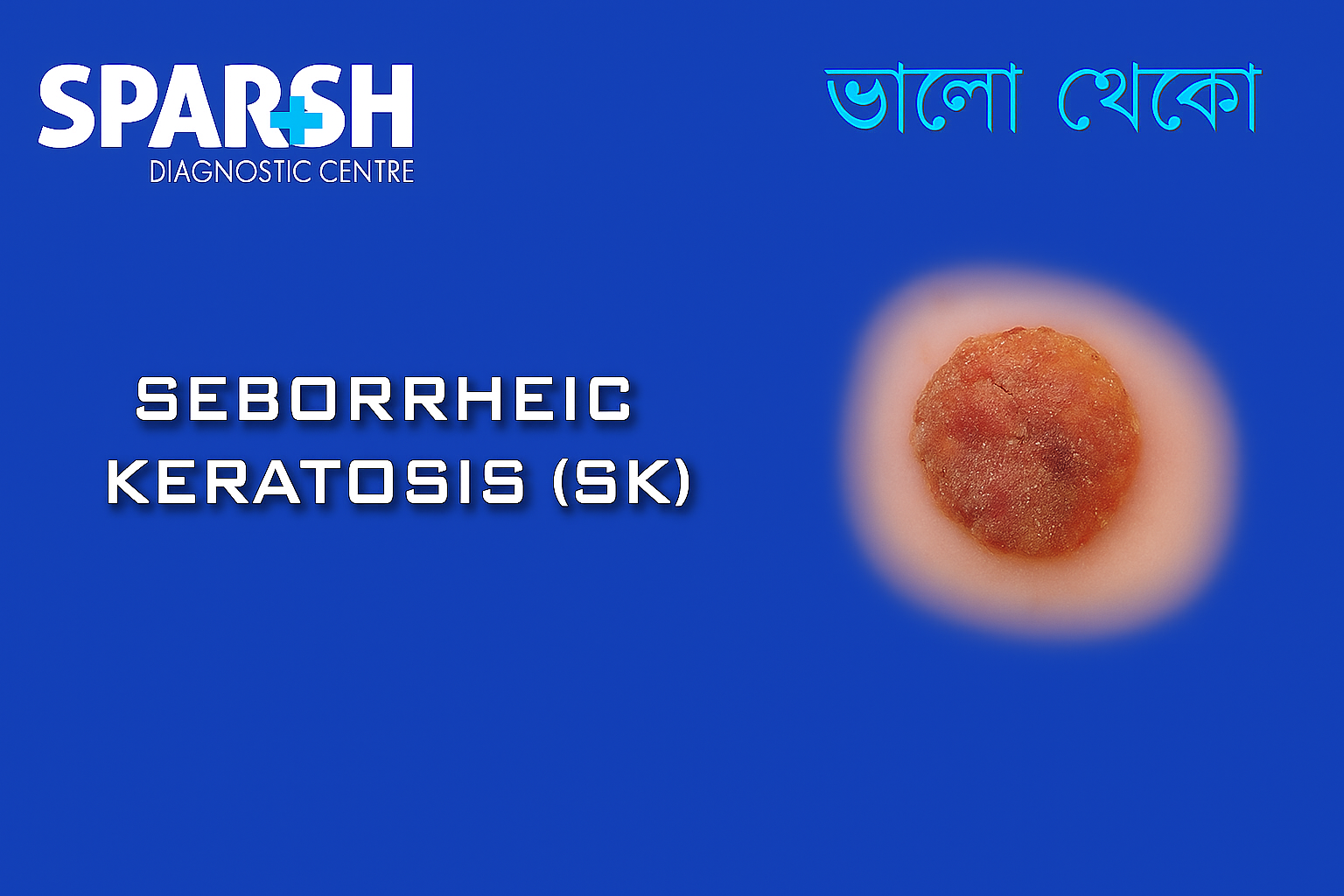
Seborrheic keratosis (SK) is one of the most common benign (non-cancerous) skin growths, especially among older adults. These growths may look concerning due to their dark, wart-like appearance, but they are harmless and usually do not require medical treatment unless they cause discomfort or cosmetic concerns.
While seborrheic keratosis is often mistaken for skin cancer due to its appearance, it is important to differentiate between the two. In this comprehensive guide, we explore what seborrheic keratosis is, why it occurs, how to identify it, when to seek treatment, and available management options.
What Is Seborrheic Keratosis?
Seborrheic keratosis is a benign skin growth that appears on the surface of the skin as people age. These lesions can be light tan, brown, or even black, and they often have a waxy or “pasted-on” appearance, as though they are stuck to the skin.
SKs can vary in size—from a few millimeters to over 2.5 centimeters in diameter—and may appear singly or in clusters. While they are noncancerous, they can sometimes resemble melanomas, which is why a medical evaluation is important if you notice new or changing skin lesions.
Key Characteristics of Seborrheic Keratosis
Waxy, scaly, or slightly raised growths
Typically brown, black, or light tan
Oval or round in shape
Rough, wart-like surface
“Stuck-on” appearance
Usually painless but may itch or become irritated
Commonly found on the chest, back, scalp, face, or neck
Causes of Seborrheic Keratosis
The exact cause of seborrheic keratosis is still unknown, but several contributing factors have been identified:
1. Aging
The most significant risk factor for seborrheic keratosis is age. These growths are rare before the age of 30 but become more common in individuals over 50.
2. Genetics
There is often a familial tendency, meaning the condition can run in families. If your parents had seborrheic keratoses, you may be more likely to develop them.
3. Sun Exposure
Although not proven as a direct cause, UV exposure may influence the appearance of seborrheic keratoses. They tend to occur on sun-exposed areas of the body.
4. Hormonal Changes
Some people notice a sudden appearance of multiple SKs during pregnancy or hormonal therapy, suggesting hormonal links.
5. Friction or Skin Irritation
Lesions often occur in skin folds or areas subject to friction, such as under the breasts or on the back.
Who Is at Risk?
You may be more likely to develop seborrheic keratoses if you:
Are over 50 years old
Have a family history of SK
Have light skin, though they occur in all skin types
Have had significant sun exposure over time
Are pregnant or undergoing hormone replacement therapy
Symptoms of Seborrheic Keratosis
Seborrheic keratosis is typically asymptomatic, but in some cases, symptoms can include:
Itching or irritation
Redness or inflammation
Bleeding (if scratched or picked)
Discomfort due to rubbing against clothing
Visually, the lesions have a “stuck-on” or greasy wart-like texture, making them easy to identify, especially when you’ve seen them before. However, if you’re unsure whether a lesion is benign, it’s best to consult a dermatologist.
Are Seborrheic Keratoses Dangerous?
Seborrheic keratoses are not dangerous. They do not lead to skin cancer and are not associated with internal malignancies, with one exception:
Sign of Leser–Trélat
A sudden appearance of multiple seborrheic keratoses in a short time may signal an internal malignancy, such as gastric adenocarcinoma. This is known as the sign of Leser–Trélat and is extremely rare. If you notice a rapid increase in SKs, consult your doctor.
Diagnosis of Seborrheic Keratosis
Most cases of SK can be diagnosed through clinical examination. A dermatologist may use:
1. Visual Inspection
The growths have a distinct look, making them easy to recognize.
2. Dermatoscopy
A special tool that magnifies the skin, helping to distinguish benign growths from malignant ones.
3. Biopsy
If there’s any doubt, especially if the lesion is bleeding, growing rapidly, or has irregular borders, a skin biopsy may be performed to rule out skin cancer like melanoma or basal cell carcinoma.
Treatment Options for Seborrheic Keratosis
In most cases, seborrheic keratoses do not require treatment unless they become irritated or the patient wants them removed for cosmetic reasons.
1. Cryotherapy (Freezing)
Uses liquid nitrogen to freeze off the lesion
Commonly used for small or thin lesions
May leave lighter skin patches
2. Curettage
The lesion is scraped off using a curette
Often done after softening the area with local anesthesia
3. Electrosurgery
Burns off the lesion using an electric current
May be combined with curettage
4. Laser Therapy
Carbon dioxide (CO2) lasers or Er:YAG lasers
Ideal for multiple or larger lesions
Offers minimal scarring
5. Shave Excision
The lesion is removed with a scalpel under local anesthesia
Quick procedure with minimal recovery time
These procedures are typically done in a dermatologist’s clinic and are outpatient procedures.
Do Home Remedies Work?
While some over-the-counter creams claim to help with wart-like growths, home remedies are not recommended for seborrheic keratosis. Attempting to remove SK at home can lead to:
Infection
Scarring
Misdiagnosis (missing a skin cancer)
Always consult a dermatologist before attempting removal.
Post-Treatment Care
After removal, mild discomfort, scabbing, or discoloration may occur. Care tips include:
Keep the area clean and dry
Avoid picking at scabs
Apply an antibiotic ointment if advised
Protect the area from sun exposure during healing
Healing usually takes 1 to 2 weeks, and recurrence at the same site is uncommon.
Can Seborrheic Keratosis Come Back?
While removed SKs typically do not return, new ones can develop elsewhere over time. Regular skin checks are essential if you’re prone to seborrheic keratosis.
Differentiating Seborrheic Keratosis from Skin Cancer
It’s crucial to distinguish SK from other skin conditions, especially:
1. Melanoma
Melanomas are usually asymmetrical, multicolored, and have irregular borders. SKs, although sometimes dark, are uniform and have a waxy surface.
2. Basal Cell Carcinoma
This type of cancer often appears as pearly nodules and may ulcerate. Unlike SK, they may bleed or crust spontaneously.
3. Warts
Warts are caused by the human papillomavirus (HPV) and are often found on hands and feet. They are usually firmer and less greasy-looking.
When in doubt, consult a dermatologist for proper evaluation.
Prevention of Seborrheic Keratosis
While SKs cannot be entirely prevented, certain steps may help reduce their occurrence or improve skin health:
1. Sun Protection
Use hats and protective clothing
Avoid tanning beds
2. Regular Skin Exams
Self-examinations monthly
Annual dermatological check-ups
3. Healthy Lifestyle
Living with Seborrheic Keratosis
Seborrheic keratosis is not a health threat, but its appearance can cause emotional distress or self-consciousness. In some cases, SKs may:
Be mistaken for cancer
Catch on clothing or jewelry
Itch or become inflamed
Discuss removal options with your doctor if SKs affect your quality of life or cause discomfort.
Frequently Asked Questions (FAQs)
Is seborrheic keratosis contagious?
No. SK is not infectious and cannot spread from person to person.
Can seborrheic keratosis turn into cancer?
No. SKs are benign and do not progress to cancer.
Is it safe to remove seborrheic keratosis?
Yes. Dermatological procedures for SK removal are safe and effective.
Does insurance cover removal?
In most cases, insurance does not cover cosmetic removal, but it may cover treatment if the lesion is irritated or causes medical issues.
How can I tell if a lesion is SK or something serious?
If you’re uncertain, consult a dermatologist. Suspicious signs include:
Rapid growth
Bleeding
Ulceration
Change in color or shape
Seborrheic keratosis is a common skin growth, especially in older adults. While they may look alarming, SKs are completely benign and generally don’t require treatment unless they are bothersome or aesthetically displeasing.
Understanding the appearance, causes, and management of SK can help you take control of your skin health. If you notice a new or changing lesion, don’t panic—but do get it checked by a professional to rule out other possibilities.
#BhaloTheko
Disclaimer:
No content on this site, regardless of date, should ever be used as a substitute for direct medical advice from your doctor or other qualified clinician.


