


Eczema is one of the most common skin conditions affecting people of all ages. It can cause persistent itching, redness, dryness, and irritation that significantly impact daily life. While eczema is not contagious, it can be uncomfortable and sometimes difficult to manage without proper care.
Millions of people worldwide live with eczema, and understanding its causes, triggers, and treatment options can help reduce flare-ups and improve skin health. Whether you are dealing with eczema yourself or caring for a loved one, learning more about the condition is the first step toward effective management.
What Is Eczema?
Eczema is a group of inflammatory skin conditions that cause the skin to become dry, itchy, red, and irritated. The medical term most commonly associated with eczema is atopic dermatitis, which is the most prevalent form of the condition.
Eczema can appear anywhere on the body, including the face, hands, arms, legs, neck, and scalp. Symptoms may range from mild dryness to severe inflammation and cracking.
Although eczema often begins in childhood, it can develop at any age. Some people experience occasional flare-ups, while others may have symptoms that persist for years.
What Is the Main Cause of Eczema?
The main cause of eczema is a combination of genetics, immune system dysfunction, and environmental triggers.
People with eczema often have a weakened skin barrier, which makes it difficult for the skin to retain moisture and protect against irritants, allergens, and bacteria. When the skin barrier is compromised, the immune system overreacts, leading to inflammation and itching.
Several factors contribute to eczema, including:
- Family history of eczema, asthma, or allergies
- Overactive immune responses
- Dry skin
- Exposure to irritants
- Environmental allergens
- Stress
- Climate changes
There is no single cause responsible for all cases, but a combination of these factors usually plays a role.
What Is the Root Cause of Eczema?
The root cause of eczema is generally linked to a defective skin barrier and immune system imbalance.
Research suggests that many individuals with eczema have mutations affecting proteins such as filaggrin, which helps maintain healthy skin. Without adequate protection, moisture escapes from the skin while irritants and allergens enter more easily.
This interaction between genetics and environmental factors creates chronic inflammation that leads to eczema symptoms.
Types of Eczema
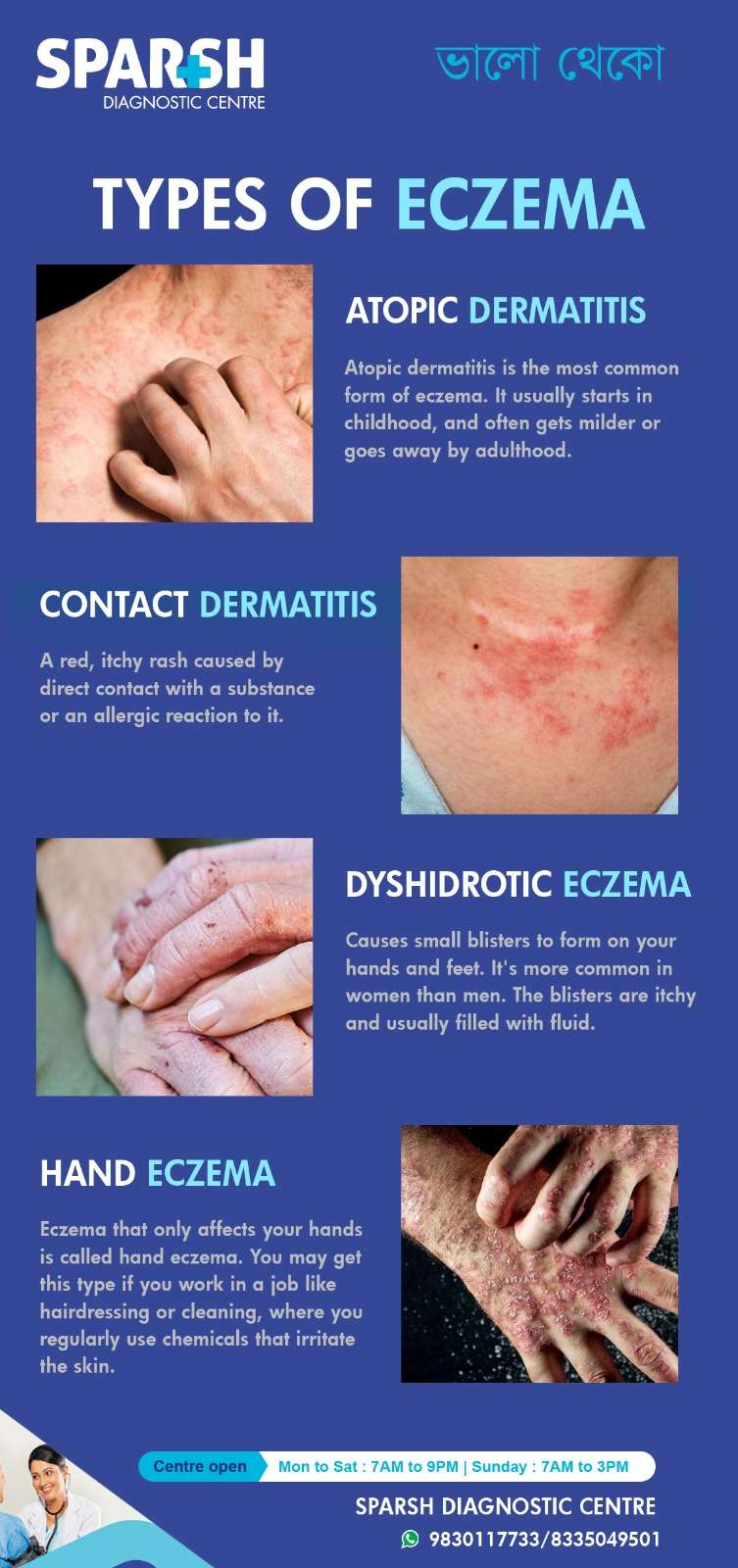
Eczema is not a single condition. There are several different types, each with unique characteristics.
1. Atopic Dermatitis
This is the most common form of eczema. It usually develops during childhood and is associated with allergies and asthma.
Symptoms include:
- Dry skin
- Severe itching
- Red patches
- Crusting
- Thickened skin
2. Contact Dermatitis
Contact dermatitis occurs when the skin reacts to an irritant or allergen.
Common triggers include:
- Soaps
- Detergents
- Cosmetics
- Perfumes
- Nickel jewelry
- Cleaning products
3. Dyshidrotic Eczema
This type causes small, itchy blisters on the hands and feet. It is more common in adults and often worsens during stress or warm weather.
4. Hand Eczema
Hand eczema primarily affects the hands and fingers. It frequently occurs in people who regularly handle chemicals, water, or cleaning products.
5. Nummular Eczema
This form causes round, coin-shaped patches of irritated skin that can be intensely itchy.
6. Seborrheic Dermatitis
Often affecting the scalp, face, and chest, seborrheic dermatitis causes flaky, greasy scales and redness.
7. Stasis Dermatitis
This type develops due to poor circulation, usually in the lower legs.
What Are 5 Symptoms of Eczema?
Although symptoms vary from person to person, the five most common symptoms of eczema include:
- Intense itching
- Dry, sensitive skin
- Red or inflamed patches
- Cracked or scaly skin
- Oozing or crusting lesions during flare-ups
Additional symptoms may include swelling, discoloration, thickened skin, and sleep disturbances caused by persistent itching.
What Are the 7 Triggers of Eczema?
Eczema flare-ups are often caused by triggers rather than the disease itself. The seven most common triggers include:
1. Dry Skin
Low humidity and cold weather can strip moisture from the skin.
2. Irritants
Soaps, detergents, shampoos, and cleaning products may irritate sensitive skin.
3. Allergens
Dust mites, pollen, mold, and pet dander can worsen eczema symptoms.
4. Stress
Emotional stress often contributes to flare-ups.
5. Heat and Sweating
Excessive sweating can irritate eczema-prone skin.
6. Certain Fabrics
Wool and synthetic materials may trigger itching.
7. Infections
Bacterial, viral, or fungal infections can aggravate eczema symptoms.
Identifying personal triggers is a crucial part of long-term eczema management.
Is Eczema a Fungal Infection?
No, eczema is not a fungal infection.
Eczema is an inflammatory skin condition caused by immune system dysfunction, genetic factors, and environmental triggers. While fungal infections may sometimes resemble eczema, they are entirely different conditions.
However, eczema-damaged skin may become infected with bacteria, viruses, or fungi, requiring additional treatment.
Which Foods Are Bad for Eczema?
Food does not cause eczema in everyone, but certain foods may trigger flare-ups in sensitive individuals.
Common dietary triggers include:
- Cow’s milk
- Eggs
- Soy
- Wheat
- Peanuts
- Tree nuts
- Shellfish
- Processed foods
- Sugary foods
- Artificial additives
Keeping a food diary may help identify personal triggers. Before eliminating major food groups, consult a healthcare professional or dietitian.
Does Vitamin D Help Eczema?
Vitamin D may help improve eczema symptoms in some people.
Vitamin D supports immune system regulation and skin barrier function. Several studies suggest that individuals with low vitamin D levels may experience more severe eczema symptoms.
Potential benefits include:
- Reduced inflammation
- Improved skin barrier protection
- Fewer flare-ups
- Better overall skin health
However, vitamin D should not replace prescribed treatments. Supplementation should be discussed with a healthcare provider.
What Is the Best Treatment for Eczema?
The best treatment for eczema depends on the severity and underlying triggers. Since eczema varies between individuals, treatment plans are often personalized.
Common treatments include:
Moisturizers
Daily moisturizing is the foundation of eczema care. Thick creams and ointments help restore the skin barrier and reduce dryness.
Topical Corticosteroids
These anti-inflammatory medications help control flare-ups and reduce redness and itching.
Calcineurin Inhibitors
Non-steroidal creams such as tacrolimus and pimecrolimus may be prescribed for sensitive areas.
Antihistamines
These medications can help reduce itching, particularly at night.
Biologic Therapy
For severe eczema, advanced treatments like biologic medications may help regulate the immune response.
Phototherapy
Controlled exposure to ultraviolet light may improve symptoms in moderate to severe cases.
Lifestyle Modifications
Avoiding triggers, managing stress, and maintaining proper skin care routines are equally important.
What Clears Up Eczema Fast?
While there is no instant cure, several strategies may help calm an eczema flare-up quickly:
- Apply fragrance-free moisturizer immediately after bathing
- Use prescribed corticosteroid creams
- Take short, lukewarm baths
- Avoid scratching
- Wear loose cotton clothing
- Use cool compresses
- Avoid known triggers
Prompt treatment at the first sign of symptoms often prevents flare-ups from becoming severe.
What Is the 3 Rule for Eczema?
The “3-minute rule” for eczema is a widely recommended skin-care practice.
It involves applying moisturizer within three minutes after bathing or washing. During this time, the skin still contains moisture that can be sealed in with an emollient.
Benefits include:
- Better hydration
- Reduced dryness
- Improved skin barrier function
- Fewer flare-ups
Dermatologists often recommend this simple technique as part of daily eczema management.
Is Eczema 100% Curable?
No, eczema is generally not considered 100% curable.
However, many people successfully control their symptoms and experience long periods without flare-ups. Some children may even outgrow eczema as they get older.
Although there is currently no permanent cure, proper treatment and lifestyle changes can significantly improve quality of life.
How Long Does Eczema Last?
The duration of eczema varies widely.
Acute Flare-Ups
A flare-up may last:
- Several days
- A few weeks
Chronic Eczema
Some people experience recurring symptoms for months or years.
Childhood Eczema
Many children improve significantly by adolescence, although symptoms can return later in life.
Long-term management focuses on reducing the frequency and severity of flare-ups.
Diagnosing Eczema
A healthcare provider typically diagnoses eczema through:
- Physical examination
- Medical history review
- Family history assessment
- Allergy testing when necessary
- Patch testing for contact dermatitis
There is no single laboratory test that confirms eczema.
Living With Eczema
Managing eczema requires consistency and patience.
Helpful habits include:
- Moisturizing daily
- Using gentle skin-care products
- Avoiding harsh soaps
- Taking short showers
- Managing stress
- Wearing breathable fabrics
- Keeping fingernails short
- Staying hydrated
Developing a personalized skin-care routine can significantly reduce flare-ups.
Can Eczema Be Prevented?
While eczema cannot always be prevented, you can lower your risk of flare-ups by:
- Keeping skin moisturized
- Avoiding known triggers
- Using mild cleansers
- Maintaining indoor humidity
- Managing allergies
- Reducing stress levels
- Protecting skin from extreme temperatures
Preventive care often works better than treating severe symptoms after they appear.
When Should You See a Doctor?
Seek medical attention if:
- Symptoms become severe
- Skin becomes infected
- Over-the-counter treatments do not help
- Sleep is disrupted by itching
- Large areas of skin are affected
- Symptoms interfere with daily life
Early intervention can prevent complications and improve treatment outcomes.
FAQ About Eczema
1. What is the main cause of eczema?
The main cause is a combination of genetic factors, immune system dysfunction, and a weakened skin barrier that allows irritants and allergens to penetrate the skin.
2. What is the best treatment for eczema?
The most effective treatment typically combines daily moisturization, trigger avoidance, and prescribed medications such as topical corticosteroids when needed.
3. Is it 100% curable?
No, eczema is not completely curable, but it can often be controlled effectively with proper treatment and lifestyle changes.
4. What is the 3 rule for eczema?
The 3-minute rule involves applying moisturizer within three minutes of bathing to lock moisture into the skin.
5. What are 5 symptoms of eczema?
Common symptoms include itching, dry skin, redness, scaling, and crusting or oozing lesions.
6. Which foods are bad for eczema?
Potential trigger foods include dairy products, eggs, wheat, soy, peanuts, shellfish, and highly processed foods.
7. What is the root cause of eczema?
The root cause is generally a combination of skin barrier dysfunction, genetic susceptibility, and immune system overactivity.
8. Is eczema a fungal infection?
No. Eczema is an inflammatory skin disorder, not a fungal infection.
9. How long does eczema last?
Flare-ups may last days or weeks, while some individuals experience recurring symptoms for years.
10. Does vitamin D help eczema?
Vitamin D may improve eczema symptoms in some individuals by supporting immune function and skin health.
11. What are the 7 triggers of eczema?
Dry skin, irritants, allergens, stress, heat, certain fabrics, and infections are among the most common triggers.
12. What clears up eczema fast?
Moisturizing, prescription anti-inflammatory creams, avoiding triggers, and using cool compresses can help reduce symptoms quickly.
Eczema is a chronic inflammatory skin condition that affects millions of people worldwide. Although it is not contagious or life-threatening, it can significantly impact comfort, confidence, and quality of life. Understanding the causes, triggers, symptoms, and treatment options is essential for effective management. With proper skin care, trigger avoidance, and medical guidance when necessary, most people with eczema can achieve long-term symptom control and healthier skin.
To consult a Dermatologist at Sparsh Diagnostic Centre, call our helpline number 9830117733.
#BhaloTheko
Medically reviewed by: Dr. Priyankar Misra, MBBS, MD (Derm. Ven. & Lep.)
Speciality: Consultant Dermatologist
Reviewed on: 29 August 2026
This article has been medically reviewed by Dr. Priyankar Misra, a qualified dermatologist, for medical accuracy, clinical relevance and clarity. The information has been reviewed to ensure that it provides reliable and easy-to-understand information about eczema, including its causes, symptoms, types, triggers, diagnosis, treatment and prevention.
About the medical reviewer:
Dr. Priyankar Misra is a Consultant Dermatologist with an MBBS and MD in Dermatology, Venereology and Leprology. His areas of expertise include the diagnosis and management of various skin conditions, including eczema, psoriasis, vitiligo, skin allergies, acne and hair-related disorders.
Disclaimer:
No content on this site, regardless of date, should ever be used as a substitute for direct medical advice from your doctor or other qualified clinician.




[…] Conditions: Dermatitis, eczema, or lichen sclerosus affecting the […]
[…] conditions – such as eczema, athlete’s foot, psoriasis, or […]
[…] acne, or eczema can lead to post-inflammatory hyperpigmentation, where the affected skin becomes […]
[…] risk of eczema or […]
[…] reactions or eczema due to damp clothes and stagnant […]
[…] Fatigue and brain fog✔ Joint pain and inflammation✔ Skin issues (eczema, acne, psoriasis)✔ Autoimmune […]
[…] issues like acne or eczema, which can be linked to […]
🐱🐈🐈⬛🫏🫎🐮🐂🐂🐃🐃
[…] moisture loss and promoting elasticity. This makes them valuable for reducing symptoms of dry skin, eczema, and psoriasis. Some studies have also linked omega-3 intake with a reduced risk of acne by helping […]
[…] 1. Eczema (Atopic Dermatitis) […]
[…] stress are visible on the skin as well. Stress can cause or aggravate skin conditions such as acne, eczema, psoriasis, and rosacea. It can also lead to hair loss and brittle nails. The skin’s barrier […]
[…] Delayed wound healing and skin conditions like acne or eczema. […]
[…] gut-skin connection is well-documented, and dysbiosis has been linked to conditions such as eczema, psoriasis, and acne. Imbalances in the gut microbiome can trigger inflammation that manifests in […]
[…] Skin conditions such as eczema […]