Ferritin is a protein that quietly works behind the scenes to keep your body functioning properly. While most people have heard of iron, fewer know about ferritin—even though it plays a vital role in storing and regulating iron. A ferritin blood test is often one of the first investigations doctors order when they suspect an iron deficiency or iron overload.
Low ferritin levels can leave you feeling constantly tired, weak, dizzy, or unable to concentrate, even if your hemoglobin levels appear normal. On the other hand, high ferritin levels may point to inflammation, liver disease, excess iron storage, or other underlying health conditions that need medical attention.
Understanding what ferritin is, what your test results mean, and how to maintain healthy levels can help you take better care of your overall health. In this guide, we’ll explain everything you need to know about ferritin, from symptoms and causes to treatment, diet, and frequently asked questions.
What Is Ferritin?
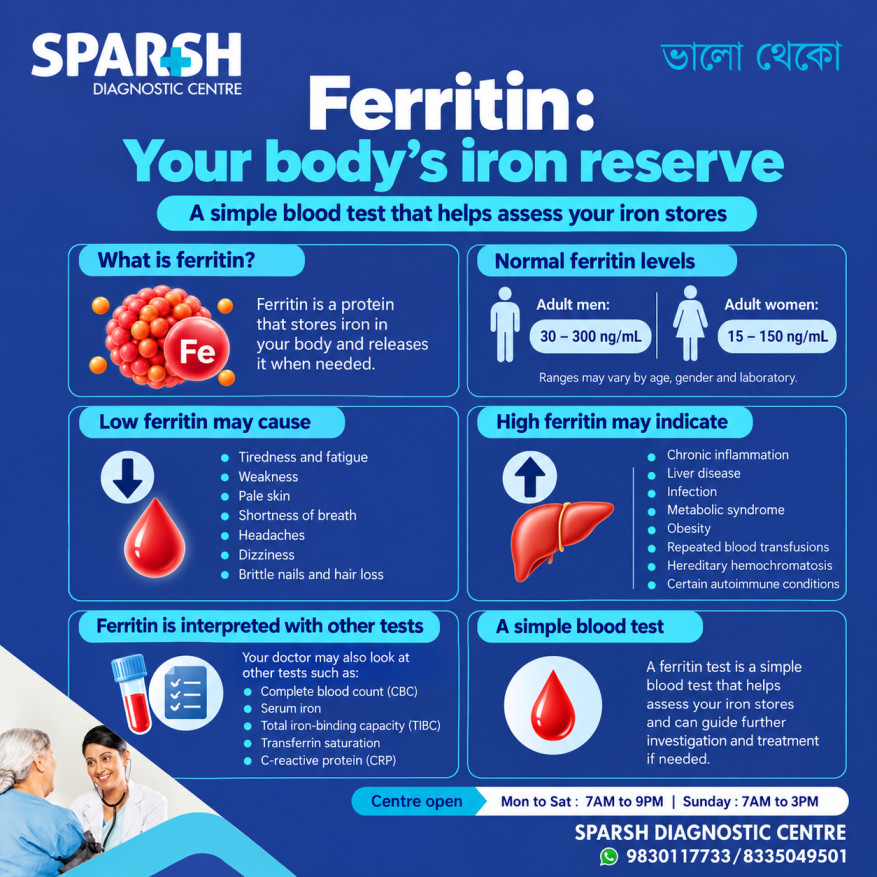
Ferritin is a protein that stores iron inside your body’s cells and releases it when needed. Think of ferritin as your body’s iron reserve. Instead of allowing excess iron to circulate freely, ferritin safely stores it until your body requires it to produce red blood cells, support muscle function, or carry out other essential processes.
Ferritin is found throughout the body but is particularly abundant in the liver, spleen, bone marrow, and muscles. Measuring ferritin levels through a blood test provides an estimate of your body’s iron stores.
Unlike serum iron, which reflects the amount of iron circulating in your bloodstream at a given moment, ferritin offers a better picture of your long-term iron reserves.
Why Is Ferritin Important?
Iron is essential for producing hemoglobin, the protein in red blood cells that transports oxygen throughout the body. Without enough stored iron, your body struggles to make healthy red blood cells, leading to iron deficiency and eventually iron deficiency anemia.
Healthy ferritin levels are important because they help:
- Produce healthy red blood cells
- Deliver oxygen efficiently to tissues
- Support brain function and memory
- Maintain energy levels
- Strengthen immunity
- Promote healthy hair, skin, and nails
- Support normal muscle function
Both low and high ferritin levels can affect overall health, making it important to investigate abnormal results rather than treating the numbers alone.
Normal Ferritin Levels
Normal ferritin ranges vary depending on age, sex, and the laboratory performing the test. In general:
- Adult men: approximately 30–300 ng/mL
- Adult women: approximately 15–150 ng/mL
- Children: reference ranges vary with age
Doctors interpret ferritin levels alongside other tests, including:
- Complete Blood Count (CBC)
- Serum iron
- Total Iron Binding Capacity (TIBC)
- Transferrin saturation
- C-reactive protein (CRP), when inflammation is suspected
Because ferritin rises during infections and inflammation, a normal or elevated ferritin level does not always rule out iron deficiency.
What Happens If Ferritin Is Low?
Low ferritin means your body’s iron stores are running low. Initially, you may not notice any symptoms, but as iron reserves become depleted, your body can no longer produce enough healthy red blood cells.
Common symptoms include:
- Persistent tiredness
- Weakness
- Pale skin
- Shortness of breath
- Frequent headaches
- Dizziness
- Cold hands and feet
- Rapid heartbeat
- Brittle nails
- Hair thinning or hair loss
- Difficulty concentrating
- Restless legs syndrome
If left untreated, low ferritin can progress to iron deficiency anemia, significantly affecting your daily life and overall health.
What Causes Low Ferritin?
Several factors can reduce ferritin levels, including:
Inadequate Dietary Iron
People who consume little iron-rich food, especially strict vegetarians or individuals with poor nutrition, may gradually develop low ferritin.
Blood Loss
One of the most common causes includes:
- Heavy menstrual bleeding
- Gastrointestinal bleeding
- Bleeding ulcers
- Colon polyps
- Hemorrhoids
- Frequent blood donation
Pregnancy
Pregnancy increases iron requirements considerably as the mother’s body supports fetal growth and increased blood volume.
Poor Iron Absorption
Certain digestive disorders reduce iron absorption, such as:
- Celiac disease
- Crohn’s disease
- Gastric bypass surgery
- Chronic gastritis
Increased Iron Demand
Growing children, adolescents, athletes, and pregnant women often require more iron than usual.
Which Diseases Cause Low Ferritin?
Several medical conditions can lead to depleted iron stores, including:
- Iron deficiency anemia
- Celiac disease
- Crohn’s disease
- Ulcerative colitis
- Chronic gastrointestinal bleeding
- Stomach ulcers
- Colon cancer
- Uterine fibroids causing heavy bleeding
- Hookworm infection
- Chronic kidney disease (in some cases)
Finding the underlying cause is essential because simply taking iron supplements may not solve the problem if ongoing blood loss or poor absorption continues.
Can You Recover from Low Ferritin?
Yes. Most people recover completely once the underlying cause is identified and treated.
Recovery usually involves:
- Iron supplements prescribed by a healthcare professional
- Eating more iron-rich foods
- Treating digestive disorders
- Managing heavy menstrual bleeding
- Addressing sources of internal bleeding
- Regular monitoring through blood tests
Improvement in symptoms often begins within a few weeks, but replenishing iron stores can take three to six months or longer. Even after hemoglobin returns to normal, ferritin levels may still need time to recover.
How to Increase Ferritin
Raising ferritin involves restoring iron stores while addressing the reason for iron depletion.
Helpful strategies include:
Eat More Iron-Rich Foods
Focus on foods naturally high in iron.
Pair Iron with Vitamin C
Vitamin C significantly improves iron absorption.
Good combinations include:
- Spinach with lemon juice
- Lentils with tomatoes
- Iron supplements with orange juice
- Bell peppers with beans
Avoid Iron Absorption Inhibitors Around Meals
Tea, coffee, and calcium supplements may reduce iron absorption if taken alongside iron-rich meals.
Take Iron Supplements Correctly
Iron supplements should only be taken after consulting a healthcare provider because excessive iron can also be harmful.
What Foods Help Increase Ferritin?
Although ferritin itself is not found in food, eating iron-rich foods helps your body build iron stores.
Heme Iron Sources (Better Absorbed)
- Lean red meat
- Liver
- Chicken
- Turkey
- Fish
- Shellfish
Plant-Based Iron Sources
- Spinach
- Lentils
- Chickpeas
- Kidney beans
- Soybeans
- Tofu
- Pumpkin seeds
- Sesame seeds
- Quinoa
- Fortified breakfast cereals
Foods Rich in Vitamin C
Pair iron-rich meals with:
- Oranges
- Guava
- Kiwi
- Strawberries
- Tomatoes
- Bell peppers
- Broccoli
Does Low Iron Affect Sleep?
Yes. Low iron and low ferritin have been linked to several sleep disturbances.
People with depleted iron stores may experience:
- Restless legs syndrome
- Difficulty falling asleep
- Frequent nighttime awakenings
- Poor sleep quality
- Daytime fatigue despite adequate sleep
Correcting iron deficiency often improves sleep quality, particularly in people diagnosed with restless legs syndrome.
Does Vitamin D Affect Ferritin?
Vitamin D does not directly increase ferritin levels, but there appears to be a relationship between vitamin D deficiency and iron metabolism.
Some studies suggest that vitamin D may influence inflammation and iron regulation. Individuals with chronic vitamin D deficiency sometimes also have low ferritin, although one does not necessarily cause the other.
If symptoms suggest multiple nutritional deficiencies, your doctor may recommend testing both vitamin D and iron status.
Can Stress Cause Low Ferritin?
Stress alone is not considered a direct cause of low ferritin.
However, chronic stress may indirectly contribute by:
- Reducing appetite
- Leading to poor dietary habits
- Worsening digestive disorders
- Increasing inflammation
- Affecting overall nutritional status
Persistent fatigue should never be attributed to stress without appropriate medical evaluation, as low ferritin is a common and treatable cause.
Does Low Ferritin Cause Weight Gain?
Low ferritin does not directly cause weight gain.
However, people with iron deficiency often experience:
- Fatigue
- Reduced physical activity
- Slower daily movement
- Difficulty exercising
These lifestyle changes may contribute to gradual weight gain in some individuals.
Conversely, others lose weight because of reduced appetite or the underlying illness causing iron deficiency.
What Happens If Ferritin Is High?
High ferritin means your body has elevated iron stores or is responding to inflammation or illness. Importantly, ferritin is an acute-phase reactant, meaning it can rise even when iron stores are normal.
Common causes of high ferritin include:
- Chronic inflammation
- Liver disease
- Excessive alcohol intake
- Metabolic syndrome
- Obesity
- Repeated blood transfusions
- Hereditary hemochromatosis (iron overload disorder)
- Chronic infections
- Autoimmune diseases
Some people have elevated ferritin without symptoms, while others develop complications if excess iron accumulates in organs.
What Organs Are Affected by High Ferritin?
Persistently elevated ferritin caused by iron overload can damage several organs over time, including:
- Liver: Fatty liver, fibrosis, cirrhosis, and liver failure.
- Heart: Irregular heartbeat, enlarged heart, and heart failure.
- Pancreas: Damage that may contribute to diabetes.
- Joints: Arthritis and chronic joint pain.
- Endocrine glands: Hormonal imbalances affecting the thyroid, pituitary gland, and reproductive organs.
- Skin: Bronze or gray skin discoloration in severe iron overload.
Not everyone with high ferritin has iron overload. Additional tests such as transferrin saturation and genetic testing may be needed to determine the cause.
What Cancers Are Linked to High Ferritin Levels?
High ferritin is not a cancer test, and most people with elevated ferritin do not have cancer.
However, ferritin levels may be increased in some cancers, including:
In these situations, ferritin usually rises because of inflammation, tissue damage, or changes in iron metabolism rather than excess stored iron. Doctors interpret ferritin results alongside symptoms, physical examination, imaging, and other laboratory findings.
Is It Better to Have High or Low Ferritin?
Neither is ideal.
Low ferritin increases the risk of iron deficiency, fatigue, reduced exercise tolerance, impaired concentration, and anemia.
High ferritin may indicate inflammation, liver disease, iron overload, or another underlying medical condition.
The goal is to maintain ferritin within the healthy range appropriate for your age, sex, and medical history.
When Should You Worry About Ferritin Levels?
You should consult a healthcare professional if:
- Ferritin levels are outside the normal reference range.
- You have ongoing fatigue, weakness, or unexplained hair loss.
- Iron supplements are not improving your symptoms.
- You experience unexplained weight loss, persistent fever, or night sweats.
- You have a family history of hereditary hemochromatosis.
- Your ferritin level is very high or continues to rise on repeat testing.
A single abnormal result does not always indicate a serious condition, but it should be interpreted in the context of your overall health and other blood tests.
How Is Ferritin Tested?
Ferritin is measured with a simple blood test. Your healthcare provider may recommend it if you have symptoms of iron deficiency, suspected iron overload, chronic inflammatory conditions, or unexplained anemia.
Additional tests may include:
- Complete Blood Count (CBC)
- Serum iron
- Total Iron Binding Capacity (TIBC)
- Transferrin saturation
- Liver function tests
- C-reactive protein (CRP)
- Vitamin B12 and folate levels
- Stool tests for hidden blood loss, when indicated
Treatment for Abnormal Ferritin Levels
Treatment depends on the underlying cause.
For Low Ferritin
- Oral iron supplements
- Intravenous iron in selected cases
- Iron-rich diet
- Vitamin C supplementation when appropriate
- Treating the source of blood loss
- Managing digestive disorders
For High Ferritin
- Treating the underlying inflammatory or liver condition
- Reducing alcohol intake
- Weight management when appropriate
- Therapeutic phlebotomy for hereditary hemochromatosis
- Avoiding unnecessary iron supplements unless prescribed
Never start or stop iron supplements based solely on ferritin results without medical advice.
Tips to Maintain Healthy Ferritin Levels
- Eat a balanced diet containing iron-rich foods.
- Include vitamin C with meals to improve iron absorption.
- Avoid excessive tea or coffee immediately after iron-rich meals.
- Address heavy menstrual bleeding or digestive symptoms promptly.
- Have routine blood tests if you have chronic medical conditions or a history of iron deficiency.
- Take iron supplements only under medical supervision.
Ferritin is far more than just another number on a blood test. It reflects your body’s iron reserves and provides valuable insight into your overall health. Low ferritin commonly points to iron deficiency and can cause fatigue, weakness, poor concentration, and hair loss, while high ferritin may signal inflammation, liver disease, or iron overload that requires further evaluation.
The key to healthy ferritin levels is identifying and treating the underlying cause rather than focusing on the laboratory result alone. A balanced diet, appropriate medical care, and regular monitoring can help restore and maintain healthy iron stores, improving both your energy levels and long-term well-being.
Frequently Asked Questions (FAQs)
1. What happens if ferritin is low?
Low ferritin means your body’s iron stores are depleted. It can lead to fatigue, weakness, dizziness, hair loss, poor concentration, restless legs syndrome, and eventually iron deficiency anemia if left untreated.
2. What happens if ferritin is high?
High ferritin may indicate inflammation, liver disease, infection, metabolic syndrome, or iron overload. Further testing is usually needed to determine the exact cause.
3. Is it better to have high or low ferritin?
Neither. Both low and high ferritin can indicate underlying health problems. Maintaining ferritin within the normal range is ideal.
4. How do I increase ferritin?
Increase ferritin by eating iron-rich foods, combining them with vitamin C, treating underlying medical conditions, and taking iron supplements only if recommended by your healthcare provider.
5. Which diseases cause low ferritin?
Conditions such as iron deficiency anemia, celiac disease, Crohn’s disease, chronic gastrointestinal bleeding, stomach ulcers, uterine fibroids, colon cancer, and chronic kidney disease may contribute to low ferritin levels.
6. Can you recover from low ferritin?
Yes. Most people recover fully once the underlying cause is treated and iron stores are replenished through diet, supplements, or other appropriate medical treatment.
7. When should I worry about ferritin levels?
Seek medical advice if your ferritin level is abnormal, symptoms persist despite treatment, or you have a family history of iron overload disorders or unexplained anemia.
8. What foods are high in ferritin?
Foods do not contain ferritin itself, but iron-rich foods such as red meat, poultry, fish, lentils, beans, spinach, tofu, pumpkin seeds, and fortified cereals help increase your body’s ferritin stores.
9. Does low iron affect sleep?
Yes. Low iron and low ferritin are associated with restless legs syndrome, poor sleep quality, difficulty falling asleep, and daytime tiredness.
10. Does vitamin D affect ferritin?
Vitamin D does not directly increase ferritin, but deficiencies in vitamin D and iron may occur together in some people. Your healthcare provider may recommend testing both if clinically appropriate.
11. What cancers are linked to high ferritin levels?
Ferritin may be elevated in certain cancers, including leukemia, lymphoma, liver cancer, breast cancer, lung cancer, and colon cancer. However, high ferritin alone does not diagnose cancer.
12. Can stress cause low ferritin?
Stress does not directly lower ferritin, but it can contribute indirectly through poor nutrition, reduced appetite, or worsening existing health conditions.
13. What organs are affected by high ferritin?
If caused by iron overload, high ferritin can affect the liver, heart, pancreas, joints, endocrine glands, and skin.
14. Does low ferritin cause weight gain?
Low ferritin does not directly cause weight gain. However, fatigue and reduced physical activity associated with iron deficiency may contribute to gradual weight gain in some individuals.
To consult a Doctor or get full body check-up done at Sparsh Diagnostic Centre, call our helpline numbers 9830117733/ 8335049501.
#BhaloTheko
Disclaimer:
No content on this site, regardless of date, should ever be used as a substitute for direct medical advice from your doctor or other qualified clinician.