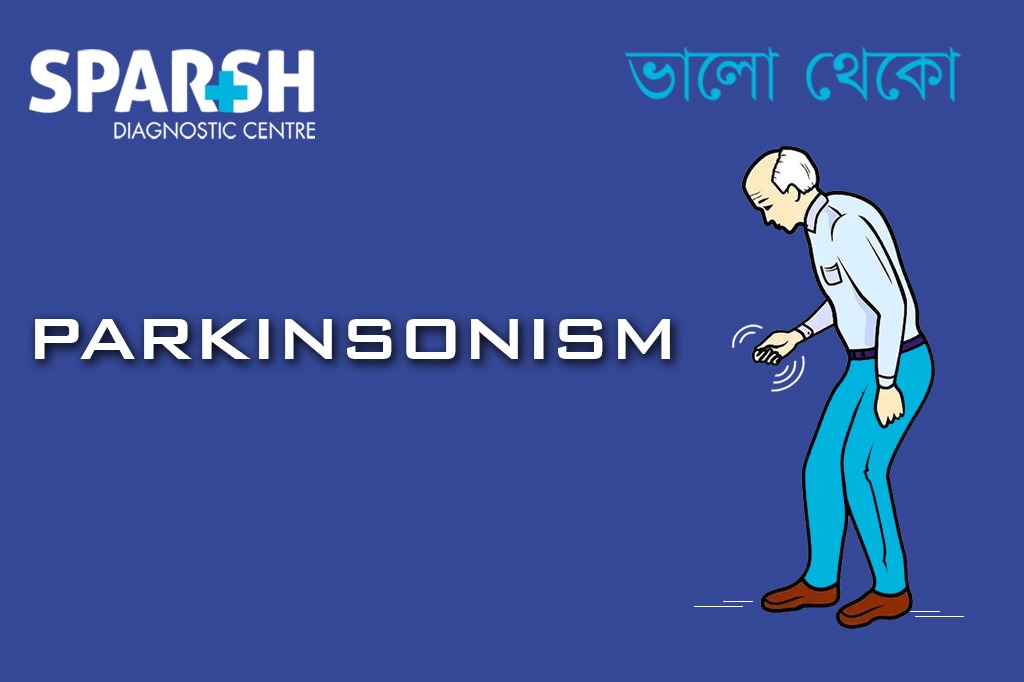
Parkinsonism is a neurological condition that affects movement, balance, and coordination. While many people assume it is the same as Parkinson’s disease, the two are not identical. Parkinson’s disease is the most common form of parkinsonism, but several other conditions can produce similar symptoms.
Receiving a diagnosis of parkinsonism can feel overwhelming, especially when symptoms like tremors, stiffness, or slowed movement begin interfering with everyday life. The good news is that many forms of parkinsonism can be managed effectively, and some types are even reversible when the underlying cause is treated.
This comprehensive guide explains what parkinsonism is, its causes, symptoms, stages, diagnosis, treatment options, and answers the most frequently asked questions.
What Is Parkinsonism?
Parkinsonism is a broad medical term used to describe a group of neurological disorders that cause movement abnormalities similar to Parkinson’s disease. These symptoms develop because the brain’s movement-control systems are affected.
The hallmark features of parkinsonism include:
- Tremors
- Muscle stiffness (rigidity)
- Slowed movement (bradykinesia)
- Balance and walking difficulties
Although Parkinson’s disease accounts for most cases, several other disorders can produce these symptoms.
What Does Parkinsonism Mean?
The word parkinsonism refers to a collection of signs and symptoms rather than a single disease. A person is said to have parkinsonism when they develop movement problems that resemble Parkinson’s disease, regardless of the underlying cause.
Doctors first identify the syndrome of parkinsonism and then investigate what specific condition is responsible.
Parkinson’s Disease vs Parkinsonism
One of the most common questions people ask is whether Parkinson’s disease and parkinsonism are the same.
| Parkinson’s Disease | Parkinsonism |
|---|---|
| A specific neurological disease | A group of disorders with similar symptoms |
| Usually develops gradually | May develop from several different causes |
| Caused by loss of dopamine-producing brain cells | May result from medications, strokes, toxins, or other neurological diseases |
| Responds well to levodopa in many patients | Response varies depending on the cause |
| Progressive but manageable | Some forms are reversible while others are progressive |
In simple terms, every person with Parkinson’s disease has parkinsonism, but not everyone with parkinsonism has Parkinson’s disease.
Types of Parkinsonism
Several conditions can cause parkinsonism.
Idiopathic Parkinson’s Disease
The most common form, with no single identifiable cause.
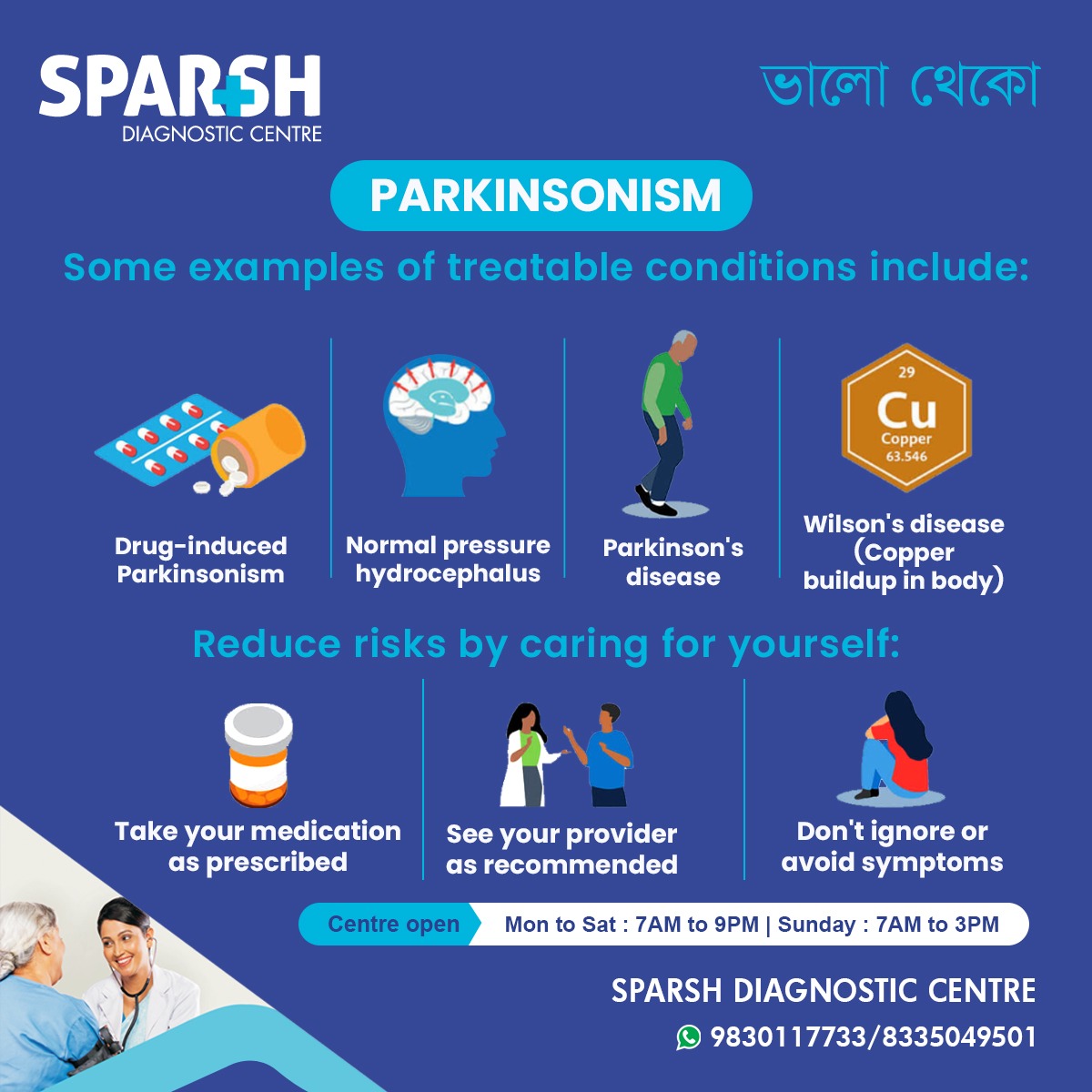
Drug-Induced Parkinsonism
Certain medications can block dopamine activity and trigger symptoms.
Common medications include:
- Some antipsychotics
- Certain anti-nausea drugs
- Some calcium channel blockers
This type often improves after stopping the offending medication under medical supervision.
Vascular Parkinsonism
Multiple small strokes affecting movement centers in the brain can lead to parkinsonism.
Symptoms mainly affect walking and balance.
Progressive Supranuclear Palsy (PSP)
A rare neurodegenerative disorder causing:
- Frequent falls
- Eye movement problems
- Stiffness
- Speech difficulties
Multiple System Atrophy (MSA)
A progressive condition affecting:
- Movement
- Blood pressure
- Bladder function
- Breathing
Corticobasal Degeneration (CBD)
A rare disorder causing:
- Severe stiffness
- One-sided weakness
- Difficulty performing learned movements
Normal Pressure Hydrocephalus (NPH)
Fluid buildup in the brain can mimic parkinsonism and may improve with surgical treatment.
Wilson’s Disease
Copper accumulation in the body can damage the brain and produce parkinsonian symptoms, particularly in younger individuals.
What Is the Main Cause of Parkinsonism?
The cause depends on the specific type.
Common causes include:
- Parkinson’s disease
- Certain medications
- Repeated small strokes
- Brain injuries
- Degenerative neurological disorders
- Wilson’s disease
- Normal pressure hydrocephalus
- Exposure to toxins
- Rare genetic disorders
In Parkinson’s disease, symptoms occur because dopamine-producing nerve cells gradually die. Dopamine is essential for smooth, coordinated movement.
Risk Factors
Several factors increase the likelihood of developing parkinsonism:
- Age over 60 years
- Family history
- Previous stroke
- Repeated head injuries
- Long-term use of dopamine-blocking medications
- Exposure to pesticides or industrial chemicals
- Certain genetic conditions
Early Signs of Parkinsonism
The earliest symptoms are often subtle and may be mistaken for normal aging.
Common first signs include:
- Slower walking
- Reduced arm swing
- Mild hand tremor
- Stiff muscles
- Soft voice
- Small handwriting
- Difficulty getting out of a chair
- Balance problems
- Facial expression becoming less animated
- Reduced sense of smell (more common in Parkinson’s disease)
Not every patient experiences all these symptoms.
Common Symptoms
As parkinsonism progresses, symptoms become more noticeable.
Movement Symptoms
- Resting tremor
- Muscle rigidity
- Bradykinesia
- Shuffling gait
- Difficulty turning
- Freezing while walking
- Stooped posture
- Poor balance
Non-Movement Symptoms
- Constipation
- Sleep disorders
- Fatigue
- Depression
- Anxiety
- Bladder problems
- Low blood pressure
- Cognitive changes
- Speech difficulties
- Swallowing problems
The Five Stages of Parkinsonism
Although staging is primarily used for Parkinson’s disease, it can help describe symptom progression.
Stage 1
- Mild symptoms
- One side of the body affected
- Minimal disruption of daily activities
Stage 2
- Symptoms on both sides
- Increased stiffness
- Walking changes become noticeable
Stage 3
- Balance problems develop
- Falls become more common
- Independence remains possible
Stage 4
- Severe mobility impairment
- Walking often requires assistance
- Daily activities become challenging
Stage 5
- Advanced disability
- Wheelchair or bed-bound
- Full-time caregiving often required
Progression varies widely depending on the underlying cause.
How Serious Is Parkinsonism?
Parkinsonism ranges from mild to severe.
Some forms, such as drug-induced parkinsonism, may resolve completely once the cause is removed.
Other forms, including Parkinson’s disease, PSP, and MSA, are progressive conditions that gradually worsen over time.
The seriousness depends on:
- Underlying diagnosis
- Age
- Response to treatment
- Presence of cognitive decline
- Overall health
Early diagnosis and treatment significantly improve quality of life.
How Is Parkinsonism Diagnosed?
There is no single test that confirms parkinsonism.
Doctors combine several approaches.
Medical History
The doctor asks about:
- Symptoms
- Medication use
- Family history
- Stroke history
- Exposure to toxins
Neurological Examination
The physician evaluates:
- Tremor
- Muscle tone
- Walking
- Balance
- Reflexes
- Coordination
Brain Imaging
- Stroke
- Hydrocephalus
- Tumors
- Structural abnormalities
Dopamine Imaging (DaT Scan)
A DaT scan helps determine whether dopamine-producing brain cells are functioning normally.
Blood Tests
These may help identify:
- Wilson’s disease
- Metabolic disorders
- Vitamin deficiencies
Response to Medication
Improvement after levodopa therapy supports Parkinson’s disease but is not definitive on its own.
Can You Recover from Parkinsonism?
Recovery depends entirely on the cause.
Potentially Reversible Forms
- Drug-induced parkinsonism
- Normal pressure hydrocephalus
- Wilson’s disease
- Some metabolic disorders
These conditions may improve substantially when treated early.
Progressive Forms
Conditions like:
- Parkinson’s disease
- Multiple System Atrophy
- Progressive Supranuclear Palsy
- Corticobasal Degeneration
cannot currently be cured, but treatments help manage symptoms and improve quality of life.
Treatment for Parkinsonism
Treatment focuses on symptom control and maintaining independence.
Medications
Depending on the diagnosis, doctors may prescribe:
- Levodopa/carbidopa
- Dopamine agonists
- MAO-B inhibitors
- COMT inhibitors
- Amantadine
- Anticholinergic medications (selected patients)
Drug-induced parkinsonism usually requires adjusting or changing the responsible medication under medical supervision.
Physical Therapy
Exercise improves:
- Balance
- Walking
- Strength
- Flexibility
Occupational Therapy
Helps patients:
- Perform daily activities
- Prevent falls
- Use adaptive equipment
Speech Therapy
Beneficial for:
- Soft voice
- Swallowing difficulties
- Communication problems
Surgical Treatment
Deep Brain Stimulation (DBS) may benefit selected patients with Parkinson’s disease but is generally not effective for most atypical parkinsonism disorders.
Lifestyle Changes That Help
Healthy habits can make a meaningful difference.
Stay Physically Active
Regular exercise improves:
- Walking
- Balance
- Mood
- Flexibility
Eat a Balanced Diet
Include:
- Fruits
- Vegetables
- Whole grains
- Lean proteins
- Adequate hydration
Prevent Falls
Simple measures include:
- Removing loose rugs
- Installing grab bars
- Wearing supportive footwear
- Improving home lighting
Maintain Social Connections
Social interaction helps reduce depression and supports emotional well-being.
Follow Medication Instructions
Take medicines exactly as prescribed and attend regular follow-up appointments.
Can Parkinsonism Be Cured?
Currently, there is no cure for most neurodegenerative forms of parkinsonism.
However:
- Symptoms can often be controlled for many years.
- Some forms are reversible if the underlying cause is treated promptly.
- Ongoing research is exploring disease-modifying therapies.
Life Expectancy with Parkinsonism
Life expectancy varies greatly.
Many individuals with Parkinson’s disease live 15–30 years or longer after diagnosis, especially with early treatment and good overall health.
However, atypical forms such as Multiple System Atrophy and Progressive Supranuclear Palsy often progress more rapidly and may shorten life expectancy.
The outcome depends on:
- Type of parkinsonism
- Age at diagnosis
- Overall health
- Complications such as falls, pneumonia, and swallowing problems
What Is the Last Stage of Parkinsonism?
The advanced stage is characterized by significant disability.
Symptoms may include:
- Severe walking impairment
- Frequent falls
- Inability to stand independently
- Difficulty swallowing
- Severe speech problems
- Cognitive decline in some patients
- Dependence on caregivers
- Increased risk of infections and complications
Supportive care becomes increasingly important during this stage.
Is Parkinsonism a Dementia?
No.
Parkinsonism itself is not a dementia.
However, some people with Parkinson’s disease develop Parkinson’s disease dementia later in the illness.
Certain atypical parkinsonian disorders, such as Dementia with Lewy Bodies, involve cognitive impairment early in the disease course.
Many individuals with parkinsonism never develop dementia.
When Should You See a Doctor?
Seek medical evaluation if you notice:
- Persistent tremor
- Muscle stiffness
- Slowed movement
- Frequent falls
- Difficulty walking
- Changes in handwriting
- Balance problems
- Trouble swallowing
- Soft or slurred speech
Early diagnosis often leads to better symptom management and improved quality of life.
Frequently Asked Questions (FAQs)
1. What is the difference between Parkinson’s and parkinsonism?
Parkinson’s disease is a specific neurological disorder caused by the gradual loss of dopamine-producing brain cells. Parkinsonism is a broader term describing a group of conditions that produce similar movement symptoms. Parkinson’s disease is the most common type of parkinsonism.
2. What does parkinsonism mean?
Parkinsonism refers to a collection of movement-related symptoms—including tremor, rigidity, slowed movement, and balance problems—that can arise from several different neurological conditions.
3. What is the main cause of parkinsonism?
The most common cause is Parkinson’s disease. Other causes include certain medications, strokes, progressive neurological disorders, normal pressure hydrocephalus, Wilson’s disease, and exposure to toxins.
4. Can you recover from parkinsonism?
Some forms, such as drug-induced parkinsonism or normal pressure hydrocephalus, can improve or even resolve with appropriate treatment. Progressive neurodegenerative forms cannot be cured but can often be managed effectively.
5. What are the first signs of parkinsonism?
Early symptoms include slowed movement, mild tremor, muscle stiffness, reduced arm swing while walking, changes in handwriting, balance problems, and a softer voice.
6. What is the cure for parkinsonism?
There is no cure for most neurodegenerative forms of parkinsonism. Treatment focuses on managing symptoms through medications, rehabilitation therapies, exercise, and, in selected cases, surgery.
7. How long can a person live with parkinsonism?
Life expectancy varies depending on the type of parkinsonism. Many people with Parkinson’s disease live for decades after diagnosis, while some atypical forms progress more rapidly.
8. What is the last stage of parkinsonism?
The final stage involves severe movement limitations, dependence on caregivers, swallowing difficulties, speech impairment, and an increased risk of complications such as infections and falls.
9. How serious is parkinsonism?
The severity depends on the underlying cause. Some forms are temporary and treatable, while others are progressive neurological disorders that require long-term management.
10. How is parkinsonism confirmed?
Diagnosis is based on a neurological examination, medical history, brain imaging when indicated, laboratory tests for specific causes, and, in some cases, dopamine transporter imaging (DaT scan). There is no single definitive test for all types of parkinsonism.
11. What are the five stages of parkinsonism?
The five stages range from mild symptoms affecting one side of the body (Stage 1) to severe disability requiring full-time assistance (Stage 5). These stages are most commonly used to describe Parkinson’s disease progression.
12. Is parkinsonism a dementia?
No. Parkinsonism is a movement disorder syndrome, not a form of dementia. However, some individuals with Parkinson’s disease or related disorders may develop dementia later in the course of their illness.
Parkinsonism is an umbrella term for a range of neurological conditions that affect movement, balance, and coordination. While Parkinson’s disease is the most common cause, medications, strokes, hydrocephalus, Wilson’s disease, and other neurological disorders can also lead to parkinsonian symptoms. Recognizing the early signs, obtaining an accurate diagnosis, and starting appropriate treatment can significantly improve daily functioning and quality of life.
Although there is currently no cure for most progressive forms of parkinsonism, advances in medication, rehabilitation, and supportive care enable many people to remain active and independent for years after diagnosis. If you or a loved one experiences persistent tremors, stiffness, slowed movement, or balance problems, consult a neurologist promptly for a comprehensive evaluation and personalized treatment plan.
To consult a Doctor or get full body check-up done at Sparsh Diagnostic Centre, call our helpline numbers 9830117733/ 8335049501.
#BhaloTheko
Disclaimer:
No content on this site, regardless of date, should ever be used as a substitute for direct medical advice from your doctor or other qualified clinician.