


Ulcerative colitis is a chronic inflammatory bowel disease (IBD) that affects the lining of the colon and rectum. It can cause inflammation, ulcers, abdominal discomfort, diarrhea and rectal bleeding. Symptoms may come and go, with periods of active disease called flare-ups followed by periods of remission when symptoms improve or disappear.
A diagnosis of ulcerative colitis can understandably raise many questions. Is it something you will have for life? Can it be cured? What should you eat during a flare? Can you still enjoy eggs, bananas, curd or coffee?
The good news is that ulcerative colitis can often be managed effectively. With appropriate medical treatment, monitoring and a personalised approach to diet and lifestyle, many people are able to achieve long periods of remission and continue with their normal activities.
What is ulcerative colitis?
Ulcerative colitis causes inflammation and ulceration in the innermost lining of the large intestine. It commonly begins in the rectum and can extend upward through part or all of the colon. The condition is different from Crohn’s disease, another type of IBD, which can affect different parts of the digestive tract.
The severity of ulcerative colitis varies considerably. Some people have relatively mild symptoms, while others may develop severe inflammation and complications.
Doctors generally classify ulcerative colitis according to how much of the colon is affected. Types include:
- Ulcerative proctitis: Inflammation is limited to the rectum.
- Proctosigmoiditis: The rectum and lower part of the colon are affected.
- Left-sided colitis: Inflammation extends through the left side of the colon.
- Extensive colitis or pancolitis: Most or all of the colon is affected.

What is the main cause of ulcerative colitis?
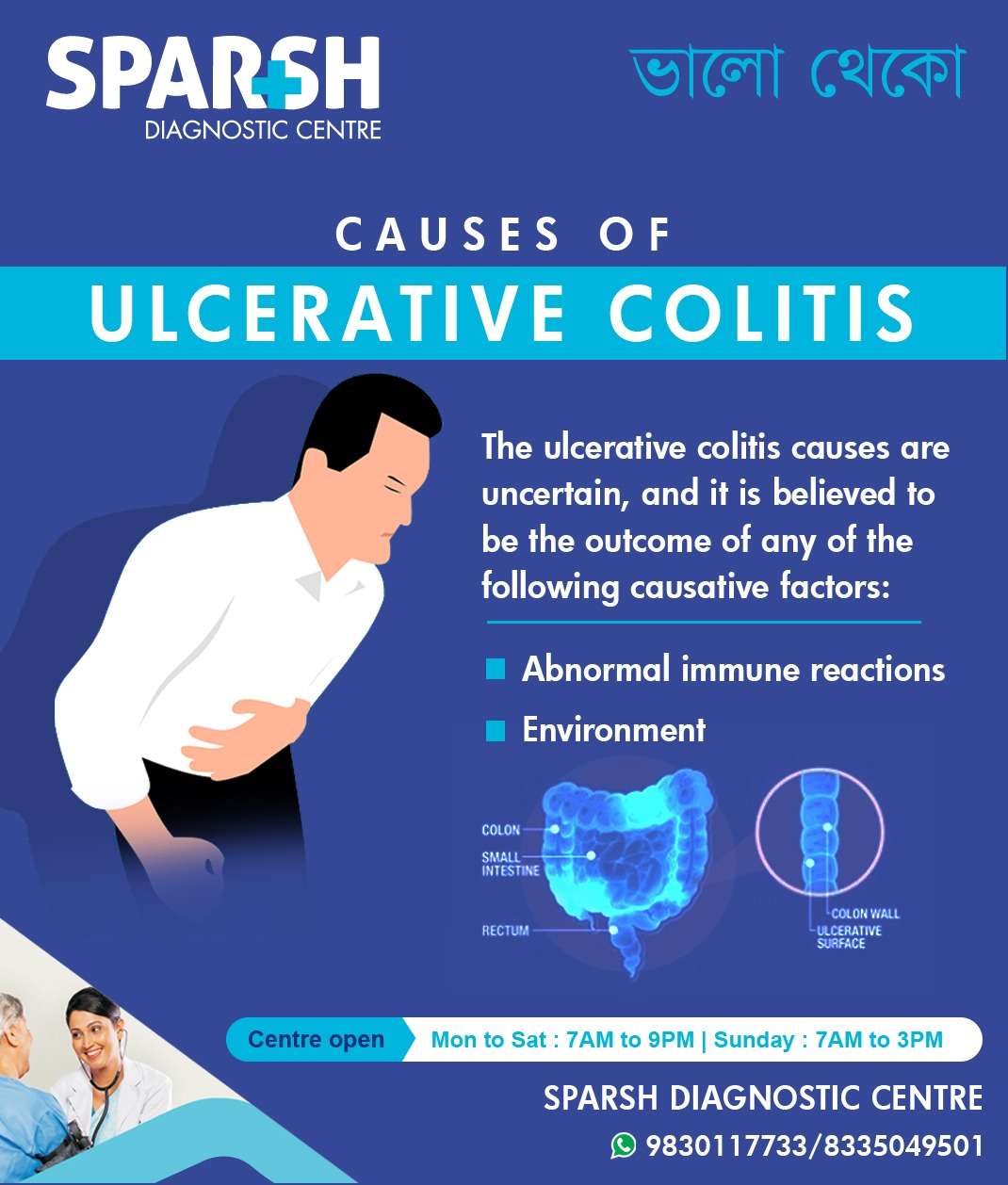
There is no single known cause of ulcerative colitis. Current evidence suggests that it develops through a combination of genetic, immune-system, microbiome and environmental factors.
In people who are genetically susceptible, the immune system may respond abnormally to substances or microorganisms in the digestive tract. This can result in ongoing inflammation of the colon.
Having a close relative with IBD can increase the risk. However, having a family history does not mean that someone will definitely develop ulcerative colitis.
It is also important to clear up a common misconception: ulcerative colitis is not caused simply by eating spicy food, stress or a poor diet. These factors may worsen symptoms in some people, but they are not considered the underlying cause of the disease.
What are the first signs of ulcerative colitis?
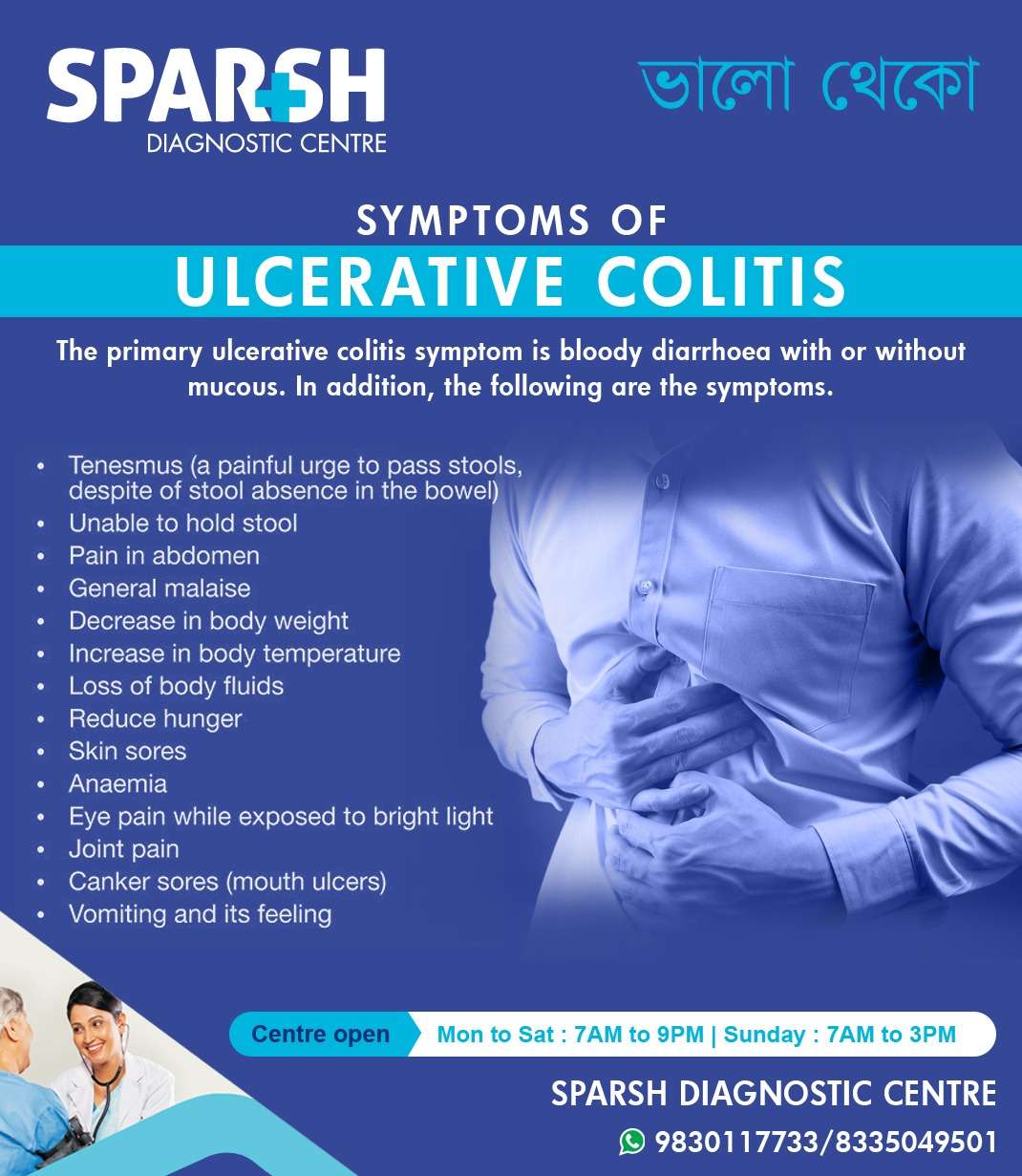
Ulcerative colitis can develop gradually, although symptoms can sometimes appear suddenly. Some of the earliest signs include:
- Frequent diarrhea
- Blood in the stool
- Rectal bleeding
- Abdominal cramps or pain
- An urgent need to pass stool
- Feeling that you still need to have a bowel movement even after using the toilet
- Mucus in the stool
Fatigue, reduced appetite, weight loss, fever or nausea may occur when inflammation is more significant.
One of the most characteristic symptoms is recurrent bloody diarrhea accompanied by urgency. However, symptoms alone cannot confirm ulcerative colitis. Infections, hemorrhoids, irritable bowel syndrome and other digestive conditions can cause similar problems.
Doctors may use blood tests, stool tests, colonoscopy or other investigations to establish the diagnosis and determine how severe the inflammation is.
Is living with ulcerative colitis hard?
It can be challenging, particularly during flare-ups. Frequent bowel movements, urgency, abdominal pain, fatigue and concerns about bleeding can interfere with work, travel, sleep and social activities.
However, living with ulcerative colitis does not necessarily mean living with constant symptoms.
The disease typically follows a pattern of flare-ups and remission. Some people can remain symptom-free for long periods with appropriate treatment. The aim of treatment is to control inflammation and maintain remission.
The psychological impact should not be ignored either. Worrying about finding a toilet, eating outside the home or having an unexpected flare can affect confidence and quality of life. Planning ahead, understanding personal triggers and maintaining regular medical care can make the condition much easier to manage.
Can ulcerative colitis be cured?
There is currently no medication that permanently cures ulcerative colitis.
Medicines are used to reduce inflammation, control symptoms and help maintain remission. Depending on the severity and extent of the disease, treatment may include aminosalicylates, corticosteroids for short-term control, immunosuppressants, biologic medicines or newer small-molecule therapies.
Surgery to remove the colon and rectum can eliminate ulcerative colitis from the colon, and it may be recommended for certain severe or complicated cases. However, surgery is a major decision and is not necessary for everyone.
Is ulcerative colitis for life?
Ulcerative colitis is considered a chronic, lifelong condition. Symptoms, however, do not necessarily remain active throughout life.
Many people experience periods of remission lasting weeks, months or even years. The goal of treatment is to keep the disease under control and prevent inflammation from returning or becoming severe.
A person should not stop prescribed medication simply because they feel better. Maintenance treatment may be important for preventing another flare and reducing complications.
What are the complications of ulcerative colitis?
Most people with ulcerative colitis can be managed successfully, but uncontrolled inflammation can lead to complications.
Potential complications include:
- Anaemia from blood loss or chronic inflammation
- Dehydration
- Nutritional deficiencies
- Bone loss
- Severe bleeding
- Toxic megacolon
- Perforation of the colon
- Increased colorectal cancer risk, particularly with longstanding or extensive disease
Severe symptoms may require hospital treatment.
Seek urgent medical attention for severe abdominal pain, heavy rectal bleeding, persistent vomiting, high fever, severe weakness, dehydration or a dramatic increase in bowel movements.
What is the fastest way to calm ulcerative colitis symptoms?
There is no safe one-size-fits-all home remedy that can rapidly stop an ulcerative colitis flare.
The quickest appropriate approach is usually to contact your gastroenterologist or healthcare team, particularly if symptoms are new, severe or worsening. Treatment may need to be adjusted to control the underlying inflammation.
During a flare, some people find it easier to tolerate:
- Smaller meals eaten more frequently
- Soft, easily digested foods
- Adequate fluids and electrolytes
- Lower-fibre foods temporarily, if fibre worsens symptoms
- Adequate protein
- Avoiding foods that personally trigger diarrhoea, pain or bloating
Diet can help manage symptoms, but it does not replace medical treatment for active ulcerative colitis.
What are the 6 worst foods for ulcerative colitis?
There is no scientifically established list of six foods that are universally bad for everyone with ulcerative colitis. Different people tolerate different foods, and the foods that cause problems during a flare may be perfectly comfortable during remission.
However, the following commonly cause problems for some people, particularly during active symptoms:
- Very spicy foods – chilli-heavy dishes may increase abdominal discomfort or diarrhoea.
- Greasy or fried foods – high-fat meals can worsen diarrhoea and bloating.
- Alcohol – may irritate the digestive system and worsen dehydration or diarrhoea.
- High-caffeine drinks – coffee and energy drinks can stimulate bowel movements.
- High-fibre rough foods during a flare – raw vegetables, popcorn, seeds and certain whole grains may be difficult to tolerate.
- Dairy products when lactose intolerant – milk, ice cream and some other dairy products can cause gas, cramps and diarrhoea in people who have lactose intolerance.
This does not mean every person with ulcerative colitis must permanently eliminate these foods.
A food diary can help identify your individual triggers.
Can I eat eggs if I have ulcerative colitis?
Yes, most people with ulcerative colitis can eat eggs.
Eggs are a useful source of protein and can be particularly convenient when appetite is poor or the digestive system is sensitive.
During a flare, boiled, poached or lightly scrambled eggs may be easier to tolerate than eggs prepared with large amounts of butter, oil or spicy ingredients.
If eggs consistently cause symptoms for you, discuss this with a dietitian or doctor rather than assuming that eggs are universally harmful.
Are bananas bad for colitis?
No. Bananas are not generally bad for ulcerative colitis.
A ripe banana is often relatively easy to digest and can provide carbohydrates and potassium. It may be a convenient food when diarrhoea has reduced your appetite.
However, individual tolerance matters. If bananas consistently worsen your symptoms, reduce or avoid them and discuss your diet with a healthcare professional.
What to eat to calm down ulcerative colitis?
During a flare, the priority is usually to maintain hydration, calories and protein while choosing foods that you personally tolerate.
Options that may be easier to digest include:
- White rice
- Plain potatoes without skins
- Oatmeal if tolerated
- Bananas
- Applesauce
- Eggs
- Skinless chicken
- Fish
- Tofu
- Plain yoghurt or curd if tolerated
- Well-cooked vegetables
- Soups and broths
You may find smaller meals easier than three large meals. Mayo Clinic also recommends focusing on adequate protein and staying hydrated.
As symptoms improve, foods should generally be expanded gradually rather than remaining unnecessarily restrictive.
Can I eat curd in ulcerative colitis?
Curd or yoghurt may be suitable for some people with ulcerative colitis, but not everyone.
The key issue is lactose tolerance. Some people with IBD have difficulty digesting lactose, especially during or after a flare. This can lead to bloating, abdominal discomfort and diarrhoea.
If you tolerate curd well, there is generally no reason to automatically eliminate it. If dairy consistently causes symptoms, lactose-free alternatives may be worth discussing with a healthcare professional.
What foods heal colon inflammation?
No particular food has been proven to cure or directly heal ulcerative colitis inflammation.
The inflammation itself is treated medically when necessary. A nutritious diet can nevertheless support overall health, help maintain body weight and provide the nutrients needed during recovery.
Rather than looking for a single “healing food,” focus on a balanced eating pattern containing appropriate amounts of protein, carbohydrates, healthy fats, fruits and vegetables that you tolerate.
During remission, unnecessarily restricting your diet can increase the risk of nutritional deficiencies.
Can I drink coffee with colitis?
You may be able to drink coffee if it does not worsen your symptoms.
However, caffeine can stimulate bowel activity, and coffee may aggravate urgency or diarrhoea in some people. During a flare, it may therefore be sensible to reduce or temporarily avoid coffee.
If you notice that coffee consistently increases bowel movements or abdominal discomfort, switch to a lower-caffeine or caffeine-free alternative and monitor how you feel. Mayo Clinic recommends limiting caffeine when it worsens symptoms.
What’s the worst thing for ulcerative colitis?
The most concerning situation is untreated or poorly controlled inflammation, rather than one particular food.
Ignoring persistent bloody diarrhoea, stopping prescribed medication without medical advice, becoming severely dehydrated or delaying treatment during a significant flare can be dangerous.
Lifestyle factors such as smoking, alcohol, poor sleep and stress may affect symptoms or overall health, but they are not the underlying cause of ulcerative colitis.
Does ulcerative colitis get better with age?
There is no predictable rule that ulcerative colitis automatically gets better as you get older.
Some people experience fewer or milder flares over time, while others continue to require ongoing treatment. The course varies considerably between individuals.
The better approach is to focus on achieving and maintaining remission through appropriate treatment, follow-up and healthy habits rather than waiting for the disease to disappear with age.
A practical 7-day meal plan for ulcerative colitis
There is no single diet that works for every person with ulcerative colitis. The following is an example of a gentle meal plan, particularly suitable for someone who is experiencing digestive sensitivity. Portions should be adjusted according to appetite, nutritional needs and medical advice.
| Day | Breakfast | Lunch | Snack | Dinner |
|---|---|---|---|---|
| Day 1 | Oatmeal with banana | White rice with grilled chicken and cooked carrots | Plain curd if tolerated | Soft khichdi with egg |
| Day 2 | Scrambled eggs with toast | Rice with grilled fish and cooked vegetables | Banana | Chicken soup with rice |
| Day 3 | Oatmeal with ripe banana | Soft rice and chicken khichdi | Plain yoghurt/curd if tolerated | Mashed potato with fish |
| Day 4 | Boiled eggs and toast | Rice with skinless chicken and cooked carrots | Applesauce or banana | Vegetable soup with rice |
| Day 5 | Oatmeal with banana | Grilled fish with white rice | Plain curd if tolerated | Soft chicken khichdi |
| Day 6 | Scrambled eggs and toast | Rice with chicken and well-cooked vegetables | Banana | Fish soup with mashed potato |
| Day 7 | Oatmeal and banana | Chicken and rice with cooked vegetables | Yoghurt/curd if tolerated | Soft khichdi with egg |
During remission, your diet may be considerably broader. A dietitian specialising in IBD can help you gradually reintroduce foods and make sure you are getting enough fibre, protein, vitamins and minerals.
How is ulcerative colitis treated?
Treatment depends on the location and severity of inflammation.
Doctors may prescribe medicines such as aminosalicylates, corticosteroids for short-term control, immunosuppressants, biologic therapies or small-molecule medicines. Severe cases may require hospitalisation, intravenous treatment or surgery.
The goal is not simply to make symptoms disappear. Modern ulcerative colitis treatment aims to control inflammation, achieve remission, maintain remission and reduce the risk of complications.
Regular follow-up is therefore important even when you feel well.
Living well with ulcerative colitis
A diagnosis of ulcerative colitis does not mean that you have to give up a normal life.
Keep track of symptoms and possible food triggers, take prescribed medication as directed and attend recommended follow-up appointments. Staying hydrated and maintaining adequate nutrition are particularly important during periods of diarrhoea.
Avoid making your diet extremely restrictive based on internet lists. There is no universal “ulcerative colitis diet,” and NIDDK notes that researchers have not identified specific foods that cause ulcerative colitis symptoms in everyone.
If you experience frequent flare-ups, unexplained weight loss, ongoing bleeding or difficulty maintaining a balanced diet, speak with a gastroenterologist and, where appropriate, a registered dietitian.
Frequently Asked Questions About Ulcerative Colitis
Is ulcerative colitis a serious disease?
It can be serious, particularly when inflammation is severe or untreated. However, many people achieve long periods of remission with appropriate treatment and monitoring. Severe complications such as major bleeding, toxic megacolon or perforation are uncommon but require urgent medical attention.
Can ulcerative colitis be cured naturally?
There is no proven natural cure for ulcerative colitis. Diet and lifestyle changes may help manage symptoms and support overall health, but active inflammation may require medical treatment.
Is ulcerative colitis contagious?
No. Ulcerative colitis is not an infection and cannot be passed from one person to another.
Can stress cause ulcerative colitis?
Stress is not considered the underlying cause of ulcerative colitis. However, stress may worsen gastrointestinal symptoms or contribute to flare-related discomfort in some people.
Should I avoid all fibre during a flare?
Not necessarily. Some people benefit from temporarily reducing fibre, particularly rough or insoluble fibre, when symptoms are severe. Others tolerate certain fibre sources well. Dietary changes should be personalised rather than automatically eliminating all fibre.
When should I see a doctor?
Speak with a doctor if you have persistent diarrhoea, recurrent blood in your stool, unexplained weight loss, significant abdominal pain or ongoing changes in bowel habits. Urgent medical care is needed for heavy bleeding, severe pain, dehydration, high fever or rapidly worsening symptoms.
Final thoughts
Ulcerative colitis is a chronic condition, but it does not have to control your life. The disease can range from mild to severe, and symptoms can change over time. The most important goals are to identify the condition accurately, control inflammation, maintain remission and prevent complications.
Food is an important part of living well with ulcerative colitis, but there is no universal list of forbidden foods. Eggs, bananas and curd can all be suitable for many people, while coffee, spicy foods, fried foods or dairy may cause problems for others. Your own symptoms and tolerance matter.
Most importantly, do not rely on diet alone to treat an active flare. Appropriate medical treatment remains central to controlling ulcerative colitis and protecting the long-term health of the colon.
If you have persistent bowel symptoms or rectal bleeding, consult a qualified gastroenterologist for proper evaluation rather than attempting to self-diagnose or self-treat.
To consult a Gastroenterologist at Sparsh Diagnostic Centre, call our helpline number 9830117733.
#BhaloTheko
Disclaimer:
No content on this site, regardless of date, should ever be used as a substitute for direct medical advice from your doctor or other qualified clinician.


[…] ulcerative colitis and Crohn’s […]
[…] lining of the colon. This thickening leads to inflammation and chronic watery diarrhea, but unlike ulcerative colitis or Crohn’s disease, the colon appears normal during […]
[…] (GI) tract. It is one of the two main types of inflammatory bowel disease (IBD), the other being ulcerative colitis. This condition can affect any part of the digestive tract — from the mouth to the anus — but […]
[…] Inflammatory bowel diseases (Crohn’s disease, ulcerative colitis) […]
[…] like Crohn’s disease, ulcerative colitis, and celiac disease involve an overactive immune response that causes persistent inflammation in […]
[…] Inflammatory bowel disease (Crohn’s disease, ulcerative colitis) […]
[…] Ulcerative colitis […]
[…] like Crohn’s disease, ulcerative colitis, and hyperthyroidism can cause chronic loose […]
[…] as irritable bowel syndrome (IBS), inflammatory bowel disease (IBD), Crohn’s disease, and ulcerative colitis can cause chronic […]
[…] and cramping are common symptoms of various digestive disorders. Conditions like Crohn’s disease, ulcerative colitis, and gastritis can all cause abdominal discomfort that interferes with daily life. Pain that is […]
[…] Conditions: Conditions like Crohn’s disease and ulcerative colitis, which cause chronic inflammation of the digestive tract, can increase the risk of anal […]
[…] Bowel Diseases: Conditions such as Crohn’s disease or ulcerative colitis can increase the risk of developing anal fistulas due to chronic […]
[…] arthritis, lupus, multiple sclerosis, and inflammatory bowel disease (Crohn’s disease and ulcerative colitis) are often treated with corticosteroids to reduce inflammation and prevent tissue […]
[…] of the gastrointestinal tract. It primarily includes two types: Crohn’s Disease (CD) and Ulcerative Colitis (UC). Both conditions lead to significant health challenges and impact the quality of life for millions […]