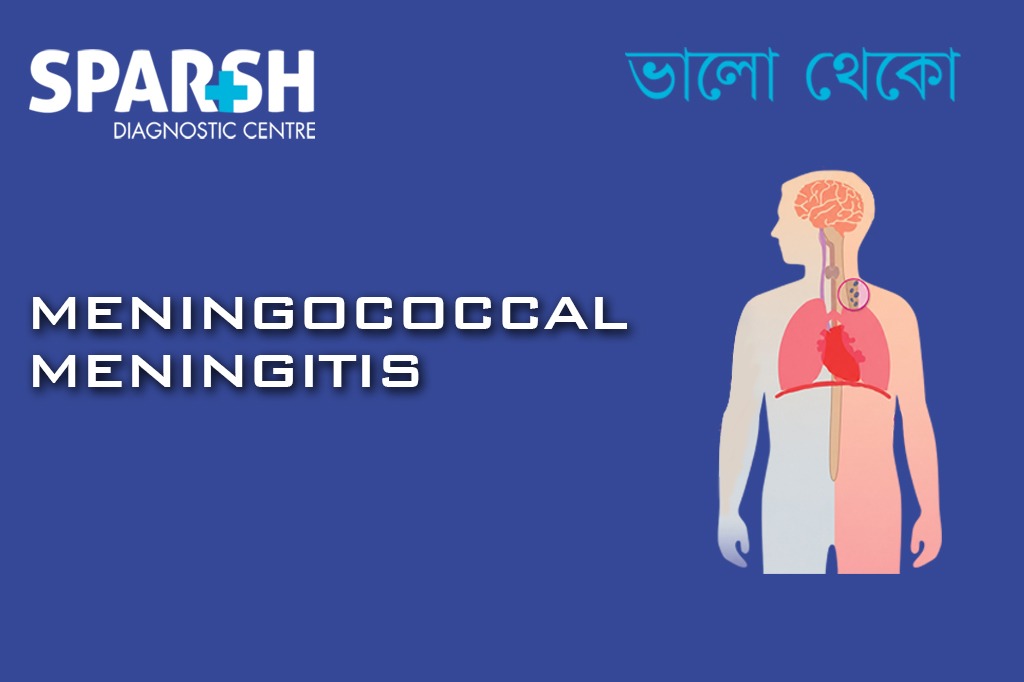
Meningococcal meningitis is a potentially life-threatening bacterial infection that affects the protective membranes surrounding the brain and spinal cord. It develops rapidly and can become a medical emergency within hours if left untreated. While modern antibiotics have significantly improved survival rates, early recognition and prompt treatment remain the key to preventing serious complications or death.
This disease is caused by Neisseria meningitidis, a bacterium that can also lead to meningococcal septicemia (blood poisoning). In some cases, both conditions occur simultaneously, making the illness even more severe.
Although meningococcal meningitis can affect anyone, infants, young children, teenagers, college students, military recruits, and individuals with weakened immune systems are at a higher risk. Fortunately, vaccination, good hygiene, and early medical intervention can greatly reduce the chances of infection and severe illness.
In this guide, we’ll explore everything you need to know about meningococcal meningitis, including its causes, symptoms, diagnosis, treatment, prevention, and answers to the most commonly asked questions.
What Is Meningococcal Meningitis?
Meningococcal meningitis is a bacterial infection of the meninges—the thin protective membranes that cover the brain and spinal cord. The infection is caused by the bacterium Neisseria meningitidis, commonly known as meningococcus.
These bacteria normally live harmlessly in the nose and throat of some people. However, under certain circumstances, they enter the bloodstream and spread to the brain, causing inflammation of the meninges.
The infection progresses rapidly and requires immediate hospitalization.
What Causes Meningococcal Meningitis?
The primary cause of meningococcal meningitis is infection with the bacterium Neisseria meningitidis.
Several strains (serogroups) of this bacterium exist, but the most common disease-causing types include:
- Serogroup A
- Serogroup B
- Serogroup C
- Serogroup W
- Serogroup Y
Once the bacteria enter the bloodstream, they can travel to the brain and spinal cord, triggering severe inflammation.
Certain factors increase susceptibility, including:
- Close contact with infected individuals
- Crowded living environments
- Smoking
- Viral respiratory infections
- Weak immune system
- Lack of vaccination
How Is Meningococcal Meningitis Transmitted?
Meningococcal meningitis spreads through respiratory droplets and saliva.
Transmission commonly occurs through:
- Kissing
- Coughing
- Sneezing
- Sharing drinks or utensils
- Sharing toothbrushes
- Living in close quarters
- Prolonged face-to-face contact
Unlike highly contagious viruses such as influenza, meningococcal bacteria do not spread easily through casual contact or simply walking past someone.
Many healthy individuals carry the bacteria in their throat without becoming ill, but they can unknowingly spread it to others.
Who Is at Risk of Meningococcal Disease?
Although anyone can develop meningococcal disease, certain groups face a significantly higher risk.
These include:
Infants under one year
Young babies have immature immune systems, making them particularly vulnerable.
Children younger than five
Their immune defenses are still developing.
Teenagers and young adults
Outbreaks are more common among adolescents, especially those living in dormitories.
College students
Shared accommodation increases exposure.
Military personnel
Crowded barracks increase transmission.
Travelers
Travel to regions experiencing meningococcal outbreaks, particularly parts of sub-Saharan Africa, raises risk.
People with weakened immunity
Those with:
- HIV
- Complement deficiencies
- Spleen disorders
- Organ transplants
- Cancer treatments
are more susceptible.
What Is the Difference Between Meningococcal and Meningitis?
Many people mistakenly use these terms interchangeably, but they are not the same.
Meningitis refers to inflammation of the protective membranes surrounding the brain and spinal cord.
It can be caused by:
- Bacteria
- Viruses
- Fungi
- Parasites
- Certain medications
- Autoimmune diseases
Meningococcal meningitis is one specific type of bacterial meningitis caused by Neisseria meningitidis.
In short:
- Meningitis = a medical condition with many possible causes.
- Meningococcal meningitis = one bacterial form of meningitis.
What Are the First Signs of Meningococcal Disease?
Early symptoms often resemble the flu, making diagnosis challenging.
The earliest warning signs include:
- Sudden fever
- Severe headache
- Vomiting
- Fatigue
- Muscle aches
- Chills
- Irritability
- Loss of appetite
As the infection progresses, more characteristic symptoms appear.
Common Symptoms of Meningococcal Meningitis
Symptoms can worsen dramatically within hours.
The most common signs include:
- High fever
- Severe headache
- Stiff neck
- Nausea and vomiting
- Sensitivity to bright light (photophobia)
- Confusion
- Drowsiness
- Difficulty waking up
- Seizures
- Cold hands and feet
- Purple rash that doesn’t fade when pressed
- Rapid breathing
Infants may show different symptoms such as:
- Poor feeding
- Constant crying
- Bulging soft spot (fontanelle)
- Sleepiness
- Floppiness
- Irritability
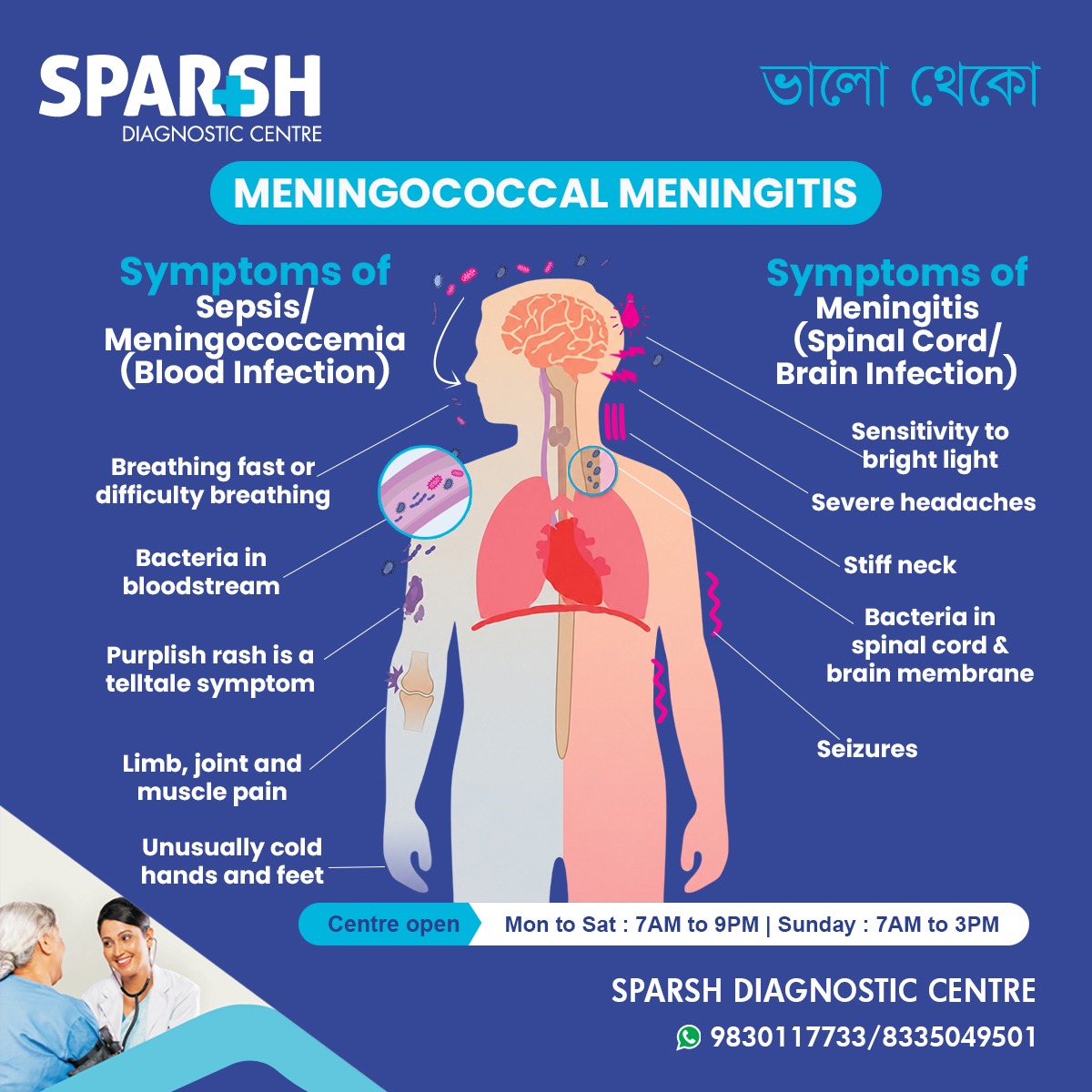
What Organs Are Affected by Meningitis?
The infection primarily affects:
Brain
Inflammation causes swelling and increased pressure inside the skull.
Spinal Cord
The protective membranes surrounding the spinal cord become inflamed.
Bloodstream
If bacteria enter the bloodstream, meningococcal septicemia develops, affecting multiple organs.
In severe cases, the infection can damage:
- Heart
- Kidneys
- Adrenal glands
- Skin
- Blood vessels
Meningococcal Septicemia
One of the most dangerous complications is meningococcal septicemia.
Symptoms include:
- Purple rash
- Cold hands and feet
- Rapid heartbeat
- Low blood pressure
- Breathing difficulty
- Confusion
- Severe muscle pain
Without immediate treatment, septic shock may develop rapidly.
How Is Meningococcal Meningitis Diagnosed?
Doctors act quickly because every hour matters.
Diagnosis may include:
Physical Examination
Doctors check for:
- Neck stiffness
- Rash
- Neurological symptoms
- Fever
Blood Tests
Blood cultures help identify the bacteria.
Lumbar Puncture (Spinal Tap)
A sample of cerebrospinal fluid is collected to confirm meningitis.
CT Scan or MRI
Imaging helps detect brain swelling or complications.
PCR Testing
Molecular testing identifies bacterial DNA quickly.
Treatment of Meningococcal Meningitis
Treatment begins immediately, often before test results are confirmed.
Common treatments include:
Intravenous Antibiotics
Powerful antibiotics are administered as early as possible.
Fluids
IV fluids help maintain blood pressure and hydration.
Oxygen Therapy
Supports breathing if necessary.
Corticosteroids
These may reduce inflammation and lower the risk of neurological complications in selected cases.
Intensive Care
Patients with septic shock or severe illness may require ICU admission.
Possible Complications
Even with prompt treatment, complications may occur.
These include:
- Hearing loss
- Memory problems
- Learning disabilities
- Seizures
- Brain damage
- Kidney failure
- Limb amputations
- Septic shock
- Death
Early diagnosis dramatically reduces these risks.
Can Meningococcal Meningitis Be Prevented?
Yes. Prevention is highly effective.
Important preventive measures include:
Vaccination
Vaccines provide protection against several major meningococcal strains.
Vaccination is recommended for:
- Infants
- Adolescents
- College students
- Travelers
- Military recruits
- People with weakened immunity
Good Hygiene
- Wash hands regularly.
- Cover coughs and sneezes.
- Avoid sharing drinks and utensils.
Antibiotics for Close Contacts
Family members and others who have had close contact with an infected person may receive preventive antibiotics.
Meningococcal Vaccines
Several vaccines are available worldwide.
They protect against different serogroups, including:
- A
- B
- C
- W
- Y
Your doctor can recommend the most appropriate vaccine based on age, health status, and travel plans.
Prognosis
With rapid treatment, many patients recover completely.
However:
- Around 1 in 10 infected individuals may die despite treatment.
- Approximately 10–20% of survivors experience long-term complications.
The earlier antibiotics are started, the better the outcome.
When Should You Seek Emergency Medical Care?
Seek immediate medical attention if someone develops:
- Sudden high fever
- Severe headache
- Stiff neck
- Purple rash
- Confusion
- Seizures
- Difficulty waking
- Difficulty breathing
- Persistent vomiting
Do not wait for symptoms to improve on their own.
Tips to Reduce Your Risk
Protect yourself and your family by:
- Staying up to date with vaccinations
- Washing hands frequently
- Avoiding close contact with sick individuals
- Not sharing personal items
- Maintaining a healthy immune system
- Seeking prompt medical care for concerning symptoms
- Following travel vaccination recommendations when visiting high-risk regions
Frequently Asked Questions (FAQs)
1. What causes meningococcal meningitis?
Meningococcal meningitis is caused by the bacterium Neisseria meningitidis, which infects the protective membranes surrounding the brain and spinal cord.
2. How is meningococcal meningitis transmitted?
It spreads through respiratory droplets and saliva during close contact, such as kissing, coughing, sneezing, or sharing drinks and utensils.
3. Who is at risk of meningococcal disease?
Those at highest risk include infants, young children, teenagers, college students, military recruits, travelers to outbreak regions, and people with weakened immune systems or certain medical conditions.
4. What is the difference between meningococcal and meningitis?
Meningitis is inflammation of the membranes around the brain and spinal cord caused by bacteria, viruses, fungi, or other conditions. Meningococcal meningitis is a specific bacterial form caused by Neisseria meningitidis.
5. What are the first signs of meningococcal disease?
Early signs include sudden fever, severe headache, fatigue, muscle aches, nausea, vomiting, irritability, and loss of appetite. As the disease progresses, a stiff neck, sensitivity to light, confusion, and a distinctive purple rash may develop.
6. What is the deadliest type of meningitis?
Untreated bacterial meningitis, particularly meningococcal meningitis, is among the deadliest forms because it can progress rapidly and lead to septic shock, brain damage, or death. Prompt antibiotic treatment greatly improves outcomes.
7. Which organ is affected by meningitis?
Meningitis primarily affects the brain and spinal cord, specifically the protective membranes called the meninges. In severe cases, the bloodstream and other organs such as the kidneys, heart, and adrenal glands can also be affected.
8. What are 5 to 6 symptoms of meningitis?
Common symptoms include:
- High fever
- Severe headache
- Stiff neck
- Sensitivity to light
- Nausea and vomiting
- Confusion or drowsiness
9. What age is meningococcal most common?
Meningococcal disease is most common in infants younger than one year and has a second peak in adolescents and young adults, particularly those aged 16–23 years.
10. What is the biggest cause of meningitis?
Worldwide, viral infections are the most common overall cause of meningitis. However, bacterial meningitis is the most serious form due to its rapid progression and higher risk of severe complications and death.
Meningococcal meningitis is a medical emergency that requires immediate attention. Although it is relatively uncommon, it can progress quickly and lead to severe complications if treatment is delayed. Recognizing the early warning signs—such as sudden fever, severe headache, stiff neck, sensitivity to light, and a purple rash—can make a life-saving difference.
Vaccination remains one of the most effective ways to prevent meningococcal disease, particularly for infants, adolescents, travelers, and other high-risk groups. Practicing good hygiene, avoiding close contact with infected individuals, and seeking prompt medical care when symptoms appear are equally important.
If you or a loved one develops symptoms suggestive of meningococcal meningitis, do not delay. Immediate evaluation and treatment can significantly improve recovery and reduce the risk of long-term complications.
To consult a Doctor or get full body check-up done at Sparsh Diagnostic Centre, call our helpline numbers 9830117733/ 8335049501.
#BhaloTheko
Disclaimer:
No content on this site, regardless of date, should ever be used as a substitute for direct medical advice from your doctor or other qualified clinician.