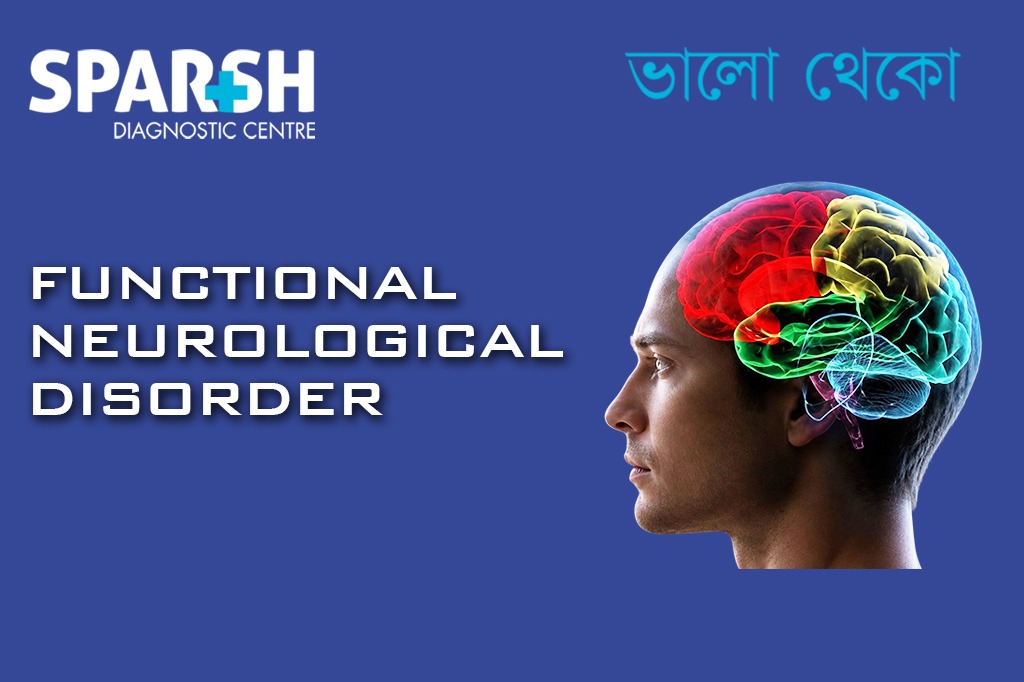
Functional Neurological Disorder (FND) is a complex neurological condition that affects how the brain sends and receives signals, leading to genuine physical symptoms without structural damage to the nervous system. Although symptoms can closely resemble conditions such as stroke, epilepsy, Parkinson’s disease, or multiple sclerosis, FND is a distinct disorder that requires specialized diagnosis and treatment.
For many years, FND was misunderstood or mistakenly considered “all in the mind.” Today, medical research confirms that Functional Neurological Disorder is a real and treatable condition involving abnormal brain functioning rather than brain damage.
Understanding the symptoms, causes, diagnosis, and treatment options can help patients receive timely care and improve their quality of life.
What Is Functional Neurological Disorder?
Functional Neurological Disorder (FND), previously known as conversion disorder, is a condition in which the nervous system does not function properly despite appearing structurally normal on routine medical tests.
In simple terms:
- The brain is intact.
- The nerves are intact.
- The communication between the brain and body becomes disrupted.
Think of it like a software problem rather than a hardware problem. The brain struggles to process or control movement, sensation, speech, or awareness correctly, even though scans often appear normal.
FND is one of the most common reasons people visit neurology clinics and can affect individuals of all ages.
What Is an Example of a Functional Neurological Disorder?
FND includes several neurological symptoms that occur without damage to the nervous system.
Examples include:
- Functional limb weakness
- Functional tremors
- Functional gait disorders
- Psychogenic Non-Epileptic Seizures (PNES)
- Functional speech disorders
- Functional sensory loss
- Functional vision disturbances
- Functional dystonia
For example, someone may suddenly lose the ability to move one leg after emotional stress, yet MRI scans show no stroke or spinal cord injury.
Early Signs of Functional Neurological Disorder
Symptoms vary greatly between individuals.
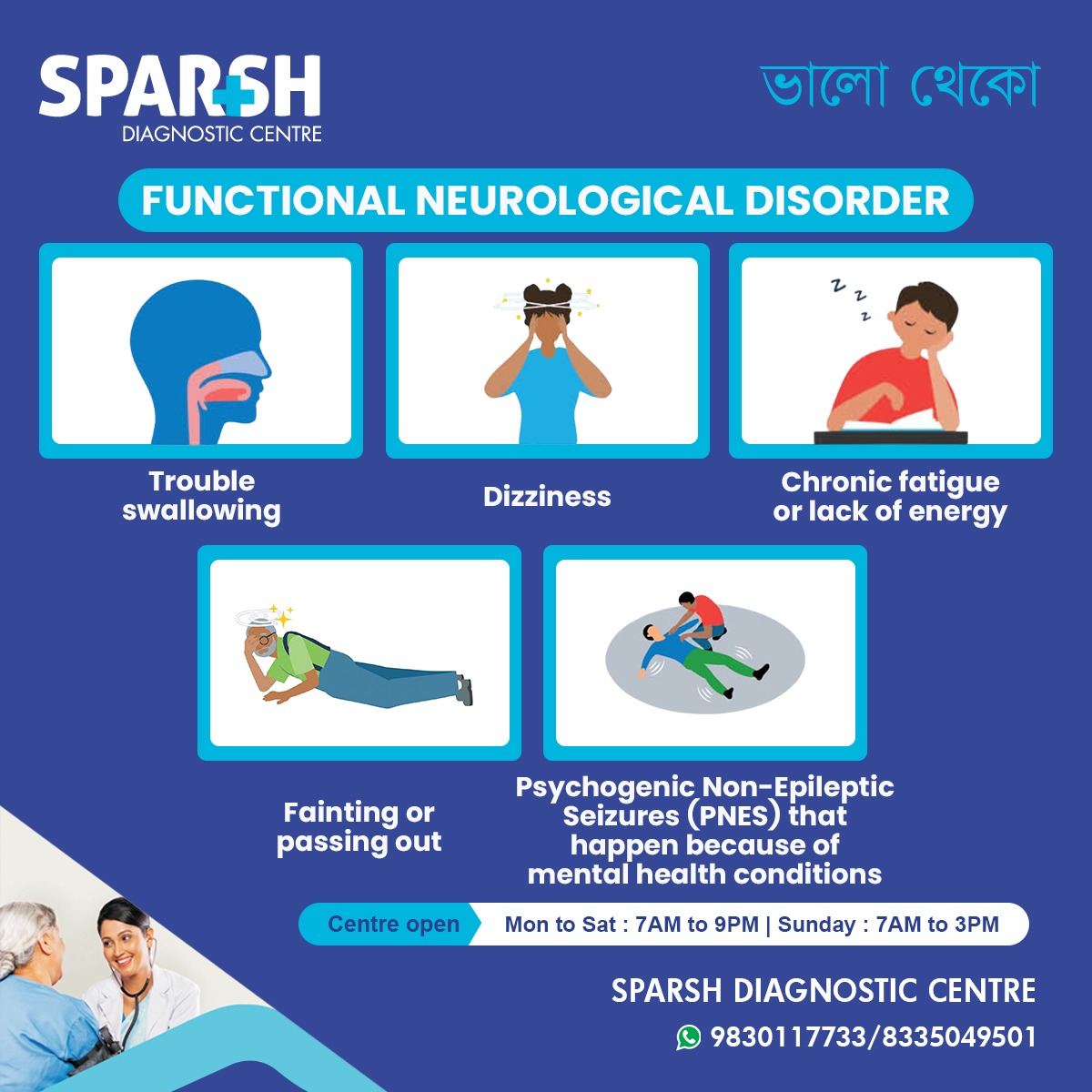
Some of the earliest warning signs include:
- Sudden weakness in an arm or leg
- Tremors that come and go
- Difficulty walking
- Problems swallowing
- Chronic fatigue
- Persistent dizziness
- Numbness or tingling
- Speech difficulties
- Memory and concentration problems (“brain fog”)
- Episodes resembling epileptic seizures
Symptoms may appear suddenly after:
- Physical injury
- Illness
- Surgery
- Emotional trauma
- Significant stress
However, some people develop symptoms gradually without an obvious trigger.
Common Symptoms of Functional Neurological Disorder
People with FND can experience movement, sensory, cognitive, or seizure-like symptoms.
Movement Symptoms
- Weakness
- Paralysis
- Tremors
- Muscle spasms
- Difficulty walking
- Balance problems
- Abnormal posture
- Coordination difficulties
Sensory Symptoms
- Numbness
- Reduced sensation
- Vision problems
- Hearing changes
- Difficulty swallowing
- Speech abnormalities
Cognitive Symptoms
- Brain fog
- Memory issues
- Poor concentration
- Mental fatigue
Seizure-Like Episodes
Some individuals experience Functional Seizures (PNES), which resemble epilepsy but occur without abnormal electrical activity in the brain.
What Do FND Seizures Look Like?
Functional seizures, also called Psychogenic Non-Epileptic Seizures (PNES), can closely resemble epileptic seizures.
Symptoms may include:
- Whole-body shaking
- Jerking movements
- Collapse
- Eyes tightly closed
- Crying during episodes
- Long-lasting attacks
- Fluctuating movements
- Retained awareness in some cases
Unlike epilepsy, EEG testing usually does not show abnormal electrical brain activity during these episodes.
Can FND Cause Paralysis?
Yes.
Functional Neurological Disorder can cause temporary paralysis or severe weakness affecting:
- One arm
- One leg
- Both legs
- One side of the body
Although paralysis may appear dramatic, it occurs because the brain cannot properly activate movement—not because muscles or nerves are permanently damaged.
Many patients improve significantly with appropriate rehabilitation.
Causes of Functional Neurological Disorder
Researchers believe FND develops due to changes in brain network functioning rather than structural disease.
Possible contributing factors include:
Biological Factors
- Previous neurological illness
- Migraine
- Chronic pain
- Sleep disorders
- Fatigue
Psychological Factors
- Anxiety
- Depression
- PTSD
- Emotional trauma
Physical Triggers
- Surgery
- Concussion
- Infection
- Injury
- Childbirth
Many patients have no obvious psychological trigger.
Is Functional Neurological Disorder a Mental Illness?
No.
FND is not classified as a mental illness, although psychological factors may contribute in some individuals.
It is considered a neurological condition involving abnormal brain function.
Many patients with FND do not have depression, anxiety, or trauma.
However, mental health conditions may coexist and can worsen symptoms if left untreated.
Is FND an Autoimmune Disease?
No.
Functional Neurological Disorder is not an autoimmune disease.
Unlike conditions such as multiple sclerosis or lupus, FND does not result from the immune system attacking the nervous system.
Routine blood tests for autoimmune disorders are generally normal unless another condition is also present.
What Age Does FND Start?
FND can occur at any age.
It is most commonly diagnosed in:
- Teenagers
- Young adults
- Adults between 20–50 years
However, children and older adults can also develop FND.
Women are diagnosed more frequently than men, though the disorder affects both sexes.
What Is the Youngest Case of FND?
FND has been reported in children as young as 4–5 years old, although it is relatively uncommon in very young children.
Pediatric FND is increasingly recognized, and early diagnosis often leads to better outcomes with multidisciplinary treatment.
Does FND Happen Suddenly?
Often, yes.
Many patients experience sudden onset of symptoms such as:
- Limb weakness
- Difficulty speaking
- Collapse
- Tremors
- Functional seizures
Others develop symptoms gradually over weeks or months.
The onset may follow:
- Viral illness
- Injury
- Surgery
- Stressful life events
Sometimes no trigger is identified.
How Do Doctors Test for FND?
Diagnosing FND involves identifying positive clinical signs, not simply ruling out other diseases.
Doctors may recommend:
Neurological Examination
Neurologists look for characteristic features that indicate FND.
MRI Scan
Used to exclude stroke, tumors, or multiple sclerosis.
CT Scan
May be performed in emergency settings.
EEG
Helpful for distinguishing functional seizures from epilepsy.
Blood Tests
To rule out infections, metabolic disorders, or autoimmune diseases.
Functional Movement Assessment
Physiotherapists assess movement patterns characteristic of FND.
Diagnosis is increasingly based on positive findings rather than “normal test results.”
Does FND Show Up on an MRI?
Usually, no.
Routine MRI scans are generally normal because the brain structure is intact.
MRI helps rule out:
- Stroke
- Brain tumors
- Multiple sclerosis
- Brain injury
Researchers using advanced functional MRI have identified altered communication between brain regions in people with FND, but these findings are not yet used routinely for diagnosis.
How Is Functional Neurological Disorder Treated?
Treatment focuses on restoring normal brain function rather than repairing damaged nerves.
The best outcomes occur with a multidisciplinary approach.
Neurological Care
A neurologist confirms the diagnosis and explains the condition clearly.
Understanding FND itself can significantly improve symptoms.
Physiotherapy
Specialized neurological physiotherapy helps retrain normal movement.
Treatment includes:
- Balance training
- Walking exercises
- Strengthening
- Functional movement retraining
Occupational Therapy
Helps patients return to work, school, and daily activities.
Psychological Therapy
Cognitive Behavioral Therapy (CBT) can help manage:
- Anxiety
- Stress
- Functional seizures
- Coping strategies
Therapy does not mean symptoms are imaginary.
Speech Therapy
Useful for:
- Swallowing problems
- Voice disorders
- Speech difficulties
Medication
No medication specifically cures FND.
However, doctors may prescribe medicines for:
- Depression
- Anxiety
- Migraine
- Chronic pain
- Sleep disorders
What Is the Best Treatment for Functional Neurological Disorder?
There is no single best treatment for everyone.
Most specialists recommend combining:
- Education about FND
- Neurological physiotherapy
- Psychological support when needed
- Occupational therapy
- Speech therapy for communication or swallowing issues
- Lifestyle changes including good sleep, regular exercise, and stress management
Personalized rehabilitation often delivers the best results.
Can Functional Neurological Disorder Be Fixed?
Many people improve significantly, and some recover completely.
Recovery depends on:
- Early diagnosis
- Access to specialized care
- Symptom duration
- Patient engagement with therapy
- Presence of other medical conditions
Even those with long-standing FND often experience meaningful improvement.
How Long Does Functional Neurological Disorder Last?
The duration varies considerably.
Some recover within:
- Weeks
- Months
Others experience symptoms for:
- Several years
- Intermittent flare-ups
- Chronic but manageable symptoms
Early treatment generally improves the likelihood of recovery.
Can You Live a Normal Life With FND?
Yes.
Many individuals with FND return to:
- Work
- School
- Driving
- Sports
- Family responsibilities
Recovery may not always be linear. Symptoms can fluctuate, especially during illness, fatigue, or stress, but ongoing rehabilitation and healthy lifestyle habits help many people regain independence.
How to Stop FND Attacks
For people experiencing functional seizures or sudden symptom episodes:
- Stay calm and move to a safe place.
- Practice slow, controlled breathing.
- Use grounding techniques, such as focusing on sights, sounds, or touch.
- Identify and avoid personal triggers when possible.
- Follow the treatment plan provided by your healthcare team.
- Attend regular physiotherapy or psychological therapy sessions if recommended.
- Maintain adequate sleep, hydration, and regular meals.
Family members should avoid restraining someone during an episode unless there is immediate danger. If an attack is prolonged, results in injury, or it is the person’s first episode, seek emergency medical care.
Living With Functional Neurological Disorder
Managing FND often involves long-term self-care alongside professional treatment.
Helpful habits include:
- Maintaining a regular sleep schedule
- Exercising within your ability
- Managing stress through relaxation techniques
- Keeping follow-up appointments
- Taking prescribed medications consistently
- Building a strong support system
- Learning about the condition
Many people notice that understanding FND reduces fear and improves symptom control.
When Should You See a Doctor?
Seek medical attention if you experience:
- Sudden weakness or paralysis
- Difficulty speaking
- Recurrent fainting
- Seizure-like episodes
- Persistent dizziness
- Problems swallowing
- New tremors
- Vision changes
- Unexplained numbness
Even if symptoms are eventually diagnosed as FND, emergency conditions such as stroke or epilepsy should always be ruled out first.
Preventing Functional Neurological Disorder
There is no guaranteed way to prevent FND, but these measures may reduce symptom severity or the risk of flare-ups:
- Manage stress through relaxation techniques or counseling.
- Treat anxiety, depression, or other mental health conditions promptly.
- Maintain regular physical activity.
- Prioritize good sleep and nutrition.
- Address chronic pain or other medical conditions early.
- Follow rehabilitation programs consistently if you’ve already been diagnosed.
Frequently Asked Questions (FAQs)
1. What is a functional neurological disorder?
Functional Neurological Disorder is a neurological condition in which the brain has difficulty sending or processing signals correctly, causing symptoms such as weakness, tremors, seizures, or sensory changes despite the absence of structural damage to the nervous system.
2. What is an example of a functional neurological disorder?
Examples include functional limb weakness, functional tremor, functional gait disorder, functional speech disorder, and Psychogenic Non-Epileptic Seizures (PNES).
3. How do you treat functional neurological disorder?
Treatment usually includes neurological care, specialized physiotherapy, occupational therapy, speech therapy when needed, psychological therapy such as CBT, and management of associated conditions like anxiety, pain, or sleep problems.
4. What is the best treatment for functional neurological disorder?
The most effective approach is a personalized multidisciplinary treatment plan combining education, physiotherapy, rehabilitation, and psychological support when appropriate.
5. Can functional neurological disorder be fixed?
Many people experience substantial improvement, and some recover completely, particularly with early diagnosis and appropriate rehabilitation.
6. How long does functional neurological disorder last?
Symptoms may last from weeks to years. The duration varies widely depending on the individual, the type of symptoms, and how quickly treatment begins.
7. What age does FND start?
FND can develop at any age but is most commonly diagnosed in adolescents and adults between 20 and 50 years old.
8. Does FND show up on an MRI?
Routine MRI scans are usually normal. MRI is mainly used to rule out other neurological conditions such as stroke or multiple sclerosis.
9. Can you live a normal life with FND?
Yes. Many people with FND return to work, education, and everyday activities with appropriate treatment and rehabilitation.
10. What are the early signs of FND?
Early signs may include limb weakness, tremors, dizziness, fatigue, speech difficulties, numbness, swallowing problems, and seizure-like episodes.
11. Is functional neurological disorder a mental illness?
No. FND is a neurological disorder involving altered brain function. Mental health conditions may coexist in some people but are not required for the diagnosis.
12. How do you stop FND attacks?
Move to a safe place, stay calm, practice slow breathing, use grounding techniques, avoid known triggers, and follow your treatment plan. Seek urgent medical care for first-time, prolonged, or injury-related episodes.
13. What are the early signs of neurological disorders?
Common early neurological symptoms include weakness, numbness, tremors, dizziness, balance problems, vision changes, persistent headaches, speech difficulties, memory issues, and coordination problems. These symptoms require medical evaluation.
14. Can FND cause paralysis?
Yes. FND can cause temporary paralysis or significant weakness, even though the nerves and muscles remain structurally normal.
15. What is the youngest case of FND?
Cases have been reported in children as young as 4–5 years old, although FND is more commonly diagnosed in older children, teenagers, and adults.
16. Does FND happen suddenly?
Yes. Symptoms often appear suddenly after illness, injury, surgery, emotional stress, or sometimes without any obvious trigger.
17. How do doctors test for FND?
Doctors diagnose FND through a neurological examination, positive clinical signs, and tests such as MRI, EEG, CT scans, and blood tests to exclude other conditions.
18. Is FND an autoimmune disease?
No. FND is not an autoimmune disorder and does not involve the immune system attacking the brain or nerves.
19. What do FND seizures look like?
FND seizures may involve shaking, jerking movements, collapse, or altered awareness. Unlike epileptic seizures, they do not show abnormal electrical activity on an EEG.
20. Is Functional Neurological Disorder curable?
While there is no guaranteed cure, many people improve significantly or recover fully with early diagnosis, rehabilitation, education, and ongoing support.
To consult a Doctor or get full body check-up done at Sparsh Diagnostic Centre, call our helpline numbers 9830117733/ 8335049501.
#BhaloTheko
Disclaimer:
No content on this site, regardless of date, should ever be used as a substitute for direct medical advice from your doctor or other qualified clinician.