


Cellulitis is a common bacterial skin infection that affects the deeper layers of the skin and the tissues beneath it. While it often begins as a small area of redness or swelling, it can spread rapidly if left untreated. Fortunately, early diagnosis and prompt treatment with antibiotics usually lead to a full recovery.
Many people mistake cellulitis for a simple rash or insect bite, delaying medical care. Knowing the early warning signs and understanding who is at risk can help prevent complications. If the infection enters the bloodstream or deeper tissues, it can become a serious medical emergency.
In this comprehensive guide, we’ll explain everything you need to know about cellulitis, including its causes, symptoms, diagnosis, treatment options, recovery time, prevention strategies, and answers to the most frequently asked questions.
What Is Cellulitis?
It is a bacterial infection of the skin and the soft tissues beneath it. It most commonly affects the legs, but it can occur anywhere on the body, including the arms, face, abdomen, and around surgical wounds.
The infection develops when bacteria enter the body through a break in the skin, such as:
- Cuts
- Scratches
- Insect bites
- Surgical wounds
- Cracked skin
- Athlete’s foot
- Eczema
Without treatment, cellulitis can spread to the lymph nodes, bloodstream, and even vital organs.
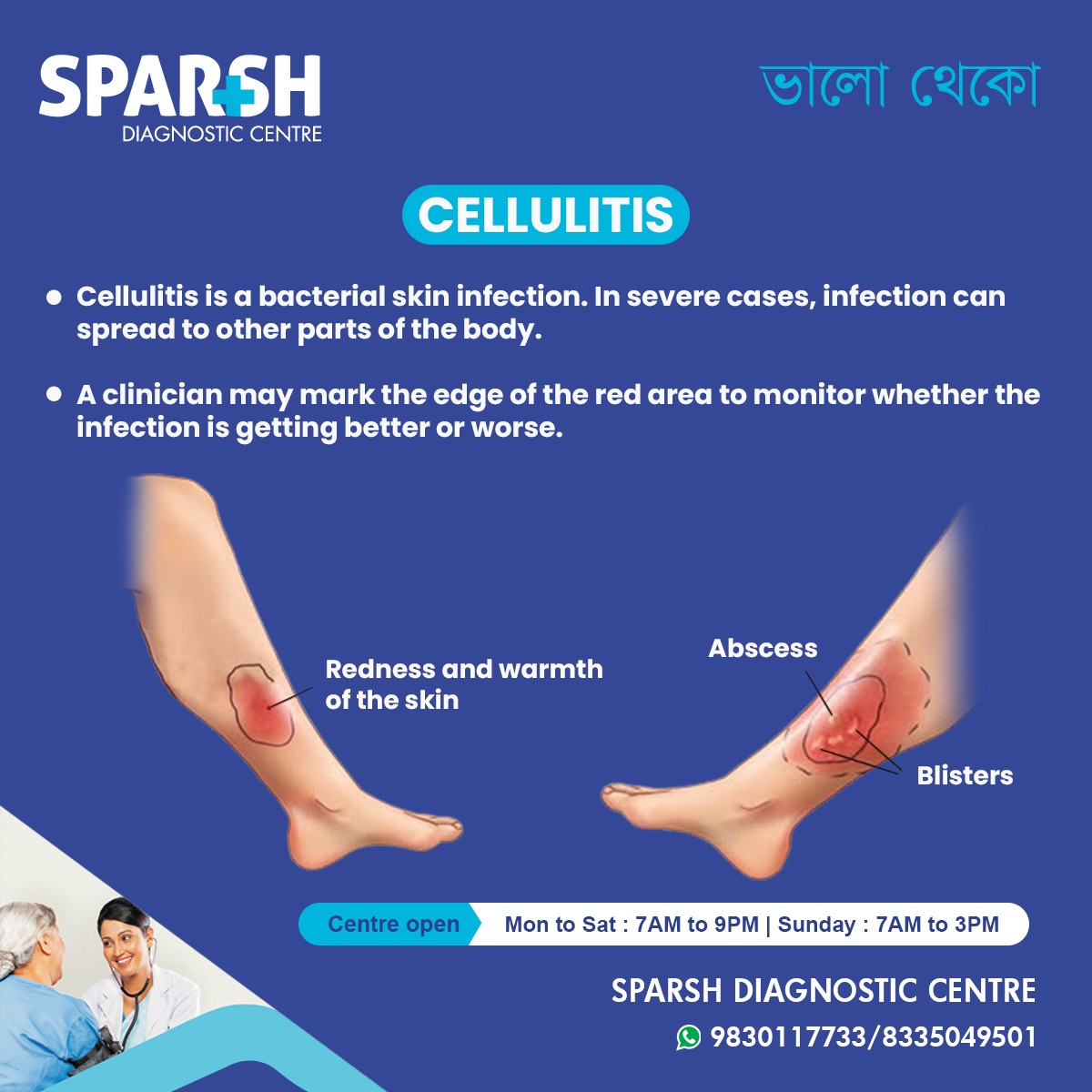
What Is the Cause of Cellulitis?
The most common causes are bacteria entering damaged skin.
The bacteria responsible include:
- Streptococcus pyogenes (Group A Streptococcus) – the most common cause
- Staphylococcus aureus, including MRSA (Methicillin-resistant Staphylococcus aureus)
These bacteria normally live harmlessly on the skin. However, when the skin barrier breaks, they can invade deeper tissues and trigger infection.
Common triggers include:
- Cuts and abrasions
- Animal or insect bites
- Burns
- Surgical incisions
- Skin ulcers
- Chronic swelling (lymphedema)
- Cracked heels
- Fungal foot infections
Why Did I Get Cellulitis All of a Sudden?
Many patients are surprised because they don’t remember injuring themselves.
Small skin breaks often go unnoticed, such as:
- Dry cracked skin
- Tiny shaving cuts
- Athlete’s foot
- Minor scratches
- Insect bites
- Nail injuries
People with diabetes or poor circulation may not even feel these small injuries, making cellulitis seem to appear suddenly.
First Signs of Cellulitis
The earliest symptoms usually develop over several hours or one to two days.
Common first signs include:
- Red patch of skin
- Warmth over the affected area
- Swelling
- Tenderness
- Pain when touched
- Skin that feels tight
- Mild fever
- Fatigue
Unlike many rashes, cellulitis continues spreading if left untreated.
Symptoms of Cellulitis
As the infection progresses, symptoms become more obvious.
These include:
- Increasing redness
- Swelling
- Severe pain
- Skin warmth
- Blisters
- Pus formation
- Abscess
- Red streaks extending from the infected area
- Fever
- Chills
- Enlarged lymph nodes
Severe cellulitis may also cause:
- Confusion
- Rapid heartbeat
- Low blood pressure
- Difficulty breathing
These symptoms require immediate emergency care.
What Are the Stages of Cellulitis?
Doctors generally describe cellulitis according to severity rather than strict stages.
Mild
- Small area of redness
- Warm skin
- Mild swelling
- No fever
Moderate
- Larger affected area
- Increasing pain
- Fever
- Swollen lymph nodes
Severe
- Extensive redness
- Blisters
- Skin breakdown
- High fever
- Low blood pressure
- Infection spreading into the bloodstream
Prompt treatment at earlier stages greatly reduces complications.
Who Is Most at Risk?
Certain people are more likely to develop cellulitis.
Risk factors include:
- Diabetes
- Poor blood circulation
- Obesity
- Chronic leg swelling
- Lymphedema
- Athlete’s foot
- Eczema
- Psoriasis
- Weakened immune system
- Older adults
- Previous cellulitis
- Recent surgery
- Intravenous drug use
People with recurrent cellulitis may require preventive antibiotics.
Is it a Fungal Infection?
No.
Cellulitis is not caused by fungi.
It is almost always caused by bacteria, mainly Streptococcus or Staphylococcus.
However, fungal infections such as athlete’s foot can create cracks in the skin, allowing bacteria to enter and cause cellulitis.
Can it be caused by Poor Hygiene?
Poor hygiene alone does not directly cause cellulitis.
However, poor skin care may increase the risk by allowing:
- Skin infections
- Cracked skin
- Untreated wounds
- Fungal infections
Good hygiene helps reduce bacterial growth and lowers the chance of infection.
How Do Doctors Diagnose Cellulitis?
It is mainly diagnosed through a physical examination.
Doctors assess:
- Appearance of the skin
- Location of redness
- Swelling
- Pain
- Warmth
- Fever
- Medical history
Additional tests may be ordered if the infection is severe or the diagnosis is uncertain.
How Do Doctors Test for Cellulitis?
Although it is primarily a clinical diagnosis, doctors may recommend:
Blood Tests
- Complete Blood Count (CBC)
- C-Reactive Protein (CRP)
- ESR (Erythrocyte Sedimentation Rate)
Blood Cultures
Performed if bloodstream infection is suspected.
Ultrasound
Used to detect abscesses or rule out deep vein thrombosis.
MRI or CT Scan
Helpful for identifying deeper tissue infections.
Wound Culture
If drainage or pus is present.
Can CBC Detect Cellulitis?
A CBC cannot diagnose cellulitis by itself.
However, it can show signs of infection.
Doctors look for:
- Elevated white blood cell count
- Increased neutrophils
These findings support the diagnosis alongside physical examination.
Will WBC Be High with Cellulitis?
Yes.
Many patients with bacterial cellulitis have an elevated white blood cell (WBC) count.
A high WBC count indicates the immune system is actively fighting infection.
However, mild cellulitis may sometimes have a normal WBC count.
Is CRP Raised in Cellulitis?
Yes.
C-Reactive Protein (CRP) is commonly elevated during cellulitis.
CRP helps doctors:
- Assess the severity of inflammation
- Monitor treatment response
- Detect worsening infection
As treatment becomes effective, CRP levels usually decline.
What Is Commonly Mistaken for Cellulitis?
Several conditions resemble it.
Common examples include:
- Deep vein thrombosis (DVT)
- Contact dermatitis
- Venous eczema
- Insect bite reactions
- Gout
- Lipodermatosclerosis
- Shingles
- Allergic reactions
- Vasculitis
- Chronic venous insufficiency
Because treatment differs greatly, proper diagnosis is important.
Cellulitis Treatment
Treatment depends on the severity of infection.
Most mild cases improve with:
- Oral antibiotics
- Rest
- Elevating the affected limb
- Drinking plenty of fluids
- Pain relievers if needed
- Keeping the skin clean
More severe infections may require:
- Intravenous antibiotics
- Hospital admission
- Drainage of abscesses
- Surgery in rare cases
Most people begin feeling better within 48 to 72 hours after starting antibiotics.
What Is the Gold Standard Treatment for Cellulitis?
The gold standard treatment is prompt antibiotic therapy.
Doctors select antibiotics based on:
- Severity
- Location
- Patient allergies
- Risk of MRSA
Common oral antibiotics include:
- Cephalexin
- Dicloxacillin
- Amoxicillin-clavulanate
MRSA coverage may require:
- Clindamycin
- Doxycycline
- Trimethoprim-sulfamethoxazole
Hospitalized patients often receive intravenous antibiotics.
Can Cellulitis Go Away Without Antibiotics?
In most cases, no.
Cellulitis usually requires antibiotics because it is a bacterial infection.
Without treatment:
- The infection may spread rapidly.
- Abscesses can develop.
- Bloodstream infection may occur.
- Hospitalization may become necessary.
Never rely on home remedies alone for suspected cellulitis.
How Long Does Cellulitis Last?
Recovery depends on:
- Severity
- Overall health
- Speed of treatment
Typical recovery timeline:
- Improvement begins within 2–3 days.
- Pain decreases within several days.
- Redness fades over 1–2 weeks.
- Severe infections may require several weeks.
Some swelling may persist even after the infection has cleared.
What Happens If Cellulitis Gets in Your Blood?
This is one of the most dangerous complications.
If bacteria enter the bloodstream, patients may develop:
- Sepsis
- Septic shock
- Organ failure
- Kidney injury
- Heart complications
Symptoms include:
- High fever
- Rapid heartbeat
- Confusion
- Low blood pressure
- Difficulty breathing
Immediate emergency treatment is essential.
What Is the Survival Rate of Cellulitis?
With early treatment, the outlook is excellent.
Most healthy individuals recover completely.
Severe cellulitis complicated by sepsis carries a much higher risk, especially among:
- Older adults
- People with diabetes
- Patients with weakened immune systems
- Individuals with delayed treatment
Early antibiotic therapy dramatically improves survival.
Complications of Cellulitis
If untreated, cellulitis may cause:
- Abscess formation
- Bloodstream infection
- Sepsis
- Bone infection (osteomyelitis)
- Lymphatic damage
- Recurrent cellulitis
- Tissue death (rare)
Can Cellulitis Return?
Yes.
Some individuals experience repeated episodes.
Risk factors include:
- Chronic leg swelling
- Obesity
- Diabetes
- Athlete’s foot
- Venous disease
- Previous cellulitis
Managing underlying conditions helps reduce recurrence.
Preventing Cellulitis
Simple preventive measures include:
- Treat cuts promptly
- Wash wounds with soap and water
- Use antiseptic creams when appropriate
- Moisturize dry skin
- Treat athlete’s foot early
- Wear protective footwear outdoors
- Control diabetes effectively
- Maintain a healthy weight
- Avoid scratching insect bites
When Should You See a Doctor?
Seek medical attention immediately if you develop:
- Rapidly spreading redness
- Fever
- Severe pain
- Blisters
- Pus
- Red streaks
- Swollen lymph nodes
- Facial cellulitis
- Symptoms that worsen despite antibiotics
Early treatment can prevent hospitalization and serious complications.
Frequently Asked Questions (FAQs)
1. What is the cause of cellulitis?
Cellulitis is caused by bacteria, usually Streptococcus or Staphylococcus, entering the skin through a cut, wound, insect bite, or other break in the skin.
2. How to heal cellulitis?
Cellulitis is treated with antibiotics, rest, elevation of the affected limb, hydration, and proper wound care. Severe cases may require hospitalization and intravenous antibiotics.
3. Can cellulitis go away without antibiotics?
No. Most cases require antibiotics. Without treatment, the infection can spread and become life-threatening.
4. What are the first signs of cellulitis usually?
Early signs include redness, warmth, swelling, tenderness, pain, and sometimes fever or chills.
5. How long does cellulitis last?
Most people improve within 48–72 hours after starting antibiotics, while complete healing usually takes one to two weeks. Severe infections may take longer.
6. Who is most at risk for cellulitis?
People with diabetes, obesity, poor circulation, chronic swelling, eczema, athlete’s foot, weakened immunity, or previous cellulitis are at increased risk.
7. What is commonly mistaken for cellulitis?
Deep vein thrombosis, contact dermatitis, gout, allergic reactions, venous eczema, shingles, and insect bites are commonly mistaken for cellulitis.
8. Does cellulite indicate poor health?
No. Cellulite is a cosmetic condition involving fat beneath the skin and is unrelated to cellulitis, which is a bacterial infection.
9. Can cellulitis be caused by poor hygiene?
Poor hygiene alone is not a direct cause, but poor skin care may increase the risk of skin damage and bacterial infection.
10. How do doctors test for cellulitis?
Doctors mainly diagnose cellulitis through physical examination. Blood tests, ultrasound, wound cultures, or imaging may be used when needed.
11. What are the stages of cellulitis?
Cellulitis progresses from mild redness and swelling to moderate infection with fever, and in severe cases can spread to the bloodstream and other tissues.
12. Is cellulitis a fungal infection?
No. Cellulitis is a bacterial infection, although fungal infections like athlete’s foot can increase the risk by damaging the skin.
13. Is CRP raised in cellulitis?
Yes. CRP is often elevated and helps doctors assess inflammation and monitor recovery.
14. What is the gold standard treatment for cellulitis?
Prompt antibiotic therapy remains the standard treatment, along with supportive care and treatment of any underlying skin conditions.
15. Can CBC detect cellulitis?
A CBC cannot confirm cellulitis but may show an elevated white blood cell count, supporting the diagnosis.
16. Will WBC be high with cellulitis?
Yes. Many patients have an increased white blood cell count because the immune system is responding to infection.
17. What are the first signs of cellulitis?
The earliest symptoms are redness, warmth, swelling, tenderness, and pain that gradually spread.
18. What happens if cellulitis gets in your blood?
The infection can lead to sepsis, a life-threatening condition requiring immediate emergency treatment.
19. What is the survival rate of cellulitis?
Most people recover fully with early treatment. Serious complications are uncommon when antibiotics are started promptly.
20. Why did I get cellulitis all of a sudden?
Even tiny, unnoticed skin breaks can allow bacteria to enter, making cellulitis appear to develop suddenly.
Cellulitis is a potentially serious bacterial skin infection that should never be ignored. Although it often starts with mild redness, warmth, and swelling, it can progress quickly without proper treatment. Early recognition, prompt antibiotic therapy, and good skin care are key to preventing complications such as abscesses, bloodstream infections, or recurrent episodes. If you notice a rapidly spreading red, painful area of skin—especially if it’s accompanied by fever—seek medical attention without delay. With timely diagnosis and appropriate treatment, most people recover completely and return to their normal activities within a few weeks.
At Sparsh Diagnostic Centre, we are committed to providing comprehensive care and accurate diagnostic testing to help you stay healthy and prevent complications of infections like cellulitis.
#BhaloTheko
Disclaimer:
No content on this site, regardless of date, should ever be used as a substitute for direct medical advice from your doctor or other qualified clinician.



[…] infections – Cellulitis, abscesses, or […]
[…] Infections: Chronic swelling can cause the skin to become fragile and prone to infections, such as cellulitis. Open sores or ulcers may also develop, particularly in the […]
[…] Skin infections, including cellulitis or infections caused by wounds, can result in the […]
[…] Spread: Infections from nearby tissues, such as cellulitis or an infected diabetic foot ulcer, can extend to the […]