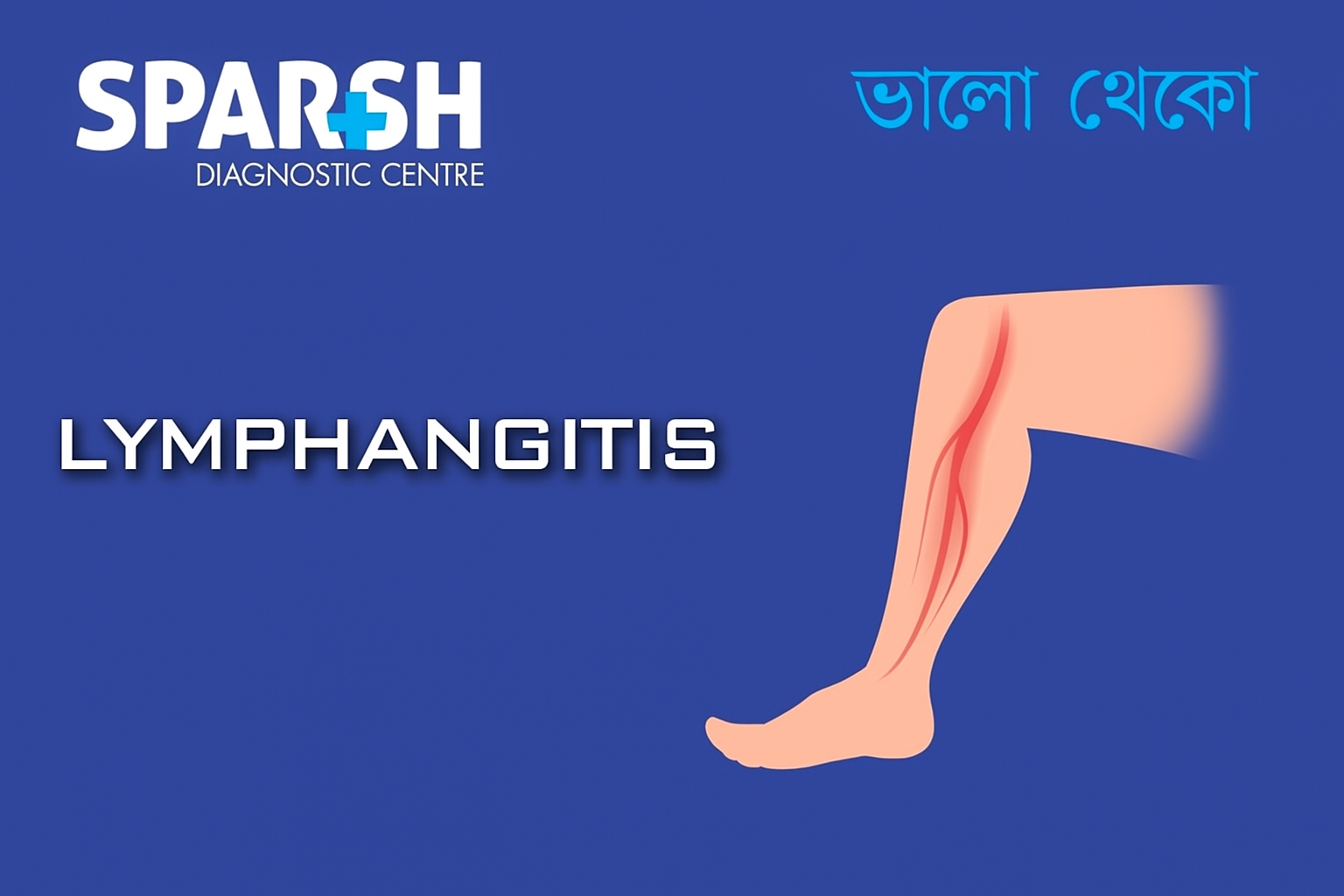
Lymphangitis is a bacterial infection that affects the lymphatic vessels, an important part of the body’s immune system. Although it may sound uncommon, lymphangitis can develop quickly and become a medical emergency if left untreated. One of its most recognizable signs is the appearance of red streaks extending from an infected wound toward nearby lymph nodes. While these streaks may seem harmless at first, they often indicate that an infection is spreading through the lymphatic system.
Prompt medical treatment is essential because untreated lymphangitis can lead to serious complications, including bloodstream infections (sepsis). Fortunately, when diagnosed early, most people recover completely with antibiotics and appropriate wound care.
In this comprehensive guide, you’ll learn everything you need to know about lymphangitis, including its causes, symptoms, risk factors, diagnosis, treatment options, home care tips, and ways to prevent it.
What Is Lymphangitis?
Lymphangitis is an inflammation or infection of the lymphatic vessels, which are part of the body’s lymphatic system. The lymphatic system is a network of vessels, lymph nodes, and organs that helps fight infections, removes waste products, and maintains fluid balance throughout the body.
When bacteria enter the body through a cut, scrape, insect bite, burn, surgical wound, or skin infection, they can spread into the lymphatic vessels. As the infection travels through these vessels, inflammation develops, producing the characteristic red streaks seen on the skin.
The condition most commonly affects the arms and legs but can occur anywhere on the body.
Unlike swollen lymph nodes (lymphadenitis), lymphangitis specifically involves the lymphatic channels that carry lymph fluid throughout the body.
How Does the Lymphatic System Work?
To understand lymphangitis, it’s helpful to know what the lymphatic system does.
The lymphatic system has several important functions:
- Removes excess fluid from body tissues
- Filters harmful bacteria and viruses
- Produces immune cells that fight infections
- Transports fats absorbed from the digestive tract
- Helps maintain a healthy immune response
Lymph fluid flows through tiny vessels and passes through lymph nodes, where germs and foreign particles are trapped and destroyed.
When bacteria overwhelm these defenses, the lymphatic vessels themselves become infected, leading to lymphangitis.
What Is the Cause of Lymphangitis?
The most common cause of lymphangitis is a bacterial infection, especially bacteria entering through damaged skin.
The bacteria most frequently responsible include:
- Group A Streptococcus (Streptococcus pyogenes) – the leading cause
- Staphylococcus aureus, including certain antibiotic-resistant strains
- Less commonly, gram-negative bacteria in people with weakened immune systems
These bacteria usually enter the body through:
- Cuts and scratches
- Animal bites
- Insect bites
- Surgical wounds
- Burns
- Diabetic foot ulcers
- Skin infections such as cellulitis
- Fungal infections causing cracked skin
Once inside the skin, the bacteria travel into nearby lymphatic vessels, causing inflammation and infection.
People with poor circulation or weakened immunity are at greater risk because their bodies have more difficulty controlling infections.
What Does the Start of Lymphangitis Look Like?
Lymphangitis often begins with what appears to be a minor skin infection.
Early signs include:
- A small cut, scratch, blister, or insect bite
- Redness around the injury
- Mild swelling
- Tenderness
- Warm skin
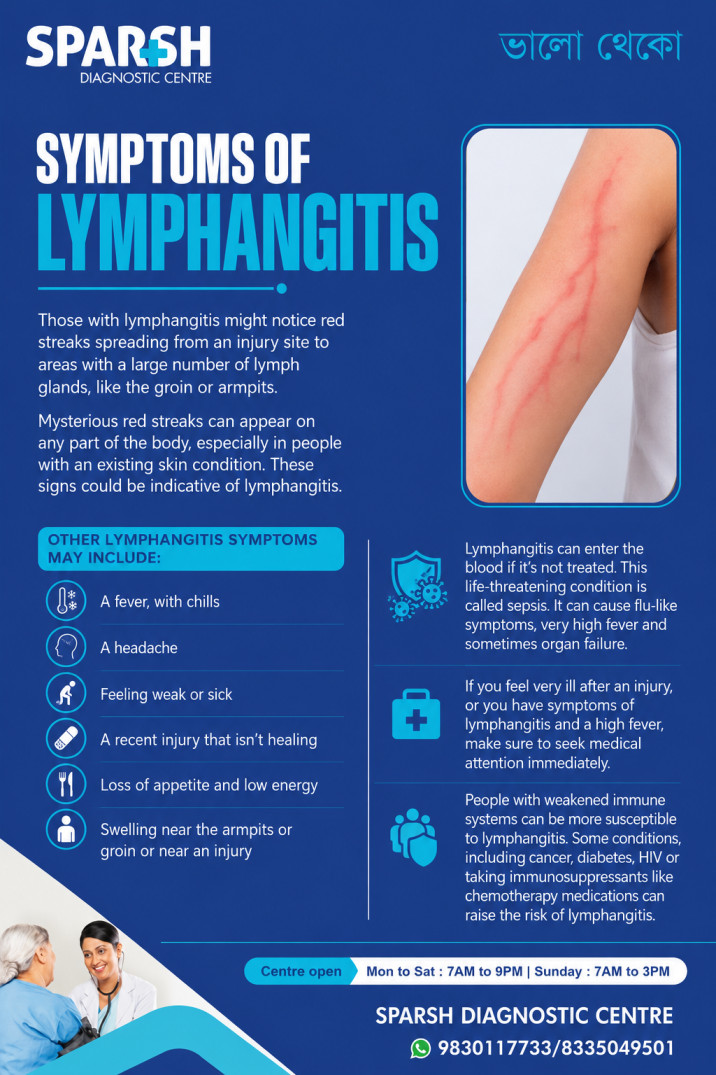
As the infection spreads, thin red streaks begin extending away from the wound toward nearby lymph nodes, such as those in the armpit or groin.
These streaks are often accompanied by increasing pain and tenderness.
Many people mistake these streaks for a simple skin rash, but they are actually a warning sign that bacteria are spreading through the lymphatic vessels.
Ignoring these symptoms can allow the infection to reach the bloodstream.
Symptoms of Lymphangitis
The symptoms can develop rapidly, sometimes within hours.
Common symptoms include:
Red streaks on the skin
The hallmark sign is one or more bright red streaks extending from an infected area toward nearby lymph nodes.
Swollen lymph nodes
Lymph nodes near the infection—such as those in the neck, armpits, or groin—may become swollen, tender, and painful.
Fever
Many people develop:
- Fever
- Chills
- Sweating
These symptoms suggest the body is actively fighting the infection.
Pain and tenderness
The infected area often becomes painful, warm, and sensitive to touch.
Swelling
Swelling may occur around:
- The original wound
- Nearby tissues
- Regional lymph nodes
Fatigue
As the infection progresses, people frequently experience:
- Weakness
- Low energy
- Feeling generally unwell
- Loss of appetite
Skin changes
Additional skin changes may include:
- Warmth
- Redness
- Increasing inflammation
- Pus if an abscess develops
If these symptoms are accompanied by confusion, rapid heartbeat, low blood pressure, or difficulty breathing, immediate emergency care is required.
Who Is Most at Risk?
Although anyone can develop lymphangitis, certain conditions significantly increase the risk.
Diabetes
High blood sugar slows wound healing and increases susceptibility to bacterial infections.
Weakened immune system
People with weakened immunity due to:
- HIV/AIDS
- Cancer treatment
- Organ transplantation
- Long-term steroid use
- Autoimmune diseases
have a higher risk of developing severe infections.
Chronic skin conditions
Conditions such as:
- Eczema
- Psoriasis
- Athlete’s foot
- Chronic ulcers
create breaks in the skin that allow bacteria to enter.
Lymphedema
People with chronic swelling caused by lymphatic damage have poorer lymph drainage, increasing the likelihood of infection.
Peripheral vascular disease
Poor blood circulation slows healing and reduces the body’s ability to fight infection.
Recent surgery
Surgical incisions provide an entry point for bacteria until they have completely healed.
Animal or insect bites
Bites can introduce bacteria directly beneath the skin.
Intravenous drug use
Repeated injections increase the risk of bacterial infections entering the bloodstream and lymphatic vessels.
Can a Mosquito Bite Cause Lymphangitis?
Yes, although it is rare, a mosquito bite can contribute to lymphangitis.
The bite itself does not directly cause the infection. However, scratching the itchy area can break the skin, allowing bacteria—most commonly Streptococcus or Staphylococcus—to enter. If these bacteria spread into the lymphatic vessels, lymphangitis may develop.
The risk is higher if the bite becomes infected due to excessive scratching, poor hygiene, or a weakened immune system.
Watch for warning signs after any insect bite, including:
- Increasing redness
- Swelling
- Pain
- Red streaks extending from the bite
- Fever or chills
If these symptoms appear, medical evaluation is recommended promptly, as early antibiotic treatment can prevent serious complications.
Can Lymphangitis Spread?
Lymphangitis itself is not contagious, meaning you cannot catch it from another person through casual contact.
However, the infection causing lymphangitis spreads within the affected person’s body through the lymphatic vessels. Without treatment, the bacteria may eventually enter the bloodstream, leading to sepsis—a life-threatening condition requiring emergency medical care.
This is why lymphangitis should never be ignored, even if it starts from what seems like a minor cut or insect bite.
How Is Lymphangitis Usually Diagnosed?
Lymphangitis is often diagnosed based on a person’s symptoms, medical history, and a physical examination. The characteristic red streaks extending from an infected wound toward nearby lymph nodes are usually a strong clue. However, because several skin conditions can resemble lymphangitis, your doctor may recommend additional tests to confirm the diagnosis and identify the underlying cause.
Physical Examination
During the examination, your healthcare provider will:
- Inspect the affected skin for redness, warmth, swelling, and red streaks
- Check the original wound, cut, insect bite, or skin infection
- Feel nearby lymph nodes to see if they are swollen or tender
- Assess whether the infection appears localized or is spreading
They will also ask about:
- Recent injuries or insect bites
- Existing skin conditions
- Recent surgery
- Diabetes or immune disorders
- Fever, chills, or other symptoms of infection
Blood Tests
Blood tests help determine the severity of the infection and whether it has spread.
These may include:
- Complete Blood Count (CBC): Checks for an elevated white blood cell count, which suggests infection.
- C-Reactive Protein (CRP): Measures inflammation in the body.
- Erythrocyte Sedimentation Rate (ESR): Another marker of inflammation.
- Blood Cultures: Recommended if sepsis is suspected to identify the bacteria responsible.
Wound Culture
If there is drainage, pus, or an open wound, your doctor may collect a sample for laboratory testing. A wound culture identifies the bacteria causing the infection and helps determine which antibiotic will be most effective.
Imaging Tests
Although imaging is not always necessary, it may be recommended if complications are suspected.
Common imaging tests include:
- Ultrasound to detect abscesses or fluid collections
- MRI or CT scan for deep tissue infections
- X-rays if bone infection (osteomyelitis) is a concern
Early diagnosis significantly improves treatment outcomes and reduces the risk of complications.
What Is the Best Treatment for Lymphangitis?
The most effective treatment for lymphangitis is prompt antibiotic therapy combined with proper wound care. Because the condition is usually caused by bacteria, antibiotics are essential to stop the infection from spreading through the lymphatic system.
Treatment depends on:
- The severity of the infection
- The bacteria involved
- The person’s overall health
- Whether complications have developed
Antibiotics
Most cases respond well to antibiotics.
For mild infections, doctors usually prescribe oral antibiotics for 7 to 14 days.
Severe infections may require:
- Intravenous (IV) antibiotics
- Hospital admission
- Close monitoring
Commonly prescribed antibiotics include:
- Cephalexin
- Dicloxacillin
- Amoxicillin-clavulanate
- Clindamycin
- Cefazolin (IV)
- Vancomycin (for suspected MRSA)
The exact antibiotic depends on the suspected bacteria and local resistance patterns.
Do Antibiotics Cure Lymphangitis?
Yes. In most cases, antibiotics successfully cure lymphangitis when treatment begins early.
Many people start feeling better within 24 to 48 hours after starting antibiotics. However, it is essential to complete the full prescribed course, even if symptoms improve quickly.
Stopping antibiotics too soon can allow the infection to return or become resistant to treatment.
If symptoms worsen or fail to improve after two to three days, follow up with your healthcare provider promptly.
What Is the Treatment of Lymphangitis?
Treatment usually involves several approaches working together.
Antibiotics
The cornerstone of treatment is antibiotics to eliminate the bacterial infection.
Wound Care
Proper wound care helps prevent further bacterial growth.
This includes:
- Cleaning the wound gently
- Applying appropriate dressings
- Keeping the area dry and protected
- Changing dressings as instructed
Elevation
Elevating the affected limb helps reduce swelling and promotes better lymphatic drainage.
Pain Relief
Over-the-counter medications such as acetaminophen or ibuprofen may help reduce pain, fever, and inflammation, provided they are appropriate for your individual health condition.
Drainage of Abscesses
If an abscess develops, your doctor may need to drain it surgically before antibiotics can fully resolve the infection.
Hospital Care
Hospitalization may be necessary if:
- High fever persists
- The infection spreads rapidly
- Blood pressure drops
- Sepsis develops
- The person has significant immune suppression
How Do You Treat Lymphangitis at Home?
Home care can support recovery, but it should never replace antibiotics prescribed by a healthcare professional. Since lymphangitis is usually caused by a bacterial infection, delaying medical treatment can increase the risk of serious complications.
Once your doctor has started appropriate treatment, these self-care measures may help:
- Get plenty of rest to allow your body to heal.
- Keep the affected limb elevated above heart level whenever possible to reduce swelling.
- Drink adequate fluids unless your doctor advises otherwise.
- Take all prescribed antibiotics exactly as directed.
- Apply warm, moist compresses for 15–20 minutes several times a day to improve comfort and circulation.
- Keep the wound clean and dry.
- Avoid scratching or irritating the affected area.
- Monitor for worsening redness, increasing pain, or fever.
Avoid attempting to drain wounds or use unproven home remedies on infected skin, as these can make the infection worse.
Can Lymphangitis Go Away on Its Own?
In most cases, no.
Because lymphangitis is typically a bacterial infection, it usually requires antibiotics. Waiting for it to resolve naturally increases the risk that the bacteria will spread through the lymphatic system and enter the bloodstream.
Very mild inflammation that is not caused by infection may settle on its own, but true bacterial lymphangitis should always be assessed by a healthcare professional.
If you notice red streaks, fever, or rapidly worsening redness, seek medical attention rather than waiting for symptoms to improve.
How Serious Is Lymphangitis?
Lymphangitis should always be taken seriously.
Although many people recover completely with early treatment, delaying medical care can allow the infection to spread quickly.
Possible complications include:
- Cellulitis
- Abscess formation
- Bloodstream infection (bacteremia)
- Sepsis
- Septic shock
- Permanent lymphatic damage
- Chronic lymphedema
- Organ failure in severe cases
The good news is that these complications are uncommon when treatment begins promptly.
Is Lymphangitis an Emergency?
It can be.
Lymphangitis requires urgent medical evaluation because the infection may spread rapidly. While not every case requires hospitalization, it should not be ignored.
Seek immediate medical attention if you develop:
- Red streaks spreading rapidly from a wound
- Fever higher than 38.5°C (101.3°F)
- Chills or shaking
- Severe pain
- Rapid heartbeat
- Confusion
- Difficulty breathing
- Low blood pressure
- Increasing swelling despite treatment
These symptoms may indicate sepsis, a life-threatening complication that requires emergency treatment.
How Is Allergic Lymphangitis Treated?
Not all inflammation of the lymphatic vessels is caused by bacteria. In rare cases, allergic reactions—such as those triggered by insect bites, certain medications, or contact with allergens—can cause inflammation that resembles lymphangitis.
Treatment focuses on managing the allergic response rather than using antibiotics, unless there is evidence of a secondary bacterial infection.
Your doctor may recommend:
- Oral antihistamines to relieve itching and swelling
- Corticosteroids to reduce inflammation in selected cases
- Cold compresses to ease discomfort
- Avoiding the allergen responsible for the reaction
- Observation to ensure the condition is improving
If there is any uncertainty about whether the condition is allergic or infectious, doctors often evaluate carefully before deciding on the most appropriate treatment.
How Long Does Recovery Take?
With timely antibiotic treatment, many people notice improvement within 24 to 48 hours. Redness, swelling, and pain gradually decrease over the following days, and most uncomplicated cases recover completely within one to two weeks.
Recovery may take longer in people with diabetes, poor circulation, weakened immune systems, or extensive infections. Keeping follow-up appointments and completing the full course of antibiotics are important to ensure the infection has fully resolved.
How to Prevent Lymphangitis
While not every case of lymphangitis can be prevented, taking a few simple precautions can significantly reduce your risk of developing this potentially serious infection.
Practice Good Wound Care
Even small cuts and scratches can become infected if they aren’t cleaned properly.
To care for minor wounds:
- Wash the area with clean water and mild soap.
- Remove dirt and debris carefully.
- Apply an antiseptic if recommended.
- Cover the wound with a clean bandage.
- Change the dressing daily or whenever it becomes wet or dirty.
If redness, swelling, or pain increases instead of improving, seek medical advice promptly.
Treat Skin Infections Early
Conditions such as athlete’s foot, eczema, cellulitis, and infected insect bites create openings in the skin where bacteria can enter.
Early treatment helps reduce the risk of bacteria spreading into the lymphatic vessels.
Control Chronic Health Conditions
Managing underlying medical conditions can lower your risk.
People with the following conditions should be especially careful:
- Diabetes
- Chronic lymphedema
- Poor circulation
- Obesity
- Immune system disorders
Keeping blood sugar under control and following your doctor’s treatment plan supports healthy healing.
Protect Your Skin
Simple protective measures include:
- Wearing gloves while gardening
- Using insect repellent outdoors
- Wearing protective footwear
- Moisturizing dry or cracked skin
- Avoiding scratching insect bites
Healthy skin acts as the body’s first line of defense against infection.
How to Flush Out Lymph Fluid Naturally
Many people wonder whether they can “flush” or detox the lymphatic system naturally. The reality is that the lymphatic system is designed to move lymph fluid on its own without needing special cleanses or detox products.
However, you can support healthy lymphatic circulation through everyday habits.
Stay Physically Active
Movement is one of the best ways to stimulate lymph flow because the lymphatic system relies on muscle contractions rather than a central pump like the heart.
Helpful activities include:
- Walking
- Cycling
- Swimming
- Gentle stretching
- Yoga
Stay Well Hydrated
Adequate water intake helps maintain healthy circulation and supports normal lymphatic function.
Eat a Balanced Diet
A diet rich in fruits, vegetables, lean proteins, whole grains, and healthy fats supports immune health and reduces chronic inflammation.
Limiting highly processed foods, excessive sugar, and excess sodium may also help reduce fluid retention.
Maintain a Healthy Weight
Excess body weight can place additional pressure on the lymphatic system and contribute to poor circulation.
Elevate Swollen Limbs
For people with swelling, elevating the affected limb can encourage fluid drainage.
Compression Therapy
Individuals with lymphedema may benefit from compression garments, but these should only be used under medical guidance.
Lymphatic Massage
Manual lymphatic drainage performed by a trained therapist may be recommended for people with chronic lymphedema. It is not recommended during an active bacterial infection like lymphangitis unless advised by your healthcare provider, as treatment should focus first on controlling the infection.
What Is the Survival Rate for Patients with Lymphangitis?
The outlook for lymphangitis is generally excellent when treatment begins early.
Most patients recover fully after receiving appropriate antibiotics and proper wound care.
Modern antibiotics have dramatically reduced the risk of severe complications. However, untreated lymphangitis can progress rapidly to bloodstream infection (bacteremia), sepsis, septic shock, and multiple organ failure, all of which carry a significantly higher risk of serious illness and death.
There is no single survival rate that applies to all patients because outcomes depend on several factors, including:
- How quickly treatment is started
- The severity of the infection
- Age
- Overall health
- Presence of diabetes or immune suppression
- Whether complications such as sepsis develop
For uncomplicated lymphangitis treated promptly, the prognosis is excellent, and the vast majority of patients make a full recovery.
When Should You See a Doctor?
Seek medical attention immediately if you notice:
- Red streaks spreading from a wound
- Fever or chills
- Increasing redness or swelling
- Severe pain
- Swollen, tender lymph nodes
- An infected wound that isn’t improving
- Pus or foul-smelling drainage
- Rapid worsening of symptoms
Do not wait to see if the symptoms resolve on their own. Early diagnosis and treatment can prevent serious complications.
Frequently Asked Questions (FAQs)
1. What is the cause of lymphangitis?
Lymphangitis is usually caused by bacteria—most commonly Group A Streptococcus or Staphylococcus aureus—entering the body through cuts, insect bites, burns, surgical wounds, or other breaks in the skin.
2. How serious is lymphangitis?
It can be serious if left untreated because the infection may spread into the bloodstream and cause sepsis. Fortunately, early treatment with antibiotics usually leads to a full recovery.
3. What is the best treatment for lymphangitis?
Prompt antibiotic therapy is the most effective treatment. Depending on the severity, antibiotics may be taken by mouth or given intravenously. Wound care, elevation of the affected limb, and pain relief are also important.
4. Can lymphangitis go away on its own?
No. True bacterial lymphangitis generally requires antibiotics. Waiting for it to resolve without treatment increases the risk of complications.
5. Do antibiotics cure lymphangitis?
Yes. Most cases respond well to antibiotics, particularly when treatment begins early. It is important to complete the full prescribed course.
6. How do you treat lymphangitis at home?
Home care supports recovery but does not replace medical treatment. Rest, elevate the affected limb, keep the wound clean, stay hydrated, apply warm compresses if advised, and take all prescribed medications exactly as directed.
7. Does lymphangitis spread?
The infection can spread through the lymphatic vessels and, if untreated, may reach the bloodstream. However, lymphangitis itself is not contagious and cannot be passed from person to person through casual contact.
8. How do you flush out lymph fluid naturally?
Regular exercise, staying hydrated, eating a healthy diet, maintaining a healthy weight, and treating swelling appropriately all support normal lymphatic function. There is no scientific evidence that detox products or cleanses “flush” the lymphatic system.
9. Can a mosquito bite cause lymphangitis?
Yes, although it is uncommon. A mosquito bite may become infected if scratched, allowing bacteria to enter the skin and potentially spread into the lymphatic vessels.
10. What does the start of lymphangitis look like?
Early signs include redness, warmth, swelling, tenderness around a wound or insect bite, followed by red streaks extending toward nearby lymph nodes. Fever and swollen lymph nodes may develop as the infection progresses.
11. How is lymphangitis usually diagnosed?
Doctors diagnose lymphangitis through a physical examination, review of symptoms, and medical history. Blood tests, wound cultures, or imaging studies may be performed if complications are suspected.
12. How is allergic lymphangitis treated?
Treatment depends on the underlying cause and may include antihistamines, corticosteroids, cold compresses, and avoiding the triggering allergen. Antibiotics are only needed if a bacterial infection is also present.
13. Is lymphangitis an emergency?
It can become one if the infection spreads rapidly or causes symptoms such as high fever, confusion, low blood pressure, or difficulty breathing. Prompt medical evaluation is recommended whenever lymphangitis is suspected.
14. What is the treatment of lymphangitis?
Treatment typically includes antibiotics, wound care, elevation of the affected limb, pain management, and, in some cases, drainage of abscesses or hospitalization for intravenous antibiotics.
15. What is the survival rate for patients with lymphangitis?
With early diagnosis and appropriate treatment, the prognosis is excellent, and most patients recover completely. Delayed treatment increases the risk of serious complications such as sepsis, making prompt medical care essential.
Final Thoughts
Lymphangitis is more than just a skin infection—it is a warning sign that bacteria have entered the lymphatic system and may spread rapidly if left untreated. Recognizing the early symptoms, especially the characteristic red streaks, can make a significant difference in preventing complications.
The good news is that lymphangitis is highly treatable. Prompt medical evaluation, timely antibiotic therapy, proper wound care, and good hygiene allow most people to recover fully without long-term problems. If you notice red streaks, swelling, fever, or worsening pain after a cut, insect bite, or skin infection, don’t delay seeking medical attention.
Protecting your skin, treating wounds promptly, and managing underlying health conditions such as diabetes can go a long way in preventing lymphangitis and keeping your lymphatic system healthy.
#BhaloTheko
Disclaimer:
No content on this site, regardless of date, should ever be used as a substitute for direct medical advice from your doctor or other qualified clinician.