Ochronosis is a rare condition that causes bluish-black or grayish discoloration of the skin and connective tissues due to the accumulation of a pigment-like substance. Although uncommon, it can significantly affect a person’s appearance and quality of life. Ochronosis may develop because of a rare inherited metabolic disorder called alkaptonuria or after prolonged use of certain skin-lightening creams containing hydroquinone.
While ochronosis is not usually life-threatening, early recognition is important because the condition can become difficult to treat once it progresses. Understanding its causes, symptoms, diagnosis, and available treatment options can help prevent complications and improve outcomes.
In this comprehensive guide, we’ll explain everything you need to know about ochronosis, including how to recognize it, ways to prevent it, and answers to commonly asked questions.
What Is Ochronosis?
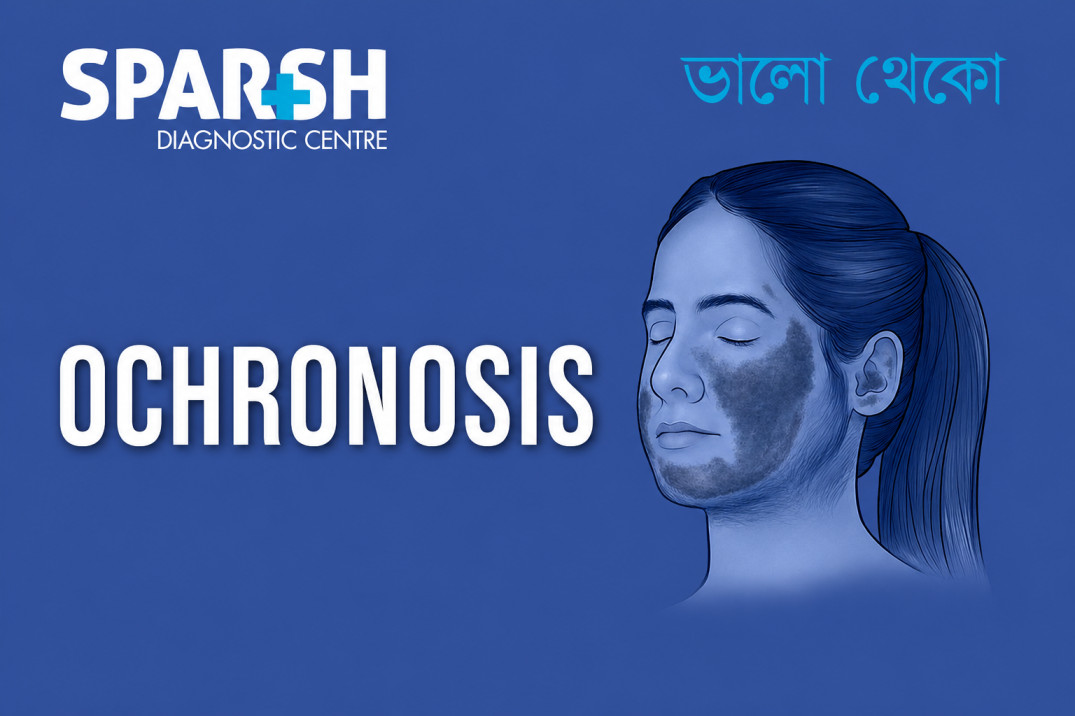
Ochronosis is a disorder characterized by the accumulation of homogentisic acid-derived pigment within connective tissues such as the skin, cartilage, tendons, and joints. This pigment gradually darkens the affected tissues, giving them a blue-black or slate-gray appearance.
There are two main types of ochronosis:
- Endogenous ochronosis – Caused by the inherited disorder alkaptonuria.
- Exogenous ochronosis – Caused by prolonged topical use of hydroquinone-containing creams or certain chemicals.
Although both forms produce similar pigmentation, their underlying causes and treatments differ.
What Is the Cause of Ochronosis?
The cause depends on the type of ochronosis.
1. Endogenous Ochronosis
This form develops due to alkaptonuria, a rare inherited metabolic disorder caused by mutations in the HGD gene. The mutation results in deficiency of the enzyme homogentisate 1,2-dioxygenase, preventing the normal breakdown of homogentisic acid.
As homogentisic acid accumulates over time, it deposits in connective tissues, causing:
- Skin discoloration
- Cartilage pigmentation
- Joint degeneration
- Heart valve involvement
- Kidney stones
2. Exogenous Ochronosis
This is much more common than the inherited form and develops after prolonged use of:
- Hydroquinone creams
- Phenol-containing products
- Resorcinol-containing creams
- Certain antimalarial medications (rare)
Long-term hydroquinone use interferes with normal skin metabolism, leading to pigment accumulation within the dermis.
Risk increases with:
- Using hydroquinone concentrations above 2%
- Continuous use for several months or years
- Frequent sun exposure
- Applying large quantities over wide skin areas
What Is Alkaptonuria and Ochronosis?
Alkaptonuria is a rare inherited condition in which the body cannot properly break down the amino acids tyrosine and phenylalanine.
Because of an enzyme deficiency, homogentisic acid accumulates in the body and is excreted in urine. Over many years, the acid deposits in connective tissues, leading to endogenous ochronosis.
Classic features include:
- Dark urine after standing
- Bluish-black pigmentation of ears
- Eye discoloration
- Chronic arthritis
- Back pain
- Heart valve disease
- Kidney stones
Symptoms often become noticeable after the age of 30.
Exogenous Ochronosis: The Hydroquinone Connection
Hydroquinone is widely used to treat:
- Melasma
- Hyperpigmentation
- Age spots
- Acne marks
When used appropriately under medical supervision, it is generally safe. However, prolonged unsupervised use—especially for months or years—can paradoxically cause worsening pigmentation known as exogenous ochronosis.
Instead of lightening the skin, affected areas become:
- Gray
- Blue-black
- Brown-black
- Speckled with tiny dark papules
The cheeks, temples, forehead, and jawline are most commonly involved.
How Do I Know If I Have Ochronosis?
The symptoms depend on the type and stage of the disease.
Early Symptoms
Patients may notice:
- Persistent dark patches despite treatment
- Blue-gray discoloration
- Tiny dark bumps
- Skin thickening
- Uneven pigmentation
Advanced Skin Changes
As the disease progresses:
- Pigmentation deepens
- Skin develops a caviar-like appearance
- Hyperpigmented papules appear
- Treatment-resistant discoloration develops
Systemic Symptoms (Endogenous Ochronosis)
People with alkaptonuria may also develop:
- Chronic joint pain
- Back stiffness
- Reduced flexibility
- Dark ear cartilage
- Pigmented sclera of the eyes
- Heart valve disease
- Kidney stones
Areas Commonly Affected
Exogenous ochronosis usually affects:
- Cheeks
- Nose
- Forehead
- Temples
- Chin
- Neck
Endogenous ochronosis commonly affects:
- Cartilage
- Joints
- Spine
- Eyes
- Heart valves
- Tendons
Risk Factors
Several factors increase the risk of developing ochronosis:
- Long-term hydroquinone use
- High-concentration hydroquinone creams
- Darker skin types
- Chronic sun exposure
- Genetic inheritance (alkaptonuria)
- Lack of sunscreen use
- Self-medication with fairness creams
Symptoms of Ochronosis
Common symptoms include:
Skin Symptoms
- Blue-black pigmentation
- Gray discoloration
- Brown patches
- Thickened skin
- Small dark papules
- Loss of skin brightness
Joint Symptoms
Eye Symptoms
- Pigmented sclera
- Dark deposits around the cornea
Ear Changes
- Bluish-black ear cartilage
- Thickened ear tissue
How Is Ochronosis Diagnosed?
Dermatologists diagnose ochronosis using:
Medical History
Your doctor will ask about:
- Hydroquinone use
- Duration of treatment
- Skin-lightening products
- Family history
- Joint symptoms
Physical Examination
Characteristic pigmentation often provides important clues.
Dermoscopy
Dermoscopy may reveal:
- Blue-gray globules
- Banana-shaped fibers
- Dark pigmentation patterns
Skin Biopsy
A biopsy confirms the diagnosis by showing:
- Yellow-brown pigment deposits
- Characteristic ochronotic fibers
- Degenerated collagen
Laboratory Tests
For suspected alkaptonuria:
- Urine homogentisic acid test
- Genetic testing
- Metabolic evaluation
Treatment for Ochronosis
Treatment depends on the underlying cause.
Stop Hydroquinone Immediately
For exogenous ochronosis, discontinuing hydroquinone is the first and most important step.
Improvement may take months or even years.
Sun Protection
Daily sunscreen is essential.
Choose:
- SPF 30 or higher
- Broad-spectrum sunscreen
- Protective clothing
- Hats and sunglasses
Sun protection helps prevent further pigmentation.
Topical Medications
Dermatologists may prescribe:
- Retinoids
- Azelaic acid
- Vitamin C
- Glycolic acid
- Mild corticosteroids (short-term)
Results vary.
Laser Treatment
Several lasers have shown promising results:
- Q-switched Nd:YAG laser
- Alexandrite laser
- Fractional CO₂ laser
- Picosecond laser
Multiple treatment sessions are usually required.
Chemical Peels
Some patients benefit from:
- Glycolic acid peels
- Salicylic acid peels
- Combination peels
These should only be performed under medical supervision.
Treatment for Endogenous Ochronosis
Management includes:
- Pain control
- Physical therapy
- Joint replacement if necessary
- Monitoring heart valves
- Kidney stone prevention
- Low-protein dietary modifications in selected cases
- Nitisinone therapy in appropriate patients under specialist care
Does Ochronosis Go Away?
Unfortunately, ochronosis does not usually disappear completely, especially if diagnosed late.
However:
- Early cases may improve after stopping hydroquinone.
- Laser treatments can significantly reduce pigmentation in some patients.
- Consistent sun protection helps prevent worsening.
- Improvement is often gradual and may take several months to years.
For endogenous ochronosis, treatment focuses on managing symptoms and slowing complications rather than curing the disease.
Can Kojic Acid Treat Ochronosis?
Kojic acid is commonly used to reduce hyperpigmentation, but it is not considered a treatment for established ochronosis.
In some cases, dermatologists may recommend kojic acid after hydroquinone is discontinued because it:
- Helps manage other forms of pigmentation
- Is generally safer for long-term use than hydroquinone
- Can be part of a broader skin-lightening regimen under medical supervision
However, kojic acid cannot remove the pigment deposits already present in ochronosis. Patients with confirmed ochronosis usually require a combination of medical management, strict sun protection, and procedures such as laser therapy if appropriate.
How to Avoid Ochronosis from Hydroquinone?
The best way to prevent exogenous ochronosis is to use hydroquinone safely and under the guidance of a dermatologist.
Follow these precautions:
- Avoid using hydroquinone continuously for several months without medical supervision.
- Use the lowest effective concentration.
- Follow the prescribed treatment duration.
- Do not exceed recommended application frequency.
- Apply sunscreen every day.
- Wear protective clothing when outdoors.
- Stop treatment if unusual darkening develops.
- Avoid purchasing unregulated skin-lightening creams.
- Schedule regular follow-up visits with your dermatologist if using hydroquinone for persistent pigmentation.
Many cases of exogenous ochronosis are linked to prolonged, unsupervised use of hydroquinone-containing products.
Living with Ochronosis
Although the skin changes can be distressing, many people successfully manage the condition with a combination of medical treatment and lifestyle measures.
Helpful tips include:
- Follow your dermatologist’s treatment plan.
- Use sunscreen daily.
- Avoid self-medicating with bleaching creams.
- Maintain healthy skin-care habits.
- Seek evaluation early if pigmentation worsens instead of improving.
- For people with alkaptonuria, regular follow-up with specialists is important to monitor joint, kidney, and heart health.
Early diagnosis generally offers the best chance of slowing progression and improving cosmetic outcomes.
Can Ochronosis Be Prevented?
Endogenous ochronosis cannot be prevented because it is inherited.
However, exogenous ochronosis is often preventable.
Prevention includes:
- Responsible use of hydroquinone
- Dermatologist supervision
- Daily sunscreen
- Avoiding prolonged skin bleaching
- Using safer alternatives for pigmentation treatment
- Early recognition of suspicious skin changes
When Should You See a Doctor?
Consult a dermatologist if you notice:
- Blue-black facial pigmentation
- Darkening despite using skin-lightening creams
- Persistent gray patches
- Thickened pigmented skin
- New pigmentation after prolonged hydroquinone use
If you have joint pain along with dark urine or skin discoloration, seek medical evaluation to rule out alkaptonuria.
Frequently Asked Questions (FAQs)
1. What is the cause of ochronosis?
Ochronosis is caused either by alkaptonuria, a rare inherited metabolic disorder that leads to homogentisic acid buildup, or by prolonged use of hydroquinone-containing skin-lightening creams, resulting in exogenous ochronosis.
2. Does ochronosis go away?
Ochronosis usually does not disappear completely. Early exogenous cases may improve after stopping hydroquinone, practicing strict sun protection, and receiving treatments such as laser therapy. Endogenous ochronosis is a lifelong condition managed by treating symptoms and preventing complications.
3. How to avoid ochronosis from hydroquinone?
To reduce the risk, use hydroquinone only under medical supervision, avoid prolonged continuous use, follow the prescribed concentration and duration, apply sunscreen daily, and stop treatment if you notice unusual darkening or blue-gray pigmentation.
4. What is alkaptonuria and ochronosis?
Alkaptonuria is a rare inherited disorder in which the body cannot break down homogentisic acid. Over time, the acid accumulates and deposits in connective tissues, leading to pigmentation known as endogenous ochronosis, along with joint, heart, and kidney complications.
5. Can kojic acid treat ochronosis?
Kojic acid is not a cure for ochronosis. It may help manage other types of hyperpigmentation and can be used as a safer alternative to hydroquinone under medical supervision, but it cannot remove the pigment deposits already formed in ochronosis.
6. How do I know if I have ochronosis?
Signs of ochronosis include blue-gray or black pigmentation that worsens despite treatment, tiny dark papules, skin thickening, and, in inherited cases, symptoms such as dark urine, joint pain, and pigmentation of the ears or eyes. A dermatologist can confirm the diagnosis through a clinical examination, dermoscopy, skin biopsy, or laboratory tests if alkaptonuria is suspected.
Key Takeaways
Ochronosis is an uncommon but potentially persistent condition that deserves prompt medical attention. Whether it develops from long-term hydroquinone use or the inherited disorder alkaptonuria, early diagnosis can help limit progression and improve management. Avoid self-prescribing skin-lightening creams, protect your skin from excessive sun exposure, and consult a dermatologist if pigmentation changes unexpectedly or fails to improve with treatment. With the right approach, many people can effectively manage symptoms and reduce the impact of this condition on their daily lives.