Premature ejaculation (PE) is one of the most common male sexual health concerns, affecting a lot of men across different age groups. Although it can be frustrating and embarrassing, the good news is that premature ejaculation is highly treatable in most cases. Many men experience this problem at some point in their lives, and with the right diagnosis, lifestyle changes, and medical treatment, sexual confidence and satisfaction can often be restored.
Whether PE has been happening since your first sexual experience or has developed recently, understanding the causes and treatment options is the first step toward improvement. This guide explains everything you need to know about premature ejaculation, including its causes, symptoms, diagnosis, treatments, home remedies, and answers to the most frequently asked questions.
What is Premature Ejaculation?
Premature ejaculation is a condition in which a man ejaculates sooner than he or his partner would like during sexual activity. In most medical guidelines, PE is characterized by:
- Ejaculation occurring within about one minute of penetration (for lifelong PE)
- Difficulty delaying ejaculation during most sexual encounters
- Feelings of frustration, embarrassment, or avoidance of intimacy
Occasional episodes of early ejaculation are normal and usually not a cause for concern. PE is diagnosed when it occurs consistently and causes distress.
How Common is Premature Ejaculation?
Premature ejaculation is one of the most frequently reported sexual disorders in men.
Studies estimate that around 20% to 30% of men experience PE at some point in their lives. It can affect:
- Young men beginning sexual activity
- Middle-aged adults
- Older men
- Married and unmarried individuals alike
Fortunately, effective treatment options are available regardless of age.
Types of Premature Ejaculation
Lifelong Premature Ejaculation
This type begins with a person’s earliest sexual experiences and continues throughout life.
Characteristics include:
- Consistent early ejaculation
- Present since first sexual activity
- Often linked to biological or neurological factors
Acquired Premature Ejaculation
This develops after a period of normal sexual function.
Possible triggers include:
- Stress
- Erectile dysfunction
- Relationship issues
- Hormonal imbalance
- Medical conditions
Symptoms of Premature Ejaculation
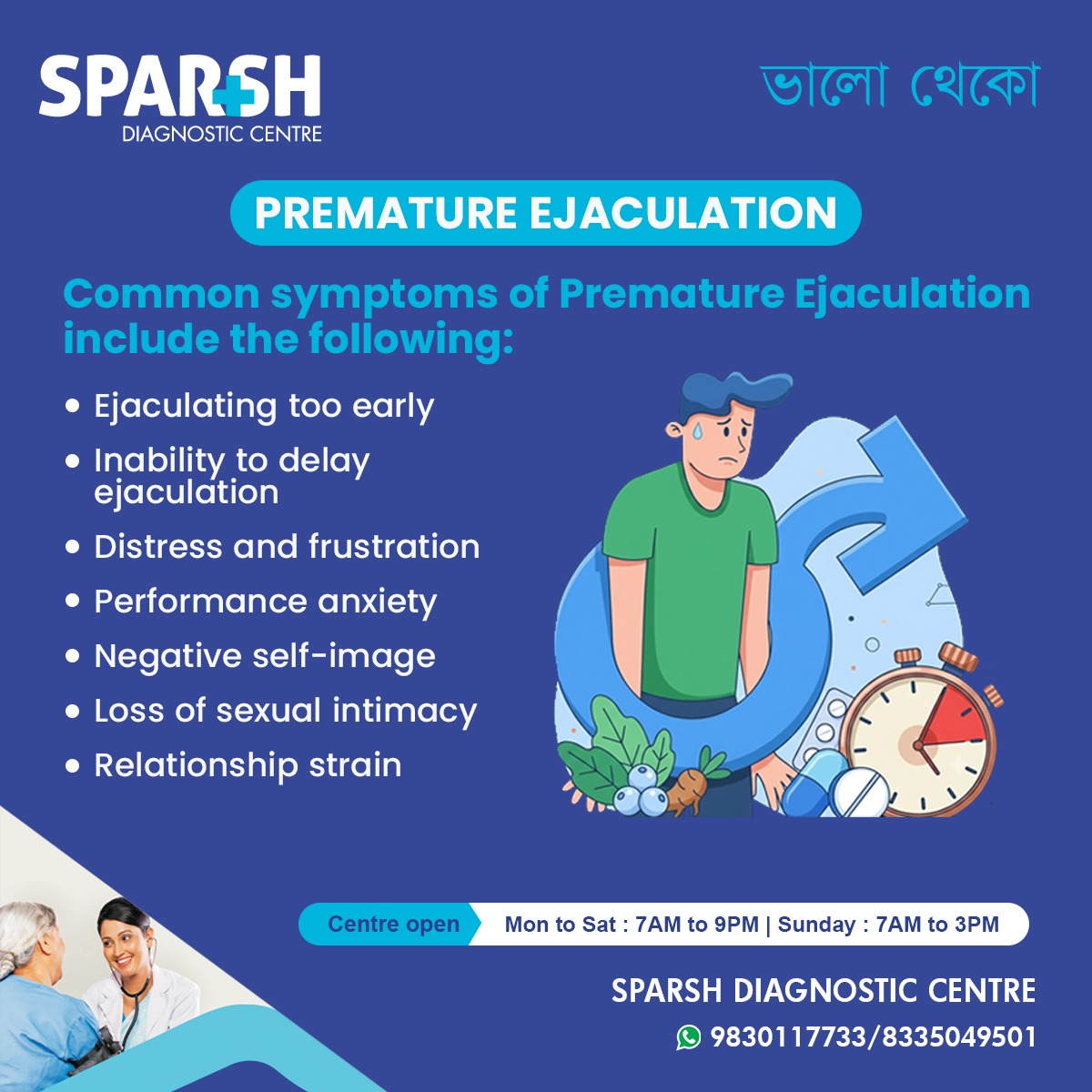
Common symptoms include:
- Ejaculating sooner than desired
- Inability to delay ejaculation consistently
- Finishing within one minute of penetration
- Anxiety before intercourse
- Reduced sexual confidence
- Frustration and disappointment
- Avoiding intimacy
- Relationship strain
Some men may also experience reduced self-esteem due to repeated episodes.
What is the Cause of Quick Ejaculation?
Premature ejaculation usually results from a combination of psychological and physical factors rather than a single cause.
Psychological Causes
- Performance anxiety
- Stress
- Depression
- Relationship conflicts
- Fear of sexual failure
- Lack of sexual experience
- Guilt associated with sex
Physical Causes
- Hormonal imbalance
- Abnormal serotonin levels
- Prostate inflammation
- Thyroid disorders
- Erectile dysfunction
- Genetic predisposition
- Certain neurological disorders
Lifestyle habits such as excessive alcohol intake, smoking, poor sleep, and chronic stress can also contribute.
Risk Factors
Several factors increase the likelihood of developing premature ejaculation:
- Anxiety disorders
- Chronic stress
- Erectile dysfunction
- Diabetes
- High blood pressure
- Thyroid disease
- Prostate problems
- Obesity
- Relationship issues
- Poor mental health
How is Premature Ejaculation Diagnosed?
Diagnosis begins with a detailed medical and sexual history.
Your doctor may ask:
- When did the problem begin?
- Does it occur every time?
- How long does intercourse usually last?
- Are there erection problems?
- Are there relationship or stress-related concerns?
Additional tests may include:
- Blood tests
- Hormone evaluation
- Thyroid function tests
- Blood sugar testing
- Prostate examination (if necessary)
How Do I Fix Premature Ejaculation?
Treatment depends on the underlying cause. Many men benefit from a combination of therapies rather than a single approach.
Behavioural Therapy
Doctors often recommend behavioural techniques such as:
- Stop-start method
- Squeeze technique
- Pelvic floor exercises
- Relaxation techniques
These methods help improve control over ejaculation with regular practice.
Pelvic Floor Exercises
Strengthening pelvic floor muscles improves ejaculatory control.
Regular Kegel exercises may:
- Increase endurance
- Improve bladder control
- Enhance sexual performance
Psychological Counselling
If anxiety, depression, or relationship issues contribute to PE, counselling or sex therapy may help.
Benefits include:
- Reduced performance anxiety
- Better communication with partners
- Improved confidence
Medications
Doctors may prescribe:
- Selective serotonin reuptake inhibitors (SSRIs)
- Topical anaesthetic creams or sprays
- Certain pain medications used off-label
- Erectile dysfunction medications when appropriate
Medication should only be taken under medical supervision.
Lifestyle Changes That Help
Simple lifestyle improvements often enhance sexual performance.
These include:
- Regular exercise
- Healthy diet
- Maintaining a healthy weight
- Better sleep
- Limiting alcohol
- Quitting smoking
- Managing stress
- Meditation
- Yoga
How to Get Rid of PE at Home?
Although home remedies cannot cure every case, they may improve symptoms.
Helpful strategies include:
Practice Pelvic Floor Exercises
Daily Kegel exercises strengthen muscles involved in ejaculation.
Reduce Anxiety
Stress management through:
- Meditation
- Deep breathing
- Mindfulness
can improve sexual control.
Exercise Regularly
Improved blood circulation supports better sexual health.
Aim for at least 150 minutes of moderate exercise each week.
Eat a Healthy Diet
Foods rich in:
may support overall reproductive health.
Avoid Excessive Alcohol
Heavy drinking often worsens ejaculation control.
Why Do I Finish in 30 Seconds?
Finishing within 30 seconds does not automatically indicate a medical condition.
Possible reasons include:
- High sexual excitement
- Anxiety
- Long periods without ejaculation
- Lifelong premature ejaculation
- Hormonal imbalance
- Erectile dysfunction
- Relationship stress
If this occurs consistently and causes distress, consult a healthcare professional.
How to Fix Coming Too Quickly?
Improving ejaculation control usually requires patience and consistency.
Effective approaches include:
- Kegel exercises
- Stop-start technique
- Squeeze technique
- Counselling
- Prescription medication
- Better communication with your partner
- Stress reduction
- Treatment of underlying medical conditions
Many men notice improvement within weeks when following a structured treatment plan.
How to Last for 30 Minutes?
There is no medically recommended “ideal” duration for intercourse.
The goal is mutual satisfaction rather than achieving a specific number of minutes.
If you wish to improve stamina:
- Slow the pace
- Focus on foreplay
- Practice edging (stop-start method)
- Perform pelvic floor exercises
- Stay physically fit
- Address anxiety
- Consult a doctor if PE is persistent
Many men naturally improve their control with practice and treatment.
Can a Man Last for 2 Hours?
While some men may occasionally have prolonged intercourse, lasting two hours is not considered necessary or typical for healthy sexual function.
Factors such as:
- Individual differences
- Age
- Physical fitness
- Medication use
- Sexual experience
all influence duration.
Trying to achieve unusually long intercourse may increase discomfort, fatigue, or performance anxiety. A healthy sexual relationship is based on communication and mutual satisfaction rather than a specific time goal.
How Do I Stop My Husband from Ejaculating Early?
Premature ejaculation affects couples, not just individuals. Partners can play an important supportive role.
Helpful approaches include:
Encourage Medical Evaluation
Avoid blame or criticism. Encourage your husband to consult a healthcare provider if PE is causing distress.
Communicate Openly
Discuss expectations and concerns without judgment.
Practice Behavioural Techniques Together
Many couples benefit from:
- Stop-start exercises
- Squeeze technique
- Longer foreplay
- Relaxation exercises
Reduce Pressure
Avoid making intercourse solely about penetration or duration.
Attend Counselling Together
Couples therapy can improve communication, reduce anxiety, and strengthen intimacy.
Supportive communication often leads to better outcomes than criticism or unrealistic expectations.
Can Premature Ejaculation Be Prevented?
Not every case can be prevented, but healthy habits reduce the risk.
Prevention tips include:
- Managing stress
- Regular exercise
- Healthy diet
- Avoiding tobacco
- Limiting alcohol
- Treating erectile dysfunction promptly
- Managing chronic illnesses
- Seeking help early
When Should You See a Doctor?
Consult a healthcare professional if:
- Early ejaculation happens consistently
- It causes emotional distress
- Relationship problems develop
- Symptoms begin suddenly
- There are erection difficulties
- You suspect an underlying medical condition
Early treatment often produces the best results.
Complications of Untreated Premature Ejaculation
Without treatment, PE may contribute to:
- Relationship conflict
- Reduced sexual satisfaction
- Anxiety
- Depression
- Low self-esteem
- Avoidance of intimacy
- Fertility challenges in some cases where ejaculation before vaginal penetration makes conception difficult
Seeking medical advice early can help prevent these complications.
Frequently Asked Questions (FAQs)
1. How do I fix premature ejaculation?
Treatment may include pelvic floor exercises, behavioural therapy, counselling, medications, and addressing any underlying medical or psychological causes. A healthcare professional can recommend the most appropriate approach based on your symptoms.
2. How to last for 30 minutes?
Rather than aiming for a specific time, focus on improving control and mutual satisfaction. Techniques such as Kegel exercises, the stop-start method, stress reduction, and, if needed, medical treatment can help increase endurance.
3. What is the cause of quick ejaculation?
Quick ejaculation can result from anxiety, stress, hormonal imbalances, erectile dysfunction, prostate problems, thyroid disorders, neurological factors, or genetic influences. Often, several factors work together.
4. How do I stop my husband from ejaculating early?
Offer understanding instead of criticism, encourage him to seek medical advice, communicate openly, practice behavioural techniques together, and consider couples or sex therapy if the issue affects your relationship.
5. Can a man last for 2 hours?
Some men may occasionally have prolonged intercourse, but lasting two hours is not typical or necessary for a healthy sex life. Sexual satisfaction depends more on communication, intimacy, and mutual enjoyment than on duration alone.
6. How to get rid of PE at home?
Home strategies include pelvic floor (Kegel) exercises, regular physical activity, stress management, limiting alcohol, quitting smoking, maintaining a healthy diet, and practising behavioural techniques such as the stop-start method. Persistent symptoms should be evaluated by a doctor.
7. Why do I finish in 30 seconds?
This may happen because of heightened arousal, anxiety, infrequent sexual activity, lifelong premature ejaculation, or an underlying medical condition. If it occurs consistently and causes distress, professional evaluation is recommended.
8. How to fix coming too quickly?
A combination of behavioural techniques, pelvic floor strengthening, counselling, lifestyle changes, and prescription treatments, when appropriate, is often effective. Identifying and treating the underlying cause is key to long-term improvement.
Final Thoughts
Premature ejaculation is a common and treatable condition that can affect confidence, relationships, and overall quality of life. While it may feel difficult to talk about, seeking help is an important step toward improvement. Lifestyle changes, behavioural techniques, counselling, and medical treatments have helped many men regain control and enjoy a healthier, more satisfying sex life.
If early ejaculation is frequent, persistent, or causing emotional or relationship distress, consult a qualified healthcare professional. Timely diagnosis and personalised treatment can make a meaningful difference.
Key Takeaways
- Premature ejaculation is one of the most common male sexual health concerns.
- It can be lifelong or develop later in life.
- Psychological factors, medical conditions, and lifestyle habits can all contribute.
- Behavioural techniques, pelvic floor exercises, counselling, and medications are effective treatment options.
- Healthy lifestyle habits support better sexual function and overall well-being.
- Home remedies may help mild cases, but persistent symptoms require medical evaluation.
- Open communication between partners can reduce stress and improve treatment outcomes.
- Early diagnosis and appropriate treatment can significantly improve confidence, intimacy, and quality of life.
To consult a Doctor or get full body check-up done at Sparsh Diagnostic Centre, call our helpline numbers 9830117733/ 8335049501.
#BhaloTheko
Disclaimer:
No content on this site, regardless of date, should ever be used as a substitute for direct medical advice from your doctor or other qualified clinician.