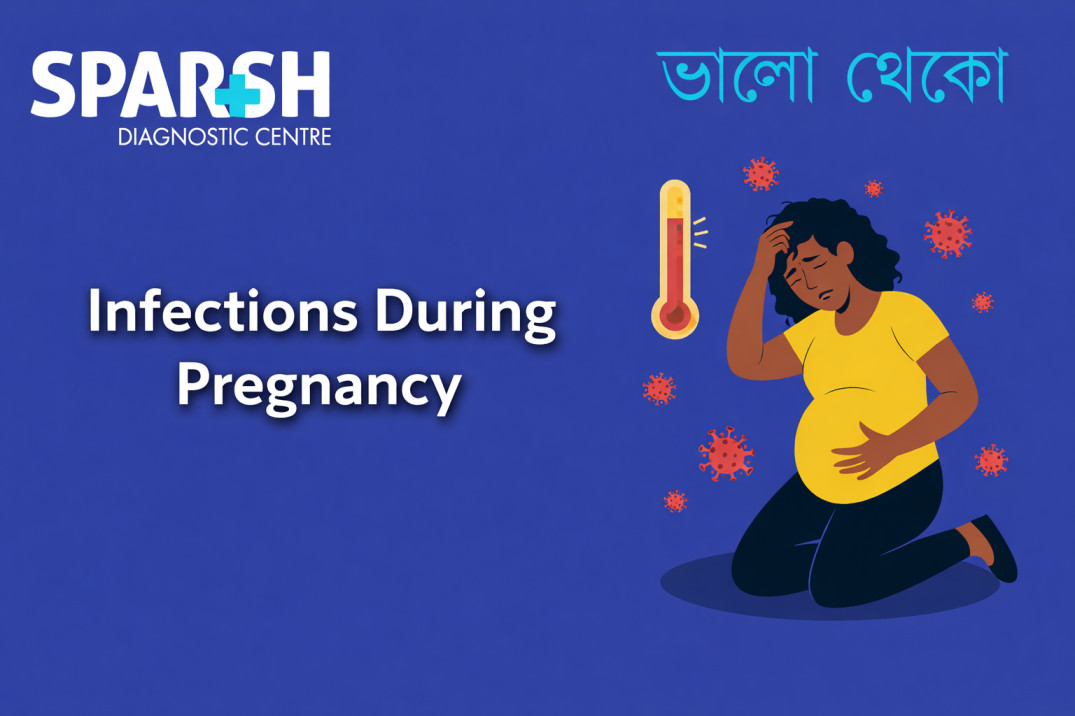
Pregnancy is an exciting and life-changing journey, but it also brings unique health considerations. One of the most important concerns for expectant mothers is infections during pregnancy. While many infections are mild and easily treated, some can affect both the mother and the developing baby if not detected early.
During pregnancy, the immune system undergoes natural changes to support the growing fetus. This makes the body slightly more vulnerable to certain infections. Understanding which infections can occur, how they spread, and how to prevent them can help protect both maternal and fetal health.
In this guide, we’ll explore the most common infections during pregnancy, their symptoms, potential complications, and practical ways to stay safe throughout pregnancy.
Why Infections Are a Concern During Pregnancy
Pregnancy changes the way the immune system works. While these changes help the body accept the baby, they can also make pregnant women more susceptible to infections.
Certain infections can:
Affect the health of the mother
Cross the placenta and infect the baby
Cause birth defects or developmental problems
Lead to premature birth or miscarriage
Not all infections pose serious risks, but early detection and treatment are essential for preventing complications.
Common Types of Infections During Pregnancy
Several infections are known to occur more commonly or have more serious consequences during pregnancy. Understanding them can help you take appropriate precautions.
Urinary Tract Infections (UTIs)
Urinary tract infections are among the most common infections during pregnancy.
Hormonal changes and the growing uterus can slow the flow of urine, allowing bacteria to multiply in the urinary tract.
Symptoms may include:
Burning sensation during urination
Frequent urge to urinate
Cloudy or strong-smelling urine
Lower abdominal discomfort
If left untreated, UTIs can progress to kidney infections and increase the risk of premature birth.
Bacterial Vaginosis (BV)
Bacterial vaginosis occurs when the natural balance of bacteria in the vagina is disrupted.
Although BV may not always cause symptoms, it has been linked to pregnancy complications.
Possible symptoms include:
Thin gray or white vaginal discharge
Fishy odor, especially after intercourse
Vaginal irritation
BV during pregnancy can increase the risk of preterm delivery and low birth weight.
Group B Streptococcus (GBS)
Group B Streptococcus is a type of bacteria commonly found in the digestive and genital tract. Many adults carry GBS without symptoms.
However, during childbirth, the bacteria can pass to the baby and cause serious infections.
Because of this risk, pregnant women are typically screened for GBS between 35 and 37 weeks of pregnancy. If positive, antibiotics are given during labor to protect the baby.
Toxoplasmosis
Toxoplasmosis is caused by a parasite called Toxoplasma gondii.
It can be contracted through:
Eating undercooked meat
Handling cat litter
Contact with contaminated soil
Most adults experience mild or no symptoms, but infection during pregnancy can lead to serious complications for the baby.
Possible risks include:
Vision problems
Brain damage
Developmental delays
Pregnant women are often advised to avoid cleaning cat litter boxes and to cook meat thoroughly.
Listeriosis
Listeriosis is a bacterial infection caused by Listeria monocytogenes.
Pregnant women are more likely to develop listeriosis compared to the general population.
It is usually transmitted through contaminated food, such as:
Unpasteurized dairy products
Soft cheeses
Deli meats
Refrigerated smoked seafood
Symptoms may include fever, muscle aches, nausea, and fatigue. In severe cases, listeriosis can lead to miscarriage, stillbirth, or premature delivery.
Cytomegalovirus (CMV)
Cytomegalovirus is a common virus that spreads through body fluids like saliva, urine, and blood.
While it usually causes mild symptoms in adults, CMV infection during pregnancy can affect the baby’s development.
Possible complications include:
Hearing loss
Vision problems
Developmental delays
Microcephaly
Good hygiene, especially frequent handwashing after contact with young children, can help reduce the risk.
Rubella (German Measles)
Rubella is a viral infection that can cause severe birth defects if contracted during pregnancy, particularly in the first trimester.
Symptoms include:
Vaccination before pregnancy is the best protection against rubella.
Hepatitis B
Hepatitis B is a viral infection that affects the liver and spreads through blood or bodily fluids.
If a pregnant woman has hepatitis B, the virus can pass to the baby during delivery. However, vaccination and treatment at birth can significantly reduce the risk.
Sexually Transmitted Infections (STIs)
Certain sexually transmitted infections can affect pregnancy and fetal health.
Examples include:
These infections may lead to premature birth, low birth weight, or transmission to the baby during childbirth.
Routine prenatal testing helps identify and treat these infections early.
Symptoms of Infections During Pregnancy
Some infections cause noticeable symptoms, while others may go undetected without testing.
Common warning signs include:
Fever or chills
Persistent fatigue
Unusual vaginal discharge
Burning during urination
Rash or skin irritation
If you experience any unusual symptoms during pregnancy, it’s important to consult your healthcare provider promptly.
How Infections Affect the Baby
Infections during pregnancy can affect the baby in several ways depending on the type of infection and the stage of pregnancy.
Potential effects include:
Birth defects
Developmental delays
Hearing or vision loss
Premature birth
Miscarriage or stillbirth
However, many infections can be successfully treated when detected early.
Regular prenatal checkups play a key role in protecting the baby’s health.
Diagnosis of Infections During Pregnancy
Doctors use several methods to diagnose infections during pregnancy.
These may include:
Blood tests
Urine tests
Vaginal swabs
Ultrasound scans
Prenatal screening tests
Routine prenatal care often includes screening for infections such as HIV, hepatitis B, syphilis, and group B streptococcus.
Early detection allows doctors to start treatment quickly and reduce complications.
Treatment Options
Treatment for infections during pregnancy depends on the type of infection and its severity.
Common treatments include:
Antibiotics
Bacterial infections like UTIs, listeriosis, and group B streptococcus are often treated with pregnancy-safe antibiotics.
Antiviral Medications
Some viral infections may require antiviral medications to reduce symptoms and lower transmission risk.
Supportive Care
For mild infections, rest, hydration, and monitoring may be sufficient.
Healthcare providers carefully select medications that are safe for both the mother and the baby.
Preventing Infections During Pregnancy
While not all infections can be prevented, several simple precautions can significantly reduce risk.
Practice Good Hygiene
Wash your hands frequently, especially after:
Using the bathroom
Handling raw meat
Changing diapers
Gardening
Contact with animals
Follow Safe Food Practices
Foodborne infections can be prevented by:
Cooking meat thoroughly
Avoiding unpasteurized dairy products
Washing fruits and vegetables
Reheating deli meats until steaming hot
Avoid Contact With Sick Individuals
Limiting exposure to people with contagious illnesses can help protect you and your baby.
Stay Up to Date on Vaccinations
Certain vaccines are recommended before or during pregnancy, including:
Influenza vaccine
Tdap vaccine
Vaccination helps protect both the mother and the newborn.
Practice Safe Sex
Using protection and maintaining open communication with your partner can reduce the risk of sexually transmitted infections.
Maintain Regular Prenatal Care
Routine checkups allow healthcare providers to monitor your health and detect infections early.
When to Seek Medical Attention
You should contact your healthcare provider immediately if you experience:
Fever above 38°C (100.4°F)
Severe abdominal pain
Persistent vomiting
Unusual vaginal discharge or bleeding
Painful urination
Rash accompanied by fever
Prompt medical attention helps prevent complications and ensures the safety of both mother and baby.
Living a Healthy Pregnancy
While infections during pregnancy can be concerning, most can be managed effectively with early diagnosis and proper treatment.
A healthy pregnancy involves:
Balanced nutrition
Regular prenatal visits
Safe hygiene practices
Awareness of symptoms
By staying informed and proactive, expectant mothers can significantly reduce the risk of complications and enjoy a safer pregnancy journey.
Frequently Asked Questions (FAQs)
1. Are infections common during pregnancy?
Yes, some infections are relatively common during pregnancy due to changes in the immune system. However, most infections are mild and treatable when detected early.
2. Can infections harm the baby?
Certain infections can affect the baby’s development or cause complications like premature birth. Early diagnosis and treatment greatly reduce these risks.
3. How are infections detected during pregnancy?
Doctors typically diagnose infections through blood tests, urine tests, vaginal swabs, and routine prenatal screening.
4. Can antibiotics be taken during pregnancy?
Yes, many antibiotics are considered safe during pregnancy. Doctors prescribe medications that protect both the mother and the baby.
5. How can pregnant women prevent infections?
Preventive measures include good hygiene, safe food handling, vaccination, avoiding contaminated foods, and attending regular prenatal checkups.
6. Should pregnant women avoid cats due to toxoplasmosis?
Pregnant women don’t necessarily need to avoid cats completely, but they should avoid cleaning litter boxes and practice good hygiene after contact with pets.
7. What foods should be avoided during pregnancy to prevent infection?
Pregnant women should avoid unpasteurized dairy products, raw or undercooked meat, deli meats that aren’t reheated, and certain soft cheeses.
8. When should I call my doctor if I suspect an infection?
You should contact your healthcare provider immediately if you have fever, severe pain, unusual discharge, painful urination, or flu-like symptoms.
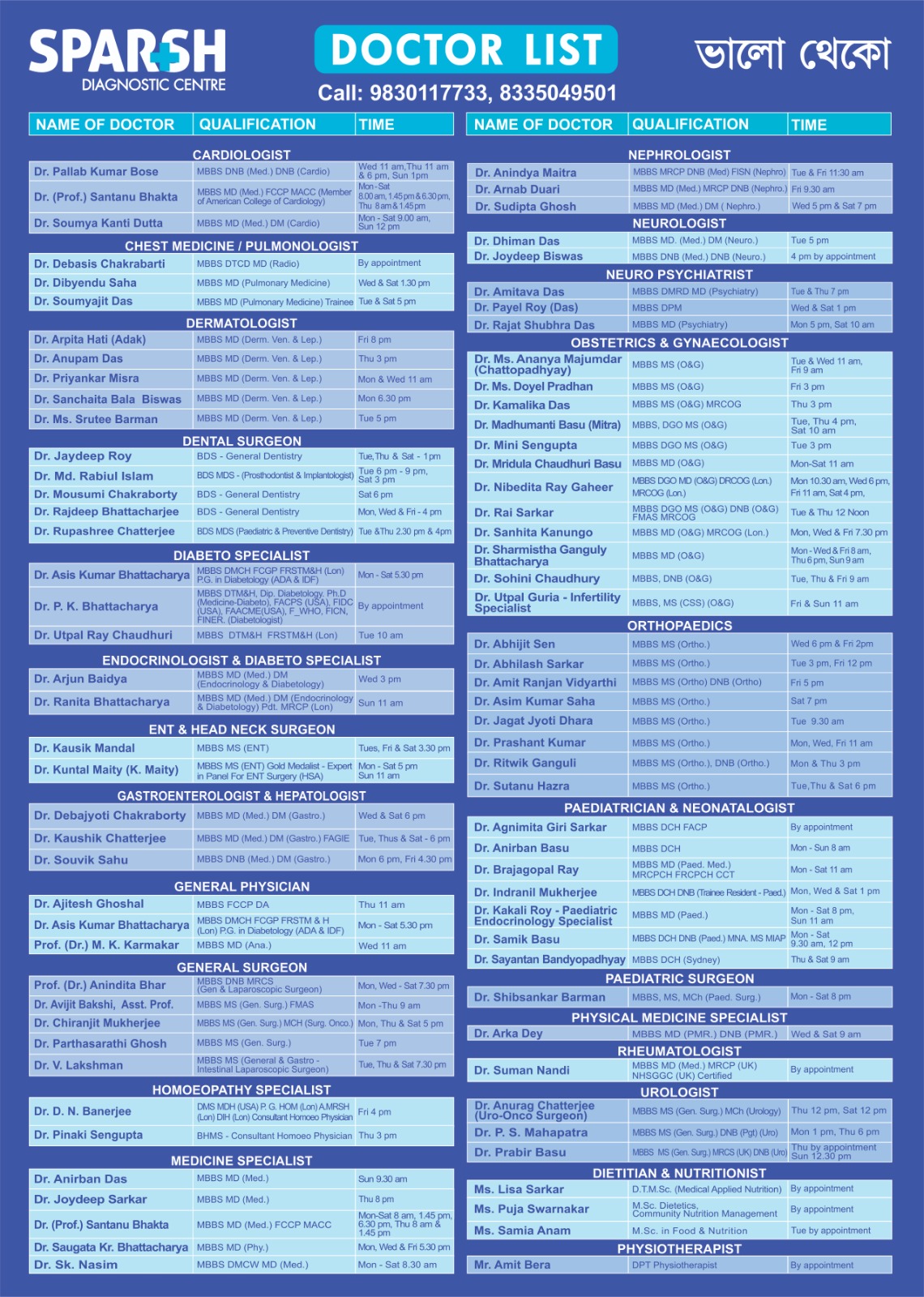
To consult a Gynecologist at Sparsh Diagnostic Centre, call our helpline numbers 9830117733/ 8335049501.
#BhaloTheko
Disclaimer:
No content on this site, regardless of date, should ever be used as a substitute for direct medical advice from your doctor or other qualified clinician.