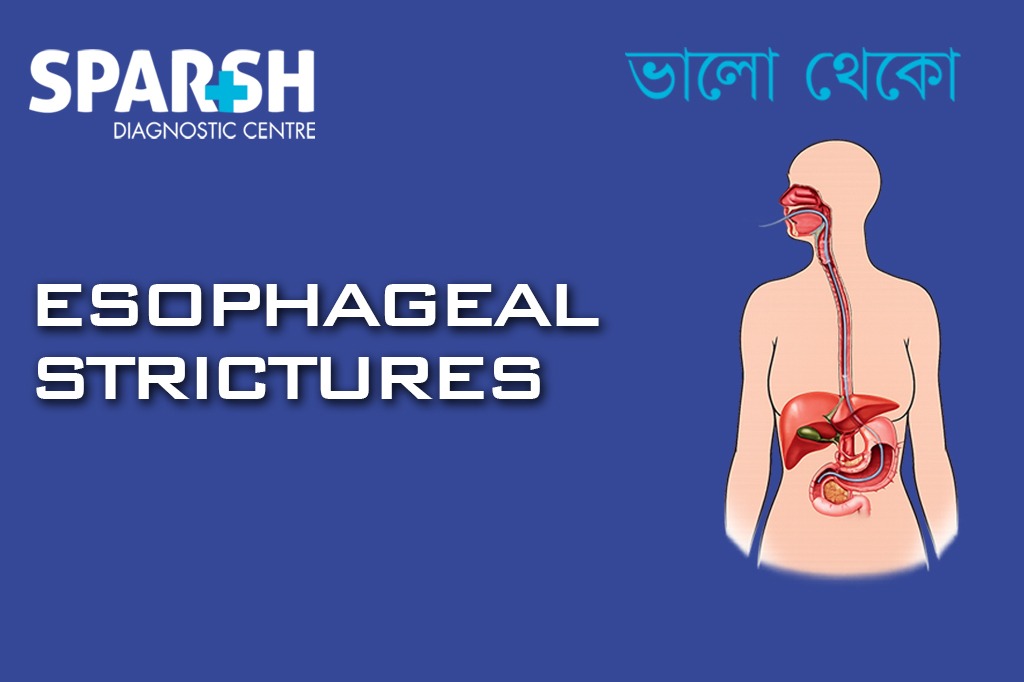
If swallowing has started to feel uncomfortable—or even painful—you might be dealing with more than just a temporary irritation. One possible cause is Esophageal Stricture, a condition where the esophagus (the tube that carries food from your mouth to your stomach) becomes abnormally narrow.
While it might sound alarming, esophageal strictures are relatively common and, in many cases, treatable. The key lies in recognizing the early warning signs and seeking timely care.
In this guide, we’ll walk you through everything you need to know—from symptoms and causes to diagnosis, treatment, and prevention.
What Is an Esophageal Stricture?
An esophageal stricture occurs when the esophagus becomes narrowed due to inflammation, scarring, or abnormal tissue growth. This narrowing makes it harder for food and liquids to pass smoothly into the stomach.
Think of it like a pipe that’s gradually getting tighter—eventually, even small amounts of food can get stuck or move slowly, leading to discomfort and other complications.
Common Symptoms You Shouldn’t Ignore
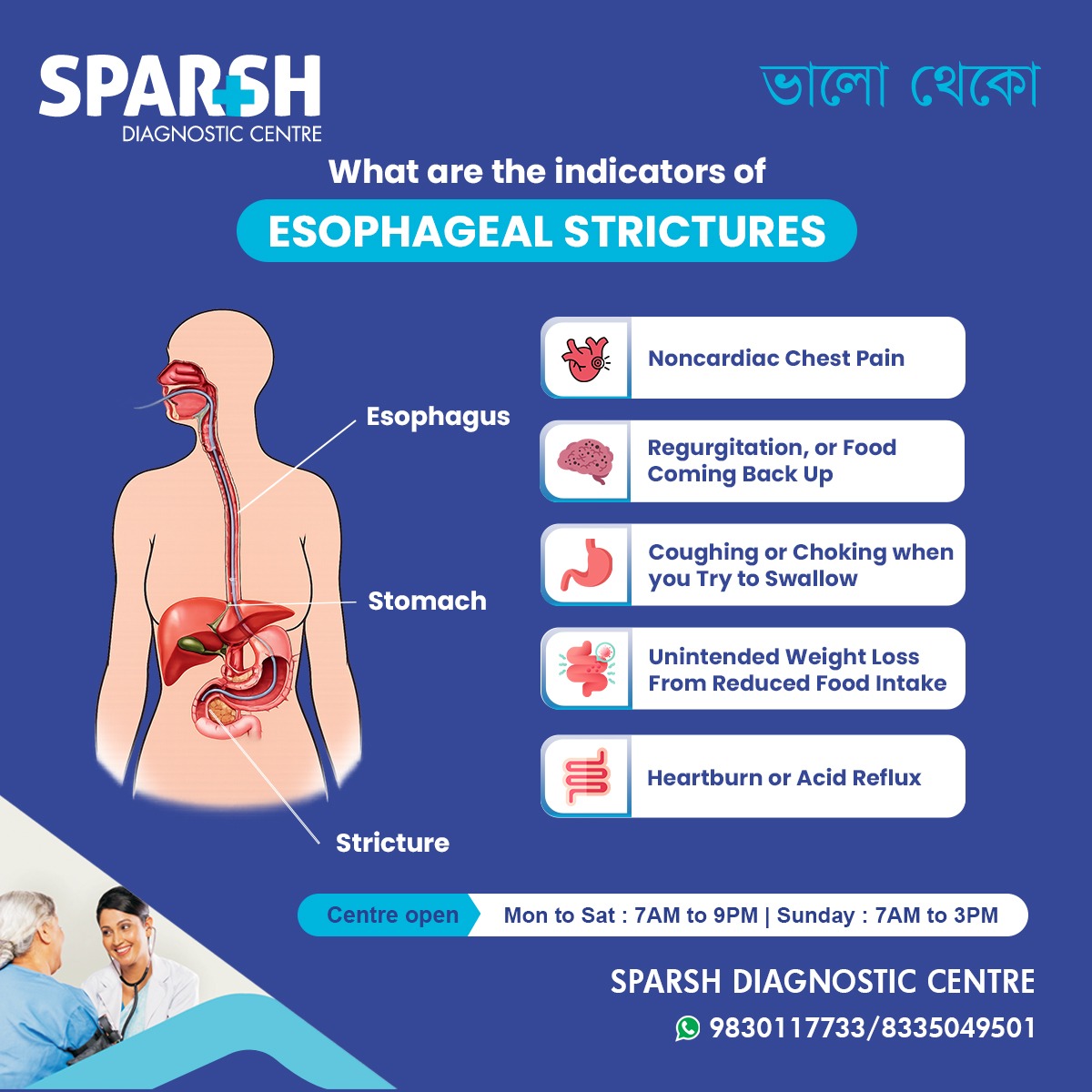
Esophageal strictures often develop gradually, so symptoms may start off mild and worsen over time. Here are some of the most common indicators:
1. Difficulty Swallowing (Dysphagia)
This is usually the first and most noticeable symptom. You may feel like food is getting stuck in your throat or chest, especially with solid foods.
2. Pain While Swallowing (Odynophagia)
Swallowing may become painful, particularly if the esophagus is inflamed or irritated.
3. Regurgitation
Food or liquid may come back up into your mouth, sometimes without warning.
4. Non-Cardiac Chest Pain
Chest discomfort that isn’t related to heart issues can often be linked to esophageal problems.
5. Heartburn or Acid Reflux
Persistent burning sensations in the chest could point toward underlying reflux-related damage.
6. Coughing or Choking While Eating
This can happen when food doesn’t pass smoothly and irritates the airway.
7. Unintended Weight Loss
If eating becomes difficult, you may start avoiding meals or eating less, leading to weight loss.
What Causes Esophageal Strictures?
There isn’t just one cause—several conditions can lead to the narrowing of the esophagus.
Chronic Acid Reflux (GERD)
The most common cause is Gastroesophageal Reflux Disease. Repeated exposure to stomach acid can damage the esophageal lining, leading to inflammation and scarring.
Esophagitis (Inflammation)
Inflammation caused by infections, medications, or allergies can result in narrowing over time.
Radiation Therapy
Radiation treatments for cancers in the chest or neck area can damage the esophagus.
Ingestion of Corrosive Substances
Accidentally swallowing chemicals or toxic substances can severely injure the esophagus.
Surgical Complications
Procedures involving the esophagus may sometimes lead to scar tissue formation.
Tumors or Growths
Both benign and malignant growths can obstruct or narrow the esophageal passage.
Eosinophilic Esophagitis
This allergic condition causes immune cells to build up in the esophagus, leading to inflammation and narrowing.
How is it Diagnosed?
If your doctor suspects an esophageal stricture, they’ll recommend a few tests to confirm the diagnosis and identify the cause.
Upper Endoscopy
A thin, flexible tube with a camera is passed down your throat to examine the esophagus. This allows doctors to directly see the narrowing and even take tissue samples if needed.
Barium Swallow (Esophagram)
You’ll drink a contrast liquid, and X-rays will be taken to show how food moves through your esophagus.
Esophageal Manometry
This test measures the muscle function of your esophagus, helping detect abnormalities in movement.
Treatment Options: What Works Best?
Treatment depends on the severity of the stricture and its underlying cause. The good news? Most cases can be managed effectively.
1. Esophageal Dilation
This is the most common treatment. A doctor gently stretches the narrowed area using special instruments or balloons. You may need more than one session for lasting results.
2. Medications
If acid reflux is the cause, medications like proton pump inhibitors (PPIs) are prescribed to reduce acid production and prevent further damage.
3. Steroid Therapy
In cases of eosinophilic esophagitis, steroids may help reduce inflammation.
4. Stent Placement
In severe cases, a small tube (stent) may be inserted to keep the esophagus open.
5. Surgery
Rarely, surgery may be needed if other treatments fail or if there’s a complex underlying condition.
Can Esophageal Strictures Come Back?
Yes, recurrence is possible—especially if the underlying cause isn’t properly managed. For example, untreated acid reflux can continue to damage the esophagus, leading to repeated narrowing.
That’s why long-term management is just as important as initial treatment.
Lifestyle Changes That Make a Real Difference
Small daily habits can go a long way in preventing worsening symptoms or recurrence.
- Eat slowly and chew food thoroughly
- Avoid very hot, spicy, or acidic foods
- Stay upright for at least 30 minutes after eating
- Maintain a healthy weight
- Quit smoking and limit alcohol intake
- Manage acid reflux with diet and medication
When Should You See a Doctor?
Don’t wait for symptoms to become severe. Seek medical attention if you experience:
- Persistent difficulty swallowing
- Frequent choking episodes
- Unexplained weight loss
- Ongoing heartburn or chest pain
- Food getting stuck in your throat
Early diagnosis can prevent complications and make treatment much more effective.
Possible Complications
If left untreated, esophageal strictures can lead to:
- Complete blockage of the esophagus
- Aspiration (food entering the lungs)
- Malnutrition
- Esophageal tears
These complications can be serious, which is why timely care is crucial.
Prevention Tips
While not all strictures can be prevented, you can significantly reduce your risk by:
- Managing acid reflux early
- Avoiding self-medication with harsh pills
- Treating infections promptly
- Following safety precautions with chemicals
- Getting regular health check-ups if you have chronic digestive issues
Living with Esophageal Strictures
A diagnosis of esophageal stricture doesn’t mean your quality of life has to suffer. With proper treatment and mindful lifestyle adjustments, most people can eat comfortably and live normally.
Regular follow-ups, medication adherence, and dietary awareness play a key role in long-term management.
Frequently Asked Questions (FAQs)
1. Is an esophageal stricture serious?
It can be, especially if left untreated. However, most cases are manageable with proper medical care.
2. Can esophageal strictures heal on their own?
No, they usually require treatment such as dilation or medication.
3. How many dilation sessions are needed?
It varies. Some people need just one, while others may require multiple sessions over time.
4. Is the dilation procedure painful?
It’s typically done under sedation, so discomfort is minimal.
5. Can diet alone fix an esophageal stricture?
Diet helps manage symptoms but cannot reverse the narrowing.
6. What foods should I avoid?
Avoid spicy, acidic, hard, or very dry foods that are difficult to swallow.
7. Can children develop esophageal strictures?
Yes, though it’s less common. Causes may include congenital issues or ingestion of harmful substances.
8. Is surgery always required?
No, surgery is usually a last resort when other treatments fail.
9. Can acid reflux lead to strictures?
Yes, chronic acid reflux is one of the leading causes.
10. How can I prevent recurrence?
Managing the underlying cause—especially acid reflux—is key to preventing recurrence.
To consult a Gastroenterologist at Sparsh Diagnostic Centre, call our helpline numbers 9830117733/ 8335049501.
#BhaloTheko
Disclaimer:
No content on this site, regardless of date, should ever be used as a substitute for direct medical advice from your doctor or other qualified clinician.