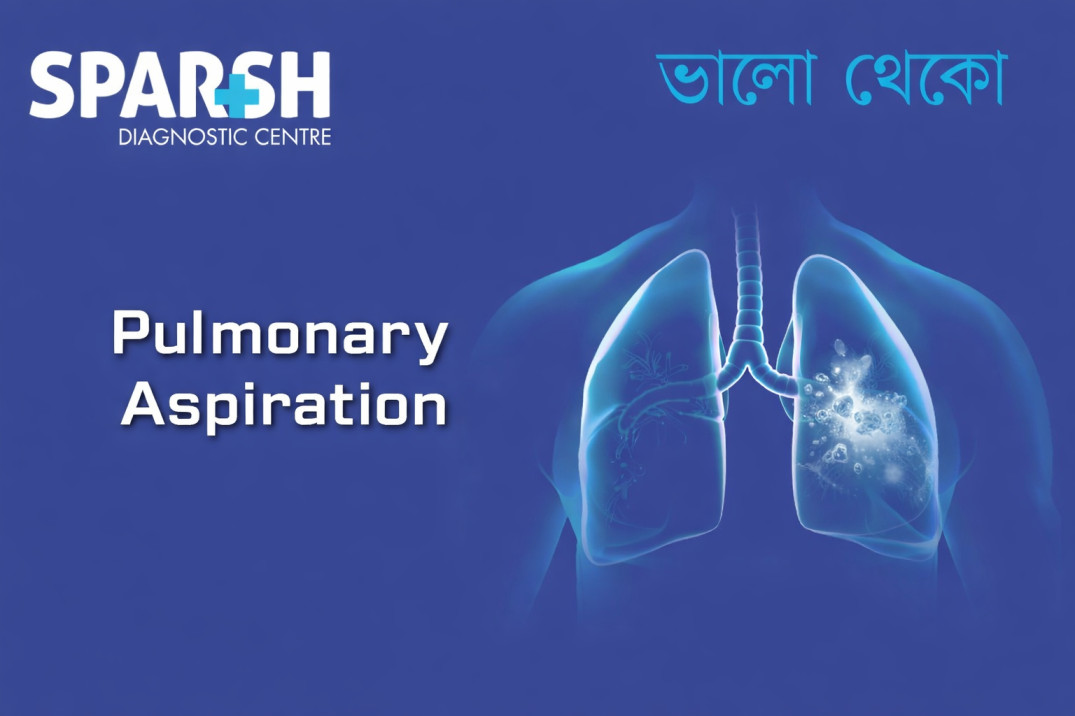
Pulmonary aspiration might sound like a technical medical term, but the concept is simple: it happens when something that should go down your food pipe (esophagus) accidentally enters your airway and lungs. This “something” could be food, liquid, saliva, or even stomach acid.
While mild cases may resolve on their own, pulmonary aspiration can sometimes lead to serious complications like aspiration pneumonia, making it important to recognize the signs early and understand how to prevent it.
In this guide, we’ll walk you through everything you need to know—from causes and symptoms to treatment and practical prevention tips.
What Is Pulmonary Aspiration?
Pulmonary aspiration occurs when foreign material enters the lungs instead of being swallowed properly into the stomach. Under normal circumstances, your body has protective mechanisms—like coughing and the gag reflex—to prevent this from happening.
However, when these defenses are weakened or bypassed, aspiration can occur.
For example, imagine drinking water and suddenly coughing because it “went down the wrong pipe.” That’s a mild, common form of aspiration. But in more severe cases, especially in vulnerable individuals, the consequences can be far more serious.
Types of Pulmonary Aspiration
Not all aspiration events are the same. Depending on what enters the lungs, the condition can be classified into a few types:
1. Aspiration Pneumonitis
This is inflammation of the lungs caused by inhaling stomach acid. It often occurs suddenly and can irritate lung tissues quickly.
2. Aspiration Pneumonia
This develops when bacteria from aspirated material lead to an infection in the lungs. It’s more common in older adults and people with weakened immune systems.
3. Silent Aspiration
In some cases, aspiration happens without obvious symptoms like coughing. This is known as silent aspiration and is particularly dangerous because it can go unnoticed.
Causes of Pulmonary Aspiration
Pulmonary aspiration doesn’t just happen randomly—it’s usually linked to underlying conditions or situations that interfere with normal swallowing or airway protection.
Common Causes Include:
- Difficulty swallowing (dysphagia)
Often seen in people with neurological disorders. - Reduced consciousness
Due to alcohol, anesthesia, or sedation. - Gastroesophageal reflux disease (GERD)
Chronic acid reflux increases the risk of stomach contents entering the airway. - Vomiting
Especially when lying flat. - Poor oral hygiene
Can increase harmful bacteria in aspirated material. - Medical procedures
Such as feeding tubes or intubation.
High-Risk Groups
Certain groups are more prone to pulmonary aspiration:
- Older adults
- Stroke survivors
- People with conditions like Parkinson’s disease
- Individuals with impaired gag reflex
- Patients in intensive care units
Symptoms of Pulmonary Aspiration
Symptoms can vary depending on the severity and type of aspiration. Some may appear immediately, while others develop over time.
Common Symptoms:
- Sudden coughing or choking
- Shortness of breath
- Chest discomfort
- Wheezing
- Fever (especially if infection develops)
- Bluish lips or skin (in severe cases)
Signs of Aspiration Pneumonia:
- Persistent cough with phlegm
- High fever and chills
- Fatigue
- Difficulty breathing
- Foul-smelling sputum
Silent Aspiration Clues:
- Frequent throat clearing
- Voice changes after eating
- Recurrent chest infections
- Unexplained weight loss
How is Pulmonary Aspiration Diagnosed
Diagnosing pulmonary aspiration often involves a combination of medical history, physical examination, and diagnostic tests.
Common Diagnostic Methods:
- Chest X-ray
Helps identify inflammation or infection in the lungs. - CT scan
Provides a more detailed image of lung structures. - Swallowing studies
Such as a modified barium swallow test to evaluate swallowing function. - Bronchoscopy
A procedure where a camera is used to look inside the airways.
Early diagnosis is key, especially in high-risk individuals, as it allows for prompt treatment and reduces complications.
Treatment of Pulmonary Aspiration
Treatment depends on the severity and underlying cause of aspiration.
Immediate Care
If aspiration occurs suddenly:
- Encourage coughing to clear the airway
- Seek medical help if breathing becomes difficult
- Oxygen therapy may be required in severe cases
Medical Treatment
- Antibiotics
Used if aspiration pneumonia develops. - Bronchodilators
Help open the airways and improve breathing. - Corticosteroids
Sometimes used to reduce inflammation. - Suctioning
To remove aspirated material from the airway.
Long-Term Management
For individuals with recurring aspiration:
- Swallowing therapy
- Dietary modifications (e.g., thickened liquids)
- Elevating the head during meals
- Treating underlying conditions like GERD
Complications of Pulmonary Aspiration
If left untreated, pulmonary aspiration can lead to serious complications:
- Aspiration pneumonia
- Lung abscess
- Acute respiratory distress
- Chronic lung disease
In severe cases, especially among vulnerable populations, it can even become life-threatening.
Prevention of Pulmonary Aspiration
The good news is that many cases of pulmonary aspiration can be prevented with simple precautions.
Practical Prevention Tips:
- Eat slowly and chew food thoroughly
- Avoid lying down immediately after eating
- Maintain good oral hygiene
- Elevate the head while sleeping (especially for GERD patients)
- Follow prescribed swallowing therapies
- Monitor high-risk individuals closely during meals
For Caregivers:
- Ensure proper feeding positions
- Use recommended food textures
- Watch for signs of swallowing difficulty
- Seek medical advice if aspiration is suspected
Pulmonary Aspiration in Special Populations
In Children
Aspiration in children may be linked to congenital abnormalities or feeding difficulties. Symptoms can include coughing during feeding and recurrent respiratory infections.
In the Elderly
Age-related muscle weakness and neurological conditions make older adults particularly vulnerable. Preventive care and monitoring are essential.
In Hospitalized Patients
Patients under anesthesia or on ventilators are at increased risk. Hospitals follow strict protocols to minimize aspiration risk in these settings.
When Should You See a Doctor?
You should seek medical attention if you notice:
- Persistent coughing after eating or drinking
- Difficulty breathing
- Fever following a choking episode
- Recurrent lung infections
Early intervention can make a significant difference in outcomes.
Living With Pulmonary Aspiration Risk
If you or a loved one is at risk, managing pulmonary aspiration becomes part of daily life. With the right strategies—dietary adjustments, therapy, and medical guidance—it’s entirely possible to reduce risks and maintain a good quality of life.
Consistency is key. Small changes, like posture during meals or food consistency, can have a big impact over time.
Frequently Asked Questions (FAQs)
1. What is the most common cause of pulmonary aspiration?
The most common cause is difficulty swallowing (dysphagia), often associated with neurological conditions such as stroke.
2. Can pulmonary aspiration go away on its own?
Mild cases may resolve naturally, especially if the material is quickly cleared. However, more serious cases require medical attention.
3. How serious is pulmonary aspiration?
It can range from mild to life-threatening, particularly if it leads to aspiration pneumonia or respiratory distress.
4. What is silent aspiration?
Silent aspiration occurs without noticeable symptoms like coughing, making it harder to detect but potentially dangerous.
5. How is aspiration pneumonia treated?
It is typically treated with antibiotics, along with supportive care such as oxygen therapy if needed.
6. Can GERD cause pulmonary aspiration?
Yes, chronic acid reflux can increase the risk of stomach contents entering the airway.
7. How can I prevent aspiration while sleeping?
Elevating the head of the bed and avoiding heavy meals before bedtime can help reduce the risk.
8. Is pulmonary aspiration common in older adults?
Yes, due to weaker swallowing muscles and underlying health conditions, older adults are at higher risk.
9. What foods are safer for people at risk of aspiration?
Soft, easy-to-swallow foods and thickened liquids are often recommended.
10. When should I worry about aspiration?
If it happens frequently, causes breathing issues, or leads to fever or chest infections, it’s important to consult a doctor.
To consult a Pulmonologist at Sparsh Diagnostic Centre, call our helpline numbers 9830117733/ 8335049501.
#BhaloTheko
Disclaimer:
No content on this site, regardless of date, should ever be used as a substitute for direct medical advice from your doctor or other qualified clinician.