


Protein is one of the most important nutrients your body needs to stay healthy. From building muscles and repairing damaged tissues to supporting immunity, maintaining strong bones and producing essential hormones, protein plays a role in almost every major body function. Yet, many people focus on carbohydrates and fats while overlooking the importance of getting enough protein through their daily diet.
The good news is that protein does not have to come from expensive supplements or specialised foods. Everyday Indian foods such as dal, chana, rajma, paneer, milk, curd, soybeans and nuts can contribute significantly to your protein intake. For non-vegetarians, eggs, fish and lean meat provide additional options.
Understanding what protein does, how much you need and which foods supply it can help you make better dietary choices for long-term health.
In this guide, we explore the definition of protein, its major health benefits, the best protein-rich foods, vegetarian and non-vegetarian sources, daily requirements and practical ways to include more protein in your meals.
What is the definition of protein?
Protein is a macronutrient made up of smaller building blocks called amino acids. The body uses these amino acids to build and repair tissues, maintain muscles, produce enzymes and hormones, and support numerous biological processes.
There are 20 standard amino acids that the body uses to make proteins. Nine of these are considered essential amino acids because the body cannot produce them in sufficient amounts, so they must come from food.
The remaining amino acids can generally be produced by the body, although certain conditions may increase the need for specific amino acids.
When you eat protein-rich foods, your digestive system breaks the proteins down into amino acids and smaller peptides. These are absorbed and used by the body to maintain existing tissues and make new proteins.
Protein is found throughout the body, including in the muscles, skin, hair, nails, blood, bones and internal organs. It is also involved in immune defence, blood clotting, fluid balance and the transport of substances throughout the body.
Unlike carbohydrates and fats, the body does not maintain a dedicated storage reserve for protein. This is one reason why eating enough protein regularly is important.
What is protein and what are its benefits?
Protein is essential for much more than muscle building. Its benefits extend to growth, recovery, immunity and everyday bodily functions.
1. Builds and repairs muscles
Muscles constantly undergo a process of breakdown and repair. Physical activity, resistance training and everyday movement create a need for the body to repair muscle proteins.
Dietary protein supplies the amino acids needed for this process. When combined with appropriate exercise, adequate protein intake helps maintain muscle mass and supports muscle growth.
This is particularly important for people who exercise regularly, older adults who want to preserve strength, and individuals recovering from illness or periods of reduced physical activity.
2. Supports tissue growth and repair
Protein helps the body repair damaged tissues and produce new cells. It contributes to the maintenance of skin, muscles, connective tissues and internal organs.
Adequate protein is especially important during childhood, adolescence, pregnancy and recovery from injury or surgery, when the body may have increased nutritional demands.
However, protein alone cannot guarantee faster healing. Overall calorie intake, other nutrients, medical conditions and the nature of the injury also influence recovery.
3. Helps maintain a healthy immune system
The immune system relies on proteins to produce antibodies and other molecules involved in defending the body against harmful microorganisms.
When protein intake is insufficient for an extended period, normal immune function may be affected. Adequate protein, together with a balanced diet containing essential vitamins and minerals, helps support the body’s natural defences.
4. Supports strong bones
Protein contributes to the structure of bones and helps maintain the tissues that support the skeleton.
Getting enough protein alongside calcium, vitamin D and regular weight-bearing activity can help support bone health. Protein is not a substitute for these other factors, but it is an important part of a balanced approach to maintaining strong bones.
5. Helps with weight management
Protein can help you feel satisfied after meals and may reduce hunger between meals. This can make it easier to manage portion sizes and avoid frequent snacking.
Protein also requires more energy to digest than carbohydrates or fats. However, this effect is modest and does not automatically lead to weight loss.
For effective weight management, protein should be combined with suitable portions, adequate fibre, regular physical activity and an overall eating pattern that meets your nutritional needs.
6. Helps produce enzymes and hormones
Enzymes help regulate chemical reactions in the body, including digestion and energy metabolism. Many enzymes are proteins.
Certain hormones, including insulin, are also protein-based or contain amino acid chains. These hormones help regulate important functions such as blood glucose control, growth and metabolism.
7. Supports healthy skin, hair and nails
Keratin and collagen are proteins that contribute to the structure of hair, nails and skin. Adequate protein intake helps provide the building blocks required to maintain these tissues.
However, hair loss, brittle nails and skin problems can have many causes, including iron deficiency, thyroid disorders and other medical conditions. Increasing protein alone may not resolve these problems if another cause is responsible.
8. Helps maintain energy and physical function
Protein provides approximately four calories per gram. Although carbohydrates and fats are generally the body’s preferred energy sources, protein can also be used for energy when necessary.
More importantly, adequate protein helps maintain muscle mass, which supports strength, mobility and everyday physical activities.
For older adults, maintaining muscle can be particularly valuable for activities such as climbing stairs, getting up from a chair and carrying groceries.
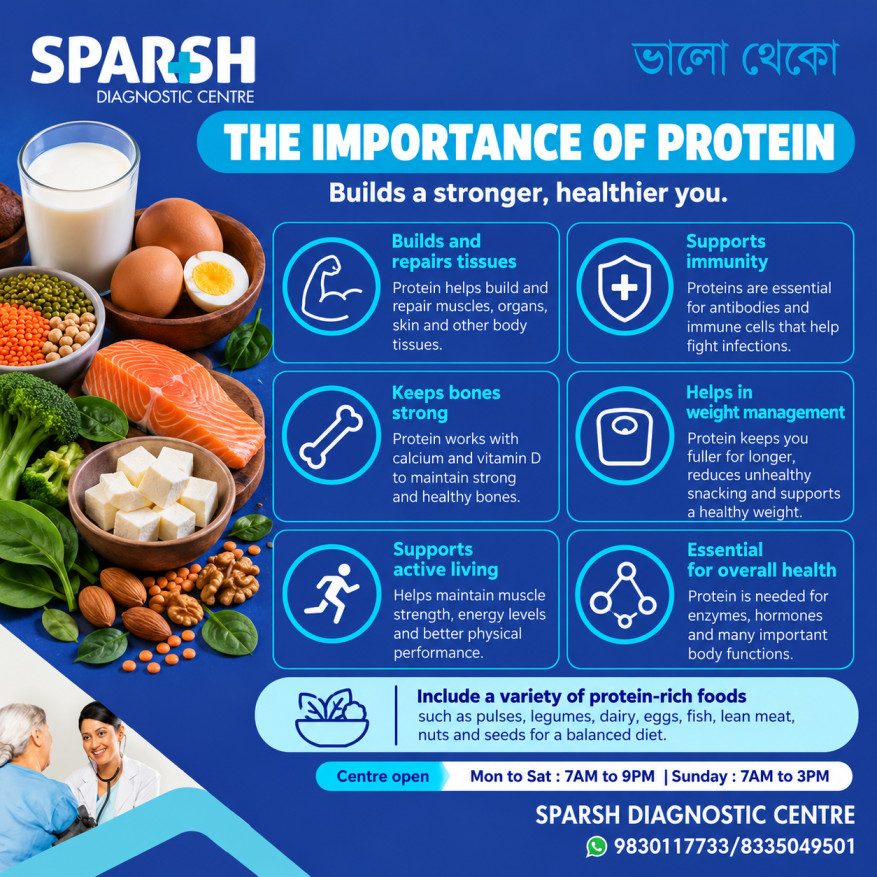
What are the top 5 protein foods?
There is no single ranking of the best protein foods for everyone. The most suitable choices depend on dietary preferences, nutritional needs, budget and health conditions.
For a balanced diet, these five food groups are particularly useful sources of protein.
1. Soybeans and soy products
Soybeans are among the most useful plant-based protein sources. Foods such as tofu, tempeh and textured soy protein can help vegetarians and vegans meet their protein requirements.
Approximate protein content:
- Cooked soybeans: 16–18 grams per 100 grams.
- Firm tofu: 8–17 grams per 100 grams, depending on the product.
- Dry textured soy protein: often around 45–55 grams per 100 grams, depending on the product.
Soy products can be incorporated into curries, stir-fries, pulao and other everyday meals. Textured soy protein is particularly concentrated in protein when measured dry, so its nutrition information should not be compared directly with cooked foods without accounting for water absorption.
2. Lentils, beans and chickpeas
Dal, rajma, chana, lobia and other legumes are affordable, versatile sources of plant protein.
Approximate protein content:
- Cooked lentils: 9 grams per 100 grams.
- Cooked chickpeas: 8–9 grams per 100 grams.
- Cooked kidney beans: 8–9 grams per 100 grams.
Legumes also provide dietary fibre, folate, iron and other nutrients. They can be included in meals as dal, chole, rajma, sprouts or salads.
Combining legumes with cereals such as rice or wheat helps provide a broader range of amino acids across the diet.
3. Milk, curd and paneer
Dairy products are convenient sources of protein, particularly for people following a vegetarian diet that includes dairy.
Approximate protein content:
- Milk: 3–3.5 grams per 100 ml.
- Plain curd: around 3–4 grams per 100 grams.
- Paneer: approximately 14–20 grams per 100 grams, depending on moisture and preparation.
Dairy foods also supply calcium, while some products provide vitamin B12 and other nutrients. Choosing portions that suit your calorie requirements and selecting lower-fat options when appropriate can help maintain a balanced diet.
4. Eggs, fish and lean meat
For people who eat animal products, eggs, fish and lean meats provide concentrated amounts of protein.
Approximate protein content:
- One large egg: 6–7 grams.
- Cooked fish: around 20–25 grams per 100 grams.
- Cooked skinless chicken breast: around 30–31 grams per 100 grams.
These foods supply essential amino acids. Eggs and fish can also provide other valuable nutrients, including vitamin B12, while oily fish provides omega-3 fatty acids.
Grilling, steaming, baking or preparing these foods with moderate amounts of oil can be preferable to frequent deep-frying.
5. Nuts and seeds
Almonds, peanuts, pumpkin seeds, sesame seeds and sunflower seeds contribute protein alongside unsaturated fats and minerals.
Approximate protein content:
- Peanuts: 25–26 grams per 100 grams.
- Almonds: 20–22 grams per 100 grams.
- Pumpkin seeds: 25–30 grams per 100 grams.
These values refer to the foods by weight, not typical snack portions. Nuts and seeds are energy-dense, so modest portions are usually appropriate.
They work well as snacks or additions to oats, curd, salads and homemade meals.
Important: Protein values are approximate and vary by variety, brand, cooking method and moisture content. For packaged foods, check the nutrition label.
What are the main sources of protein?
Protein comes from both plant-based and animal-based foods. A balanced eating pattern can include either category or a combination of both.
Plant-based protein sources
Plant foods can provide substantial amounts of protein, fibre, vitamins and minerals. They are particularly important for vegetarian and vegan diets.
Common sources include:
- Pulses and legumes: moong dal, masoor dal, chana, rajma, peas and lobia.
- Soy products: soybeans, tofu, tempeh and textured soy protein.
- Dairy products: milk, curd and paneer for lacto-vegetarians.
- Nuts and seeds: peanuts, almonds, pumpkin seeds, sesame seeds and chia seeds.
- Whole grains: oats, whole wheat and quinoa.
- Other foods: green peas and certain vegetables, which contribute smaller amounts.
For Indian vegetarian diets, combining dal, beans, dairy, soy products and grains throughout the day is a practical way to improve protein intake.
Animal-based protein sources
Animal foods commonly provide complete protein, meaning they contain all nine essential amino acids in adequate proportions.
Sources include:
- Eggs.
- Fish and seafood.
- Chicken and other poultry.
- Lean meat.
- Milk, curd and cheese.
Not all animal-based foods have the same nutritional profile. Fish, eggs, lean poultry and dairy differ in their fat content and other nutrients. Processed meats and frequent consumption of large amounts of red meat are generally less desirable than a varied pattern that includes healthier protein choices.
What is the difference between complete and incomplete proteins?
A complete protein contains all nine essential amino acids in sufficient proportions. Animal proteins and certain plant proteins, including soy, are examples.
Many plant foods have lower amounts of one or more essential amino acids relative to the body’s requirements. These are often described as incomplete proteins.
This does not mean plant proteins are poor-quality foods or that vegetarians must combine specific foods at every meal.
Eating a varied diet containing legumes, grains, nuts, seeds and soy products throughout the day can provide the essential amino acids your body needs.
How much protein do you need every day?
Your daily protein requirement depends on your body weight, age, activity level, health status and life stage.
For many healthy adults, a commonly used reference intake is approximately 0.8 grams of protein per kilogram of body weight per day. This is a general benchmark, not a personalised target for every individual.
For example:
| Body weight | Approximate daily protein at 0.8 g/kg |
|---|---|
| 50 kg | 40 g |
| 60 kg | 48 g |
| 70 kg | 56 g |
| 80 kg | 64 g |
| 90 kg | 72 g |
People who undertake regular strength training, older adults experiencing muscle loss, pregnant or breastfeeding women, and individuals recovering from certain illnesses may need different amounts.
People with kidney disease or other medical conditions that affect protein metabolism may need an individually tailored intake. They should consult their treating clinician or dietitian before substantially increasing protein consumption.
How can you include more protein in an Indian diet?
Increasing protein intake does not necessarily require a major dietary change. Small adjustments to everyday meals can make a meaningful difference.
- Breakfast: Include milk or curd with oats, besan chilla, or a paneer-based dish.
- Lunch: Add dal, rajma, chole, soy chunks or another protein-rich food alongside vegetables and rice or roti.
- Evening snack: Choose roasted chana, peanuts in a measured portion, or plain curd.
- Dinner: Include dal, paneer, tofu, beans or, for non-vegetarians, eggs, fish or chicken.
- Across the day: Vary your protein sources rather than relying on only one food.
For vegetarians, a useful strategy is to make a protein-rich food a regular part of each main meal instead of depending on rice, roti or vegetables alone.
Can you get enough protein from a vegetarian diet?
Yes. A well-planned vegetarian diet can provide enough protein for most healthy adults.
Foods such as soybeans, tofu, paneer, milk, curd, lentils, chickpeas, kidney beans, peas, nuts and seeds offer a range of options.
The key is to eat enough total food, include protein-rich ingredients consistently and vary your choices. A diet based mainly on rice, roti, potatoes and vegetables, with only small quantities of dal or other protein sources, may make it harder to meet your requirements.
Vegans need to pay particular attention to their protein sources because they do not consume dairy or eggs. Legumes, soy products, nuts, seeds and whole grains can help meet their needs.
A registered dietitian can help plan a vegetarian diet around your body weight, preferences, budget and health goals.
What happens if you do not get enough protein?
Inadequate protein intake over time can affect normal growth, tissue repair, muscle maintenance and immune function.
Possible signs and consequences include:
- Loss of muscle mass and strength.
- Poor growth in children.
- Slower recovery from illness or injury.
- Increased vulnerability to infections in the setting of significant malnutrition.
- Hair and skin changes in some cases.
- Swelling in severe protein-energy malnutrition.
These symptoms are not specific to protein deficiency. Similar problems can occur because of other nutritional deficiencies or underlying medical conditions.
If you experience unexplained muscle loss, persistent fatigue, swelling or significant changes in weight, seek medical advice rather than assuming that insufficient protein is the cause.
Is it necessary to take protein supplements?
Protein powders and supplements can be convenient for people who struggle to meet their nutritional requirements through food. However, they are not essential for everyone.
Many healthy adults can obtain sufficient protein through a balanced diet containing legumes, dairy, soy, eggs, fish or other suitable foods.
Before choosing a supplement, consider your actual protein intake, total nutritional needs, budget and health conditions. Check the product’s ingredients, protein content, added sugars and quality standards.
People with kidney disease, significant liver disease or other relevant medical conditions should seek professional advice before starting high-protein supplements.
A protein supplement should complement an appropriate diet, not replace a varied and balanced eating pattern.
Protein is essential for building and repairing tissues, maintaining muscle mass, supporting immunity, producing enzymes and hormones, and preserving normal bodily functions.
The best approach is to obtain protein from a variety of nutritious foods rather than concentrating on a single ingredient or relying unnecessarily on supplements. In an Indian diet, dal, chickpeas, rajma, soy products, milk, curd, paneer, nuts and seeds offer practical vegetarian options, while eggs, fish and lean poultry provide additional choices for non-vegetarians.
Your daily protein needs depend on your body weight, age, activity level and health status. Paying attention to portion sizes, including protein-rich foods regularly and maintaining a balanced diet can help you meet your needs.
If you are unsure how much protein you require, especially if you have an underlying medical condition, consult a qualified healthcare professional or registered dietitian for individual guidance.
Frequently asked questions about protein
1. What is protein in simple words?
Protein is a nutrient made from amino acids that the body uses to build and repair tissues, maintain muscles, produce enzymes and hormones, and support immunity.
2. What are the top 5 protein foods?
Five useful groups of protein-rich foods are soybeans and soy products, lentils and beans, milk and other dairy products, eggs and lean animal foods, and nuts and seeds. The best choices depend on your dietary preferences and nutritional needs.
3. What are the main benefits of protein?
Protein supports muscle growth and repair, tissue maintenance, immune function, bone health, hormone production and enzyme activity. It can also help with satiety and weight management when included in a balanced diet.
4. Which vegetarian foods are rich in protein?
Soybeans, tofu, soy chunks, lentils, chickpeas, rajma, paneer, milk, curd, peanuts and seeds are useful vegetarian protein sources.
5. Which fruit has the most protein?
Most fruits contain relatively little protein compared with legumes, dairy products, soy foods and nuts. Guava and certain other fruits provide some protein, but fruit should not be relied on as a primary protein source.
6. How much protein should I eat daily?
A commonly used reference intake for healthy adults is around 0.8 grams per kilogram of body weight daily. Individual requirements can differ according to age, activity, pregnancy, recovery needs and medical conditions.
7. Can I build muscle without protein powder?
Yes. Muscle development requires appropriate resistance exercise, sufficient dietary protein, adequate energy and recovery. Foods such as dal, soy, paneer, curd, eggs, fish and lean meat can provide the protein needed for muscle maintenance and growth.
8. Is eating too much protein harmful?
Excessive protein intake can displace other important nutrients and may add unnecessary calories. The effects of high protein intake also depend on the food sources and an individual’s health. People with kidney disease or other relevant medical conditions should obtain personalised advice.
9. Is dal enough to meet my protein requirements?
Dal contributes valuable protein, but whether it is enough depends on the quantity consumed and your total daily requirements. Including other sources such as beans, curd, paneer, soy products, nuts and seeds can help improve overall intake.
10. Does protein help with weight loss?
Protein can increase fullness and help preserve muscle during weight loss, particularly when combined with suitable physical activity. However, weight loss depends on overall energy balance and cannot be achieved by increasing protein alone.
11. Is protein important as we get older?
Yes. Adequate protein helps maintain muscle mass, strength and physical function as people age. Older adults may need individualised dietary advice depending on their nutritional status, activity and medical conditions.
12. When should I eat protein: breakfast, lunch or dinner?
Protein can be included at every main meal. Spreading intake throughout the day is a practical approach to meeting daily needs, although the ideal distribution depends on individual circumstances and goals.
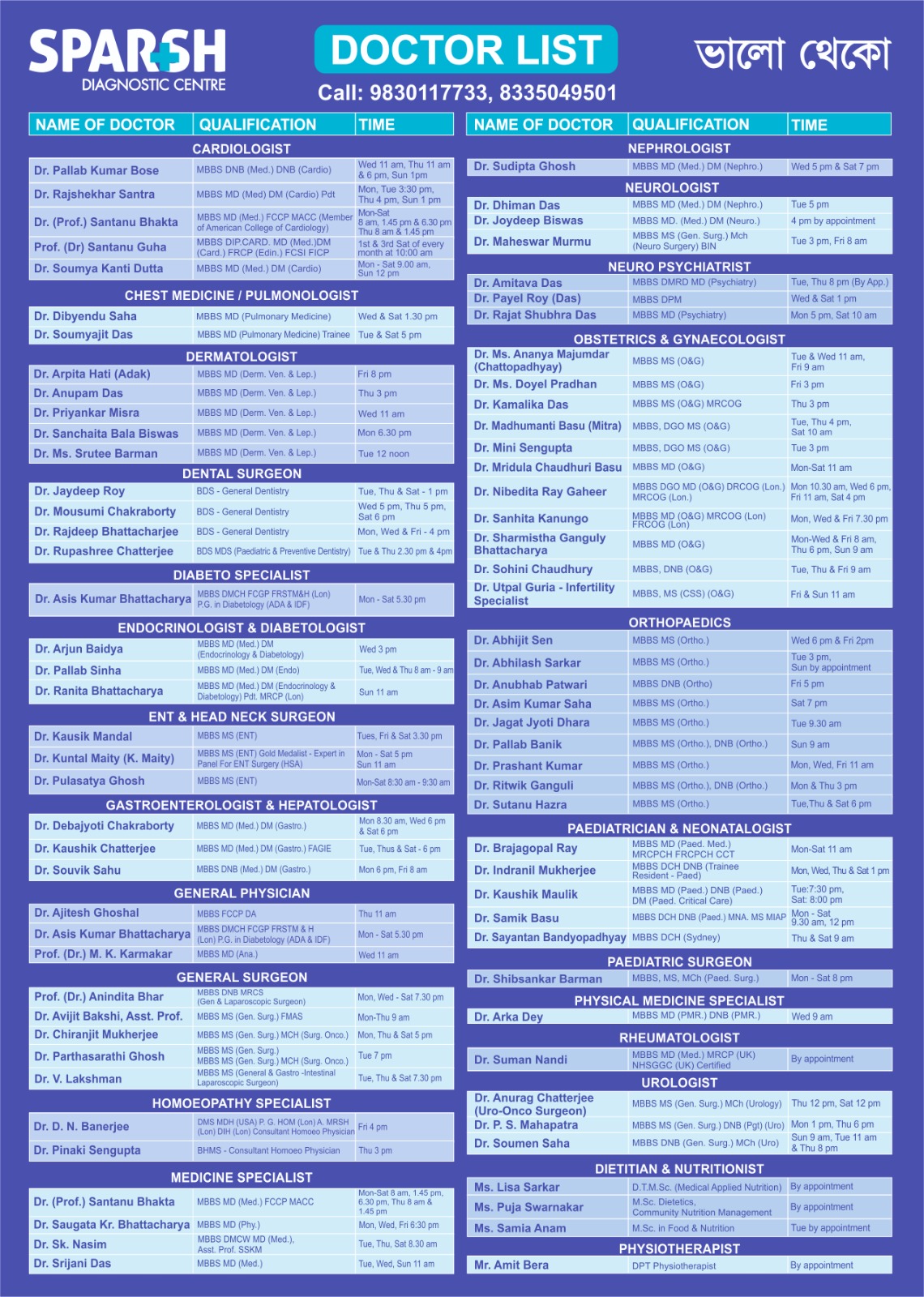
To consult a Dietician at Sparsh Diagnostic Centre, call our helpline number 9830117733.
#BhaloTheko
Disclaimer:
No content on this site, regardless of date, should ever be used as a substitute for direct medical advice from your doctor or other qualified clinician.
Sources and further reading
The following reputable medical and nutrition resources informed this article:
- Harvard T.H. Chan School of Public Health — The Nutrition Source: Protein
https://nutritionsource.hsph.harvard.edu/what-should-you-eat/protein/ - Better Health Channel, Victoria State Government — Protein
https://www.betterhealth.vic.gov.au/health/healthyliving/protein - MedlinePlus Genetics, U.S. National Library of Medicine — What are proteins and what do they do?
https://medlineplus.gov/genetics/understanding/howgeneswork/protein/ - MedlinePlus, U.S. National Library of Medicine — Protein in diet
https://medlineplus.gov/ency/article/002467.htm - Healthline — How much protein should you eat per day?
https://www.healthline.com/nutrition/how-much-protein-per-day - Cleveland Clinic — Proteins
https://my.clevelandclinic.org/health/body/proteins - WebMD — Good protein sources
https://www.webmd.com/fitness-exercise/good-protein-sources
Medical disclaimer: This article is intended for general educational purposes and is not a substitute for personalised medical or nutritional advice. Protein requirements may differ for people with specific health conditions or nutritional needs.


[…] High-protein diets […]
[…] protein […]
[…] Protein deficiency […]
[…] protein consumption, poor digestion, or reduced absorption of amino acids contributes to anabolic […]
[…] Protein-rich foods […]
[…] caused by severe protein […]
[…] Whole grains and lean proteins […]
[…] meals are more likely to spike insulin and sympathetic activity. Favor balanced meals with protein and […]
[…] Nutrition: Breast milk contains the right mix of protein, fat, vitamins, and […]
[…] methotrexate and tocilizumab, a biologic drug that blocks the action of a specific immune system protein involved in […]
[…] to GAS bacteria, antibodies attack the heart valves due to molecular mimicry, where bacterial proteins resemble those found in human […]
[…] part of the first-trimester combined screening, which includes a blood test to measure specific proteins and hormones produced during pregnancy. Together, these tests provide a more accurate risk […]
[…] Gene Therapy: Advances in gene therapy hold promise for treating genetic forms of ALS. Approaches such as antisense oligonucleotides (ASOs) aim to target specific gene mutations and prevent the production of toxic proteins. […]
[…] Low-Sodium, High-Protein Diet […]
[…] low-carb, high-protein, or high-fiber […]
[…] Tests: Blood tests can detect anemia, inflammation, and abnormal levels of certain proteins that indicate an ongoing immune […]
[…] liver normally removes toxins like ammonia (a byproduct of protein metabolism). In liver failure or advanced liver disease, this process is impaired, allowing these […]
[…] Adequate protein intake (may need adjustment in hepatic encephalopathy) […]
[…] contain high amounts of hidden sugars. Opt for whole, unprocessed foods like fruits, vegetables, lean proteins, and whole grains. When you eat whole foods, you have more control over what you’re putting into […]
[…] your body with a nutritious diet rich in whole grains, lean proteins, fruits, and vegetables. Avoid relying on sugar or caffeine for quick energy boosts, as these can […]
[…] Diet: Eating a balanced diet rich in fiber, fruits, vegetables, and lean proteins can promote digestive health and prevent conditions like constipation and […]
[…] can cause fluid buildup in the abdomen (ascites) and other parts of the body. The liver produces proteins that help regulate fluid balance, and when the liver is damaged, this regulation is disrupted, […]
[…] products like meat, dairy, and eggs. Cholesterol travels through the bloodstream attached to proteins, forming a structure called a lipoprotein. There are two main types of […]
[…] levels and improve insulin sensitivity. Focus on whole, unprocessed foods, including vegetables, lean proteins, healthy fats, and whole […]
[…] due to conditions like kidney infections, glomerulonephritis, or chronic kidney disease, blood or proteins may appear in the urine, leading to a brownish or dark red color. Signs of kidney disease that […]
[…] presence of proteins in the urine, an indicator that the kidneys may not be functioning properly. Proteins, which are essential for bodily functions, are typically filtered and retained in the bloodstream […]
[…] High levels of sodium, protein, and sugars, along with oxalate-rich foods (like spinach and nuts), can increase the […]
[…] refers to the damage caused by free radicals, which are unstable molecules that can damage cells, proteins, and DNA. In Parkinson’s disease, oxidative stress is thought to play a key role in the […]
[…] Diet: Adopt a diet rich in whole grains, fruits, vegetables, and lean proteins. Reduce intake of saturated fats, trans fats, and […]
[…] PSA blood test measures the level of PSA, a protein produced by the prostate. Elevated PSA levels can indicate BPH, prostate cancer, or other […]
[…] Proteins: Breast milk contains easily digestible proteins, including whey and casein, which are essential for growth and development. Whey, the dominant protein in breast milk, helps enhance digestion and absorption of nutrients. […]
[…] A heart-healthy diet rich in fruits, vegetables, whole grains, lean proteins, and healthy fats can help reduce cholesterol levels and blood pressure. Limiting salt, sugar, and […]
[…] for enzymes that facilitate various biochemical reactions necessary for bodily functions, including protein synthesis, muscle and nerve function, blood pressure regulation, and glucose […]
[…] for proper digestion and absorption of nutrients. These enzymes help the body break down fats, proteins, and carbohydrates, improving nutritional intake and reducing […]
[…] Breast Cancer: Characterized by an overexpression of the HER2 protein, leading to aggressive […]
[…] Diet: A diet rich in fruits, vegetables, and lean proteins can help manage […]
[…] is essential for the synthesis of collagen, a protein that is crucial for the structure and repair of skin tissue. This makes it particularly important […]
[…] and development, particularly during childhood, adolescence, and pregnancy. Nutrients such as proteins, vitamins, minerals, and fats are essential for building strong bones, muscles, tissues, and […]
[…] vital nutrient found in prenatal vitamins. It is necessary for the production of hemoglobin, the protein in red blood cells that carries oxygen to the body’s tissues and to the developing baby. During […]
[…] is one of the most abundant proteins in the human body, making up around 30% of the body’s protein content. It plays a crucial role in […]
[…] These are newer medications that target specific proteins in the immune system to block inflammation. Examples include infliximab, adalimumab, and […]
[…] Diet: Eating a balanced diet rich in fruits, vegetables, and lean proteins supports overall health and resilience against […]
[…] hydroxylase (PAH). This enzyme is crucial for converting phenylalanine, an amino acid found in many protein-containing foods, into another amino acid called tyrosine. Without sufficient PAH, phenylalanine […]
[…] growth factor inhibitors) may be injected directly into the eye. These medications block the protein responsible for abnormal blood vessel growth and help reduce swelling in the […]
[…] these antibodies can cross-react with the body’s tissues due to molecular mimicry. The proteins on the streptococcal bacteria are similar to those found in human tissues, particularly the heart, […]
[…] after Dr. Alois Alzheimer, who first described the disease in 1906, it is characterized by abnormal protein deposits in the brain, including beta-amyloid plaques and neurofibrillary tangles. These proteins […]
[…] Each of these conditions has distinct characteristics but shares common mechanisms such as abnormal protein accumulation, inflammation, and cell death in the nervous […]