


Quitting tobacco is one of the most important steps you can take to protect your health, regardless of your age or how long you have been using tobacco. Whether you smoke cigarettes, use bidis, chew tobacco, or use other tobacco products, stopping can reduce your risk of serious diseases and improve your quality of life.
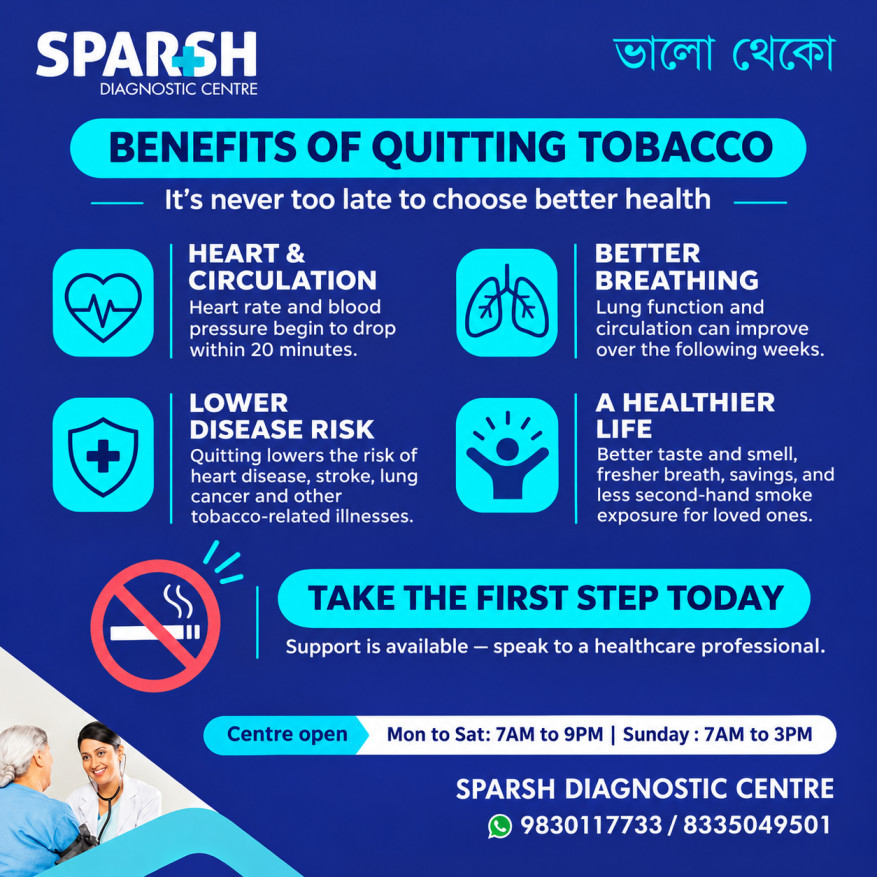
The benefits of quitting tobacco begin surprisingly quickly. Within minutes of your last cigarette, your heart rate starts to fall. Over the following days and weeks, your body begins recovering from exposure to harmful chemicals. With time, your circulation and lung function can improve, your risk of heart disease decreases, and your chances of developing several tobacco-related cancers become lower.
However, quitting is not always easy. Nicotine is highly addictive, and withdrawal symptoms such as irritability, restlessness, difficulty concentrating, and strong cravings can make the first few days challenging.
The encouraging news is that these symptoms generally become easier to manage with time, and effective treatments are available to help you quit.
In this guide, we explore the major benefits of quitting tobacco, what happens to your body after you stop smoking, how long nicotine withdrawal lasts, and what you can do to make the process easier.
What does quitting tobacco do to your body?
When you stop using tobacco, your body gradually begins recovering from the harmful effects of nicotine, carbon monoxide, and other toxic substances. The speed and extent of recovery depend on your tobacco use history, the product you used, and your overall health.
Here are some of the most important changes you may experience.
1. Improves heart health
Smoking increases your heart rate and blood pressure while exposing your body to carbon monoxide, which reduces the blood’s ability to carry oxygen. Tobacco use also damages blood vessels and contributes to the development of cardiovascular disease.
After quitting, your heart no longer has to deal with the continuous effects of tobacco smoke. Blood circulation begins to improve, and your risk of developing coronary heart disease and having a heart attack gradually decreases.
Although quitting cannot reverse every existing cardiovascular problem, it can significantly reduce your future risk.
2. Helps your lungs recover
Tobacco smoke irritates the airways and damages the tiny hair-like structures called cilia that help remove mucus, dust, and other particles from your lungs.
When you stop smoking, these structures can gradually recover their function. Over time, coughing and breathlessness may decrease, and your lungs can become better at clearing mucus.
Some people temporarily notice more coughing after quitting. This can occur as the airways recover and resume clearing accumulated mucus. Persistent or worsening symptoms, however, should be assessed by a healthcare professional.
Quitting cannot reverse all existing lung damage, particularly advanced emphysema, but it can slow further damage and improve respiratory health.
3. Reduces the risk of cancer
Tobacco contains numerous harmful chemicals, including substances that can damage DNA and contribute to cancer development.
Smoking is associated with cancers of the lung, mouth, throat, oesophagus, bladder, kidney, pancreas, and several other organs. Smokeless tobacco also increases the risk of oral cancer and other serious health problems.
Once you quit, you reduce your continued exposure to cancer-causing substances. Your risk of developing tobacco-related cancers decreases over time, although it may not return completely to the level of someone who has never used tobacco.
The earlier you quit, the greater the potential long-term benefit.
4. Improves your sense of taste and smell
Have you noticed that food tastes different when you have a cold or a blocked nose? Tobacco use can also interfere with your senses of taste and smell.
After quitting, these senses may gradually become sharper. You may begin to notice flavours and aromas that previously seemed less noticeable.
Many people also find that their breath smells fresher and that tobacco stains on their fingers and teeth no longer worsen. Existing stains may require professional dental cleaning.
5. Protects your oral health
Smoking and chewing tobacco can damage your gums, contribute to tooth loss, cause persistent bad breath, and increase the risk of oral cancer.
Stopping tobacco use reduces continued exposure to harmful substances and supports better oral health. Your gums and other oral tissues may benefit, particularly when quitting is combined with regular dental check-ups and good oral hygiene.
Any persistent mouth ulcer, unexplained lump, white or red patch, or bleeding lesion should be examined by a dentist or doctor.
6. Supports better circulation and physical activity
Tobacco smoke reduces oxygen delivery and damages blood vessels, making physical activity more difficult for some people.
After quitting, circulation and lung function can improve, allowing everyday activities such as walking, climbing stairs, and exercising to become more comfortable.
You may also notice less breathlessness and better exercise tolerance over time. The degree of improvement depends on your previous tobacco exposure and whether you have developed any lasting lung or cardiovascular damage.
7. Benefits sexual and reproductive health
Smoking can damage blood vessels and interfere with circulation, which may contribute to erectile dysfunction in men.
Tobacco use can also affect fertility and reproductive health. During pregnancy, smoking increases the risk of complications, including premature birth and low birth weight.
Quitting before pregnancy or as early as possible during pregnancy can improve outcomes for both the pregnant person and the baby. Stopping tobacco use also helps reduce exposure to harmful secondhand smoke within the household.
8. Protects your family from secondhand smoke
The benefits of quitting tobacco extend beyond your own health.
Secondhand smoke exposes people nearby to harmful chemicals. Children exposed to tobacco smoke have an increased risk of respiratory infections, asthma-related problems, and ear infections. Exposure during infancy is also associated with an increased risk of sudden infant death syndrome.
Quitting helps create a healthier home environment and protects family members from continued exposure to tobacco smoke.
9. Improves your finances and everyday comfort
Tobacco use can become an expensive daily habit. When you quit, the money previously spent on cigarettes, bidis, or other tobacco products can be redirected towards food, family activities, healthcare, or savings.
You may also notice fresher breath, less tobacco odour on your clothes, and greater comfort in smoke-free public places.
These everyday benefits may seem small compared with the medical advantages, but they can provide additional motivation to remain tobacco-free.
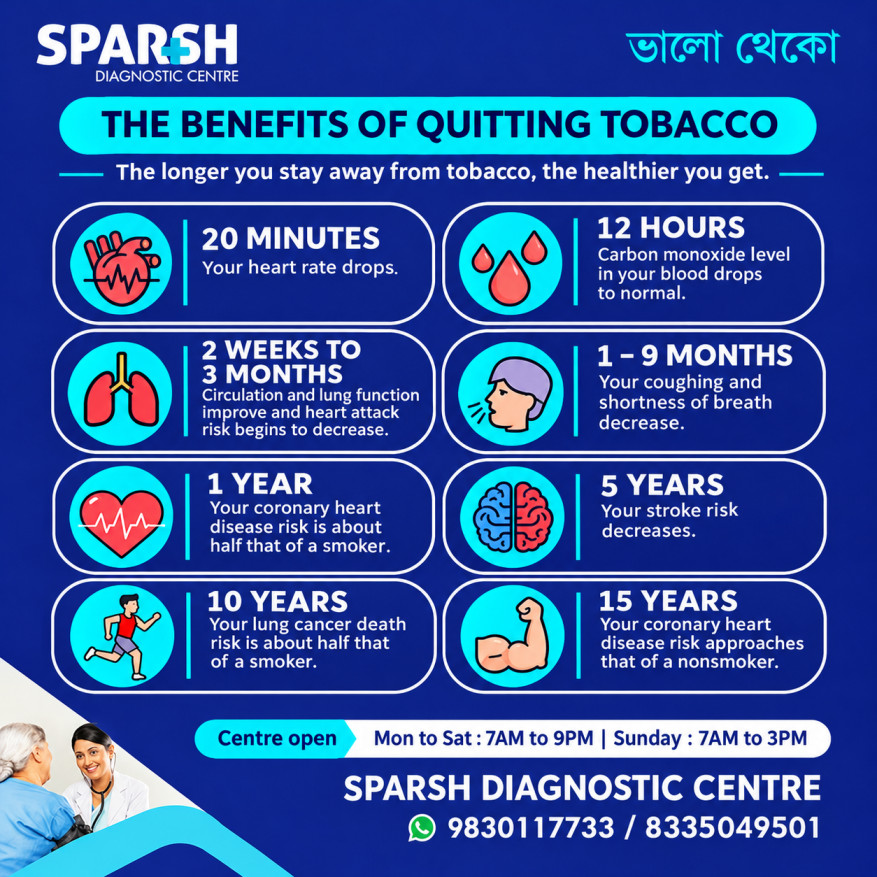
Benefits of quitting tobacco: a timeline of recovery
One of the most encouraging aspects of quitting tobacco is that positive changes begin soon after your last cigarette. However, recovery is gradual, and the timeline differs between individuals.
Within 20 minutes
Your heart rate begins to decrease after you stop smoking. Your body starts moving away from the immediate cardiovascular effects of cigarette smoke.
Within 12 hours
Carbon monoxide levels in your blood fall towards normal levels. Carbon monoxide interferes with the blood’s ability to transport oxygen efficiently.
Within 24 hours to 3 days
Nicotine levels in your body fall substantially and are generally cleared from the bloodstream within a few days. Withdrawal symptoms may become more noticeable during this period.
Your sense of taste and smell may begin to improve, and some people notice changes in breathing.
Within 2 weeks to 3 months
Blood circulation and lung function can improve. Everyday physical activities may become easier, although the extent of improvement depends on your previous tobacco use and existing health conditions.
Within 1 to 9 months
Coughing and shortness of breath often decrease. The lungs’ natural mucus-clearing mechanisms can work more effectively as the airways recover.
Within 1 year
Your risk of coronary heart disease is substantially lower than that of someone who continues smoking. Some public health estimates describe the excess risk as falling to approximately half that of a continuing smoker.
Within 5 to 10 years
Your risk of several tobacco-related cancers decreases. The additional risk of cancers affecting the mouth, throat, and voice box can fall substantially, while stroke risk also declines.
Within 10 to 15 years
The risk of dying from lung cancer may fall to approximately half that of a continuing smoker after around 10 years, although the exact timeline varies. After about 15 years, coronary heart disease risk may approach that of someone who does not smoke.
These milestones are estimates based primarily on cigarette smoking cessation research. They are not guarantees, and the timeline may differ according to individual health and tobacco exposure.
What happens on day 4 of nicotine withdrawal?
The fourth day after quitting can be challenging for many people because nicotine withdrawal symptoms may still be present, even though nicotine levels in the body have fallen considerably.
Withdrawal symptoms commonly begin within hours of the last cigarette and tend to be most intense during the first three days or the first week.
On day four, you may experience:
- Strong cravings: You may still feel a powerful urge to smoke, particularly after meals, during work breaks, or when stressed.
- Irritability and mood changes: You might feel frustrated, restless, anxious, or unusually impatient.
- Difficulty concentrating: Tasks that normally feel simple may temporarily require more effort.
- Sleep disturbances: You may have difficulty falling asleep, wake during the night, or feel tired during the day.
- Increased appetite: You might feel hungrier than usual or develop a stronger desire for snacks.
- Headaches or physical discomfort: Some people experience headaches, constipation, dizziness, or other temporary symptoms.
Not everyone experiences these symptoms, and their intensity varies considerably.
How to manage day four after quitting
The most important thing is to remember that withdrawal symptoms are temporary and do not mean that quitting is harming you.
Try drinking water regularly, eating balanced meals, taking short walks, and keeping yourself occupied during periods when you would usually smoke. Deep breathing exercises, sugar-free gum, and avoiding common smoking triggers may also help.
If cravings are difficult to manage, nicotine replacement therapy or prescription smoking-cessation medication may help reduce withdrawal symptoms. A doctor or pharmacist can help you choose an appropriate option.
If you have reached day four without tobacco, you have already taken an important step. Focus on getting through the next craving rather than worrying about the entire quitting journey.
Do nicotine cravings ever go away?
Yes, nicotine cravings usually become less frequent and less intense as time passes. However, the experience differs from person to person.
During the first few days and weeks, cravings may occur frequently because your body and brain are adjusting to the absence of nicotine. As withdrawal settles, the physical urge to use nicotine generally becomes easier to manage.
Some cravings are also connected to habits and emotional triggers. For example, you might associate smoking with drinking tea, finishing a meal, driving, taking a work break, or dealing with stress.
These associations can remain even after the physical symptoms of withdrawal have improved. As you develop new routines, these triggers often become less powerful.
How to cope with nicotine cravings
Consider the following practical strategies:
- Delay acting on the urge. Tell yourself that you will wait a few minutes before making any decision. Cravings often rise and fall rather than remaining equally intense.
- Change your surroundings. Move away from people smoking or from places where you usually used tobacco.
- Keep your mouth occupied. Try sugar-free gum, water, or a healthy snack.
- Stay physically active. A short walk or another suitable activity can help distract you from the craving.
- Identify your triggers. Recognising when cravings occur helps you prepare alternative responses.
- Seek professional support. Counselling, nicotine replacement therapy, and appropriate medications can improve your chances of quitting successfully.
Occasional cravings may return months or even years later, particularly during stressful situations. This does not mean that you have failed or that your body has returned to its previous state of nicotine dependence.
The goal is to make cravings less frequent, less intense, and easier to handle without returning to tobacco use.
Are there benefits to smoking tobacco?
There are no established health benefits to smoking tobacco. Although some people feel that smoking helps them relax, improves concentration, or reduces stress, these effects are largely associated with nicotine’s temporary effects and the relief of withdrawal symptoms between cigarettes.
Nicotine can briefly affect alertness and mood. However, regular use can create dependence, making a person feel uncomfortable or irritable when nicotine levels fall. Smoking another cigarette may relieve that discomfort, which can create the impression that smoking reduces stress.
This cycle does not make smoking a healthy way to manage stress.
Tobacco smoke contains toxic substances that damage blood vessels, harm the lungs, and increase the risk of heart disease, stroke, cancer, and other serious conditions. There is no safe level of cigarette smoking, and switching to another combustible tobacco product does not eliminate these risks.
If you are using tobacco to cope with stress, anxiety, or difficult emotions, healthier alternatives include physical activity, relaxation techniques, adequate sleep, social support, and professional counselling when needed.
Quitting may feel difficult initially, but the long-term health benefits far outweigh the temporary sensations associated with nicotine use.
How to quit tobacco successfully
Understanding the benefits of quitting is important, but having a practical plan can make the process more manageable.
Choose a quit date
Choose a specific date and prepare for it. Remove cigarettes, bidis, chewing tobacco, lighters, and other tobacco-related items from your surroundings.
Identify your triggers
Think about when you usually use tobacco. Common triggers include stress, social situations, tea or coffee breaks, alcohol, and finishing meals.
Plan alternative activities for these situations before your quit date.
Get support from family and friends
Let people close to you know that you are quitting. Ask them to encourage you and avoid using tobacco around you where possible.
Professional counselling and structured cessation programmes can provide additional support.
Consider evidence-based treatment
Nicotine replacement products, such as patches, gum, and lozenges, can help manage withdrawal symptoms. Prescription medications may also be suitable for some people.
Speak with a healthcare professional about the most appropriate option, particularly if you have existing medical conditions, take regular medication, or are pregnant.
Do not give up after a slip
A cigarette or tobacco-use episode does not erase the progress you have made. Instead of treating it as a complete failure, identify what triggered the episode and adjust your plan.
You can resume your quit attempt immediately. Many people need more than one attempt before they stop using tobacco permanently.
Frequently asked questions about quitting tobacco
1. What are the biggest benefits of quitting tobacco?
The biggest benefits include a lower risk of heart disease, stroke, lung cancer and other tobacco-related cancers, improved circulation, better lung function, and reduced exposure to harmful chemicals. Quitting also protects family members from secondhand smoke and saves money.
2. How soon does the body start healing after quitting smoking?
Your body begins responding within minutes of your last cigarette, when your heart rate starts to decrease. Carbon monoxide levels fall over the following hours, and circulation and lung function can improve over subsequent weeks and months.
3. What happens on day 4 of nicotine withdrawal?
Day four can still involve cravings, irritability, anxiety, difficulty concentrating, sleep disturbances, and increased appetite. Symptoms commonly peak during the first few days and gradually become easier to manage over the following weeks.
4. Do nicotine cravings ever go away completely?
For most people, cravings become much less frequent and intense with time. Occasional urges can return when you encounter familiar triggers, even after months or years. Learning to recognise and manage these situations can help you remain tobacco-free.
5. Is it worth quitting tobacco after 40 or 50?
Yes. Quitting tobacco at any age can provide important health benefits. Even after years of use, stopping reduces continued exposure to harmful substances and lowers the risk of several serious diseases. Earlier cessation generally provides greater long-term benefits.
6. Can your lungs recover after quitting smoking?
Lung function and the airways’ natural cleaning mechanisms can improve after quitting. Coughing and breathlessness often decrease over time. However, permanent damage caused by conditions such as advanced emphysema may not be reversible.
7. Will I gain weight after quitting smoking?
Some people gain weight after quitting because their appetite increases, their sense of taste improves, or they replace smoking with snacking. Weight gain is not inevitable. Balanced meals, regular physical activity, adequate sleep, and professional support can help manage weight while you quit.
8. Is quitting tobacco suddenly better than gradually reducing it?
Both approaches can be used, but the best strategy depends on your circumstances and preferences. Choosing a quit date, making a clear plan, and using evidence-based treatment can improve your chances of success. If you prefer to reduce tobacco gradually, consider working towards complete cessation with professional guidance.
9. Does quitting smokeless tobacco provide health benefits?
Yes. Stopping chewing tobacco and other smokeless tobacco products reduces continued exposure to harmful substances and helps protect oral health. Smokeless tobacco is not a safe alternative to smoking and can cause serious health problems, including oral cancer.
10. When should I seek medical help while quitting?
Seek professional guidance if withdrawal symptoms are difficult to manage, you have repeatedly struggled to quit, or you would like advice about nicotine replacement therapy or medication. Seek urgent medical attention for symptoms such as chest pain, severe breathlessness, or other signs of a possible medical emergency.
Final thoughts
The benefits of quitting tobacco extend far beyond improved breathing. From protecting your heart and lungs to reducing cancer risk, improving oral health, and protecting your family, stopping tobacco use is an investment in your long-term well-being.
The first few days may be uncomfortable, particularly if you experience nicotine withdrawal. However, cravings and withdrawal symptoms generally become easier to manage with time, and effective support is available.
You do not need to wait until you develop a health problem to quit. Whether you have been using tobacco for a few years or several decades, today can be the beginning of a healthier future.
If you are struggling to stop, speak with a qualified healthcare professional about counselling and evidence-based treatment options. Every tobacco-free day is a step towards better health.
To consult a Doctor at Sparsh Diagnostic Centre, call our helpline numbers +91 98301 17733 and +91 83350 49501.
#BhaloTheko
Disclaimer:
No content on this site, regardless of date, should ever be used as a substitute for direct medical advice from your doctor or other qualified clinician.

Sources and references
The following authoritative resources were consulted for the medical information and cessation timelines discussed in this article.
- MedlinePlus – Benefits of quitting tobacco
https://medlineplus.gov/ency/article/007532.htm - Centers for Disease Control and Prevention (CDC) – Benefits of quitting smoking
https://www.cdc.gov/tobacco/about/benefits-of-quitting.html - Smokefree.gov – Benefits of quitting
https://smokefree.gov/quit-smoking/why-you-should-quit/benefits-of-quitting - Pan American Health Organization (PAHO) – More than 100 reasons to quit tobacco
https://www.paho.org/en/more-100-reasons-quit-tobacco - World Health Organization (WHO) – Tobacco: health benefits of smoking cessation
https://www.who.int/news-room/questions-and-answers/item/tobacco-health-benefits-of-smoking-cessation - Wake Forest Baptist Health – Top 10 benefits of quitting smoking
https://www.wakehealth.edu/stories/top-10-benefits-of-quitting-smoking - American Lung Association – Benefits of quitting smoking
https://www.lung.org/quit-smoking/i-want-to-quit/benefits-of-quitting - National Cancer Institute (NCI) – Tips for coping with nicotine withdrawal and triggers
https://www.cancer.gov/about-cancer/causes-prevention/risk/tobacco/withdrawal-fact-sheet
Medical note: This article is intended for general educational purposes and is not a substitute for individual medical advice, diagnosis, or treatment.
Medical review
This blog on the benefits of quitting tobacco has been medically reviewed and verified by Dr. Shubhayu Som, General Physician.
Medical reviewer: Dr. Shubhayu Som
Qualification: MBBS
Specialisation: General Physician
Medical registration: West Bengal Medical Council, Registration No. 81060
Date reviewed on: 4th November 2026



[…] Avoid Tobacco and […]
[…] alcohol, tobacco, and illicit […]
[…] Avoiding tobacco and limiting alcohol […]
[…] tobacco, alcohol, and recreational […]
[…] Tobacco Use: Smoking cigarettes, cigars, pipes, or chewing tobacco is the leading risk factor for throat cancer. The harmful chemicals in tobacco can damage the DNA in cells in the throat, leading to cancerous mutations. […]
[…] alcohol and tobacco, which worsen nerve […]
[…] Alcohol and Tobacco Use: Moderation in drinking and avoiding tobacco are critical for maintaining healthy BP […]
[…] 4. Quit Tobacco Products […]
[…] Avoiding tobacco and limiting alcohol […]
[…] Harmful Substances: Limiting alcohol, tobacco, and exposure to […]
[…] Avoid Tobacco and Excessive Alcohol: These substances increase the risk of gum disease and oral cancer. […]
[…] Avoiding Tobacco and Alcohol: Eliminating smoking and excessive drinking. […]
[…] Alcohol and Tobacco Use: Both alcohol and tobacco can worsen inflammation and joint pain, so limiting or eliminating these […]
[…] Avoid Tobacco: The most effective way to prevent oral cancer is to avoid using tobacco in any form. If you currently use tobacco, quitting can significantly reduce your risk. […]
[…] Avoiding Tobacco and Excess Alcohol: Quitting smoking and limiting alcohol intake can reduce the risk of heart problems. […]
[…] no to alcohol, tobacco and recreational drugs. These substances can harm the developing fetus and have lasting effects on […]