Imagine trying to read a book while the words seem to move continuously or looking at a person’s face that appears to shake. For people living with nystagmus, this can be part of everyday life. Nystagmus is a condition where the eyes make repetitive, uncontrolled movements that may affect vision, balance, and quality of life.
Although nystagmus can develop at birth or later in life, it isn’t a disease itself. Instead, it is usually a sign of an underlying issue involving the eyes, brain, or inner ear. While some people experience only mild symptoms, others may struggle with blurred vision, dizziness, and difficulty focusing.
The good news is that advances in diagnosis and treatment have made it possible for many individuals with nystagmus to lead active, fulfilling lives.
This guide explains everything you need to know about nystagmus—from its causes and symptoms to diagnosis, treatment, and answers to the most frequently asked questions.
What Is Nystagmus?
Nystagmus is a condition characterized by involuntary, repetitive eye movements. The eyes may move:
- Side to side (horizontal)
- Up and down (vertical)
- In a circular or rotary pattern (torsional)
These movements may be slow, rapid, or rhythmic and usually occur in both eyes.
Because the eyes cannot remain steadily focused on an object, vision may become blurred or unstable.
Types of Nystagmus
There are several forms of nystagmus.
Congenital (Infantile) Nystagmus
This type develops within the first few months of life. Children often adapt remarkably well and may not notice that their vision differs from others.
Common causes include:
- Genetic conditions
- Congenital cataracts
- Albinism
- Optic nerve disorders
- Retinal diseases
Acquired Nystagmus
Acquired nystagmus develops later in childhood or adulthood and often indicates an underlying neurological or inner ear condition.
Possible causes include:
- Stroke
- Multiple sclerosis
- Brain injury
- Inner ear disorders
- Certain medications
- Alcohol or drug intoxication
- Brain tumours (less common)
Because acquired nystagmus can sometimes signal a medical emergency, it should never be ignored.
Symptoms of Nystagmus
Symptoms vary depending on the underlying cause and severity.
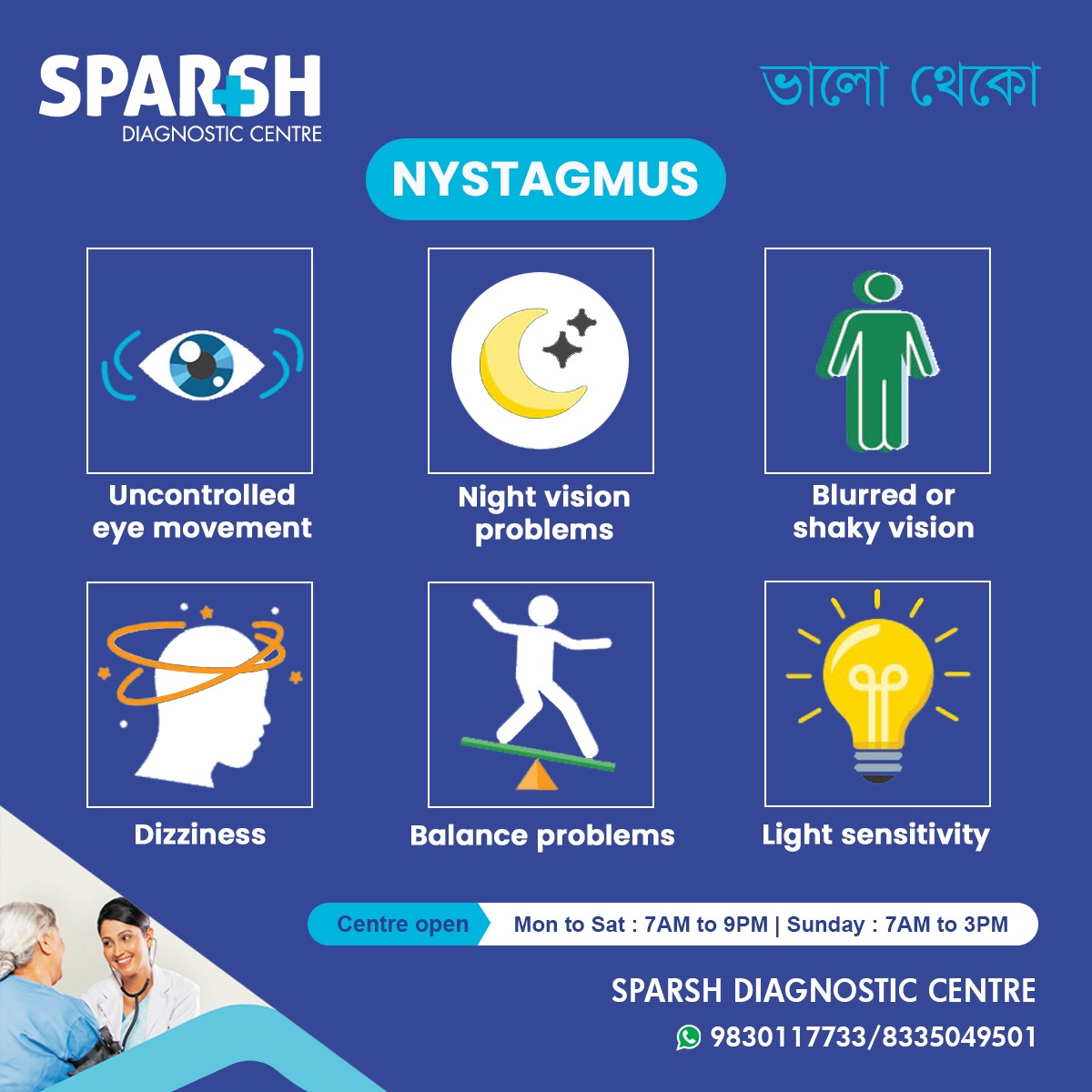
Common symptoms include:
- Uncontrolled eye movements
- Blurred vision
- Shaky or bouncing vision (oscillopsia)
- Difficulty focusing
- Poor night vision
- Light sensitivity
- Dizziness
- Balance problems
- Head tilting to find a clearer viewing angle
Some people also develop eye strain after prolonged reading or screen use.
What Causes Nystagmus?
Nystagmus occurs when the systems controlling eye movement fail to work together properly.
Possible causes include:
Eye Disorders
- Congenital cataracts
- Optic nerve hypoplasia
- Retinal degeneration
- Albinism
Neurological Disorders
- Multiple sclerosis
- Stroke
- Brain injury
- Cerebellar disorders
- Brain tumours
Inner Ear Conditions
The vestibular system controls both balance and eye movements.
Conditions include:
- Vestibular neuritis
- Labyrinthitis
- Ménière’s disease
Medications
Certain drugs can trigger nystagmus, including:
- Anti-seizure medicines
- Sedatives
- Lithium
- Some anaesthetic medications
Alcohol and Drug Use
Heavy alcohol consumption and recreational drugs may temporarily produce nystagmus.
Vitamin Deficiencies
Severe vitamin B1 (thiamine) deficiency, particularly in Wernicke encephalopathy, can cause nystagmus. Vitamin B12 deficiency may contribute to neurological problems that affect eye movement, although it is a less common direct cause.
Risk Factors
You may have a higher risk if you have:
- A family history of nystagmus
- Neurological disease
- Inner ear disorders
- Eye disorders from birth
- Previous stroke
- Head injury
- Chronic alcohol misuse
How Is Nystagmus Diagnosed?
Diagnosing nystagmus involves determining both the eye movements and the underlying cause.
Your doctor may recommend:
Eye Examination
An ophthalmologist evaluates:
- Visual acuity
- Eye alignment
- Eye movements
- Refraction (need for glasses)
Neurological Examination
A neurologist may assess:
- Balance
- Coordination
- Reflexes
- Cranial nerve function
Imaging
MRI or CT scans help identify:
- Stroke
- Brain tumours
- Multiple sclerosis
- Structural abnormalities
Vestibular Testing
Tests of the inner ear may be performed when dizziness accompanies nystagmus.
Eye Movement Recording
Special infrared cameras can accurately measure eye movement patterns.
Blood Tests
Blood investigations may identify:
- Vitamin deficiencies
- Autoimmune disorders
- Metabolic abnormalities
- Infections
Treatment for Nystagmus
Treatment depends on the underlying cause.
Corrective Glasses or Contact Lenses
Optimising vision can significantly improve daily functioning.
Medications
Certain medicines may reduce symptoms in selected patients, including:
- Gabapentin
- Memantine
- Baclofen
These medications are prescribed only after specialist evaluation.
Surgery
Some patients benefit from surgery on the eye muscles to reduce abnormal head posture and improve visual function.
Vestibular Rehabilitation
Patients with dizziness or balance problems may benefit from specialised physical therapy.
Treating the Underlying Condition
Management may include:
- Treating multiple sclerosis
- Managing inner ear disease
- Removing causative medications
- Correcting nutritional deficiencies
- Stroke treatment
Living with Nystagmus
Although nystagmus cannot always be cured, many people adapt extremely well.
Helpful strategies include:
- Wearing prescribed glasses
- Using magnifiers
- Increasing lighting for reading
- Taking frequent breaks during screen time
- Using larger fonts
- Positioning reading material at a comfortable angle
- Maintaining regular eye check-ups
Many individuals successfully attend school, work professionally, drive where legally permitted, and participate in sports.
Can Nystagmus Be Prevented?
Congenital nystagmus usually cannot be prevented.
However, acquired forms may be reduced by:
- Wearing helmets during high-risk activities
- Managing neurological disorders
- Treating ear infections promptly
- Avoiding excessive alcohol
- Taking medications only as prescribed
- Correcting vitamin deficiencies early
When Should You See a Doctor?
Seek medical attention if:
- Eye movements begin suddenly
- Vision becomes blurry without explanation
- You experience double vision
- Dizziness is severe
- Balance problems worsen
- You develop weakness, numbness, or difficulty speaking
- Symptoms follow a head injury
Sudden-onset nystagmus requires urgent medical evaluation because it may indicate stroke or another neurological emergency.
Prognosis
The outlook depends largely on the underlying cause.
Children with congenital nystagmus often adapt well over time. Adults with acquired nystagmus may improve once the underlying condition is treated, although some cases become chronic.
Early diagnosis offers the best opportunity to preserve vision and improve quality of life.
Frequently Asked Questions (FAQs)
1. What is the main cause of nystagmus?
The main cause depends on the type. Congenital nystagmus is usually linked to genetic or developmental eye conditions, while acquired nystagmus commonly results from neurological disorders, inner ear diseases, stroke, head injury, medication side effects, or alcohol use.
2. Can nystagmus be corrected?
In many cases, yes—but not always completely. Treatment focuses on improving vision, reducing eye movements, correcting abnormal head posture, and addressing the underlying cause. Glasses, medications, surgery, and vision therapy may help.
3. Why is nystagmus a red flag?
Sudden-onset nystagmus in adults can be a warning sign of serious neurological conditions such as stroke, multiple sclerosis, brain tumours, or brainstem disorders. It requires prompt medical evaluation.
4. What does nystagmus feel like?
Some people experience:
- Blurred vision
- A sensation that objects are moving or bouncing (oscillopsia)
- Difficulty focusing
- Dizziness
- Poor balance
- Eye strain
People born with nystagmus often do not perceive the environment as moving because their brains adapt early in life.
5. What vitamin deficiency causes nystagmus?
Severe vitamin B1 (thiamine) deficiency is the classic nutritional cause, particularly in Wernicke encephalopathy. Vitamin B12 deficiency can also contribute to neurological symptoms affecting eye movements.
6. Can you live a normal life with nystagmus?
Yes. Many people with nystagmus complete education, pursue successful careers, play sports, and enjoy fulfilling lives. Vision aids and appropriate treatment can make everyday activities much easier.
7. How serious is nystagmus?
The seriousness depends on its cause. Congenital nystagmus is often stable and manageable, whereas sudden acquired nystagmus may indicate a serious neurological problem requiring urgent treatment.
8. What famous people have nystagmus?
Several well-known individuals have publicly shared living with nystagmus, including Chris Stark (British broadcaster) and Liam O’Kane (musician). Their experiences demonstrate that the condition does not prevent people from achieving professional success.
9. What age does nystagmus go away?
Congenital nystagmus usually does not disappear completely. However, symptoms often become more stable as children grow older, and many individuals learn to compensate effectively.
10. How do people with nystagmus see?
Vision varies widely. Some people experience mild blurring, while others have significant visual impairment. Adults with acquired nystagmus may notice oscillopsia, where the environment appears to move or shake.
11. What is the end-stage nystagmus?
There is no recognised “end stage” of nystagmus. The condition may remain stable for many years. Outcomes depend on the progression of the underlying disease rather than the eye movements themselves.
12. Can stress cause nystagmus?
Stress does not usually cause nystagmus, but it can make existing symptoms more noticeable. Fatigue, anxiety, and poor sleep may increase the intensity of involuntary eye movements in some people.
13. How do you stop eye nystagmus?
Treatment depends on the cause and may include:
- Treating the underlying condition
- Glasses or contact lenses
- Medications
- Eye muscle surgery
- Vestibular rehabilitation
- Low-vision aids
There is no universal cure, but symptoms can often be significantly improved.
14. Why do I suddenly have nystagmus?
Sudden nystagmus may result from:
- Stroke
- Inner ear disorders
- Head injury
- Medication side effects
- Alcohol intoxication
- Neurological disease
Immediate medical assessment is recommended, especially if symptoms are accompanied by weakness, difficulty speaking, severe dizziness, or vision changes.
15. What is the new treatment for nystagmus?
Research is ongoing. Newer approaches include improved eye movement recording, refined eye muscle surgery techniques, specialised contact lenses for selected cases, pharmacological therapies, and experimental gene-based treatments for certain inherited conditions. These are not appropriate for every patient and are often available only in specialised centres or clinical trials.
16. How do you treat nystagmus naturally?
Natural approaches cannot cure nystagmus but may help reduce symptoms by:
- Getting adequate sleep
- Managing stress
- Limiting alcohol
- Eating a balanced diet
- Correcting nutritional deficiencies
- Using good lighting
- Taking regular visual breaks
Medical evaluation remains essential to identify the underlying cause.
17. How do you test for nystagmus?
Doctors diagnose nystagmus through:
- Comprehensive eye examination
- Observation of eye movements
- Neurological assessment
- MRI or CT scans when indicated
- Vestibular testing
- Infrared eye movement recording
- Blood tests for selected underlying conditions
18. Is nystagmus reversible?
Some cases are reversible if caused by treatable factors such as medication side effects, vitamin deficiencies, or certain inner ear disorders. Congenital nystagmus is generally not reversible, but its effects can often be managed successfully.
Final Thoughts
Nystagmus is more than just involuntary eye movement—it can affect vision, balance, and daily life. However, with timely diagnosis, appropriate treatment, and ongoing support, many people manage the condition effectively and maintain an excellent quality of life.
If you or a loved one develops sudden eye movements, blurred vision, or dizziness, don’t ignore the symptoms. Early evaluation can identify potentially serious underlying conditions and ensure the right treatment begins as soon as possible.
To consult a Doctor or get full body check-up done at Sparsh Diagnostic Centre, call our helpline numbers 9830117733/ 8335049501.
#BhaloTheko
Disclaimer:
No content on this site, regardless of date, should ever be used as a substitute for direct medical advice from your doctor or other qualified clinician.