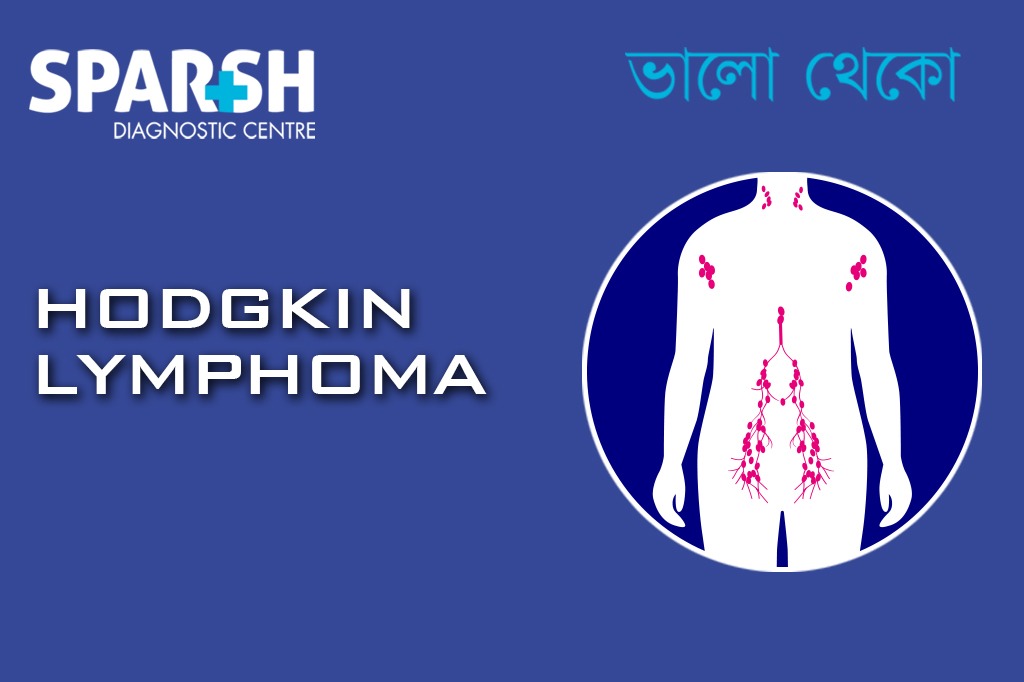
Hodgkin lymphoma is a type of cancer that develops in the lymphatic system, an important part of the body’s immune system. Although hearing the word “cancer” can be frightening, Hodgkin lymphoma is considered one of the most treatable forms of cancer, especially when diagnosed early.
This condition can affect people of all ages but is most commonly diagnosed in young adults between 15 and 35 years and adults over 55 years. Advances in medical treatments have significantly improved survival rates, allowing many people with Hodgkin lymphoma to live long and healthy lives after treatment.
Understanding the symptoms, causes, and available treatment options can help patients and families make informed decisions and seek timely medical care.
What Is Hodgkin Lymphoma?
Hodgkin lymphoma, also known as Hodgkin’s lymphoma, is a cancer that originates in the lymphatic system. The lymphatic system consists of lymph nodes, lymph vessels, bone marrow, spleen, and other organs that help fight infections.
The disease begins when certain white blood cells called lymphocytes grow abnormally and multiply uncontrollably. These abnormal cells can accumulate in lymph nodes and spread to other parts of the body.
One of the distinguishing features of Hodgkin lymphoma is the presence of large abnormal cells known as Reed-Sternberg cells, which can be identified under a microscope.
Is Hodgkin’s Lymphoma a Serious Cancer?
Yes, it is a serious form of cancer because it affects the immune system and can spread to various parts of the body if left untreated. However, it is important to understand that “serious” does not mean untreatable.
It is among the most curable types of cancer. With early diagnosis and appropriate treatment, many patients achieve complete remission and enjoy excellent long-term outcomes.
The seriousness of the condition depends on several factors, including:
- The stage of the cancer
- The patient’s age and overall health
- Presence of symptoms such as fever, weight loss, and night sweats
- Response to treatment
- Whether the cancer has spread beyond the lymph nodes
Early-stage Hodgkin lymphoma often has an excellent prognosis, while advanced stages may require more intensive treatment.
What Are the Causes of Hodgkin’s Lymphoma?
The exact cause of the cancer remains unknown. Researchers believe that it develops due to genetic changes or mutations in lymphocytes, causing them to grow abnormally.
Several factors may increase the risk of developing Hodgkin lymphoma.
Epstein-Barr Virus (EBV) Infection
People who have had infectious mononucleosis caused by the Epstein-Barr virus may have an increased risk of developing Hodgkin lymphoma.
Family History
Having a close relative with Hodgkin lymphoma may slightly increase your chances of developing the condition.
Weakened Immune System
Individuals with compromised immune systems due to conditions such as HIV infection or immunosuppressive medications may be at higher risk.
Age
Hodgkin lymphoma commonly occurs in:
- Young adults between 15 and 35 years
- Adults older than 55 years
Gender
Some types of Hodgkin lymphoma are slightly more common in males than females.
Previous Medical Conditions
Certain autoimmune diseases and immune-related disorders may modestly increase the risk.
Although these factors can raise the likelihood of developing Hodgkin lymphoma, many people diagnosed with the disease have no identifiable risk factors.
What Are the First Signs of Hodgkin’s Lymphoma?
The symptoms often develop gradually and can easily be mistaken for common illnesses.
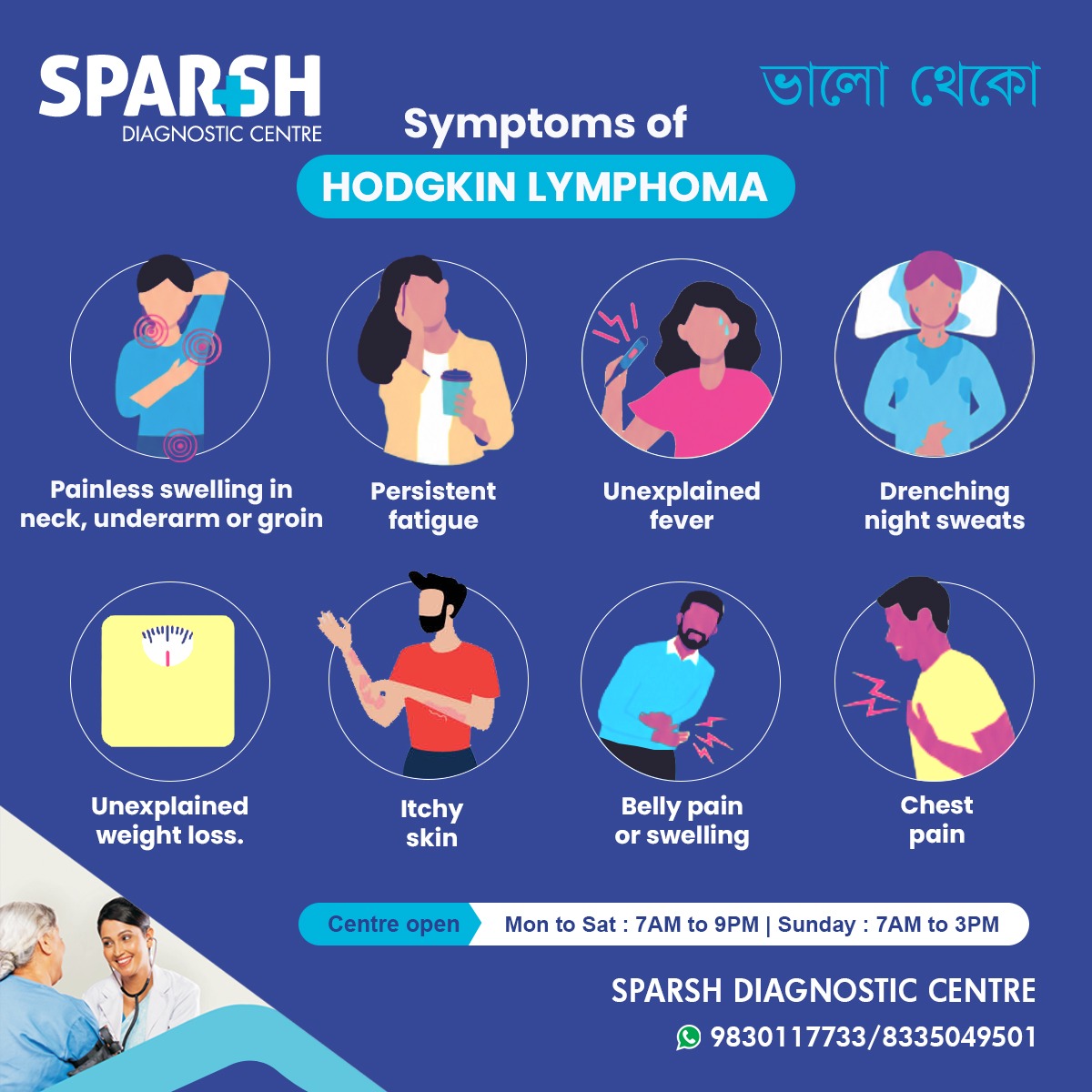
Painless Swollen Lymph Nodes
This is often the earliest and most common sign.
Swelling usually occurs in:
- Neck
- Underarms
- Groin
- Chest
Unlike infections, these swollen lymph nodes are typically painless and persist over time.
Persistent Fatigue
Many people experience ongoing tiredness that does not improve with rest.
Unexplained Fever
Recurring fever without any apparent infection may be an early sign of Hodgkin lymphoma.
Night Sweats
Excessive sweating during sleep, severe enough to soak clothing and bedding, is a classic symptom.
Unexplained Weight Loss
Losing more than 10% of body weight within six months without dieting or exercise can be concerning.
Itchy Skin
Persistent itching without a visible rash can occur in some individuals.
Chest Pain and Cough
When enlarged lymph nodes develop inside the chest, they may cause:
- Chest discomfort
- Persistent cough
- Shortness of breath
Abdominal Pain or Swelling
If the disease affects abdominal lymph nodes or organs like the spleen, it may cause:
- Stomach discomfort
- Feeling full quickly
- Bloating
- Abdominal swelling
Common Symptoms of Hodgkin Lymphoma
Some people may experience a combination of symptoms known as “B symptoms.” These symptoms often indicate a more active form of the disease.
The classic B symptoms include:
- Unexplained fever
- Drenching night sweats
- Significant weight loss
Other symptoms may include:
- Enlarged lymph nodes
- Persistent fatigue
- Loss of appetite
- Itchy skin
- Chest pain
- Shortness of breath
- Persistent cough
Because these symptoms can resemble other conditions, it is important to seek medical evaluation if they persist.
Types of Hodgkin Lymphoma
It is generally classified into two major categories.
Classical Hodgkin Lymphoma
This is the most common type and accounts for the majority of cases.
Subtypes include:
- Nodular sclerosis Hodgkin lymphoma
- Mixed cellularity Hodgkin lymphoma
- Lymphocyte-rich Hodgkin lymphoma
- Lymphocyte-depleted Hodgkin lymphoma
Nodular Lymphocyte-Predominant Hodgkin Lymphoma
This rare form behaves somewhat differently and often grows more slowly than classical Hodgkin lymphoma.
How Is Hodgkin Lymphoma Diagnosed?
Diagnosing it involves several tests and evaluations.
Medical History and Physical Examination
Your doctor will ask about:
- Symptoms
- Duration of illness
- Family history
- Previous infections
A physical examination is performed to check for enlarged lymph nodes and other abnormalities.
Blood Tests
Blood tests help evaluate:
- Blood cell counts
- Liver function
- Kidney function
- Signs of inflammation
Imaging Studies
Imaging tests may include:
These scans help determine the location and extent of the disease.
Lymph Node Biopsy
A biopsy is the definitive test for diagnosing Hodgkin lymphoma.
During this procedure, part or all of an enlarged lymph node is removed and examined under a microscope for Reed-Sternberg cells.
Bone Marrow Examination
In some cases, doctors may perform a bone marrow biopsy to determine whether the disease has spread.
Stages of Hodgkin Lymphoma
Staging describes how far the cancer has spread.
Stage I
Cancer is found in one lymph node region or one organ.
Stage II
Cancer affects two or more lymph node regions on the same side of the diaphragm.
Stage III
Cancer involves lymph nodes on both sides of the diaphragm.
Stage IV
Cancer has spread to organs outside the lymphatic system, such as:
- Liver
- Lungs
- Bone marrow
Staging plays a crucial role in determining treatment and predicting outcomes.
Treatment Options for Hodgkin Lymphoma
Treatment depends on the stage, type of Hodgkin lymphoma, age, and overall health.
Chemotherapy
Chemotherapy uses medications to destroy cancer cells.
It is often the primary treatment for Hodgkin lymphoma and may involve multiple cycles over several months.
Radiation Therapy
Radiation uses high-energy beams to target and destroy cancer cells.
It is commonly used for early-stage disease or alongside chemotherapy.
Targeted Therapy
Certain medications specifically target abnormal proteins found on lymphoma cells while minimizing damage to healthy tissues.
Immunotherapy
Immunotherapy helps the body’s immune system identify and attack cancer cells.
This treatment may be particularly useful in recurrent or difficult-to-treat cases.
Stem Cell Transplant
A stem cell transplant may be recommended if Hodgkin lymphoma returns after initial treatment.
This procedure involves replacing damaged bone marrow with healthy stem cells.
What Is the Survival Rate for People with Hodgkin’s Lymphoma?
The survival outlook for Hodgkin lymphoma has improved dramatically over the past few decades.
The overall five-year survival rate is approximately 85% to 90%, making it one of the most treatable cancers.
Survival rates vary according to the stage:
- Early-stage disease often has a five-year survival rate exceeding 90%.
- Advanced-stage disease still has excellent outcomes, with many patients achieving long-term remission.
- Younger patients and those who respond well to treatment generally have better prognoses.
It is important to remember that survival statistics are averages and cannot predict individual outcomes. Many people with Hodgkin lymphoma live long, productive lives after successful treatment.
Can Hodgkin Lymphoma Come Back?
Yes, Hodgkin lymphoma can recur in some patients. Recurrence may happen months or even years after treatment.
Regular follow-up appointments help detect recurrence early.
Signs of relapse may include:
- New swollen lymph nodes
- Persistent fatigue
- Unexplained fever
- Night sweats
- Weight loss
Even when Hodgkin lymphoma returns, effective treatment options remain available.
Living With Hodgkin Lymphoma
Receiving a diagnosis of Hodgkin lymphoma can be emotionally challenging. However, modern treatments have transformed the outlook for this disease.
Patients can improve their quality of life by:
- Attending regular follow-up visits
- Maintaining a nutritious diet
- Staying physically active as tolerated
- Getting adequate rest
- Seeking emotional support from family and support groups
- Discussing concerns openly with healthcare providers
Many survivors go on to lead active and fulfilling lives after treatment.
When Should You See a Doctor?
Consult a healthcare professional if you experience:
- Painless swelling in the neck, underarms, or groin
- Persistent fatigue
- Recurrent fever
- Drenching night sweats
- Unexplained weight loss
- Persistent cough or chest pain
- Ongoing itching without an obvious cause
Early diagnosis and prompt treatment significantly improve outcomes.
Hodgkin lymphoma is a cancer of the lymphatic system that most commonly presents with painless swollen lymph nodes, persistent fatigue, unexplained fever, night sweats, and weight loss. Although it is a serious illness, it is also one of the most treatable forms of cancer. Advances in chemotherapy, radiation therapy, targeted therapy, and immunotherapy have resulted in excellent survival rates for many patients.
Recognizing the early warning signs and seeking medical attention promptly can make a significant difference in treatment success and long-term health outcomes.
Frequently Asked Questions (FAQs)
1. Is it a serious cancer?
Yes. Hodgkin lymphoma is a serious cancer because it affects the immune system and can spread if untreated. However, it is also one of the most curable cancers, with excellent outcomes when diagnosed early and treated appropriately.
2. What are the causes of Hodgkin’s lymphoma?
The exact cause is unknown. Possible risk factors include Epstein-Barr virus infection, family history, weakened immunity, age, and certain immune-related conditions.
3. What are the first signs of Hodgkin’s lymphoma?
The first signs commonly include painless swollen lymph nodes, persistent fatigue, unexplained fever, drenching night sweats, unexplained weight loss, itchy skin, and chest discomfort.
4. What is the survival rate?
The overall five-year survival rate is approximately 85% to 90%. Early diagnosis and modern treatment methods have greatly improved outcomes, and many patients achieve long-term remission.
5. Is it curable?
Yes. Hodgkin lymphoma is highly treatable and often curable, particularly when diagnosed in its early stages.
6. Does it always cause pain?
No. The swollen lymph nodes associated with Hodgkin lymphoma are usually painless.
7. Can young adults get Hodgkin lymphoma?
Yes. Hodgkin lymphoma commonly affects people between 15 and 35 years of age, although it can occur at any age.
8. What tests confirm it?
Diagnosis usually involves a physical examination, blood tests, imaging scans, and a lymph node biopsy, which confirms the presence of Reed-Sternberg cells.
To consult a Doctor or get full body check-up done at Sparsh Diagnostic Centre, call our helpline numbers 9830117733/ 8335049501.
#BhaloTheko
Disclaimer:
No content on this site, regardless of date, should ever be used as a substitute for direct medical advice from your doctor or other qualified clinician.