Thyroid storm is a severe, acute, and potentially fatal complication of hyperthyroidism in which the body is exposed to extremely high levels of thyroid hormones. It represents the most extreme form of thyrotoxicosis and requires immediate medical intervention.
Although rare, thyroid storm carries a high mortality rate if untreated, making early recognition and rapid treatment crucial. It often occurs in people who already have undiagnosed or poorly controlled hyperthyroidism, especially Graves’ disease.
In thyroid storm, the body’s metabolism becomes dangerously accelerated, overwhelming multiple organ systems, including the heart, brain, liver, and lungs.
Why is Thyroid Storm considered a medical emergency?
Thyroid hormones regulate essential functions such as heart rate, body temperature, and energy metabolism. During a storm:
Heart rate may become dangerously fast or irregular
Body temperature can rise to life-threatening levels
The brain may be affected, leading to confusion, delirium, or coma
Cardiac failure and shock can occur
Without urgent treatment in an intensive care setting, thyroid storm can quickly become fatal.
Causes of Thyroid Storm
It usually develops in people with existing hyperthyroidism, triggered by a stressful event that overwhelms the body.
Common Underlying Conditions
Toxic multinodular goiter
Toxic thyroid adenoma
Untreated or inadequately treated hyperthyroidism
Common Triggers
Surgery, especially thyroid surgery
Trauma or accidents
Childbirth
Sudden withdrawal of antithyroid medications
Excess iodine exposure (contrast dyes, certain medications)
Symptoms of Thyroid Storm
Symptoms are sudden, severe, and rapidly progressive, affecting multiple systems at once.
1. High Fever
Body temperature may exceed 104°F (40°C)
Often resistant to standard fever-reducing medications
2. Cardiovascular Symptoms
High blood pressure initially, followed by shock
3. Neurological and Psychiatric Symptoms
Severe agitation and anxiety
Delirium or psychosis
Confusion and disorientation
Loss of consciousness or coma
4. Gastrointestinal Symptoms
Liver dysfunction and jaundice
5. Other Symptoms
Profuse sweating
Severe weakness and muscle wasting
Shortness of breath
Extreme restlessness

How does Thyroid Storm affect the Body
Thyroid storm causes a hypermetabolic state, meaning the body’s systems operate at dangerously high speeds.
Heart: Increased oxygen demand leads to arrhythmias and heart failure
Brain: Reduced oxygen delivery causes delirium and coma
Liver: Metabolic overload leads to liver dysfunction
Muscles: Rapid protein breakdown causes extreme weakness
The combination of these effects can result in multi-organ failure.
Diagnosis of Thyroid Storm
It is primarily a clinical diagnosis, meaning doctors rely heavily on symptoms rather than lab tests alone.
Clinical Evaluation
Physicians assess:
Vital signs (temperature, heart rate, blood pressure)
Neurological status
Cardiac function
History of hyperthyroidism and recent triggers
Burch–Wartofsky Point Scale
This scoring system helps determine the likelihood of thyroid storm based on:
Fever severity
Heart rate
Central nervous system symptoms
Gastrointestinal involvement
Precipitating events
Laboratory Tests
While treatment should not be delayed, tests may include:
Thyroid function tests (very high T3 and T4, suppressed TSH)
Electrolytes
Blood glucose
Cardiac markers
Treatment of Thyroid Storm
Treatment must begin immediately in a hospital or ICU setting. The goals are to block hormone production, reduce hormone release, control symptoms, and treat triggers.
1. Antithyroid Medications
Propylthiouracil (PTU) or Methimazole
PTU is often preferred initially as it also blocks peripheral conversion of T4 to T3
2. Beta-Blockers
Propranolol or similar drugs
Reduce heart rate, blood pressure, and tremors
3. Iodine Therapy
Administered after antithyroid drugs
Prevents further release of thyroid hormones
4. Corticosteroids
Reduce inflammation
Protect against adrenal insufficiency
Decrease conversion of T4 to T3
5. Supportive Care
Cooling blankets for fever
Intravenous fluids
Oxygen therapy
Treatment of infections or other triggers
Can Thyroid Storm Be Prevented?
Yes, in most cases thyroid storm is preventable with proper management.
Preventive Measures
Early diagnosis and treatment of hyperthyroidism
Strict adherence to prescribed antithyroid medications
Regular thyroid function monitoring
Careful preparation before surgery
Prompt treatment of infections
Avoiding unnecessary iodine exposure
Patients with known thyroid disease should always inform healthcare providers before surgeries or imaging procedures.
Prognosis and Recovery
With early recognition and aggressive treatment, survival rates have improved significantly. However:
Recovery may take weeks
Some patients develop long-term cardiac complications
Untreated thyroid storm remains highly fatal
Ongoing endocrine follow-up is essential after recovery.
When to Seek Emergency Care
Seek immediate medical attention if a person with known or suspected hyperthyroidism experiences:
High fever with rapid heartbeat
Sudden confusion or agitation
Chest pain or shortness of breath
Fainting or loss of consciousness
Early action can be life-saving.
Frequently Asked Questions (FAQ)
Is it the same as hyperthyroidism?
No. Thyroid storm is a severe, life-threatening complication of hyperthyroidism, not the same condition.
How common is it?
It is rare, occurring in a small percentage of people with untreated or poorly controlled hyperthyroidism.
Can thyroid storm occur suddenly?
Yes. Symptoms can worsen rapidly over hours to days, often triggered by stress, infection, or surgery.
Who is at the highest risk?
People with Graves’ disease, untreated hyperthyroidism, or those who stop medications suddenly are at higher risk.
Can it be fatal?
Yes. Without prompt treatment, it can lead to heart failure, coma, and death.
How is it different from thyroid crisis?
They are the same condition. “Thyroid crisis” is another term used for thyroid storm.
Can children develop thyroid storm?
Yes, though it is rare. Children with uncontrolled hyperthyroidism can develop thyroid storm.
How long does treatment take?
Acute management may take several days in the ICU, followed by long-term thyroid management.
Thyroid storm is a rare but devastating endocrine emergency that demands immediate medical attention. Recognizing early symptoms, managing hyperthyroidism properly, and seeking prompt care during illness or stress can significantly reduce risk.
Awareness among patients and caregivers plays a crucial role in preventing life-threatening complications and ensuring timely intervention.
#BhaloTheko
Disclaimer:
No content on this site, regardless of date, should ever be used as a substitute for direct medical advice from your doctor or other qualified clinician.
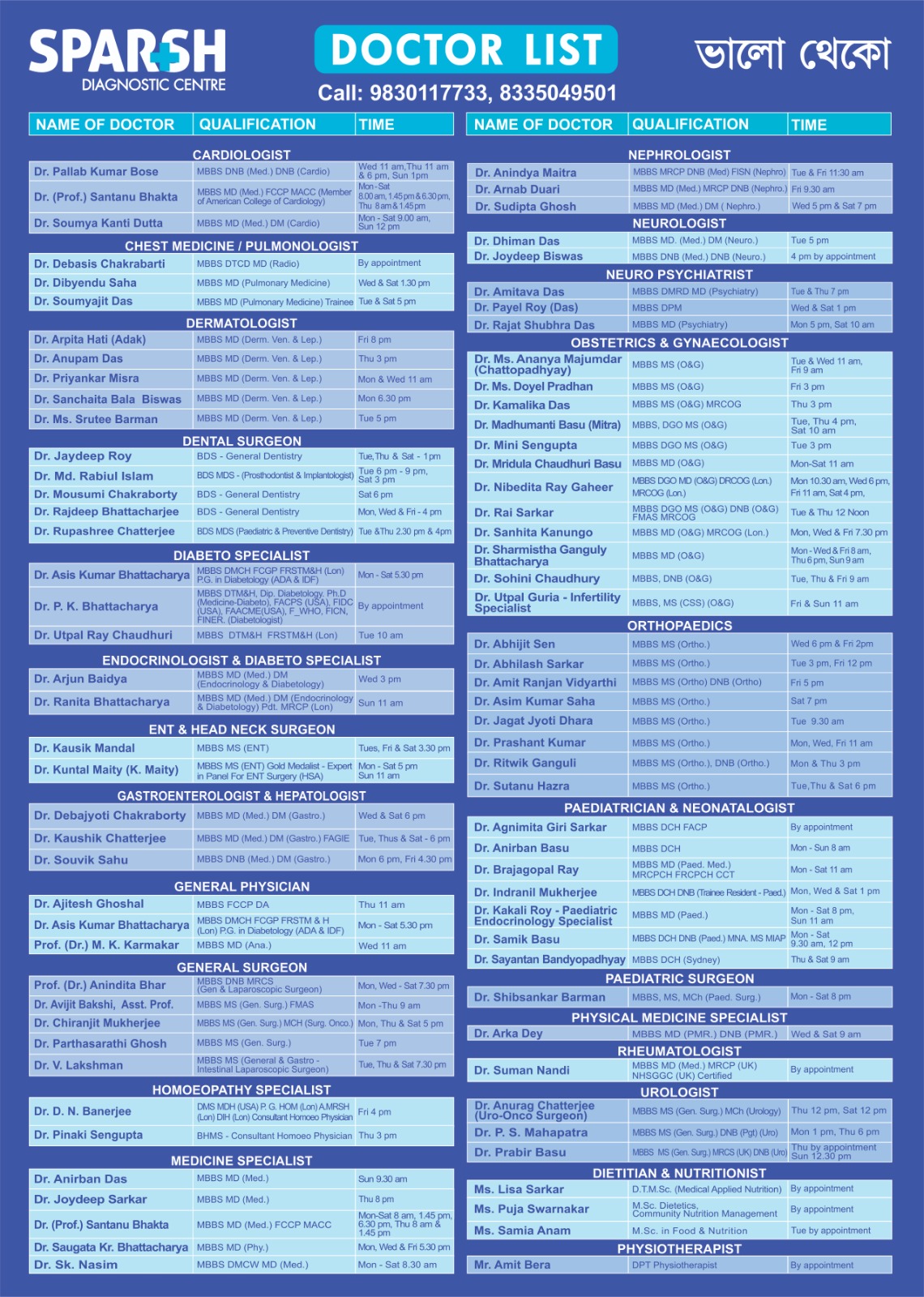
Sparsh Doctor List