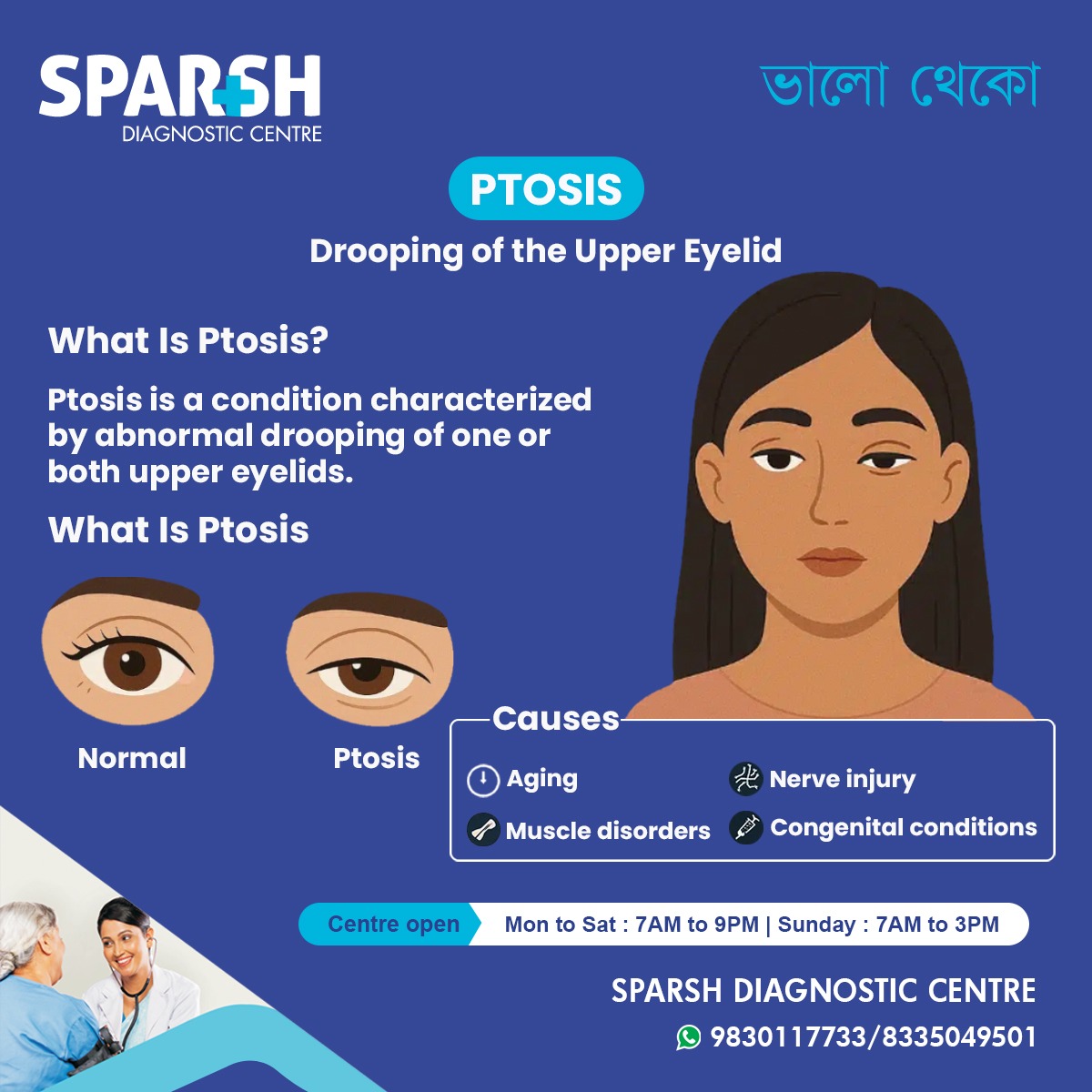
Ptosis, commonly known as a drooping eyelid, is a condition in which the upper eyelid falls lower than its normal position. It can affect one eye (unilateral) or both eyes (bilateral). While some people are born with ptosis, others develop it later in life due to aging, nerve problems, muscle disorders, injury, or underlying medical conditions.
For some individuals, ptosis is primarily a cosmetic concern. For others, it can interfere with vision, daily activities, and overall quality of life. Understanding the causes, symptoms, and treatment options for ptosis is important for early diagnosis and effective management.
In this comprehensive guide, we’ll explore everything you need to know about ptosis, including its causes, risk factors, diagnosis, treatment options, and preventive measures.
What Is Ptosis?
Ptosis (pronounced TOE-sis) refers to the abnormal drooping of the upper eyelid. The condition occurs when the muscle responsible for lifting the eyelid, known as the levator muscle, becomes weakened, stretched, damaged, or fails to develop properly.
The severity can vary significantly. In mild cases, the eyelid may droop only slightly. In severe cases, the eyelid may cover part or all of the pupil, affecting vision.
Ptosis can occur at any age, from infancy to old age. It may develop gradually or appear suddenly, depending on the underlying cause.
How does the Eyelid normally function?
The upper eyelid is primarily lifted by the levator palpebrae superioris muscle. This muscle receives signals from nerves that tell it when to contract and raise the eyelid.
Any problem involving:
- The eyelid muscles
- The nerves controlling those muscles
- The connective tissues supporting the eyelid
- The brain’s control of eyelid movement
can lead to ptosis.
Types of Ptosis
It can be categorized into several types based on its cause.
Congenital
Congenital ptosis is present at birth. It usually occurs because the levator muscle does not develop properly during fetal growth.
Children with congenital ptosis may:
- Have one drooping eyelid
- Tilt their head backward to see better
- Raise their eyebrows frequently
- Develop vision problems if untreated
Early diagnosis is important because severe congenital ptosis can interfere with visual development.
Acquired
Acquired ptosis develops later in life and is more common than congenital ptosis.
Common forms include:
Aponeurotic
This is the most common type in adults and is usually related to aging. Over time, the tendon-like structure that connects the levator muscle to the eyelid stretches or weakens.
Neurogenic
This type occurs due to nerve dysfunction affecting eyelid movement.
Myogenic
Myogenic ptosis results from muscle disorders that weaken the eyelid muscles.
Mechanical
Mechanical ptosis occurs when something physically weighs down the eyelid.
Traumatic
This type develops following injury or surgery affecting the eyelid, muscles, or nerves.
Causes of Ptosis
Several conditions can lead to the condition.
Aging
Aging is one of the most common causes of adult ptosis. As tissues lose elasticity, the levator muscle tendon may stretch, causing the eyelid to droop.
Congenital Muscle Defects
Some babies are born with poorly developed eyelid muscles that cannot adequately lift the eyelid.
Nerve Damage
Nerves play a crucial role in eyelid movement. Conditions that affect these nerves can cause ptosis.
Examples include:
- Third cranial nerve palsy
- Diabetic neuropathy
- Stroke
- Brain tumors
- Multiple sclerosis
Myasthenia Gravis
Myasthenia gravis is an autoimmune disorder that causes muscle weakness. Ptosis is often one of the earliest symptoms.
The eyelid drooping may worsen throughout the day as muscles become fatigued.
Horner Syndrome
Horner syndrome results from damage to the sympathetic nerves controlling the eye and eyelid.
Symptoms often include:
- Mild ptosis
- Small pupil
- Reduced facial sweating
Eye Injuries
Trauma to the eye or eyelid can damage muscles or nerves responsible for lifting the eyelid.
Eyelid Tumors or Growths
Benign or malignant growths can weigh down the eyelid and cause mechanical ptosis.
Previous Eye Surgery
Certain eye surgeries, including cataract surgery, may occasionally lead to temporary or permanent ptosis.
Risk Factors for Ptosis
Several factors increase the likelihood of developing the condition:
- Advanced age
- Family history of ptosis
- Diabetes
- Neurological disorders
- Autoimmune diseases
- Previous eye surgery
- Eye injuries
- Chronic contact lens use
- Muscle disorders
Symptoms of Ptosis
The most noticeable symptom is drooping of the upper eyelid.
Additional symptoms may include:
- Partial blockage of vision
- Difficulty keeping eyes open
- Eye strain
- Forehead fatigue from constantly raising eyebrows
- Frequent blinking
- Head tilting backward
- Double vision in some neurological conditions
- Uneven appearance of the eyes
Symptoms can range from mild to severe depending on the underlying cause.
Ptosis in Children
Ptosis in children requires special attention because it can affect visual development.
Potential complications include:
Amblyopia (Lazy Eye)
If the eyelid blocks vision, the brain may stop using visual input from the affected eye, resulting in amblyopia.
Astigmatism
Pressure from a drooping eyelid can alter the shape of the cornea and contribute to astigmatism.
Delayed Visual Development
Untreated ptosis may interfere with normal vision development during childhood.
Parents should seek evaluation if they notice a child’s eyelid drooping persistently.
When is it a Medical Emergency?
Although many cases are harmless, sudden-onset ptosis can sometimes signal a serious medical problem.
Seek immediate medical attention if ptosis occurs alongside:
- Sudden vision loss
- Severe headache
- Facial weakness
- Difficulty speaking
- Double vision
- Numbness
- Loss of balance
These symptoms may indicate a stroke, aneurysm, or other neurological emergency.
How is Ptosis Diagnosed?
Diagnosis typically begins with a comprehensive eye examination.
An ophthalmologist or eye specialist may perform:
Medical History Review
The doctor will ask about:
- When symptoms began
- Whether the condition is worsening
- Previous injuries
- Existing medical conditions
- Family history
Physical Examination
The eyelids, eye movements, and facial muscles are carefully evaluated.
Vision Testing
Visual acuity tests help determine whether ptosis is affecting sight.
Eyelid Measurements
Doctors measure:
- Eyelid height
- Levator muscle function
- Margin reflex distance
Neurological Assessment
If nerve-related causes are suspected, additional neurological tests may be required.
Imaging Studies
In some cases, imaging may include:
These help identify tumors, nerve abnormalities, or structural issues.
Blood Tests
Blood tests may help diagnose conditions such as myasthenia gravis.
Treatment for Ptosis
Treatment depends on the severity and underlying cause.
Observation
Mild ptosis that does not affect vision may simply be monitored.
Regular follow-up appointments help ensure the condition does not worsen.
Treating Underlying Conditions
Managing the root cause often improves ptosis.
Examples include:
- Treating myasthenia gravis
- Managing diabetes
- Addressing nerve disorders
- Removing tumors
Eyeglasses with Ptosis Crutches
Specialized glasses can include a support device called a ptosis crutch that helps hold the eyelid up.
These are generally used when surgery is not suitable.
Ptosis Surgery
Surgery is the most effective treatment for significant ptosis.
Common surgical procedures include:
Levator Advancement
The surgeon tightens or reattaches the levator muscle to improve eyelid position.
Levator Resection
Part of the levator muscle is shortened to increase lifting ability.
Frontalis Sling Procedure
In severe cases, the eyelid is connected to the forehead muscle, allowing the forehead muscles to help raise the eyelid.
This procedure is often used in children with poor levator muscle function.
Recovery After Ptosis Surgery
Recovery is generally straightforward.
Patients may experience:
- Mild swelling
- Bruising
- Temporary discomfort
- Dry eyes
Most people return to normal activities within a few days to weeks.
Postoperative instructions may include:
- Using prescribed eye drops
- Avoiding strenuous activity
- Keeping the surgical area clean
- Attending follow-up visits
Full healing can take several weeks.
Potential Complications of Untreated Ptosis
Ignoring significant ptosis can lead to various problems.
These may include:
Vision Impairment
A drooping eyelid can obstruct the visual field.
Chronic Eye Strain
Constant effort to keep the eyes open can cause fatigue and discomfort.
Neck and Forehead Pain
Compensatory head positioning may result in muscle strain.
Reduced Self-Confidence
Some individuals experience emotional distress due to changes in facial appearance.
Childhood Vision Problems
Children face a higher risk of amblyopia and developmental vision issues.
Can Ptosis Be Prevented?
Not all forms of ptosis are preventable, especially congenital cases and those associated with aging.
However, certain steps may reduce risk:
- Protect eyes from injury
- Manage diabetes effectively
- Seek prompt treatment for neurological disorders
- Attend regular eye examinations
- Follow postoperative eye care instructions carefully
Early diagnosis remains the best strategy for preventing complications.
Living With Ptosis
Many people with ptosis lead completely normal lives. Successful treatment often restores both appearance and visual function.
If you notice persistent eyelid drooping, especially if it develops suddenly or worsens over time, consult an eye specialist. Early evaluation can identify serious underlying conditions and improve treatment outcomes.
When Should You Visit a Doctor?
If you are experiencing symptoms such as:
- Drooping eyelids
- Blurred vision
- Double vision
- Eye strain
- Persistent headaches related to vision
your doctor may recommend diagnostic investigations to determine the cause.
Advanced diagnostic services such as neurological imaging, blood tests, and specialist eye evaluations can help identify underlying conditions responsible for ptosis and guide appropriate treatment.
Frequently Asked Questions (FAQs)
1. Is ptosis serious?
Ptosis itself is not always serious, but it can sometimes indicate an underlying neurological or muscular disorder. Sudden ptosis should always be evaluated by a healthcare professional.
2. Can ptosis go away on its own?
Some temporary cases caused by inflammation or minor injury may improve. However, most forms of ptosis require medical evaluation and may need treatment.
3. Is ptosis hereditary?
Congenital ptosis can sometimes run in families, although many cases occur without a clear genetic link.
4. Can ptosis affect vision?
Yes. Severe ptosis may partially or completely block the pupil, leading to reduced vision and visual field impairment.
5. What is the best treatment for ptosis?
Treatment depends on the cause. Surgery is generally considered the most effective treatment for moderate to severe ptosis.
6. Is ptosis surgery safe?
Ptosis surgery is commonly performed and generally safe when carried out by an experienced ophthalmic surgeon.
7. Can children develop ptosis?
Yes. Some children are born with ptosis, while others may develop it due to neurological or muscular conditions.
8. Does ptosis worsen with age?
Age-related ptosis often progresses gradually as tissues and muscles weaken over time.
9. Can contact lenses cause ptosis?
Long-term use of contact lenses, particularly hard lenses, may contribute to stretching of eyelid tissues and increase the risk of ptosis.
10. When should I seek emergency care for ptosis?
Seek urgent medical attention if ptosis develops suddenly, especially when accompanied by headache, double vision, weakness, facial drooping, or speech difficulties.
To consult a Doctor or get full body check-up done at Sparsh Diagnostic Centre, call our helpline numbers 9830117733/ 8335049501.
#BhaloTheko
Disclaimer:
No content on this site, regardless of date, should ever be used as a substitute for direct medical advice from your doctor or other qualified clinician.