Your voice plays a vital role in daily communication. From casual conversations to professional interactions, we rely on our voices more than we often realize. When something disrupts the normal function of the voice, speaking can become difficult, uncomfortable, or even impossible. One such condition is dysphonia, a common voice disorder that affects millions of people worldwide.
Dysphonia can range from mild hoarseness to severe voice changes that significantly impact communication. While it is often temporary, persistent voice changes may signal an underlying medical issue that requires attention.
In this comprehensive guide, we’ll explore what dysphonia is, its causes, symptoms, diagnosis, treatment options, and how you can protect your voice health.
What is Dysphonia?
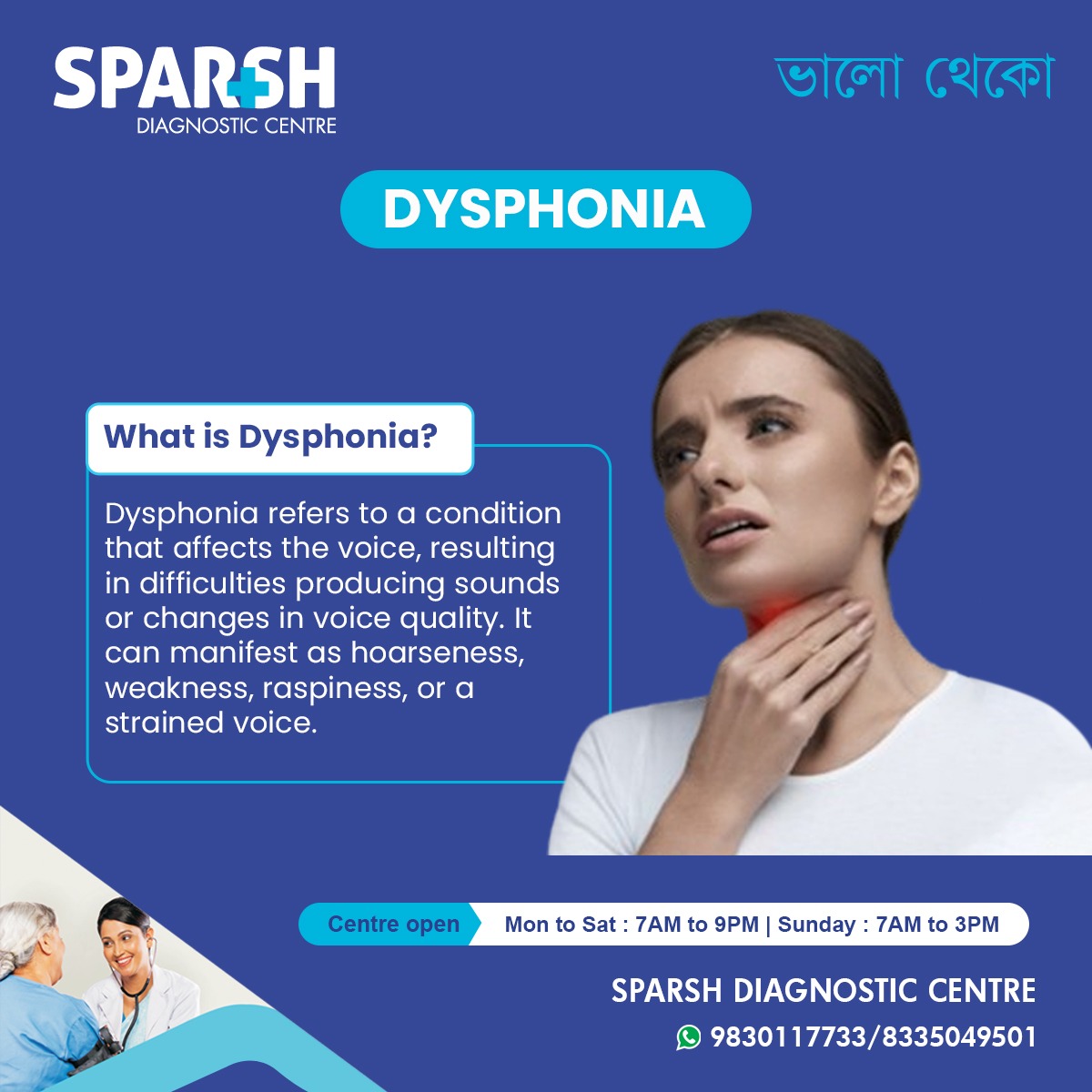
Dysphonia refers to any disorder that affects the quality, pitch, loudness, or effort of the voice. In simple terms, it means that the voice does not sound normal or function properly.
People with dysphonia may experience:
Hoarseness
Weak or breathy voice
Rough or raspy voice
Strained or tight voice
Sudden changes in pitch
Difficulty speaking loudly
These symptoms occur when the vocal cords (also called vocal folds) in the voice box (larynx) cannot vibrate normally to produce sound.
Dysphonia can affect anyone—from children to older adults—and may occur temporarily after a cold or develop gradually due to long-term voice strain or medical conditions.
How the Voice Normally Works
To understand dysphonia, it helps to know how the voice is produced.
The voice is created through a coordinated process involving:
Lungs – provide airflow
Vocal cords – vibrate to produce sound
Throat, mouth, and nose – shape the sound into speech
When air from the lungs passes through the vocal cords, they vibrate rapidly to create sound waves. These sounds are then modified by the tongue, lips, and mouth to produce speech.
If the vocal cords become inflamed, irritated, injured, or unable to move properly, the sound becomes distorted—leading to dysphonia.
Types of Dysphonia
Dysphonia is not a single condition. Instead, it includes several types depending on the underlying cause.
1. Functional Dysphonia
Functional dysphonia occurs when the voice is used improperly without structural damage to the vocal cords.
Common causes include:
Excessive shouting
Poor speaking technique
Stress or tension
Overuse of the voice
Teachers, singers, public speakers, and call-center workers often experience this type.
2. Organic Dysphonia
Organic dysphonia results from physical changes in the vocal cords or larynx.
Examples include:
Vocal cord nodules
Polyps
Cysts
Inflammation
Tumors
These structural abnormalities interfere with normal vocal cord vibration.
3. Neurological Dysphonia
Neurological dysphonia occurs when nerve signals controlling the vocal cords are disrupted.
Conditions that may cause it include:
Vocal cord paralysis
Spasmodic dysphonia
In such cases, the muscles responsible for voice production cannot function properly.
Common Causes of Dysphonia
Dysphonia can develop for many reasons. Some causes are temporary, while others require medical treatment.
1. Voice Overuse or Misuse
One of the most common causes is excessive voice use, including:
Shouting
Singing loudly
Talking for long periods
Speaking in noisy environments
Over time, this can strain the vocal cords.
2. Infections
Upper respiratory infections can inflame the vocal cords, including:
Sinus infections
These infections often cause temporary hoarseness.
3. Acid Reflux
Gastroesophageal reflux disease (GERD) allows stomach acid to flow into the throat and irritate the vocal cords.
This condition is sometimes called laryngopharyngeal reflux (LPR) when it affects the voice box.
4. Smoking
Smoking is highly damaging to the vocal cords.
It can cause:
Chronic irritation
Swelling
Increased risk of throat cancer
Long-term voice changes
5. Allergies
Allergic reactions can lead to inflammation in the throat, resulting in voice changes and discomfort.
6. Vocal Cord Lesions
Repeated strain may cause growths such as:
Nodules
Polyps
Cysts
These growths prevent smooth vocal cord vibration.
7. Neurological Disorders
Damage to nerves controlling the vocal cords can affect voice production.
Examples include:
Stroke
Brain injury
Parkinson’s disease
8. Aging
As people age, the vocal cords lose muscle tone and elasticity. This natural process can cause a weaker or breathier voice.
Symptoms of Dysphonia
The symptoms of dysphonia vary depending on the cause and severity.
Common symptoms include:
Hoarseness
Rough or raspy voice
Weak voice
Voice fatigue
Difficulty projecting the voice
Pain or discomfort while speaking
Frequent throat clearing
Loss of voice
Some individuals may also feel a lump or tightness in the throat when speaking.
If these symptoms last longer than two to three weeks, medical evaluation is recommended.
Risk Factors
Certain factors increase the likelihood of developing dysphonia.
These include:
Professional voice use (teachers, singers, actors)
Smoking or tobacco use
Acid reflux
Chronic coughing
Poor vocal technique
Stress and anxiety
Respiratory infections
People who rely heavily on their voices for work are especially vulnerable.
How is Dysphonia Diagnosed
A healthcare professional will typically evaluate dysphonia through a combination of medical history and physical examination.
Medical History
The doctor may ask questions such as:
How long has the voice problem lasted?
Did it start suddenly or gradually?
Do you use your voice heavily for work?
Do you smoke or have acid reflux?
Laryngoscopy
One of the most important diagnostic tools is laryngoscopy, a procedure that allows doctors to examine the vocal cords.
A small camera is inserted through the nose or mouth to visualize the larynx.
This helps identify:
Vocal cord swelling
Nodules or polyps
Vocal cord paralysis
Signs of infection or tumors
Voice Analysis
Speech-language pathologists may conduct voice tests to evaluate:
Pitch
Volume
Vocal quality
Breathing patterns
These tests help determine the severity and type of dysphonia.
Treatment Options for Dysphonia
Treatment depends on the underlying cause.
Many cases improve with simple voice care, while others require specialized treatment.
1. Voice Rest
For mild cases caused by overuse or infection, voice rest is often recommended.
This means:
Avoiding excessive talking
Not whispering
Limiting shouting or singing
Giving the vocal cords time to recover can significantly improve symptoms.
2. Hydration
Drinking plenty of water helps keep the vocal cords moist and flexible.
Dry vocal cords are more prone to irritation and injury.
3. Voice Therapy
Speech-language therapists often provide voice therapy for individuals with dysphonia.
Voice therapy focuses on:
Proper breathing techniques
Healthy voice use
Reducing vocal strain
Strengthening vocal cord function
This approach is especially helpful for teachers, singers, and public speakers.
4. Medications
If dysphonia is caused by underlying conditions, medications may help.
Examples include:
Anti-reflux medications for GERD
Antihistamines for allergies
Antibiotics for bacterial infections
Anti-inflammatory drugs
Treatment of the underlying issue usually improves voice symptoms.
5. Surgery
In some cases, surgery may be necessary to remove growths or repair damaged vocal cords.
Common surgical procedures include:
Removal of vocal cord nodules
Removal of polyps or cysts
Vocal cord injection procedures
Laryngeal surgery
These procedures are typically performed by an ear, nose, and throat (ENT) specialist.
Lifestyle Tips to Protect Your Voice
Maintaining good vocal health can reduce the risk of dysphonia.
Here are some helpful tips:
Stay Hydrated
Drink at least 6–8 glasses of water daily to keep vocal cords lubricated.
Avoid Smoking
Smoking irritates and damages the delicate tissues of the throat.
Quitting smoking significantly improves voice health.
Limit Caffeine and Alcohol
Both caffeine and alcohol can dehydrate the vocal cords.
Moderation is key.
Warm Up Your Voice
Just like muscles, the voice benefits from warm-up exercises before heavy use.
Singers and speakers often perform vocal warm-ups before performances.
Avoid Shouting
Try to avoid yelling, especially in noisy environments.
Using amplification devices when speaking to large groups can reduce strain.
Manage Acid Reflux
Lifestyle changes such as:
Avoiding spicy foods
Not lying down immediately after eating
Maintaining a healthy weight
can help prevent reflux-related voice problems.
When to See a Doctor
While occasional hoarseness is common, you should consult a healthcare professional if:
Voice changes last longer than two weeks
You experience pain while speaking
There is difficulty swallowing
There is persistent throat pain
You notice a lump in the neck
Early diagnosis can help prevent more serious complications.
Living with Dysphonia
For many individuals, dysphonia is temporary and resolves with proper care. However, for people who rely on their voices professionally, even mild voice problems can be frustrating.
Working with voice specialists, speech therapists, and ENT doctors can help restore vocal health and prevent future issues.
With the right treatment and lifestyle habits, most people can regain normal voice function.
Frequently Asked Questions (FAQ)
What is the most common symptom of dysphonia?
The most common symptom is hoarseness, where the voice sounds rough, raspy, or strained.
Is dysphonia the same as laryngitis?
Not exactly. Laryngitis is inflammation of the voice box and is one possible cause of dysphonia.
Can dysphonia go away on its own?
Yes. Many mild cases caused by infections or voice overuse improve with rest and hydration within a few days.
How long does dysphonia last?
Temporary dysphonia may last a few days to a couple of weeks. Persistent symptoms lasting longer than two weeks should be evaluated by a doctor.
Can stress cause dysphonia?
Yes. Stress and emotional tension can affect muscle coordination around the vocal cords, leading to voice changes.
Is dysphonia dangerous?
Most cases are not serious. However, persistent dysphonia can sometimes indicate underlying conditions that require medical attention.
Can voice therapy cure dysphonia?
Voice therapy can be very effective, especially for functional dysphonia and voice misuse.
To consult an ENT Specialist at Sparsh Diagnostic Centre, call our helpline numbers 9830117733/ 8335049501.
#BhaloTheko
Disclaimer:
No content on this site, regardless of date, should ever be used as a substitute for direct medical advice from your doctor or other qualified clinician.