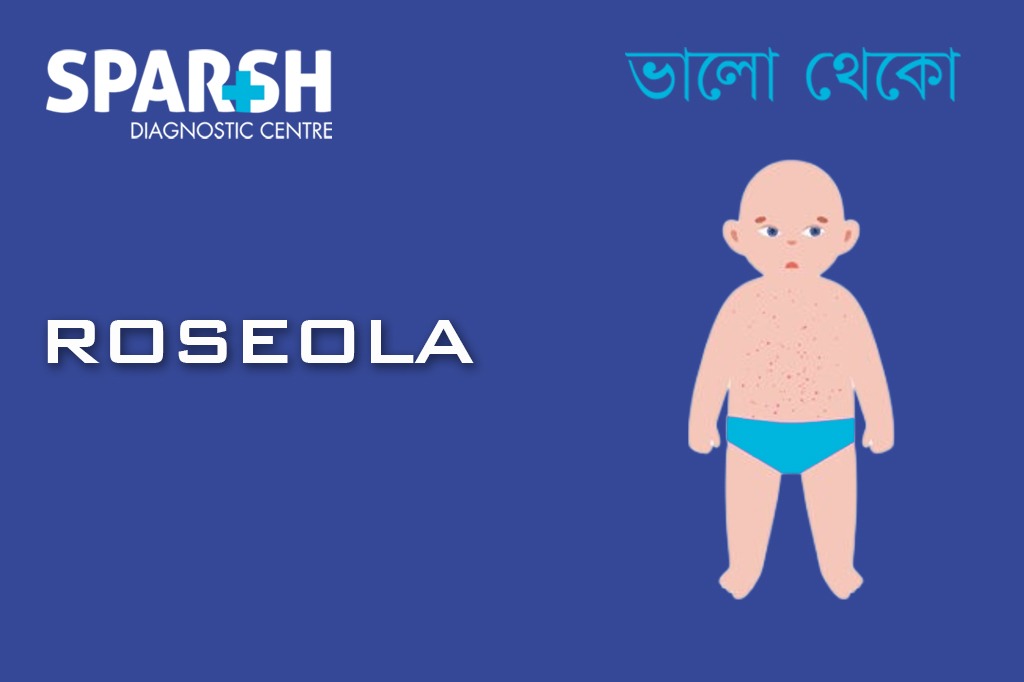
Roseola is a common viral infection that primarily affects infants and young children. Although it can be alarming for parents due to the sudden high fever and rash, roseola is usually a mild illness that resolves on its own without serious complications. Understanding the symptoms, causes, diagnosis, treatment, and prevention of roseola can help parents manage the condition effectively and know when to seek medical attention.
In this comprehensive guide, we will explore everything you need to know about roseola, including its symptoms, stages, treatment options, and frequently asked questions.
What Is Roseola?
Roseola, also known as roseola infantum, sixth disease, or exanthem subitum, is a contagious viral infection caused primarily by human herpesvirus 6 (HHV-6) and less commonly by human herpesvirus 7 (HHV-7).
The condition most often affects children between 6 months and 2 years of age, although older children and adults can occasionally become infected. Most children develop immunity after experiencing the infection once.
One of the hallmark features of roseola is the appearance of a rash after a high fever suddenly subsides. This sequence of symptoms often helps healthcare providers distinguish roseola from other childhood illnesses.
How Common Is Roseola?
Roseola is extremely common worldwide. In fact, most children are exposed to HHV-6 by the age of 2 years. The infection tends to occur throughout the year and spreads easily among young children through saliva and respiratory secretions.
Because symptoms can resemble other viral illnesses, many cases may go undiagnosed or be mistaken for common viral fevers.
Causes of Roseola
Roseola is caused by infection with:
- Human herpesvirus 6 (HHV-6)
- Human herpesvirus 7 (HHV-7)
Despite belonging to the herpesvirus family, these viruses are different from those that cause cold sores or genital herpes.
The virus spreads through:
- Saliva
- Respiratory droplets
- Close contact with infected individuals
- Shared utensils or toys contaminated with saliva
A child can spread the virus even before symptoms become noticeable, making prevention challenging.
Symptoms of Roseola
Roseola typically develops in stages. Symptoms usually appear about 5 to 15 days after exposure to the virus.
High Fever
The first sign is often a sudden high fever that may reach:
- 103°F to 105°F (39.4°C to 40.5°C)
The fever usually lasts for:
- 3 to 5 days
Despite the high temperature, many children remain relatively active and alert.
Rash
As the fever subsides, a characteristic rash appears.
The rash:
- Consists of small pink or rose-colored spots
- May be flat or slightly raised
- Usually starts on the chest, abdomen, or back
- Can spread to the neck, face, and arms
- Typically does not itch
The rash may last from several hours to a few days.
Other Symptoms of Roseola
In addition to fever and rash, children may experience:
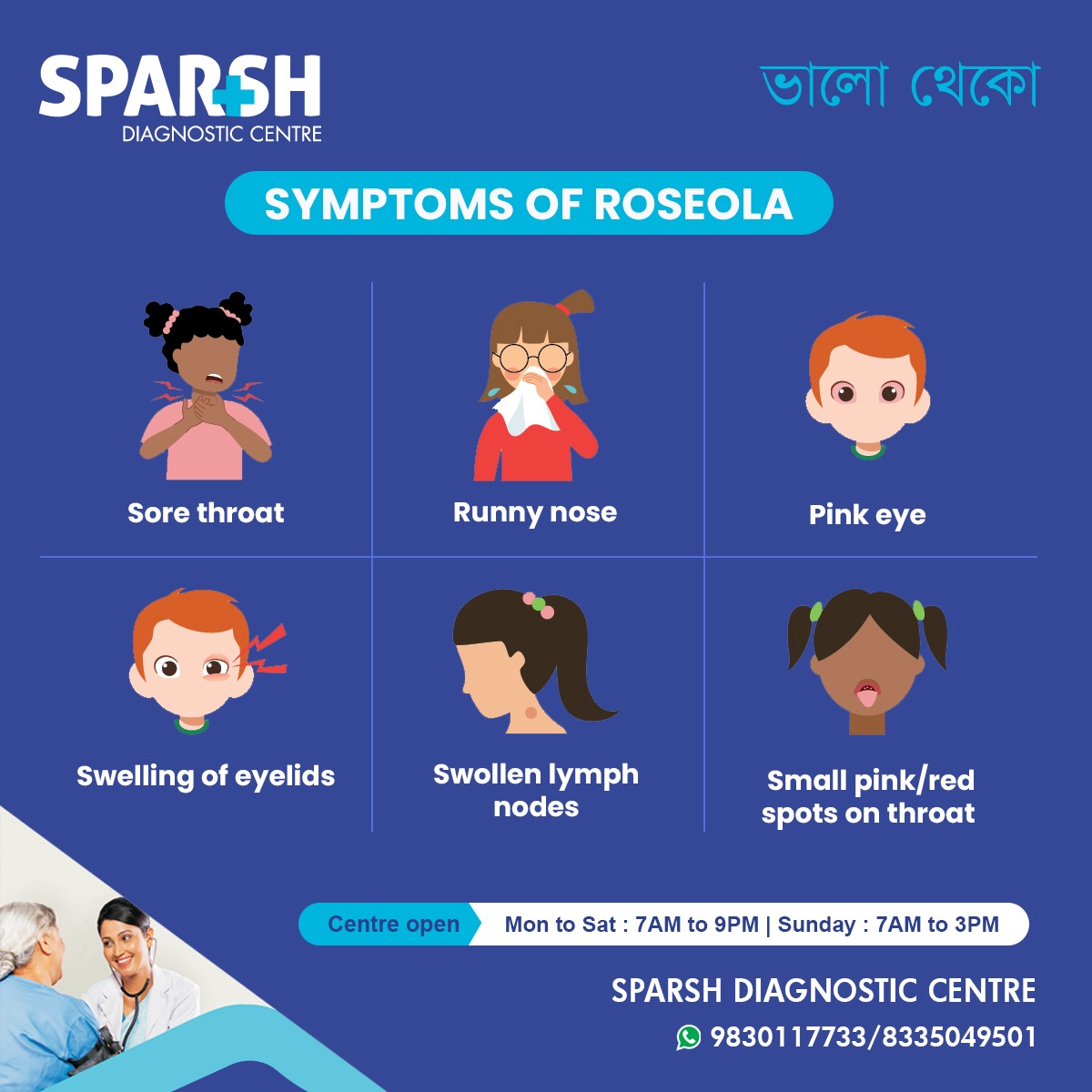
- Sore throat
- Runny nose
- Pink eye (conjunctivitis)
- Swelling of eyelids
- Swollen lymph nodes in the neck
- Irritability
- Mild diarrhea
- Reduced appetite
- Fatigue
- Small pink or red spots on the throat
These symptoms are generally mild and improve as the infection resolves.
Stages of Roseola
Stage 1: Incubation Period
The child is infected but shows no symptoms.
Duration:
- 5 to 15 days
Stage 2: Fever Phase
A sudden high fever develops.
Common features include:
- Temperature above 103°F
- Irritability
- Poor appetite
- Mild upper respiratory symptoms
Stage 3: Rash Phase
Once the fever disappears, the rash emerges.
This phase is often reassuring because it usually indicates the infection is resolving.
Stage 4: Recovery
Most children recover completely within a week without long-term effects.
What Does a Roseola Rash Look Like?
The roseola rash has several distinguishing features:
- Small pink or red spots
- Blanching lesions (turn white when pressed)
- Primarily on the torso
- May spread outward
- Usually non-itchy
- Appears after fever breaks
Unlike some other childhood rashes, the child often feels much better when the rash develops.
Roseola in Babies
Babies are particularly susceptible because their immune systems are still developing.
Signs in infants may include:
- High fever without an obvious source
- Fussiness
- Poor feeding
- Mild cold-like symptoms
- Rash appearing after fever resolution
Parents often become concerned when a high fever occurs without accompanying symptoms. However, this pattern is common in roseola.
Can Adults Get Roseola?
Although uncommon, adults can become infected with HHV-6 or HHV-7.
Symptoms in adults may include:
- Fever
- Fatigue
- Swollen lymph nodes
- Rash
Most adults have already been exposed during childhood and possess immunity.
Is Roseola Contagious?
Yes, roseola is contagious.
The virus spreads through:
- Coughing and sneezing
- Saliva
- Close personal contact
Children can transmit the infection before symptoms appear, which makes controlling outbreaks difficult.
The contagious period generally begins during the fever phase and decreases once symptoms resolve.
How Is Roseola Diagnosed?
Healthcare providers usually diagnose roseola based on:
- Medical history
- Physical examination
- Symptom pattern
The combination of:
- Sudden high fever
- Fever resolution
- Appearance of pink rash
is often sufficient for diagnosis.
Laboratory testing is rarely necessary unless complications or unusual symptoms occur.
Conditions That May Be Confused With Roseola
Several illnesses can resemble roseola, including:
Measles
Measles typically causes:
- Cough
- Runny nose
- Red eyes
- Rash while fever is still present
Rubella
Rubella often includes:
- Swollen lymph nodes
- Mild fever
- Fine rash
Scarlet Fever
Scarlet fever usually presents with:
- Sore throat
- Strawberry tongue
- Sandpaper-like rash
Fifth Disease
This viral illness causes:
- Bright red cheeks
- Lacy body rash
A healthcare provider can help distinguish among these conditions.
Treatment for Roseola
There is no specific antiviral treatment required for most cases of roseola.
Treatment focuses on relieving symptoms and keeping the child comfortable.
Fever Management
To reduce fever:
- Use acetaminophen as directed by a healthcare provider
- Use ibuprofen for children older than six months if recommended
- Avoid aspirin in children due to the risk of Reye’s syndrome
Hydration
Encourage plenty of fluids, including:
- Water
- Breast milk
- Formula
- Oral rehydration solutions
High fever can increase the risk of dehydration.
Rest
Allow the child to:
- Sleep as needed
- Avoid strenuous activities
- Recover naturally
Monitoring
Parents should monitor:
- Temperature
- Fluid intake
- Activity level
- Signs of worsening illness
Home Care Tips for Roseola
To help your child recover comfortably:
- Dress them in lightweight clothing
- Keep the room cool and comfortable
- Offer frequent fluids
- Avoid overdressing during fever
- Follow medication instructions carefully
- Provide extra rest
Most children begin feeling significantly better once the fever resolves.
Possible Complications of Roseola
Roseola is generally mild, but complications can occasionally occur.
Febrile Seizures
The most common complication is a febrile seizure caused by a rapid rise in body temperature.
Signs include:
- Sudden loss of consciousness
- Jerking movements
- Temporary confusion
Although frightening, febrile seizures are usually brief and do not cause long-term harm.
Rare Complications
In children with weakened immune systems, complications may include:
These complications are uncommon in otherwise healthy children.
When to See a Doctor
Seek medical attention if your child:
- Has a fever above 104°F (40°C)
- Experiences a seizure
- Appears unusually lethargic
- Has difficulty breathing
- Shows signs of dehydration
- Has a rash that looks unusual or severe
- Has symptoms lasting longer than expected
Prompt evaluation can help rule out other serious conditions.
When Is Roseola an Emergency?
Call emergency medical services immediately if:
- A seizure lasts longer than five minutes
- Your child becomes unresponsive
- Breathing becomes difficult
- Severe dehydration develops
- The child appears critically ill
While serious complications are rare, urgent medical care may occasionally be necessary.
How Long Does Roseola Last?
Most cases follow this timeline:
| Stage | Duration |
|---|---|
| Incubation | 5–15 days |
| Fever | 3–5 days |
| Rash | 1–3 days |
| Recovery | Within 7–10 days |
The entire illness usually resolves within a week.
Can Roseola Be Prevented?
There is currently no vaccine for roseola.
However, certain measures may reduce transmission:
- Frequent hand washing
- Avoiding sharing cups and utensils
- Cleaning toys regularly
- Covering coughs and sneezes
- Keeping sick children home from daycare when appropriate
Because children are contagious before symptoms appear, prevention can be difficult.
Roseola and Daycare Attendance
Children may return to daycare or school when:
- Fever has resolved
- They feel well enough to participate in activities
The rash itself is not usually a reason to keep a child home if they are otherwise healthy.
Long-Term Outlook
The prognosis for roseola is excellent.
Most children:
- Recover fully
- Develop lasting immunity
- Experience no long-term complications
For the vast majority of families, roseola is a temporary illness that resolves with supportive care and patience.
Frequently Asked Questions (FAQs)
What is roseola?
Roseola is a common viral infection in young children caused mainly by HHV-6 and HHV-7. It typically causes a high fever followed by a pink rash.
What are the first symptoms of roseola?
The first symptom is usually a sudden high fever lasting several days. Other symptoms may include a runny nose, sore throat, swollen lymph nodes, and irritability.
Is roseola contagious?
Yes. Roseola spreads through saliva and respiratory droplets from infected individuals.
How long does roseola last?
Most cases resolve within 7 to 10 days, with the fever lasting 3 to 5 days and the rash lasting 1 to 3 days.
What does a roseola rash look like?
The rash consists of small pink or red spots that typically appear on the chest and abdomen after the fever subsides.
Can adults get roseola?
Yes, although it is uncommon because most adults have already developed immunity from childhood exposure.
Is roseola dangerous?
Roseola is usually mild. However, high fever may occasionally trigger febrile seizures, particularly in young children.
How is roseola treated?
Treatment focuses on symptom relief, including fever control, hydration, and rest. Most children recover without specific medications.
Can a child get roseola more than once?
Most children develop immunity after infection, making repeat cases uncommon.
When should I take my child to the doctor?
Consult a doctor if the fever is very high, symptoms worsen, a seizure occurs, or signs of dehydration develop.
Roseola is one of the most common childhood viral infections and is usually more alarming than dangerous. The classic pattern of a sudden high fever followed by a pink rash can worry parents, but most children recover completely with supportive care. Recognizing the symptoms of roseola, understanding its stages, and knowing when to seek medical advice can help families navigate the illness with confidence.
If your child develops a persistent fever, unusual symptoms, or signs of dehydration, consult a healthcare professional for appropriate evaluation and guidance.
To consult a Doctor or get full body check-up done at Sparsh Diagnostic Centre, call our helpline numbers 9830117733/ 8335049501.
#BhaloTheko
Disclaimer:
No content on this site, regardless of date, should ever be used as a substitute for direct medical advice from your doctor or other qualified clinician.