

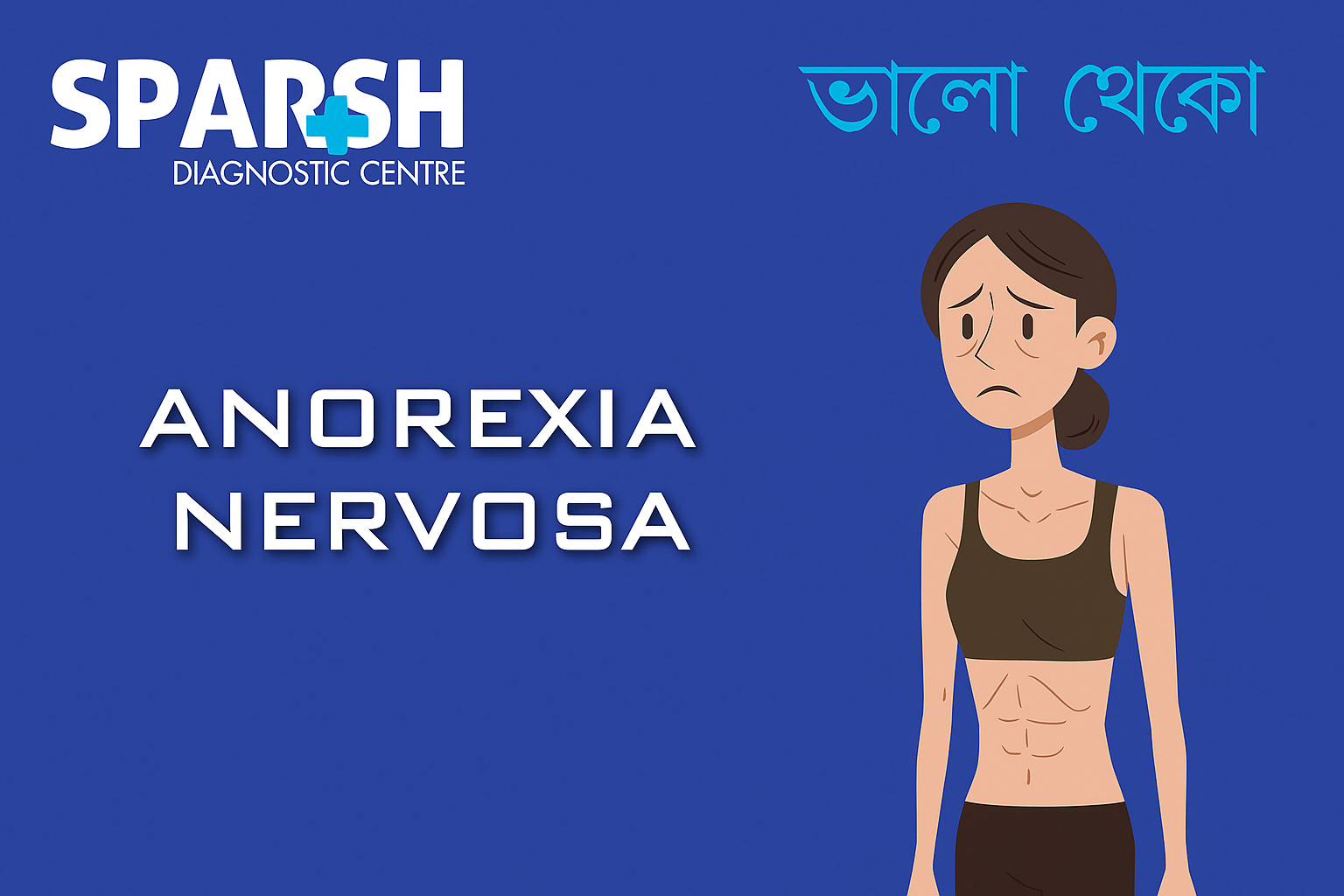
Anorexia nervosa is a complex and potentially life-threatening eating disorder characterized by self-imposed starvation, excessive weight loss, and a distorted body image. Although most commonly diagnosed in adolescent females, anorexia can affect individuals of any gender, age, or background. Despite growing awareness, many misconceptions persist, often delaying diagnosis and intervention.
This blog aims to provide a comprehensive overview of anorexia nervosa, including its causes, symptoms, diagnostic criteria, health risks, treatment options, and strategies for long-term recovery.
What Is Anorexia Nervosa?
Anorexia nervosa (commonly referred to as anorexia) is an eating disorder involving an intense fear of gaining weight and a severely restricted food intake. People with anorexia often view themselves as overweight, even when they are dangerously underweight. The condition is not solely about food but is deeply rooted in psychological, emotional, and social factors.
Subtypes of Anorexia Nervosa
There are two main types:
Restricting Type: Individuals limit the amount of food they eat and do not regularly engage in binge-eating or purging behaviors.
Binge-Eating/Purging Type: Involves episodes of binge eating followed by purging through vomiting, excessive exercise, or misuse of laxatives.
Who Is at Risk?
While anorexia can affect anyone, certain groups are at higher risk:
Adolescents and young adults, especially females
People with perfectionist or obsessive traits
Individuals with a family history of eating disorders
Those involved in professions or activities emphasizing thinness (e.g., ballet, modeling, athletics)
People with anxiety, depression, or OCD
Causes of Anorexia Nervosa
Anorexia is a multifactorial disorder, meaning several factors contribute to its onset and development:
1. Biological Factors
Genetic predisposition to anxiety, perfectionism, or other traits
Neurobiological changes affecting hunger and reward processing
2. Psychological Factors
Low self-esteem
Obsessive-compulsive traits
Intense need for control
Body dysmorphia
3. Environmental and Social Factors
Cultural emphasis on thinness and dieting
Peer pressure and bullying
Traumatic experiences, including abuse
Signs and Symptoms of Anorexia Nervosa
Recognizing the signs early can help with timely diagnosis and treatment. Symptoms may include:
Physical Symptoms
Extreme weight loss
Dizziness or fainting
Brittle nails and thinning hair
Dry or yellowish skin
Intolerance to cold
Lanugo (fine hair growth on body)
Behavioral and Emotional Symptoms
Obsession with food, calories, and dieting
Skipping meals or eating in secret
Excessive exercise
Wearing baggy clothes to hide weight loss
Denial of hunger
Preoccupation with body image
Social withdrawal
Depression, anxiety, or irritability
Complications and Health Risks
Anorexia nervosa can have devastating consequences if left untreated:
Cardiovascular issues: Slow heart rate, arrhythmia, low blood pressure
Endocrine problems: Hormonal imbalance, infertility
Bone health: Osteopenia and osteoporosis due to lack of calcium and estrogen
Neurological issues: Cognitive impairment, seizures
Organ failure: Liver or kidney damage
Electrolyte imbalance: Can lead to cardiac arrest
Death: Anorexia nervosa has the highest mortality rate of any psychiatric disorder
Diagnosis
Diagnosis typically involves a combination of:
1. Medical History and Physical Examination
Doctors assess body weight, BMI, and physical signs of malnutrition.
2. Psychological Evaluation
Mental health professionals assess attitudes toward eating, body image, and behavior patterns.
3. Laboratory Tests
To evaluate organ function, electrolyte levels, and potential complications.
DSM-5 Diagnostic Criteria for Anorexia Nervosa:
Restriction of energy intake leading to significantly low body weight
Intense fear of gaining weight or becoming fat
Disturbance in the way one’s body weight or shape is perceived
Treatment of Anorexia Nervosa
Effective treatment requires a multidisciplinary approach involving medical professionals, mental health experts, and nutritionists.
1. Nutritional Rehabilitation
Restoration of healthy weight
Meal planning and nutrition education
Gradual refeeding under supervision to prevent refeeding syndrome
2. Psychological Therapy
Cognitive Behavioral Therapy (CBT): Helps identify and change distorted thinking and behavior patterns.
Family-Based Therapy (FBT): Especially effective for adolescents; involves parents in meal supervision and recovery support.
Dialectical Behavior Therapy (DBT): Useful for managing emotional dysregulation.
3. Medications
No FDA-approved medications specifically for anorexia, but:
Antidepressants (e.g., SSRIs) may help with co-occurring anxiety or depression.
Antipsychotic medications like olanzapine have shown potential in promoting weight gain and reducing obsessive thoughts.
4. Hospitalization or Residential Care
Required in severe cases for:
Medical stabilization
Nutritional rehabilitation
24/7 psychological support
Recovery and Prognosis
Recovery from anorexia is a long-term process that often includes relapses. However, with early intervention and sustained support, many individuals achieve full recovery.
Key Elements of Long-Term Recovery
Ongoing therapy
Nutritional guidance
Support from family and friends
Monitoring for relapse triggers
Patience and self-compassion
Coping Strategies for Patients and Families
For Individuals:
Practice self-care and mindfulness
Keep a journal to track emotions and triggers
Set small, achievable recovery goals
Avoid comparisons with others
For Families:
Educate yourself about the disorder
Be patient, supportive, and nonjudgmental
Encourage professional help
Avoid commenting on appearance or food choices
Prevention and Awareness
Although it may not always be possible to prevent anorexia, the following strategies can help reduce risk:
Promote healthy body image from a young age
Discourage dieting and body shaming
Foster self-esteem unrelated to appearance
Recognize early warning signs
Encourage open discussions about mental health and eating habits
Anorexia Nervosa in Men
While less common, anorexia in men is underdiagnosed and underreported. Men may focus more on leanness and muscularity. Due to stigma, they may delay seeking help, resulting in more severe outcomes. Awareness and gender-sensitive care are critical.
Myths and Facts About Anorexia Nervosa
| Myth | Fact |
|---|---|
| Anorexia is just about food or vanity | It is a serious mental health disorder with complex causes |
| Only women get anorexia | Men and nonbinary individuals can also develop anorexia |
| People with anorexia are always underweight | Some may have a “normal” BMI but still suffer severe symptoms |
| It’s just a phase | Without treatment, anorexia can cause lasting damage or death |
When to Seek Help
Seek help immediately if you or someone you love:
Has experienced significant weight loss
Obsessively restricts food intake
Is preoccupied with body image
Shows signs of depression, anxiety, or social withdrawal
Start with your family doctor, who can refer you to specialized care.
Anorexia nervosa is a deeply serious eating disorder with both psychological and physical consequences. It requires compassionate, holistic care involving therapy, nutritional guidance, and medical monitoring. Early detection and ongoing support can significantly improve outcomes and help individuals regain their health, self-worth, and quality of life.
Let’s create a culture that values health over appearance, encourages emotional openness, and supports recovery without judgment. If you or someone you know is struggling, don’t wait—help is available, and recovery is possible.
#BhaloTheko
Disclaimer:
No content on this site, regardless of date, should ever be used as a substitute for direct medical advice from your doctor or other qualified clinician.



[…] in appetite-controlling centers in the brain leads to anorexia, further worsening weight […]
[…] of appetite, also known as anorexia (not to be confused with the eating disorder anorexia nervosa), is a condition in which a person […]
[…] Loss of appetite and/or anorexia […]
[…] with uremia often experience anorexia. The buildup of waste products in the blood affects the gastrointestinal system, leading to a […]
[…] 1. Anorexia Nervosa […]
[…] anorexia nervosa, individuals with bulimia often maintain a normal or slightly above-average weight, making the […]