Polycystic Liver Disease (PLD) is a rare but important liver disorder characterized by the development of multiple fluid-filled cysts scattered throughout the liver tissue. While many individuals with PLD remain asymptomatic for years, others may experience significant abdominal discomfort, digestive issues, and reduced quality of life as cysts enlarge.
PLD is often detected incidentally during imaging studies performed for other reasons. Because it is usually slow-growing and non-cancerous, early recognition and proper monitoring play a crucial role in long-term management.
This comprehensive guide explains what Polycystic Liver Disease is, its causes, symptoms, diagnosis, complications, and treatment options, helping patients and caregivers understand when to seek medical care.
What Is Polycystic Liver Disease?
Polycystic Liver Disease is a genetic condition in which numerous cysts—noncancerous, fluid-filled sacs—form within the liver. These cysts arise from abnormal bile duct cells and can range in size from a few millimeters to several centimeters.
Although the liver may become significantly enlarged, liver function is usually preserved, even in advanced cases. PLD differs from isolated simple liver cysts due to the number and widespread distribution of cysts.

Types of Polycystic Liver Disease
1. Isolated Polycystic Liver Disease
Occurs independently without kidney involvement
Caused by mutations in genes such as PRKCSH or SEC63
Less common than kidney-associated PLD
2. PLD Associated with Polycystic Kidney Disease (PKD)
Commonly seen with Autosomal Dominant Polycystic Kidney Disease (ADPKD)
Liver cysts increase with age
Kidney symptoms often appear earlier than liver symptoms
What Causes Polycystic Liver Disease?
PLD is primarily a genetic disorder. It is usually inherited in an autosomal dominant pattern, meaning a single altered gene from one parent can cause the condition.
Key Risk Factors
Long-term estrogen exposure (pregnancy, hormone therapy)
Increasing age
Estrogen is believed to promote cyst growth, which explains why women—especially those with multiple pregnancies—often have more severe disease.
Symptoms of Polycystic Liver Disease
Many people with PLD experience no symptoms for years. Symptoms typically arise when cysts grow large or numerous enough to compress surrounding organs.
Common Symptoms
Increase in abdominal size or bloating
Early fullness after eating
Less Common Symptoms
⚠️ Note: Symptoms are usually related to mass effect, not liver failure.
Potential Complications
Although PLD is benign, complications may occur in advanced cases:
Cyst infection (fever, localized pain)
Cyst rupture
Internal bleeding into cysts
Compression of bile ducts causing jaundice (rare)
Life-threatening complications are uncommon, but quality of life can be significantly affected.
How Is Polycystic Liver Disease Diagnosed?
PLD is most often diagnosed using imaging studies.
Diagnostic Tests
Ultrasound – Initial, cost-effective screening tool
CT Scan – Defines cyst number, size, and distribution
MRI – Best for detailed liver anatomy and surgical planning
Blood Tests
Liver function tests are usually normal
Used to rule out other liver diseases
Genetic Testing
Helpful in unclear cases or family screening
Not required for routine diagnosis
Differential Diagnosis
Conditions that may mimic PLD include:
Simple liver cysts
Hydatid disease
Cystic liver tumors (rare)
Accurate imaging helps distinguish these conditions.
Treatment Options for Polycystic Liver Disease
There is no cure for PLD, but treatment focuses on symptom relief and improving quality of life.
1. Observation and Monitoring
For asymptomatic patients
Regular imaging and clinical follow-up
2. Medical Management
Pain management
Proton pump inhibitors for reflux
Avoidance of estrogen therapy when possible
Some studies suggest somatostatin analogs (e.g., octreotide) may reduce cyst growth, though use is selective.
3. Interventional Procedures
Cyst Aspiration and Sclerotherapy
Draining cyst fluid followed by chemical sclerosis
Temporary relief for large symptomatic cysts
Laparoscopic Fenestration
Surgical opening of cyst walls
Suitable for superficial cysts
4. Advanced Surgical Options
Partial Hepatectomy
Removal of severely affected liver segments
Reserved for selected severe cases
Liver Transplant
Rare
Considered only in extreme cases with debilitating symptoms
Lifestyle and Dietary Recommendations
While diet cannot cure PLD, it may help reduce discomfort.
Helpful Tips
Eat smaller, frequent meals
Avoid heavy, fatty foods
Maintain a healthy body weight
Limit alcohol intake
Stay physically active within comfort levels
Prognosis and Life Expectancy
The prognosis for Polycystic Liver Disease is generally excellent. Most individuals live a normal lifespan without liver failure.
Disease progression is slow
Liver function is usually preserved
Regular monitoring ensures timely intervention
When Should You See a Doctor?
Consult a healthcare provider if you experience:
Persistent abdominal pain
Rapid increase in abdominal size
Fever with abdominal tenderness
Difficulty eating or breathing
Early evaluation helps prevent complications and improves outcomes.
Frequently Asked Questions (FAQs)
1. Is Polycystic Liver Disease life-threatening?
No, PLD is usually not life-threatening. Most patients maintain normal liver function throughout life.
2. Can Polycystic Liver Disease turn into cancer?
No, liver cysts in PLD are benign and do not become cancerous.
3. Is Polycystic Liver Disease hereditary?
Yes, PLD is commonly inherited in an autosomal dominant pattern.
4. Can PLD be cured completely?
There is no permanent cure, but symptoms can be effectively managed with medical or surgical treatments.
5. Is Polycystic Liver Disease the same as fatty liver disease?
No. PLD involves cysts, while fatty liver disease involves fat accumulation in liver cells.
6. Can pregnancy worsen Polycystic Liver Disease?
Yes, hormonal changes—especially increased estrogen—can accelerate cyst growth.
7. How often should PLD patients undergo imaging?
Frequency depends on symptoms and severity, typically every 1–3 years if stable.
Polycystic Liver Disease is a rare but manageable condition that often remains silent for many years. While it can cause discomfort and abdominal symptoms as cysts enlarge, most individuals maintain normal liver function and quality of life with proper monitoring and care.
Early diagnosis, regular follow-ups, and personalized treatment plans are key to managing PLD effectively. If you or a family member has been diagnosed, consulting a specialist and undergoing periodic imaging can help ensure optimal long-term outcomes.
#BhaloTheko
Disclaimer:
No content on this site, regardless of date, should ever be used as a substitute for direct medical advice from your doctor or other qualified clinician.
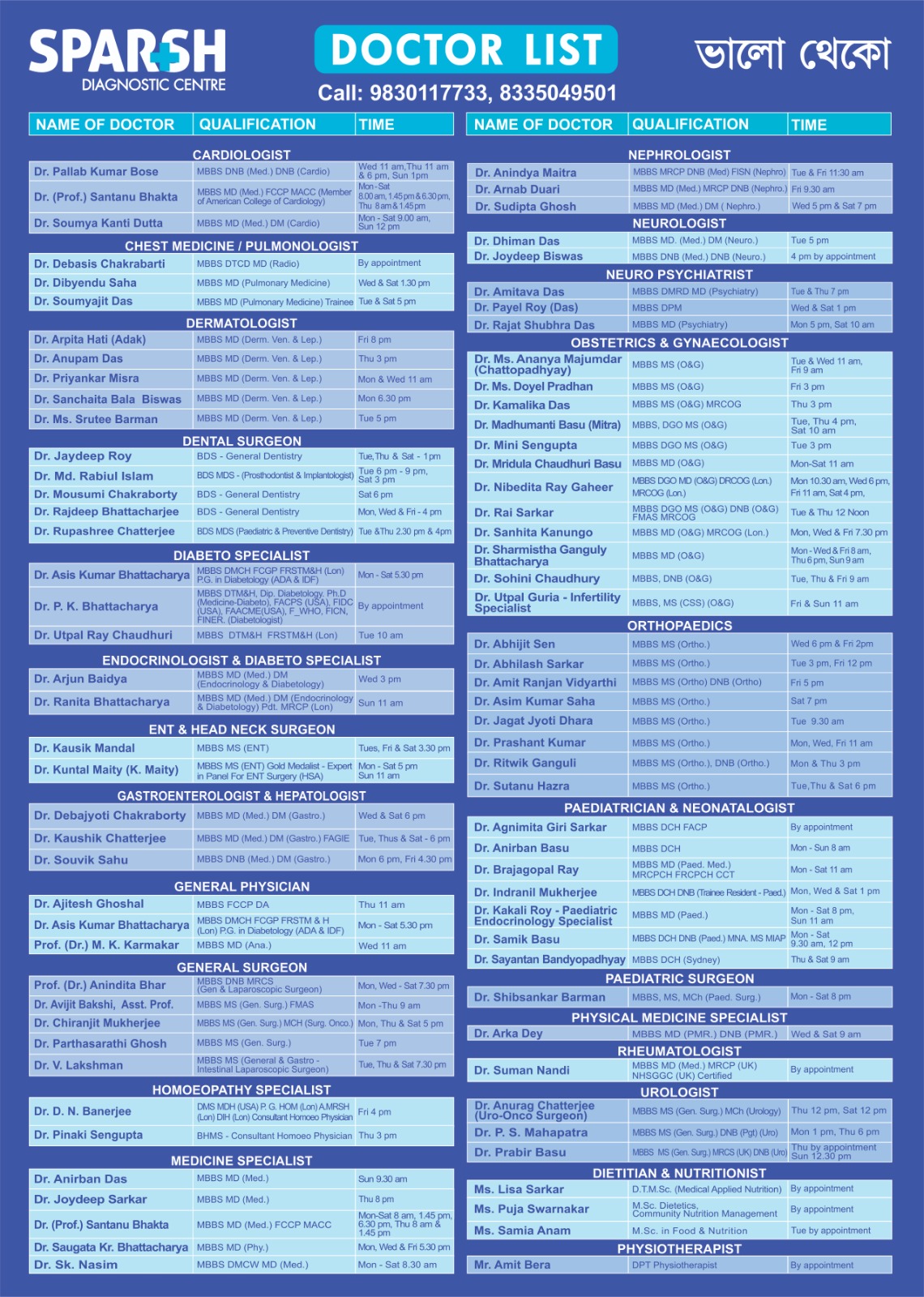
Sparsh Diagnostic Centre Doctor List