Knee pain or swelling behind the knee can be alarming, especially when it begins to affect daily activities like walking, climbing stairs, or exercising. One common but often misunderstood cause of this problem is a Baker’s cyst. While the condition may sound serious, it is usually treatable and often linked to underlying knee issues.
In this comprehensive guide, we will explore what a Baker’s cyst is, its causes, symptoms, treatment options, and prevention strategies. By the end, you will have a clear understanding of this condition and know when it may be time to seek medical attention.
What Is a Baker’s Cyst?
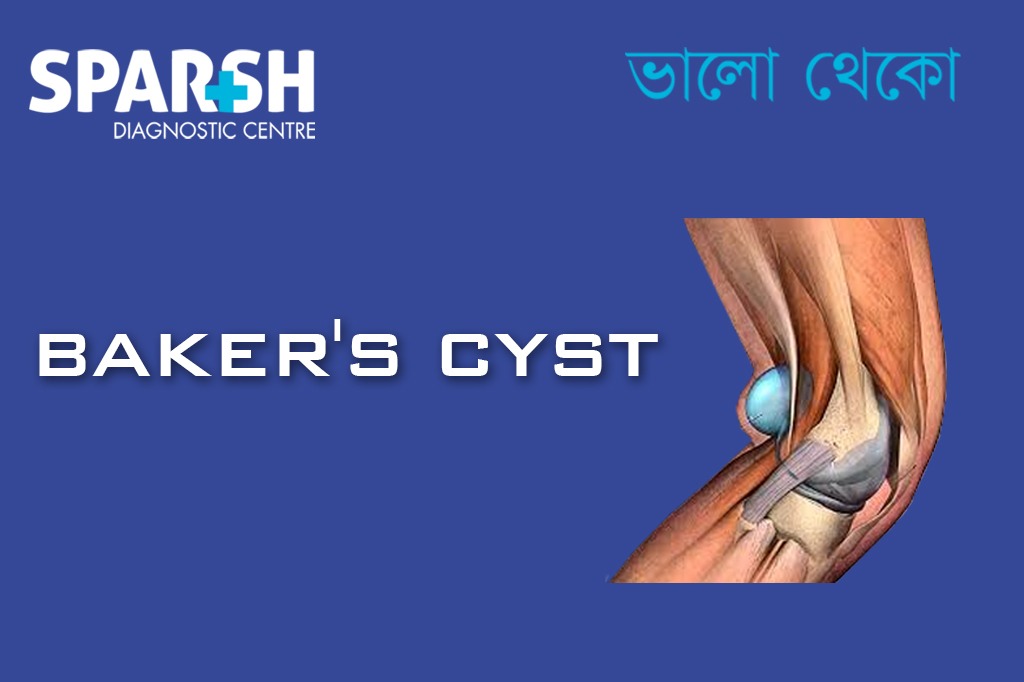
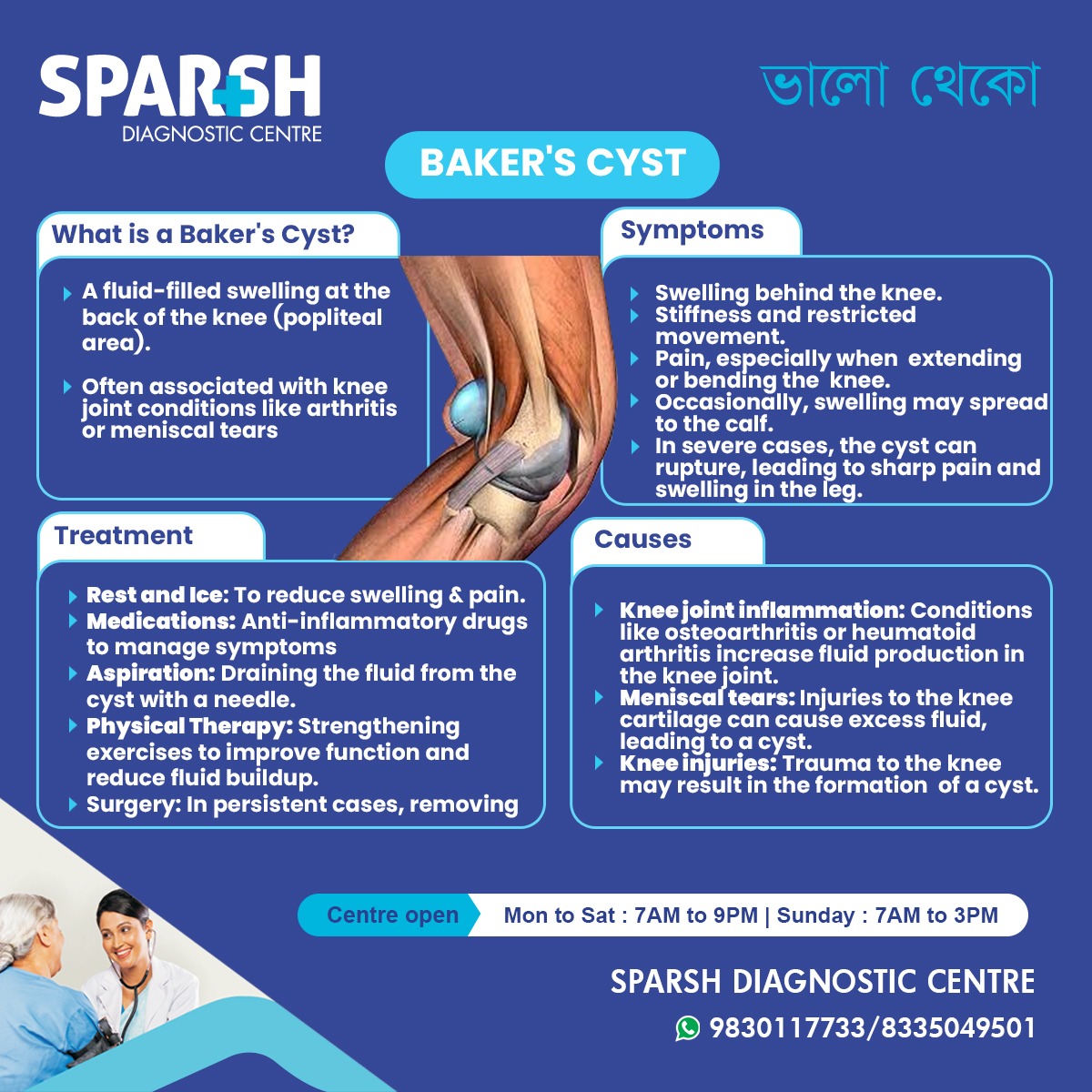
A Baker’s cyst, also known as a popliteal cyst, is a fluid-filled swelling that develops behind the knee joint. It occurs when excess synovial fluid—the lubricating fluid inside the knee—builds up and forms a sac in the back of the knee.
This swelling typically appears in the popliteal area, the space located behind the knee joint. The cyst may feel like a small lump or tight swelling and can vary in size. Some people barely notice it, while others experience significant discomfort.
Baker’s cysts are often linked to underlying knee problems such as arthritis or cartilage damage. Because of this, treating the root cause is often the key to resolving the cyst itself.
Anatomy of the Knee and Why Baker’s Cysts Form
To understand how Baker’s cysts develop, it helps to know a bit about knee anatomy.
The knee joint contains synovial fluid, which acts as a lubricant and cushion. This fluid allows the bones, cartilage, and ligaments to move smoothly during activities like walking, running, and bending.
When the knee becomes inflamed or injured, the body may produce extra synovial fluid. Sometimes this excess fluid collects in a small sac behind the knee, creating a Baker’s cyst.
This mechanism explains why the condition is frequently associated with knee inflammation or injury.
Common Causes of Baker’s Cyst
A Baker’s cyst is usually not a standalone condition. Instead, it often develops as a complication of another knee problem.
1. Knee Arthritis
One of the most common causes is osteoarthritis, the wear-and-tear form of arthritis. This condition causes cartilage breakdown in the knee, leading to inflammation and excess fluid production.
Another possible cause is rheumatoid arthritis, an autoimmune condition that causes joint inflammation.
2. Meniscal Tears
The meniscus is a piece of cartilage that cushions the knee joint. A tear in this cartilage can lead to irritation and swelling inside the joint, increasing fluid production and potentially causing a Baker’s cyst.
3. Knee Injuries
Trauma or injury to the knee—such as ligament sprains or fractures—can trigger inflammation and fluid accumulation.
4. Chronic Knee Inflammation
Certain inflammatory conditions or repetitive stress injuries can cause persistent swelling in the knee joint, increasing the risk of cyst formation.
Symptoms of Baker’s Cyst
The symptoms of a Baker’s cyst can vary widely depending on the size of the cyst and the underlying knee condition.
Swelling Behind the Knee
The most noticeable symptom is a soft swelling behind the knee. The lump may become more visible when standing and less noticeable when bending the knee.
Knee Stiffness
People with a Baker’s cyst often experience tightness or stiffness, especially after prolonged activity.
Pain or Discomfort
Pain may occur when bending or straightening the knee. Some individuals feel pressure or heaviness behind the joint.
Limited Range of Motion
Large cysts may restrict movement, making it difficult to fully bend or extend the knee.
Swelling in the Lower Leg
In some cases, fluid from the cyst may leak into the calf, causing swelling or tenderness in the lower leg.
Sudden Sharp Pain
If a Baker’s cyst ruptures, it can cause sudden pain, redness, and swelling in the calf. This may mimic symptoms of a blood clot and requires medical evaluation.
Who Is Most at Risk?
While anyone can develop a Baker’s cyst, certain groups are more prone to the condition.
Higher risk groups include:
Adults over the age of 40
People with arthritis
Athletes with knee injuries
Individuals with chronic knee inflammation
People with previous cartilage or ligament damage
Children can also develop Baker’s cysts, but in younger individuals the cysts often resolve on their own.
How Is a Baker’s Cyst Diagnosed?
Diagnosis usually begins with a physical examination. A doctor may feel the back of the knee to detect swelling or fluid buildup.
However, imaging tests may be needed to confirm the diagnosis or rule out other conditions.
Ultrasound
An ultrasound scan is commonly used to identify fluid-filled cysts and distinguish them from solid masses.
MRI Scan
An MRI (Magnetic Resonance Imaging) provides detailed images of the knee structures and can detect underlying problems such as meniscal tears or ligament injuries.
X-Ray
Although X-rays cannot directly detect a cyst, they can help identify arthritis or joint damage that may be contributing to the condition.
Treatment Options for Baker’s Cyst
Treatment for a Baker’s cyst focuses on relieving symptoms and addressing the underlying knee problem.
Rest and Activity Modification
Reducing activities that place stress on the knee can help decrease swelling and discomfort.
Ice Therapy
Applying ice packs to the affected area can help reduce inflammation and relieve pain.
Medications
Doctors may recommend anti-inflammatory medications to reduce swelling and manage pain.
Aspiration (Fluid Drainage)
In some cases, the cyst can be drained using a needle. This procedure, known as aspiration, removes excess fluid and temporarily relieves pressure.
However, the cyst may return if the underlying knee problem persists.
Physical Therapy
Strengthening exercises and stretching routines can improve knee stability and reduce stress on the joint.
Physical therapy may also help restore flexibility and reduce fluid buildup.
Corticosteroid Injections
Steroid injections may be used to reduce inflammation within the knee joint, helping shrink the cyst indirectly.
Surgery
Surgery is rarely required but may be recommended if:
The cyst causes severe pain
The cyst keeps returning
There is significant damage to the knee joint
In such cases, surgeons may repair the underlying joint problem or remove the cyst entirely.
What Happens If a Baker’s Cyst Ruptures?
Although uncommon, a Baker’s cyst can rupture. When this happens, the fluid inside the cyst leaks into the calf muscle.
Symptoms of rupture include:
Sudden sharp pain behind the knee
Swelling in the calf
Redness or warmth in the lower leg
A sensation of fluid running down the calf
These symptoms can resemble deep vein thrombosis (DVT), a serious blood clot condition. Because of this similarity, immediate medical evaluation is important.
Home Care and Lifestyle Tips
Many mild cases of Baker’s cyst improve with conservative care at home.
Helpful strategies include:
Resting the knee when symptoms worsen
Applying ice for 15–20 minutes several times daily
Elevating the leg to reduce swelling
Wearing compression bandages if recommended
Performing gentle stretching and strengthening exercises
Maintaining a healthy body weight can also reduce pressure on the knee joint.
Can Baker’s Cyst Be Prevented?
Although it may not always be preventable, certain steps can reduce the risk.
Manage Knee Injuries Early
Prompt treatment for knee injuries can prevent chronic inflammation that may lead to cyst formation.
Maintain Joint Health
Regular exercise that strengthens muscles around the knee helps stabilize the joint and reduce strain.
Avoid Overuse
Repetitive high-impact activities can increase knee stress. Balanced training routines can help prevent injury.
Treat Underlying Conditions
Managing arthritis or inflammatory joint conditions can significantly reduce the likelihood of developing a Baker’s cyst.
When Should You See a Doctor?
You should seek medical advice if you experience:
Persistent swelling behind the knee
Pain that interferes with daily activities
Sudden swelling or redness in the calf
Difficulty bending or straightening the knee
A proper evaluation ensures that more serious conditions are ruled out and appropriate treatment is started.
Frequently Asked Questions (FAQs)
1. Is a Baker’s cyst dangerous?
Most Baker’s cysts are not dangerous and often resolve with treatment of the underlying knee problem. However, a ruptured cyst may require medical attention.
2. Can a Baker’s cyst go away on its own?
Yes. In some cases, especially mild ones, the cyst may shrink or disappear naturally once inflammation in the knee improves.
3. Can exercise worsen a Baker’s cyst?
High-impact activities like running or jumping may worsen symptoms. However, gentle strengthening exercises recommended by a physical therapist can be beneficial.
4. How long does a Baker’s cyst last?
The duration varies. Some cysts resolve within a few weeks, while others may persist for months if the underlying knee condition is not treated.
5. Is surgery always required for a Baker’s cyst?
No. Surgery is rarely necessary and is usually considered only when other treatments fail or when severe knee damage is present.
6. Can a Baker’s cyst come back after treatment?
Yes. If the underlying knee problem remains, the cyst may recur even after aspiration or other treatments.
7. Is walking safe with a Baker’s cyst?
Walking is generally safe if it does not cause severe pain. However, activities should be moderate and low impact.
8. Are Baker’s cysts common in children?
They can occur in children, but they are usually harmless and often resolve without treatment.
A Baker’s cyst is a common condition that develops due to excess fluid buildup behind the knee. While it can cause swelling, stiffness, and discomfort, it is usually a manageable condition when diagnosed early.
The key to effective treatment lies in addressing the underlying knee problem, whether it is arthritis, cartilage damage, or injury. With proper care, lifestyle adjustments, and medical guidance, most people can successfully manage symptoms and maintain normal knee function.
If you notice persistent swelling behind your knee or experience sudden pain in the calf, consulting a healthcare professional can help ensure the correct diagnosis and treatment plan.
To consult an Orthopaedic Surgeon at Sparsh Diagnostic Centre, call our helpline numbers 9830117733/ 8335049501.
#BhaloTheko
Disclaimer:
No content on this site, regardless of date, should ever be used as a substitute for direct medical advice from your doctor or other qualified clinician.