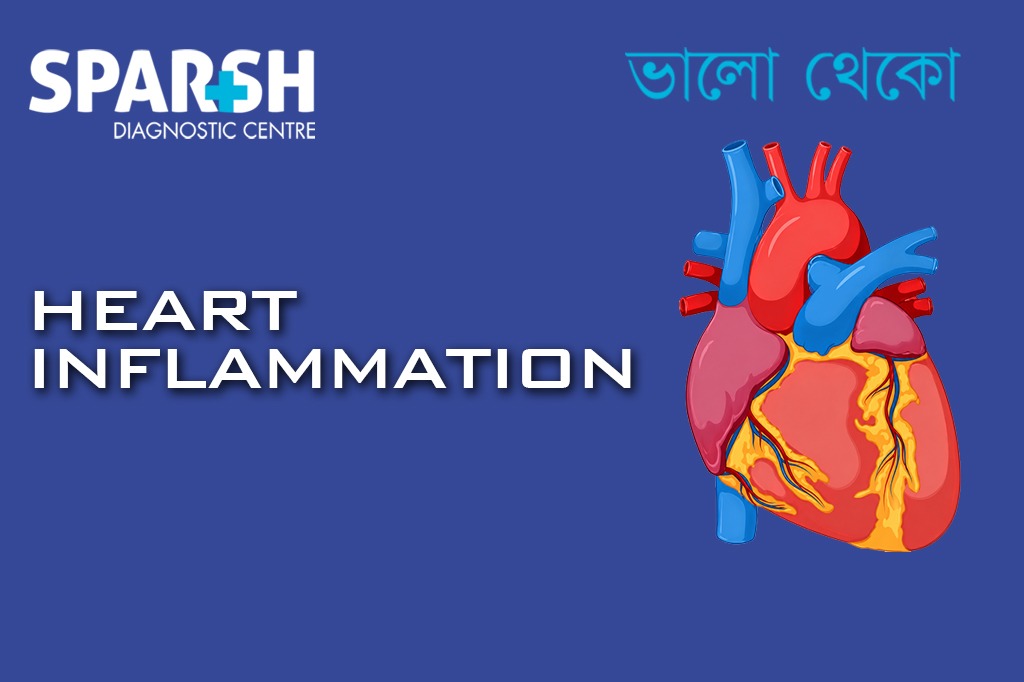
Heart inflammation is a serious medical condition that can affect people of all ages. While many associate heart problems with blocked arteries or heart attacks, inflammation of the heart is another important condition that requires prompt medical attention. It may develop after a viral infection, autoimmune disease, bacterial infection, or even as a rare reaction to certain medications. If left untreated, heart inflammation can interfere with the heart’s ability to pump blood effectively and may lead to life-threatening complications.
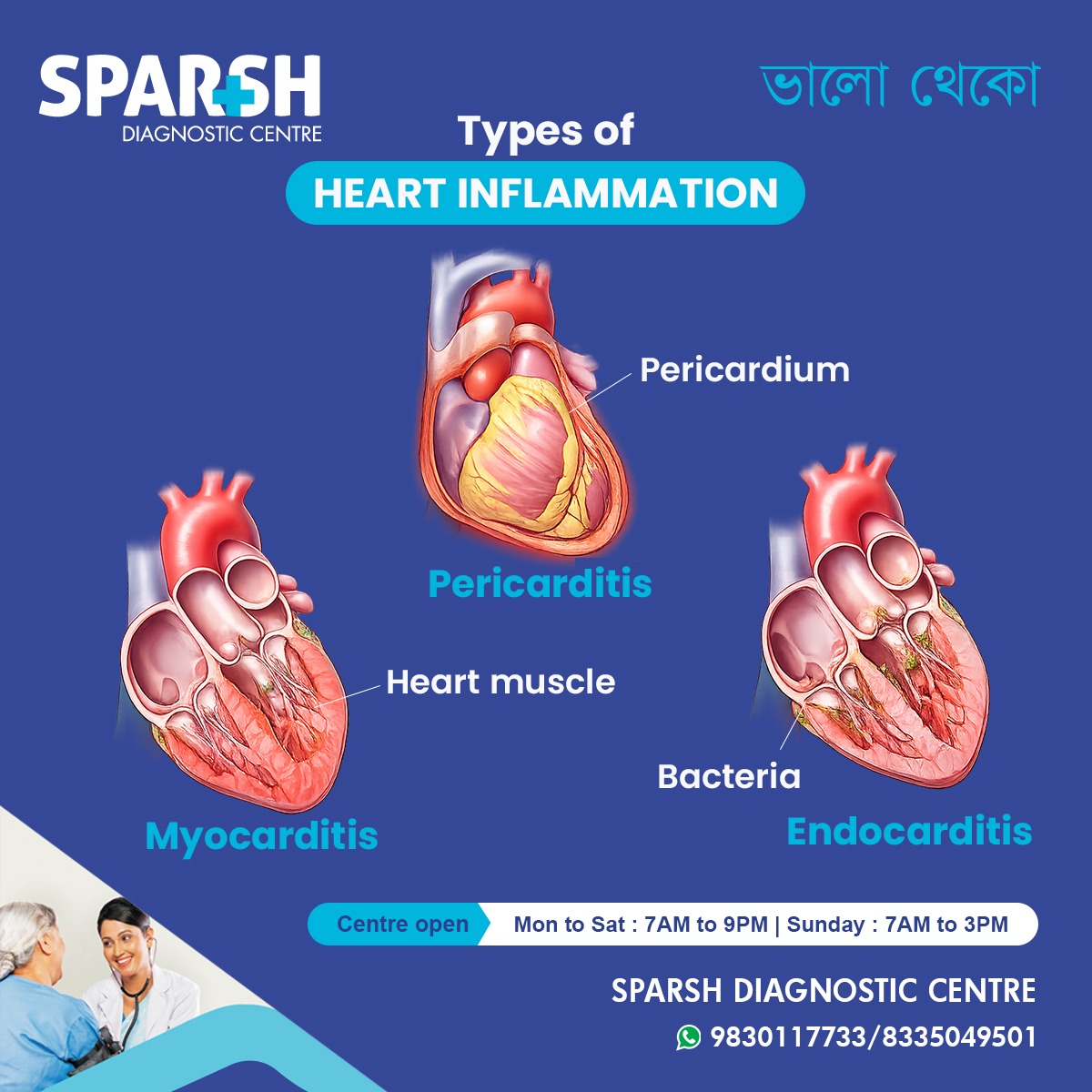
The term heart inflammation actually includes three different conditions depending on which part of the heart is affected:
- Myocarditis – inflammation of the heart muscle (myocardium)
- Pericarditis – inflammation of the protective sac surrounding the heart (pericardium)
- Endocarditis – inflammation of the heart’s inner lining (endocardium), usually caused by infection
Understanding the symptoms, causes, diagnosis, and treatment options can help ensure early intervention and better outcomes.
What Is Heart Inflammation?
Heart inflammation refers to swelling and irritation in one or more layers of the heart. Inflammation is the body’s natural immune response to injury or infection, but when it occurs in the heart, it can impair normal function.
The heart has three major layers:
1. Myocarditis
Myocarditis affects the muscular wall of the heart responsible for pumping blood. Inflamed heart muscle becomes weaker, reducing the heart’s pumping efficiency.
2. Pericarditis
Pericarditis affects the thin sac surrounding the heart. The inflamed layers rub against each other, often causing sharp chest pain.
3. Endocarditis
Endocarditis affects the heart’s inner lining and heart valves. It is most commonly caused by bacteria entering the bloodstream and attaching to damaged heart tissue.
What Are the Symptoms of Heart Inflammation?
The symptoms depend on which part of the heart is affected and how severe the inflammation becomes. Some individuals experience mild symptoms, while others become seriously ill within days.
Common symptoms include:
- Chest pain
- Shortness of breath
- Rapid heartbeat
- Irregular heartbeat (palpitations)
- Extreme fatigue
- Fever
- Swelling in the legs or feet
- Persistent cough
- Dizziness
- Fainting
- Reduced ability to exercise
Additional symptoms by condition include:
Myocarditis Symptoms
- Chest discomfort
- Difficulty breathing during activity
- Fast heartbeat
- Weakness
- Swollen ankles
- Fatigue
Pericarditis Symptoms
- Sharp chest pain that worsens when lying down
- Pain relieved by sitting forward
- Shoulder or neck pain
- Low-grade fever
Endocarditis Symptoms
- Persistent fever
- Chills
- Night sweats
- Heart murmur
- Tiny red or purple spots on the skin
- Blood in urine
- Unexplained weight loss
What Does Inflammation in Your Heart Feel Like?
People describe heart inflammation differently depending on the affected layer.
Common sensations include:
- Sharp stabbing chest pain
- Pressure or heaviness
- Burning sensation
- Tightness in the chest
- Fluttering heartbeat
- Racing pulse
- Difficulty taking deep breaths
- Persistent fatigue unlike normal tiredness
Some people mistake myocarditis for a heart attack because the symptoms are remarkably similar.
What Are the Early Warning Signs of Heart Inflammation?
Early symptoms often resemble a viral illness.
Watch for:
- Mild fever
- Body aches
- Fatigue
- Shortness of breath
- Chest discomfort
- Heart palpitations
- Reduced exercise tolerance
- Unusual weakness
Many patients report developing symptoms one to three weeks after recovering from a viral infection.
What Are the Main Causes of Heart Inflammation?
Several conditions can trigger inflammation within the heart.
Viral Infections
Viruses remain the most common cause.
Examples include:
- Influenza
- COVID-19
- Coxsackievirus
- Adenovirus
- Epstein-Barr virus
Bacterial Infections
Common in endocarditis.
Examples include:
- Streptococcus
- Staphylococcus aureus
Autoimmune Diseases
Conditions such as:
Fungal and Parasitic Infections
Less common but possible in individuals with weakened immune systems.
Medications
Rare reactions to:
- Certain antibiotics
- Chemotherapy drugs
- Some anticonvulsants
Toxins
Exposure to:
- Alcohol
- Cocaine
- Heavy metals
Radiation Therapy
Chest radiation can occasionally cause inflammation.
Risk Factors
Certain individuals have a greater chance of developing heart inflammation.
Risk factors include:
- Recent viral infection
- Poorly controlled autoimmune disease
- Heart valve abnormalities
- Intravenous drug use
- Weakened immune system
- Congenital heart disease
- Recent heart surgery
How to Check for Heart Inflammation?
Doctors combine symptoms, physical examination, laboratory testing, and imaging studies.
Initial evaluation includes:
- Medical history
- Physical examination
- Blood pressure measurement
- Listening for abnormal heart sounds
Further testing helps confirm the diagnosis.
How to Confirm Heart Inflammation?
Several investigations help establish the diagnosis.
Blood Tests
Blood work may include:
Electrocardiogram (ECG)
Shows abnormal electrical activity and rhythm disturbances.
Echocardiogram
An ultrasound evaluates:
- Heart pumping function
- Heart valve problems
- Fluid around the heart
Cardiac MRI
Cardiac MRI is one of the most accurate tests for detecting heart muscle inflammation and tissue damage.
Chest X-ray
Checks heart size and fluid in the lungs.
CT Scan
Useful in selected cases.
Endomyocardial Biopsy
Rarely performed but remains the gold standard for confirming certain forms of myocarditis.
Treatment of Heart Inflammation
Treatment depends on the underlying cause and severity.
Medications
Doctors may prescribe:
- Anti-inflammatory medications
- Colchicine
- Corticosteroids
- Antibiotics
- Antiviral medications (selected cases)
- Diuretics
- ACE inhibitors
- Beta blockers
- Blood thinners
Hospital Care
Moderate to severe cases may require hospitalization for:
- Heart rhythm monitoring
- Oxygen therapy
- Intravenous medications
- Fluid management
Surgery
Required mainly for severe endocarditis when infected valves become damaged.
Procedures include:
- Valve repair
- Valve replacement
Can Inflammation in the Heart Be Cured?
Yes. Many people recover completely, especially when diagnosed early and treated appropriately.
Recovery depends on:
- The underlying cause
- Severity of inflammation
- Age
- Overall health
- How quickly treatment begins
While mild viral myocarditis often resolves within weeks to months, severe cases may lead to permanent heart muscle damage or chronic heart failure.
Can You Recover from Heart Inflammation?
Most patients recover well with appropriate treatment.
Recovery is more likely when:
- The condition is diagnosed early
- The underlying infection is treated
- Physical activity is restricted during healing
- Follow-up appointments are maintained
Some people regain completely normal heart function, while others may require long-term medications.
How Long Can Heart Inflammation Last?
The duration varies considerably.
Typical recovery timelines include:
- Mild pericarditis: 2–6 weeks
- Viral myocarditis: 3–6 months
- Severe myocarditis: 6–12 months or longer
- Endocarditis: 4–8 weeks of antibiotics
Some patients experience recurrent episodes, particularly with pericarditis.
How to Treat Heart Inflammation at Home?
Home care supports recovery but should never replace medical treatment.
Helpful measures include:
Get Plenty of Rest
Avoid strenuous activity until your cardiologist approves.
Stay Hydrated
Drink adequate fluids unless your doctor advises fluid restriction.
Eat a Heart-Healthy Diet
Choose:
- Fruits
- Vegetables
- Whole grains
- Lean proteins
- Healthy fats
Limit:
- Salt
- Processed foods
- Sugary drinks
Take Medications Correctly
Never skip prescribed medications.
Monitor Symptoms
Seek immediate medical care if symptoms worsen.
What to Avoid with Heart Inflammation?
Avoiding certain habits helps prevent complications.
Do not:
- Exercise intensely
- Smoke
- Drink excessive alcohol
- Use recreational drugs
- Ignore chest pain
- Stop medications without consulting your doctor
- Consume excessive sodium
- Delay follow-up appointments
Athletes are usually advised to avoid competitive sports for at least three to six months after myocarditis.
Possible Complications
Untreated heart inflammation may lead to:
- Heart failure
- Dangerous arrhythmias
- Cardiomyopathy
- Stroke
- Valve destruction
- Cardiac tamponade
- Sudden cardiac arrest
Early diagnosis significantly reduces these risks.
Prevention
Although not all cases can be prevented, healthy habits lower the risk.
Reduce Infection Risk
- Wash hands regularly
- Stay updated on vaccinations
- Treat infections promptly
Protect Heart Health
- Exercise regularly
- Maintain healthy weight
- Control blood pressure
- Manage diabetes
- Stop smoking
Dental Hygiene
Good oral hygiene reduces the risk of bacterial endocarditis, particularly in people with certain heart conditions.
When Should You See a Doctor?
Seek immediate medical attention if you experience:
- Severe chest pain
- Difficulty breathing
- Fainting
- Persistent rapid heartbeat
- High fever with chest pain
- Swelling in the legs
- Blue lips or fingertips
Emergency treatment may be lifesaving.
Frequently Asked Questions (FAQs)
1. What are the symptoms of heart inflammation?
Common symptoms include chest pain, shortness of breath, rapid or irregular heartbeat, fatigue, fever, swelling in the legs, dizziness, and reduced exercise tolerance. The symptoms vary depending on whether the inflammation affects the heart muscle, lining, or outer covering.
2. Can inflammation in the heart be cured?
Yes. Many cases, especially mild viral myocarditis and pericarditis, can resolve completely with timely treatment and adequate rest. Severe cases may require prolonged treatment and close monitoring.
3. What are the first signs of a weak heart?
Early signs include unusual fatigue, breathlessness during routine activities, swelling in the feet or ankles, rapid heartbeat, chest discomfort, dizziness, and reduced ability to exercise.
4. How to check for heart inflammation?
Doctors evaluate symptoms, perform a physical examination, and recommend tests such as blood tests, ECG, echocardiography, cardiac MRI, chest X-ray, and sometimes a heart biopsy to assess inflammation.
5. How long can heart inflammation last?
Recovery depends on the cause and severity. Mild pericarditis may improve within two to six weeks, while myocarditis can take several months. Endocarditis often requires four to eight weeks of antibiotic therapy.
6. How to treat heart inflammation at home?
Home care includes getting adequate rest, eating a heart-healthy diet, staying hydrated, avoiding strenuous exercise, taking prescribed medications as directed, and attending regular follow-up appointments. Home remedies should never replace medical treatment.
7. What are the main causes of heart inflammation?
The most common causes include viral infections, bacterial infections, autoimmune diseases, certain medications, toxins such as excessive alcohol or recreational drugs, and, less commonly, fungal or parasitic infections.
8. What does inflammation in your heart feel like?
People often describe it as sharp or aching chest pain, pressure, palpitations, shortness of breath, unusual tiredness, or discomfort that worsens with breathing or lying down, particularly in pericarditis.
9. What should you avoid with heart inflammation?
Avoid strenuous exercise, smoking, excessive alcohol, recreational drugs, high-sodium foods, and stopping medications without medical advice. Following your doctor’s recommendations is essential for recovery.
10. Can you recover from heart inflammation?
Yes. Most individuals recover fully with early diagnosis, appropriate treatment, and adequate rest. Recovery may take weeks to months depending on the underlying condition.
11. How is heart inflammation confirmed?
Confirmation usually involves blood tests, ECG, echocardiography, cardiac MRI, and, in selected cases, an endomyocardial biopsy. These tests help identify inflammation, assess heart function, and determine the underlying cause.
12. What are the early warning signs of heart inflammation?
Early warning signs include fatigue, mild fever, chest discomfort, palpitations, shortness of breath, weakness, and decreased exercise tolerance, often occurring after a recent viral illness.
Heart inflammation is a potentially serious condition that should never be ignored. Whether it involves the heart muscle (myocarditis), the protective sac around the heart (pericarditis), or the inner lining and valves (endocarditis), early recognition and prompt medical care are key to preventing complications.
If you experience persistent chest pain, unexplained fatigue, shortness of breath, or an irregular heartbeat—especially after a recent infection—seek medical evaluation without delay. Modern diagnostic tools, including ECG, echocardiography, blood tests, and cardiac MRI, allow doctors to identify heart inflammation accurately and begin effective treatment. With timely care, appropriate medications, lifestyle modifications, and regular follow-up, many people make a full recovery and return to their normal daily activities.
To consult a Doctor or get full body check-up done at Sparsh Diagnostic Centre, call our helpline numbers 9830117733/ 8335049501.
#BhaloTheko
Disclaimer:
No content on this site, regardless of date, should ever be used as a substitute for direct medical advice from your doctor or other qualified clinician.