


Aspiration pneumonitis is an acute inflammatory response in the lungs that occurs when gastric contents, food particles, or other foreign materials enter the respiratory tract. It is a serious medical condition that requires prompt recognition and appropriate management to prevent long-term complications. Although often confused with aspiration pneumonia, aspiration pneumonitis is a separate condition with distinct underlying mechanisms, timelines, and treatment principles.
This comprehensive guide explains what aspiration pneumonitis is, why it happens, how it is diagnosed and treated, and what steps can help prevent it—especially in individuals at higher risk.
What Is Aspiration Pneumonitis?
Aspiration pneumonitis is a chemical injury to the lungs caused by inhalation of acidic gastric contents. The acidic nature of stomach fluids triggers inflammation and damage to the airways and alveoli, leading to impaired oxygen exchange and respiratory distress.
The condition typically occurs abruptly and can progress quickly. In many cases, symptoms start within minutes to a few hours after the aspiration event.
Unlike aspiration pneumonia, aspiration pneumonitis does not immediately involve bacterial infection. Instead, the lungs are irritated chemically. However, if not managed appropriately, secondary bacterial infection can occur later.

Aspiration Pneumonitis vs. Aspiration Pneumonia
Although the terms are often used interchangeably, they represent two different clinical conditions:
Aspiration Pneumonitis
Caused by chemical injury from acidic stomach contents.
Symptoms appear suddenly.
Often improves within 24–48 hours with supportive care.
Antibiotics are usually not required unless infection develops.
Aspiration Pneumonia
Caused by bacterial infection following aspiration.
Symptoms develop gradually over days.
Requires antibiotic therapy.
Often affects people with chronic swallowing difficulties.
Accurate differentiation is essential because the management strategies differ significantly.
Causes of Aspiration Pneumonitis
Aspiration pneumonitis occurs when foreign material enters the lower respiratory tract. Common contributing factors include:
1. Impaired Consciousness
General anesthesia during surgeries
Sedation during medical procedures
Alcohol intoxication
Drug overdose
Seizures or fainting episodes
Reduced consciousness decreases the protective airway reflexes, increasing the risk of aspiration.
2. Swallowing Disorders (Dysphagia)
Conditions that affect swallowing include:
Neuromuscular disorders
Esophageal motility disorders
Dysphagia makes it harder for food or liquids to travel down the esophagus safely.
3. Gastroesophageal Reflux Disease (GERD)
Severe reflux can cause stomach contents to enter the airway, especially during sleep.
4. Vomiting and Regurgitation
Forceful vomiting, particularly in unconscious individuals, can lead to aspiration of gastric contents.
5. Tube Feeding (Nasogastric or PEG Tubes)
Improper placement or positioning during feeding can increase aspiration events.
6. Debilitated or Bedridden Patients
Limited mobility weakens protective reflexes and promotes aspiration, especially in the elderly.
Symptoms of Aspiration Pneumonitis
Symptoms can begin abruptly following the aspiration event. Common signs include:
Coughing or choking
Wheezing or noisy breathing
Low oxygen levels (hypoxemia)
Chest discomfort
Fever may develop later, especially if infection sets in
Frothy sputum or pinkish secretions in severe cases
In mild cases, symptoms may resolve quickly, while in severe cases, respiratory distress may require urgent medical attention.
Pathophysiology: What Happens in the Lungs?
When stomach acid enters the lungs, it causes:
Direct chemical burn to the airways and alveoli.
This damages the delicate tissues responsible for oxygen exchange.Inflammatory response activation.
The body releases inflammatory mediators, causing swelling and fluid accumulation.Airway obstruction.
Food particles or debris may clog small airways.Reduced oxygenation.
Damaged lung tissue leads to poor oxygen absorption, resulting in respiratory distress.Possible secondary infection.
Damaged tissues create an environment where bacteria can grow.
Understanding this helps guide appropriate treatment and monitoring.
How Aspiration Pneumonitis Is Diagnosed
Diagnosis is primarily clinical, based on the history of aspiration and sudden onset of respiratory symptoms. However, several tests may be used to assess severity:
1. Chest X-Ray
Shows:
Patchy infiltrates, usually in the lower lobes
Inflammation without a clear bacterial pattern
Changes may take hours to appear.
2. CT Scan
Provides more detailed imaging to assess lung injury and rule out pneumonia or other conditions.
3. Arterial Blood Gas (ABG)
Evaluates oxygen and carbon dioxide levels, crucial for assessing respiratory compromise.
4. Blood Tests
Inflammatory markers
White blood cell count
Electrolytes and blood chemistry
5. Physical Examination
Findings may include:
Crackles or wheezing
Rapid breathing
Low oxygen saturation
Diagnosis often involves close monitoring for signs of worsening inflammation or developing infection.
Treatment of Aspiration Pneumonitis
Management depends on the severity of symptoms and the patient’s underlying health:
1. Supportive Care (Mainstay of Treatment)
Supplemental oxygen
Monitoring of oxygen saturation
Intravenous fluids if needed
Elevation of head to prevent further aspiration
2. Airway Management
In severe cases:
Endotracheal intubation
Mechanical ventilation
These may be necessary if the patient develops respiratory failure.
3. Bronchoscopy
Used in specific situations:
To remove particulate matter
To assess airway damage
4. Antibiotics
Not routinely recommended unless:
Symptoms fail to improve after 48 hours
There is evidence of bacterial infection
Patient develops fever, purulent sputum, or elevated WBC count
5. Medications
Corticosteroids are generally not recommended due to limited evidence, but may be considered in select cases.
Possible Complications
If untreated or severe, aspiration pneumonitis can lead to:
Chronic lung disease (rare)
Prompt treatment significantly reduces the risk of complications.
Prevention of Aspiration Pneumonitis
Prevention is particularly crucial for high-risk individuals.
1. Proper Positioning
Keep the head of the bed elevated 30–45 degrees, especially for bedridden or tube-fed patients.
2. Safe Swallowing Techniques
Speech and swallowing therapy
Modified food textures
Slow feeding pace
3. GERD Management
Avoid heavy meals before bedtime
Use prescribed reflux medications
Lifestyle modification (weight loss, dietary changes)
4. Dental and Oral Hygiene
Reduces bacterial load and lowers aspiration risk.
5. Monitoring During Anesthesia or Sedation
Healthcare teams take precautions to prevent aspiration during surgical procedures.
6. Tube Feeding Precautions
Confirm proper tube placement
Use slow feeding rates
Keep the patient upright during and after feeding
Aspiration Pneumonitis in Special Populations
Elderly Patients
Age-related decline in swallowing reflexes, mobility, and overall health increases risk.
Neurological Patients
Individuals with stroke or degenerative disorders require targeted swallowing assessments.
Patients with Alcohol or Drug Use
Diminished consciousness increases the likelihood of aspiration events.
Hospitalized and ICU Patients
Sedation, mechanical ventilation, and invasive procedures contribute to aspiration risk.
Recovery and Prognosis
Many patients recover within 24 to 48 hours with appropriate supportive care. However, recovery depends on:
Severity of aspiration
Volume and acidity of gastric contents
Underlying health conditions
Presence of complications
Early medical attention leads to better outcomes.
When to Seek Immediate Medical Help
Seek urgent medical care if someone experiences:
Sudden breathing difficulty
Choking episode followed by persistent cough
Bluish discoloration
Severe chest discomfort
Declining consciousness
Prompt intervention can be life-saving.
FAQ Section
1. Is aspiration pneumonitis the same as pneumonia?
No. Aspiration pneumonitis is caused by chemical irritation, whereas pneumonia is caused by infection. Pneumonitis develops rapidly; pneumonia develops gradually.
2. How long does aspiration pneumonitis take to recover?
Most patients improve within 24–48 hours with supportive care, although severe cases may require longer hospitalization.
3. Can aspiration pneumonitis be fatal?
In severe cases, especially with complications like ARDS or secondary infection, it can be life-threatening. Early treatment reduces the risk.
4. Do all aspiration events lead to pneumonitis?
No. Small or non-acidic aspiration events may not cause noticeable symptoms.
5. Are antibiotics needed for aspiration pneumonitis?
Not initially. Antibiotics are used only if secondary bacterial infection develops.
6. How is aspiration pneumonitis diagnosed?
Diagnosis is based on a history of aspiration, sudden onset of breathing difficulties, imaging tests like X-ray, and clinical evaluation.
7. Who is at highest risk?
Elderly individuals, those with neurological disorders, patients under sedation, and those with swallowing difficulties are at higher risk.
8. Can aspiration pneumonitis recur?
Yes, especially if underlying risk factors like dysphagia, reflux, or poor positioning are not managed.
#BhaloTheko
Disclaimer:
No content on this site, regardless of date, should ever be used as a substitute for direct medical advice from your doctor or other qualified clinician.
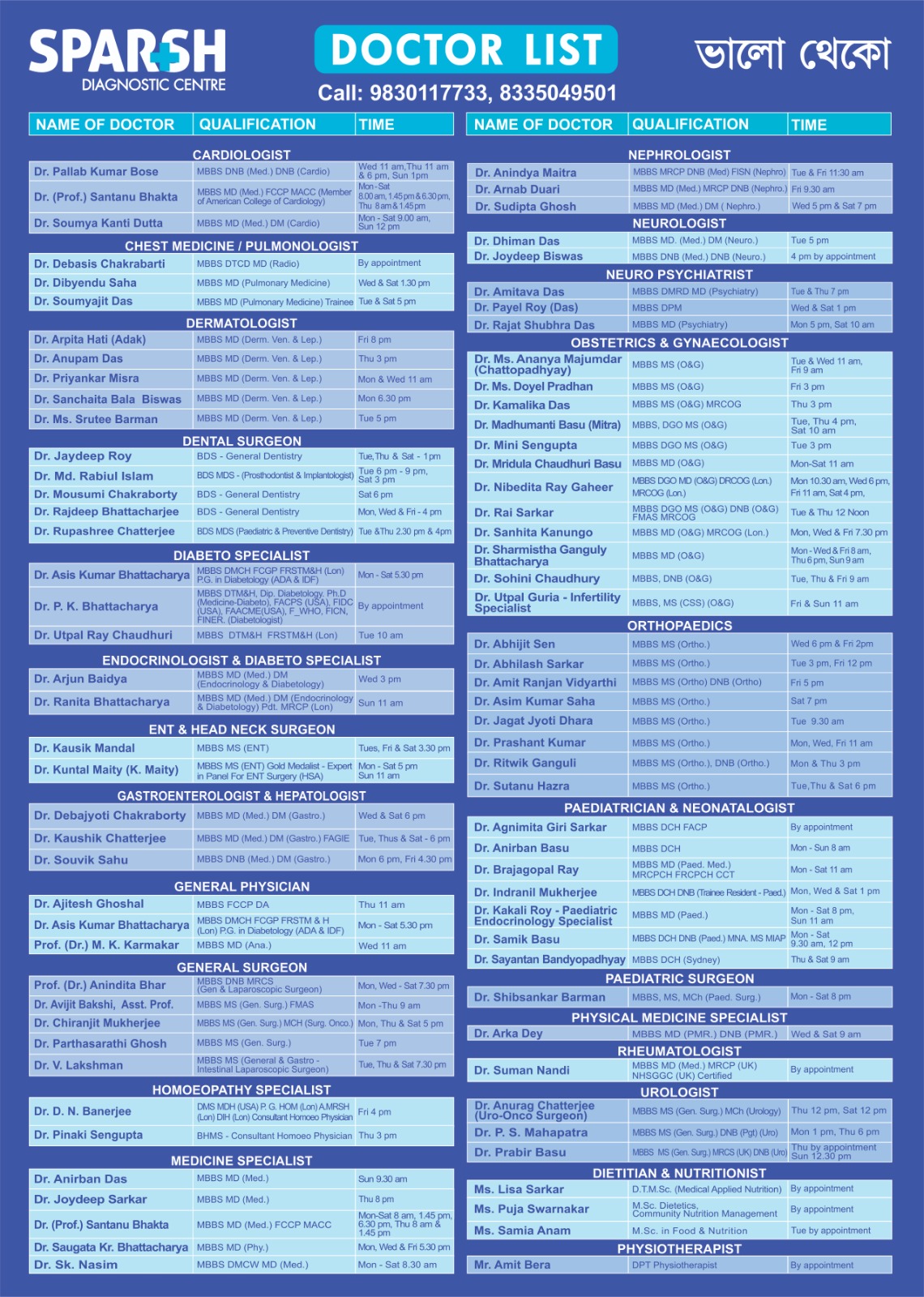
Sparsh Doctor List


[…] condition is different from aspiration pneumonitis, which is irritation caused by chemical injury from acidic stomach contents. Pneumonitis may […]