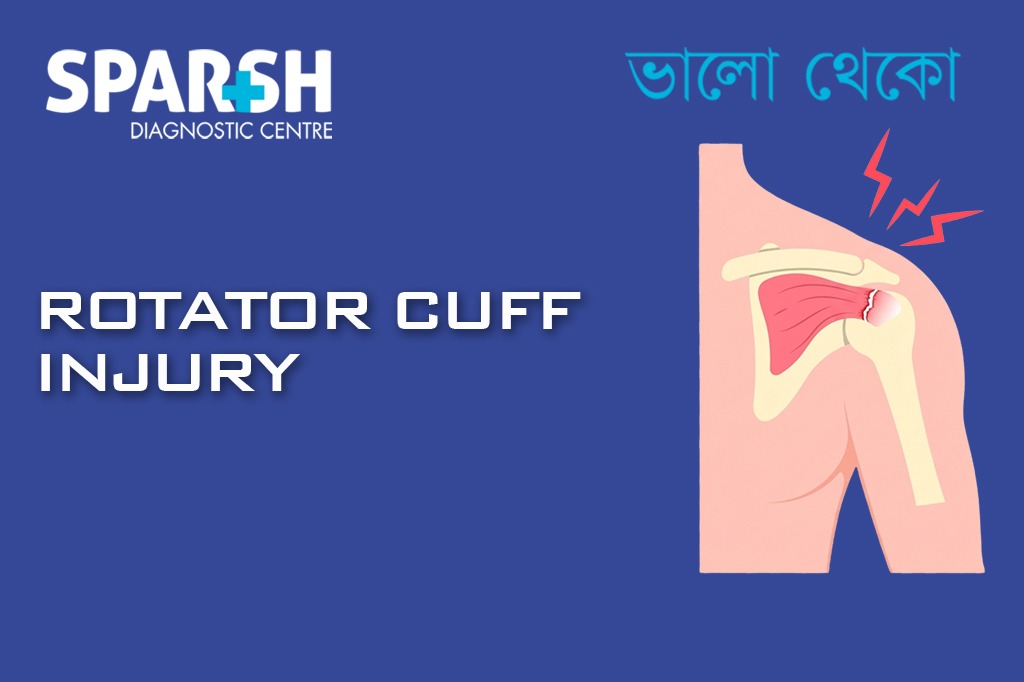
A Rotator Cuff Injury is one of the most common causes of shoulder pain, affecting people across all age groups—from athletes and fitness enthusiasts to office workers and older adults. If you’ve ever struggled to lift your arm, felt a deep ache in your shoulder, or noticed weakness during everyday tasks, your rotator cuff might be involved.
This guide walks you through everything you need to know—what the rotator cuff is, why injuries happen, how to recognize the signs, and what you can do to recover effectively.
What Is the Rotator Cuff?
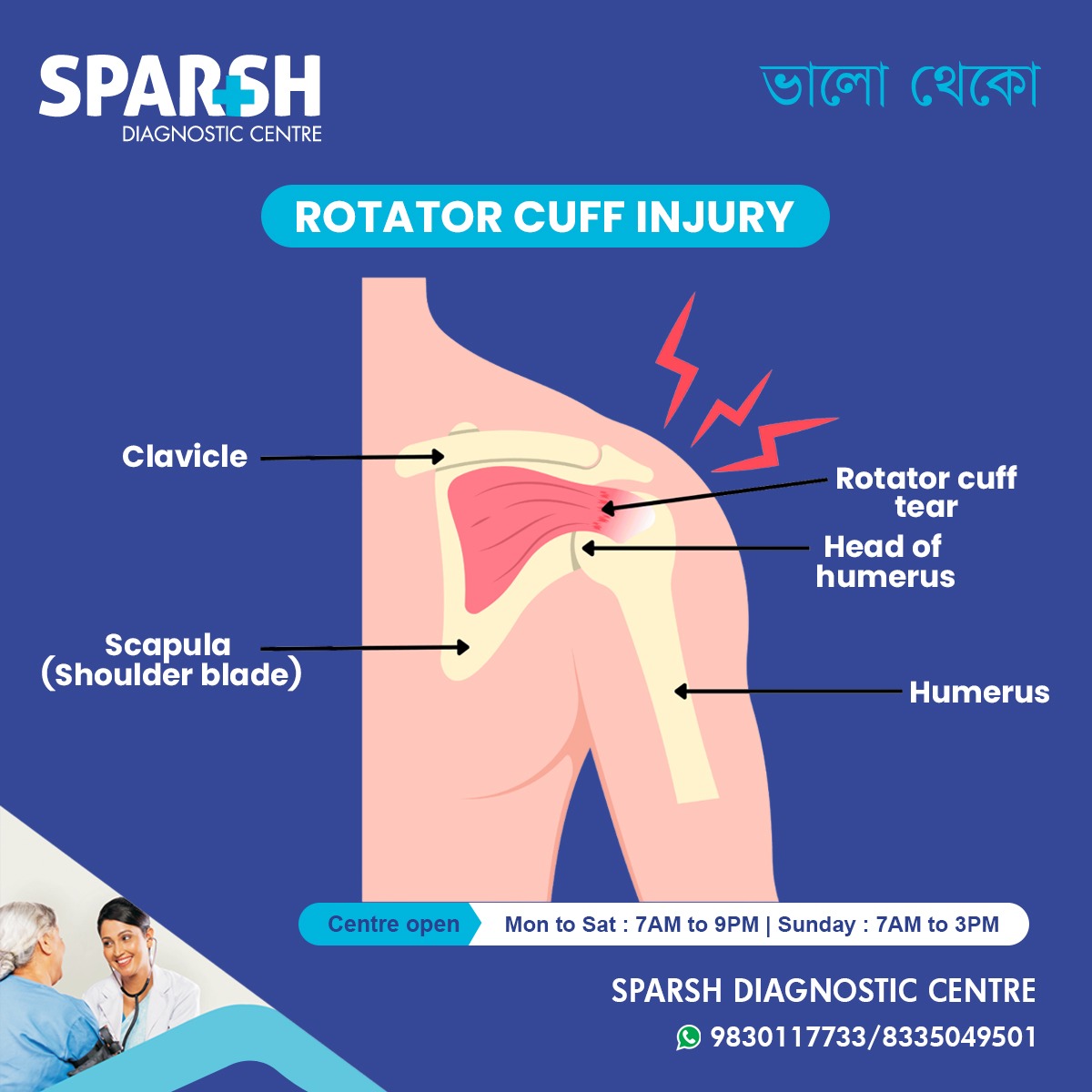
The rotator cuff is a group of four muscles and tendons that surround the shoulder joint. These structures work together to stabilize the head of the upper arm bone (humerus) within the shoulder socket and allow smooth arm movement.
Think of it as a support system that keeps your shoulder steady while enabling motion—whether you’re reaching overhead, lifting weights, or simply combing your hair.
What Is a Rotator Cuff Injury?
A rotator cuff injury occurs when one or more of these tendons become irritated, inflamed, or torn. The severity can vary widely—from mild inflammation (tendinitis) to partial or complete tears.
These injuries can develop gradually over time due to repetitive use or suddenly due to trauma, like a fall or heavy lifting.
Common Causes of Rotator Cuff Injuries
1. Repetitive Motion
Repeated overhead activities—like painting, swimming, or playing tennis—can strain the rotator cuff over time.
2. Age-Related Degeneration
As we age, blood supply to the tendons decreases, making them more prone to wear and tear.
3. Acute Injury
A sudden fall or lifting something heavy incorrectly can lead to a tear.
4. Poor Posture
Slouching or rounded shoulders can compress the rotator cuff tendons, leading to irritation.
5. Bone Spurs
Extra bone growth can rub against the tendon, causing damage over time.
Symptoms of a Rotator Cuff Injury
The symptoms can range from mild discomfort to severe pain, depending on the type and extent of the injury.
Early Signs
- Dull ache deep in the shoulder
- Pain when reaching overhead
- Difficulty sleeping on the affected side
Moderate Symptoms
- Weakness in the arm
- Pain when lifting or lowering the arm
- Clicking or popping sensations
Severe Symptoms
- Sudden sharp pain after injury
- Significant weakness
- Inability to lift the arm
- Persistent pain even at rest
Types of Rotator Cuff Injuries
1. Tendinitis
Inflammation of the rotator cuff tendons, often caused by overuse.
2. Bursitis
Inflammation of the bursa (a fluid-filled sac that cushions the joint).
3. Partial Tear
The tendon is damaged but not completely severed.
4. Full-Thickness Tear
The tendon is completely torn, often requiring more advanced treatment.
Who Is at Risk?
Certain groups are more prone to developing a Rotator Cuff Injury:
- Athletes (especially swimmers, baseball players, and tennis players)
- Manual laborers
- People over 40
- Individuals with poor posture
- Those with a history of shoulder injuries
How Is a Rotator Cuff Injury Diagnosed?
Physical Examination
A doctor evaluates your shoulder strength, range of motion, and pain points.
Imaging Tests
- X-rays: Identify bone abnormalities
- MRI scans: Detect soft tissue damage
- Ultrasound: Assess tendon movement in real time
Early diagnosis is crucial to prevent worsening of the condition.
Treatment Options for Rotator Cuff Injury
Treatment depends on the severity of the injury. The good news is that many cases improve without surgery.
1. Rest and Activity Modification
Avoid activities that worsen the pain, especially overhead movements.
2. Ice Therapy
Applying ice packs helps reduce inflammation and pain.
3. Medications
Over-the-counter pain relievers like ibuprofen can help manage symptoms.
4. Physical Therapy
This is one of the most effective treatments. A structured program can:
- Improve flexibility
- Strengthen shoulder muscles
- Restore range of motion
5. Steroid Injections
Corticosteroid injections may be used for persistent inflammation.
6. Surgery
In severe cases, especially full-thickness tears, surgical repair may be necessary.
Recovery Timeline
Recovery varies depending on the severity of the injury and the treatment approach.
- Mild cases: 2–6 weeks
- Moderate injuries: 6–12 weeks
- Post-surgery recovery: 4–6 months or longer
Consistency in rehabilitation is key to a successful recovery.
Exercises for Rotator Cuff Rehabilitation
Before starting any exercise, consult a healthcare professional. Here are some commonly recommended exercises:
1. Pendulum Stretch
Lean forward and let your arm hang. Gently swing it in small circles.
2. Crossover Arm Stretch
Pull your arm across your chest to stretch the shoulder.
3. External Rotation with Resistance Band
Strengthens the rotator cuff muscles.
4. Wall Crawls
Use your fingers to “walk” your arm up a wall.
These exercises help rebuild strength without overloading the joint.
Preventing Rotator Cuff Injuries
Prevention is always better than treatment. Here’s how you can protect your shoulders:
- Maintain good posture
- Warm up before exercise
- Strengthen shoulder and upper back muscles
- Avoid repetitive overhead movements when possible
- Use proper lifting techniques
Small lifestyle changes can significantly reduce your risk.
When Should You See a Doctor?
Don’t ignore persistent shoulder pain. Seek medical attention if you experience:
- Pain lasting more than a few weeks
- Weakness in the arm
- Limited range of motion
- Sudden injury followed by severe pain
Early intervention can prevent long-term complications.
Complications of Untreated Rotator Cuff Injuries
Ignoring a Rotator Cuff Injury can lead to:
- Chronic pain
- Frozen shoulder
- Progressive tendon damage
- Loss of shoulder function
Timely treatment can help avoid these issues.
Lifestyle Tips for Faster Recovery
- Stay consistent with physiotherapy
- Avoid sleeping on the injured side
- Use ergonomic work setups
- Maintain a healthy diet to support tissue healing
- Stay patient—recovery takes time
Rotator Cuff Injury vs Frozen Shoulder
These conditions are often confused but are different:
| Feature | Rotator Cuff Injury | Frozen Shoulder |
|---|---|---|
| Pain | Sharp or aching | Gradual, stiff pain |
| Movement | Painful but possible | Severely restricted |
| Cause | Injury or overuse | Often unknown |
| Recovery | Weeks to months | Months to years |
Understanding the difference helps ensure proper treatment.
FAQs About Rotator Cuff Injury
1. Can a rotator cuff injury heal on its own?
Yes, mild cases can heal with rest, physical therapy, and proper care. However, more severe tears may require medical intervention.
2. How do I know if I have a torn rotator cuff?
Symptoms include persistent pain, weakness, and difficulty lifting your arm. Imaging tests like MRI confirm the diagnosis.
3. Is surgery always necessary?
No, most cases improve with non-surgical treatments. Surgery is typically reserved for severe or complete tears.
4. How long does recovery take?
Recovery can range from a few weeks to several months, depending on severity and treatment.
5. Can exercise worsen the injury?
Yes, improper or excessive exercise can aggravate the condition. Always follow guided physiotherapy.
6. What is the best sleeping position?
Sleep on your back or the unaffected side with a pillow supporting your arm.
7. Are rotator cuff injuries common?
Yes, especially among older adults and people who perform repetitive shoulder movements.
8. Can I continue working out?
You can, but avoid exercises that strain the shoulder. Focus on lower-body workouts and safe upper-body movements.
To consult an Orthopedic Surgeon at Sparsh Diagnostic Centre, call our helpline numbers 9830117733/ 8335049501.
#BhaloTheko
Disclaimer:
No content on this site, regardless of date, should ever be used as a substitute for direct medical advice from your doctor or other qualified clinician.