

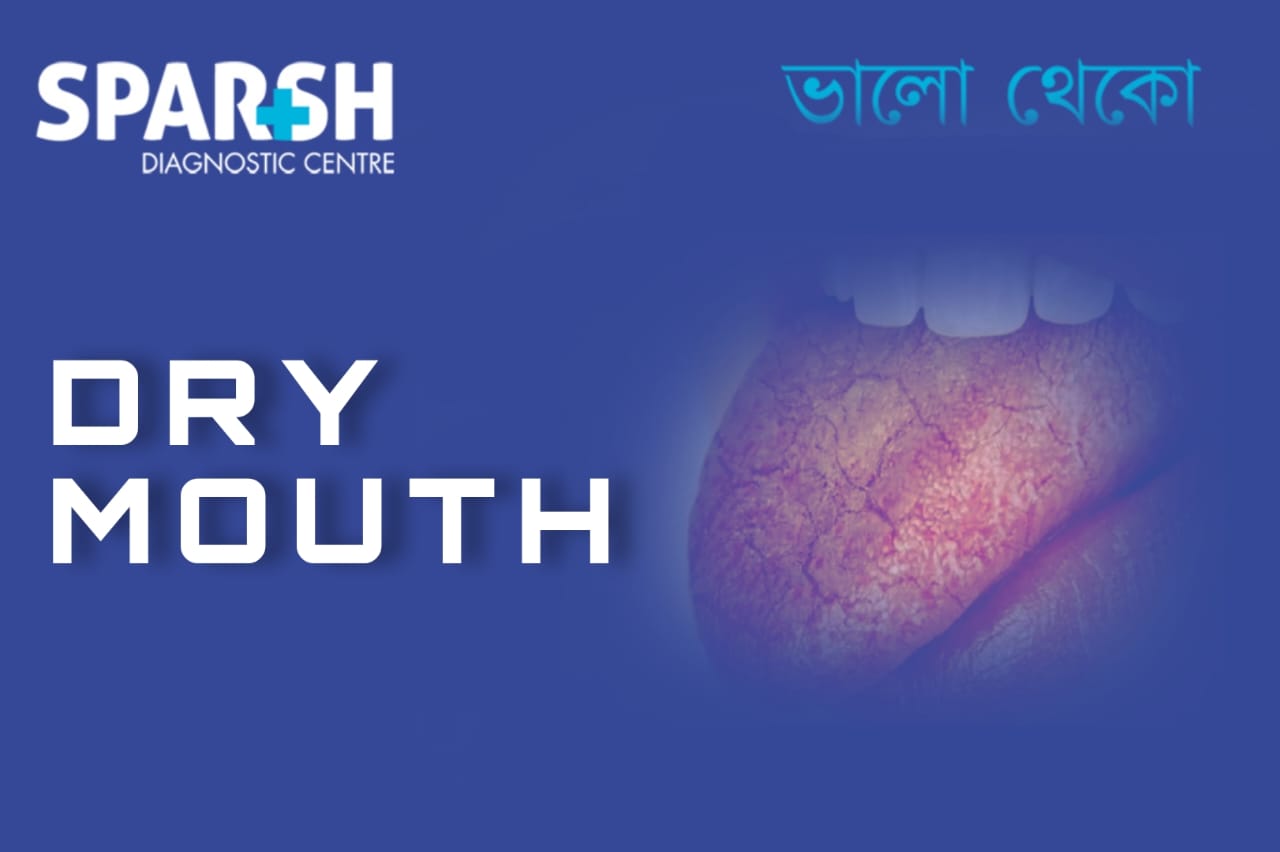
A dry mouth once in a while is usually nothing to worry about. You may notice it after exercising, waking up after sleeping with your mouth open, feeling nervous before an important event, or simply not drinking enough fluids.
But when your mouth feels dry again and again—even when you drink plenty of water—it deserves a closer look.
Dry mouth, medically known as xerostomia, occurs when there is not enough saliva to keep the mouth comfortably moist. Saliva does much more than simply wet the mouth. It helps with chewing and swallowing, supports taste, washes away food particles and acids, protects teeth from decay, and helps control microorganisms in the mouth. When saliva production falls, problems such as bad breath, mouth sores, cavities, gum disease and oral infections can become more likely.
The good news is that dry mouth can often be managed effectively once its underlying cause is identified.
What does xerostomia feel like?
People experience dry mouth differently. Some describe their mouth as “sticky,” while others feel as though their tongue is sticking to the roof of their mouth.
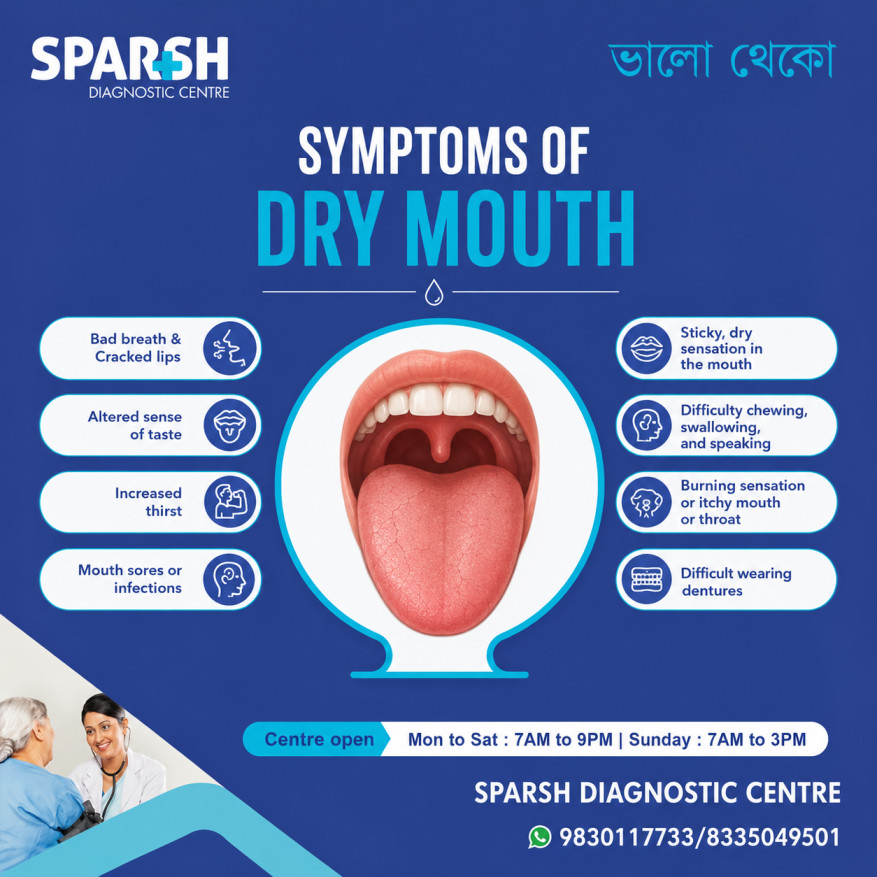
Common symptoms include:
- A persistent dry or sticky feeling in the mouth
- Thick, stringy saliva
- Increased thirst
- Dry or cracked lips
- Dry, rough or grooved tongue
- Bad breath
- Burning or itching in the mouth or throat
- Sore throat or hoarseness
- Difficulty chewing or swallowing
- Difficulty speaking for long periods
- Changes in taste
- Mouth sores
- Recurrent oral infections
- Difficulty wearing dentures comfortably
These are recognised features of xerostomia and reduced salivary flow.
Why is my mouth so dry even when I drink water?
This is one of the most common questions about dry mouth.
Drinking water does not necessarily solve dry mouth if the underlying problem is reduced saliva production.
Water temporarily moistens the mouth, but your salivary glands need to produce saliva continuously to maintain normal lubrication and protection. If certain medicines, medical conditions, mouth breathing, anxiety, salivary gland problems or cancer treatments are reducing saliva production, your mouth can continue to feel dry despite drinking plenty of water.
So, if you constantly need to drink water but still feel that your mouth is dry, don’t automatically assume that you simply need more water. The cause may need to be investigated.
Why am I getting xerostomia?
There isn’t one single cause. In fact, medications are among the most common causes of persistent dry mouth.
1. Medicines
Hundreds of prescription and over-the-counter medicines can reduce saliva production. Common examples include some:
- Antidepressants
- Antihistamines
- Decongestants
- Blood pressure medicines
- Pain medicines
- Diuretics
- Anti-anxiety medicines
- Muscle relaxants
- Medicines for bladder problems
- Some neurological medicines
The risk may be higher when a person takes several medicines at the same time.
Never stop a prescribed medicine on your own because you suspect it is causing dry mouth. A doctor may be able to adjust the dose or recommend an alternative.
2. Dehydration
Not drinking enough fluids, excessive sweating, fever, vomiting or diarrhea can temporarily reduce moisture in the mouth.
3. Mouth breathing
A blocked nose, snoring or sleeping with the mouth open can leave you with a particularly dry mouth in the morning.
4. Stress and anxiety
Yes, stress can cause dry mouth. Feeling nervous or anxious can temporarily alter saliva production, which is why your mouth may suddenly feel dry before a presentation, examination, interview or stressful situation.
If the dryness continues after the stressful situation has passed, however, it is worth considering other causes.
5. Diabetes
Yes, dry mouth can be a symptom of diabetes, particularly when blood sugar is high. Increased urination associated with high blood sugar can contribute to fluid loss, while diabetes itself can also be associated with reduced saliva and oral problems. Dry mouth may occasionally be one of the symptoms that leads someone to discover they have diabetes.
If persistent dry mouth occurs along with excessive thirst, frequent urination, unexplained weight loss, tiredness or blurred vision, speak with a doctor about whether blood glucose testing is appropriate.
6. Sjögren’s disease
Sjögren’s disease is an autoimmune condition that commonly affects the salivary and tear glands. People may experience both persistent dry mouth and dry eyes. Salivary gland swelling and joint symptoms can also occur.
7. Cancer treatment
Chemotherapy can affect the amount and consistency of saliva, while radiation therapy involving the head and neck can damage salivary glands. Depending on the treatment and extent of gland damage, dryness may be temporary or long-lasting.
8. Salivary gland problems
Salivary gland inflammation, obstruction from salivary stones, injury or other gland disorders can interfere with saliva flow. These conditions may sometimes cause swelling or pain around the jaw, face or underneath the tongue.
What Is Dry Mouth a Symptom Of?
Persistent dry mouth can be a symptom of many different conditions rather than a disease in itself.
Possible causes include:
- Dehydration
- Diabetes
- Sjögren’s disease
- Certain infections
- Salivary gland disorders
- Stroke
- Nerve damage
- Autoimmune conditions
- Hormonal changes
- Some neurological conditions
- Anxiety or stress
- Side effects of medicines
- Chemotherapy or radiation therapy
It is important not to assume that one particular disease is responsible simply because you have dry mouth. The history, other symptoms, medicines and examination all matter.
Is Dry Mouth a Deficiency?
Dry mouth is not simply a deficiency of water, vitamin B12 or another single nutrient.
The underlying problem is usually insufficient saliva, altered saliva, dehydration, medication effects or another medical or oral condition.
However, nutritional deficiencies can sometimes contribute to oral symptoms. A person with persistent mouth symptoms may therefore need an appropriate medical assessment rather than simply taking supplements.
Can B12 Deficiency Cause Dry Mouth?
A vitamin B12 deficiency is not considered one of the main direct causes of xerostomia. However, nutritional deficiencies—including deficiencies involving B vitamins or iron—can be associated with oral symptoms such as burning or soreness.
If you have dry mouth together with a sore or burning tongue, mouth discomfort, fatigue or other symptoms suggestive of nutritional deficiency, a doctor can decide whether blood tests are appropriate.
Is Dry Mouth a Symptom of Heart Problems?
Dry mouth by itself is not considered a typical warning sign of heart disease.
However, there can be indirect connections. Some medicines used to treat cardiovascular conditions can cause dry mouth as a side effect. For example, many antihypertensive medicines are associated with xerostomia.
Therefore, if someone with high blood pressure or heart disease develops dry mouth, the medication list should be reviewed—but prescribed medicines should not be stopped without medical advice.
If dry mouth occurs alongside chest pain, pressure in the chest, severe breathlessness, fainting or sudden sweating, seek urgent medical attention rather than assuming the symptoms are related to dehydration or dry mouth.
Is Dry Mouth a Disorder?
Xerostomia is a condition or symptom rather than necessarily a disease by itself.
An important distinction is that xerostomia describes the subjective feeling of having a dry mouth. A person can sometimes experience the sensation even when measured saliva production is not significantly reduced. Conversely, reduced salivary flow can increase the risk of oral complications.
That is why a proper evaluation can be more useful than simply trying different home remedies.
Is Dry Mouth a Serious Symptom?
Usually, an occasional dry mouth is not serious.
Persistent dry mouth, however, should not be ignored.
Saliva protects the teeth and oral tissues. When there isn’t enough of it, the risk of:
- Tooth decay
- Gum disease
- Tooth sensitivity
- Mouth sores
- Oral thrush
- Cracked lips
- Bad breath
- Difficulty eating
- Difficulty swallowing
can increase.
Persistent dry mouth can therefore become a significant dental and quality-of-life problem even when the original cause is relatively simple, such as a medication side effect.
How Is Dry Mouth Diagnosed?
Your dentist or doctor will usually start by asking about:
- When the dryness began
- Whether it is constant or occasional
- Medicines and supplements you take
- Fluid intake
- Sleep and mouth breathing
- Other medical conditions
- Dry eyes or joint symptoms
- Changes in taste
- Oral infections or sores
The mouth may be examined for dryness, cracks, tongue changes, cavities, gum disease and infections.
Depending on the situation, further testing may include blood tests, salivary flow measurements, imaging of the salivary glands or other investigations to identify the underlying cause.
What Is the Best Cure for Dry Mouth?
There is no single cure that works for everyone because treatment depends on the cause.
The most effective approach is usually:
Find the cause → treat the cause → increase or replace moisture → protect the teeth and gums.
For example, if a medicine is responsible, your doctor may modify the treatment. If high blood sugar is contributing to the problem, better diabetes management may help. If mouth breathing is responsible, addressing nasal obstruction or another underlying problem may be useful.
For people who have remaining salivary gland function, sugar-free gum or lozenges can stimulate saliva. Artificial saliva and oral moisturisers can provide temporary relief.
In selected cases of severe dry mouth, prescription medicines such as pilocarpine or cevimeline may be considered by a healthcare professional. These medications aren’t appropriate for everyone and can have side effects.
How Do I Cure a Dry Mouth?
Rather than looking for a universal “cure,” think about treating the reason behind the dryness.
A practical treatment plan may include:
- Reviewing your medicines with your doctor.
- Drinking fluids regularly rather than waiting until you become very thirsty.
- Stimulating saliva with sugar-free chewing gum or sugar-free lozenges.
- Using artificial saliva or oral moisturising products if recommended.
- Managing conditions such as diabetes appropriately.
- Addressing mouth breathing or nasal obstruction.
- Maintaining excellent oral hygiene.
- Having regular dental examinations.
Treatment should be personalised, particularly when dry mouth is persistent or severe.
How to Relieve Dry Mouth at Home
Several simple measures can make a noticeable difference.
Sip water regularly
Take small, frequent sips throughout the day instead of drinking a large quantity only occasionally. Keeping water beside your bed can also help if you wake with a dry mouth.
Chew sugar-free gum
Chewing stimulates saliva production. Choose sugar-free gum to avoid unnecessarily increasing the risk of tooth decay.
Try sugar-free lozenges
Sugar-free hard candy or lozenges can stimulate saliva. Products containing xylitol may also be useful for oral health, although they should not be treated as a cure for xerostomia.
Use a humidifier at night
A cool-mist humidifier can be particularly helpful if you sleep with your mouth open or live in a dry environment.
Avoid tobacco and alcohol
Both can worsen oral dryness. Alcohol-containing mouthwashes may also be irritating for some people with dry mouth.
Reduce excessive caffeine
Coffee, tea and caffeinated drinks may worsen dryness in some people, particularly when overall fluid intake is inadequate.
Protect your lips
A simple lip balm can help with cracked or uncomfortable lips.
Take oral hygiene seriously
Brush twice a day with fluoride toothpaste and clean between your teeth regularly. Because dry mouth increases the risk of cavities and gum disease, preventive dental care becomes particularly important.
What Foods Help With Dry Mouth?
The best foods for someone with dry mouth are generally soft, moist and easy to swallow.
Good options can include:
- Soups and broths
- Yogurt
- Oatmeal or porridge
- Soft cooked vegetables
- Eggs
- Moist rice dishes
- Smoothies without excessive added sugar
- Soft fruits with high water content
- Foods prepared with gravy or sauces
Take small sips of water with meals if chewing and swallowing are difficult.
Some people find acidic, spicy or very salty foods uncomfortable because dry oral tissues can be more sensitive.
Be careful with frequent sugary snacks or drinks. Since saliva normally helps protect teeth, frequent sugar exposure can be particularly problematic when saliva production is reduced.
Can Dry Mouth Go Away?
Yes, dry mouth can go away in some people.
If it is caused by temporary dehydration, stress, an acute illness, mouth breathing or a medication that can be changed, symptoms may improve when the trigger is removed.
Dry mouth following certain cancer treatments can also improve, although recovery varies. Radiation-related salivary gland damage can sometimes be long-lasting.
When xerostomia results from permanent salivary gland damage or a chronic condition, complete resolution may not be possible—but symptoms can often be managed.
When Should You See a Doctor or Dentist?
Make an appointment if your dry mouth:
- Persists for several weeks
- Keeps coming back without an obvious reason
- Makes eating or swallowing difficult
- Is accompanied by frequent mouth infections
- Causes significant mouth soreness or burning
- Is associated with very high thirst or frequent urination
- Occurs with dry eyes or joint symptoms
- Started after beginning a new medicine
- Is causing repeated cavities or gum problems
Persistent dry mouth deserves assessment because identifying the underlying cause early can help prevent complications.
Frequently Asked Questions About Dry Mouth
1. What is dry mouth a symptom of?
Dry mouth can be associated with dehydration, medicines, diabetes, Sjögren’s disease, mouth breathing, anxiety, salivary gland disorders, nerve damage, cancer treatment and several other medical conditions. The cause cannot be determined from dry mouth alone.
2. What is the best cure for a dry mouth?
There is no universal cure. The best treatment is to identify and address the underlying cause while keeping the mouth moist and protecting the teeth. Depending on the cause, treatment may involve medication adjustment, saliva substitutes, saliva stimulation or prescription treatment.
3. What is a dry mouth a deficiency of?
Dry mouth is primarily related to insufficient saliva or reduced oral moisture, not necessarily a vitamin deficiency. Dehydration can cause it, but persistent xerostomia may result from medicines, medical conditions or salivary gland dysfunction.
4. Why is my mouth so dry even when I drink water?
Because drinking water does not necessarily restore normal saliva production. If your salivary glands are producing too little saliva, the mouth can remain dry despite adequate water intake.
5. Why am I getting my mouth dry?
Common reasons include dehydration, medicines, anxiety, mouth breathing, diabetes, salivary gland problems and certain autoimmune conditions. A medication review is particularly important because medicines are a common cause.
6. Is dry mouth a symptom of heart problems?
Dry mouth alone is not a typical symptom of heart disease. However, some medicines used for cardiovascular conditions can cause dry mouth. Do not stop heart or blood-pressure medicines without medical advice.
7. Can dry mouth go away?
Yes. Temporary dry mouth can disappear when the underlying trigger resolves. Chronic xerostomia may require long-term management, particularly if the salivary glands have been permanently damaged.
8. Is dry mouth a symptom of diabetes?
Yes. Dry mouth can occur with high blood sugar and may sometimes be an early noticeable symptom of diabetes.
9. How can I relieve dry mouth at home?
Sip water regularly, chew sugar-free gum, use sugar-free lozenges, avoid tobacco and alcohol, limit excessive caffeine, consider a humidifier at night and maintain excellent oral hygiene.
10. Is dry mouth a disorder?
Xerostomia is a condition or symptom describing the sensation of oral dryness. It may occur with or without objectively reduced saliva production. The underlying cause may be medication-related, medical, psychological or related to the salivary glands.
11. Can a B12 deficiency cause dry mouth?
B12 deficiency is not one of the major direct causes of xerostomia. Nutritional deficiencies can, however, contribute to oral symptoms such as burning or soreness. If you have several symptoms, your doctor can determine whether nutritional testing is appropriate.
12. Can stress cause dry mouth?
Yes. Stress and anxiety can temporarily reduce saliva and make your mouth feel dry. Persistent symptoms should not automatically be blamed on stress, especially if there are other symptoms.
13. Is dry mouth a serious symptom?
Occasional dryness usually isn’t serious. Persistent dry mouth can become important because inadequate saliva increases the risk of cavities, gum disease, infections, mouth sores and difficulty eating or swallowing.
14. What foods help with dry mouth?
Soft and moist foods such as soups, yogurt, oatmeal, eggs, cooked vegetables and foods with healthy sauces or gravy may be easier to eat. Water-rich foods can also help with moisture, while very salty, spicy or acidic foods may irritate a dry mouth.
15. How do I cure a dry mouth?
Start by finding the cause. Review medicines with your doctor, stay hydrated, stimulate saliva with sugar-free gum or lozenges, consider saliva substitutes and maintain careful dental hygiene. Severe or persistent cases may require professional treatment.
Final Thoughts
Dry mouth may seem like a minor inconvenience, but saliva is an important part of your oral health. When saliva production stays low, your teeth, gums and oral tissues lose some of their natural protection.
If your mouth occasionally feels dry after a stressful day or because you haven’t had enough fluids, simple measures may be enough. But if you are constantly drinking water and still experiencing a dry mouth, don’t keep treating the symptom without looking for the cause.
A dentist or doctor can review your symptoms, medicines and medical history and determine whether you need further testing. In many cases, identifying the underlying problem is the key to getting lasting relief.
For persistent dry mouth, especially when accompanied by mouth sores, recurrent infections, difficulty swallowing, excessive thirst or other unexplained symptoms, professional evaluation is recommended.
Medical note
This article is intended for general health education and does not replace an examination or personalised medical advice. Treatment should be based on the underlying cause of dry mouth and your individual health needs.
Medically Reviewed By
This article has been medically reviewed by Dr. Jaydeep Roy, BDS, Dental Surgeon at Sparsh Diagnostic Centre.
The content has been reviewed for medical accuracy, clinical relevance and clarity to ensure that the information about root canal treatment, its procedure, recovery, benefits and potential risks is consistent with current dental practice and patient-care guidance.
Medical Reviewer: Dr. Jaydeep Roy, BDS
Speciality: Dentistry
Medical Review Date: 4th September 2026
This article is intended for general health information and educational purposes only. It should not be used as a substitute for professional dental advice, diagnosis or treatment.
Disclaimer:
No content on this site, regardless of date, should ever be used as a substitute for direct medical advice from your doctor or other qualified clinician.


[…] fluid loss through stools can lead to dehydration, causing dizziness, dry mouth, fatigue, and reduced urine […]
[…] Dry mouth and dry skin […]
[…] Dry mouth […]
[…] (dry mouth, dizziness, […]
[…] Dry mouth and itchy skin […]
[…] of dehydration (dry mouth, little or no urination, […]
[…] pain relievers, and medications for anxiety or depression, can cause side effects like nausea, dry mouth, or altered taste, which contribute to loss of […]
[…] Dry mouth […]
[…] 4. Dry Mouth (Xerostomia) […]
[…] products contribute to dry mouth, increase bacterial growth, and leave a persistent odor in the mouth and […]
[…] (signs include dry mouth, excessive thirst, little or no urination, dizziness, and dark-colored […]
[…] Severe dehydration (dark urine, dizziness, dry mouth) […]
[…] Awakening with a dry mouth […]
[…] Dry mouth […]
[…] situations can trigger an adrenaline rush, causing symptoms like sweaty palms, a racing heart, or a dry mouth. While uncomfortable, these symptoms are part of the body’s effort to prepare you for the […]