The liver is one of the most vital organs in the human body, responsible for detoxification, metabolism, and overall health. Unfortunately, several viral infections can affect the liver, and among them, Hepatitis D is one of the most severe.
Hepatitis D, also known as Hepatitis Delta, is a liver infection caused by the Hepatitis D virus (HDV). It is an incomplete virus that requires the Hepatitis B virus (HBV) to replicate. Therefore, Hepatitis D infection occurs only in people who are already infected with Hepatitis B.
This makes Hepatitis D a co-infection (occurring simultaneously with HBV) or a superinfection (when HDV infects a person already chronically infected with HBV). Understanding this disease is crucial for early diagnosis, treatment, and prevention.
What Is Hepatitis D?
It is a serious liver disease caused by the Hepatitis D virus (HDV), which relies on Hepatitis B surface antigen (HBsAg) for its replication. HDV infection accelerates liver damage and increases the risk of complications such as cirrhosis and liver cancer.
Unlike other forms of hepatitis, HDV cannot infect someone without the presence of the Hepatitis B virus. Thus, vaccination against Hepatitis B also protects against Hepatitis D.
Causes of Hepatitis D
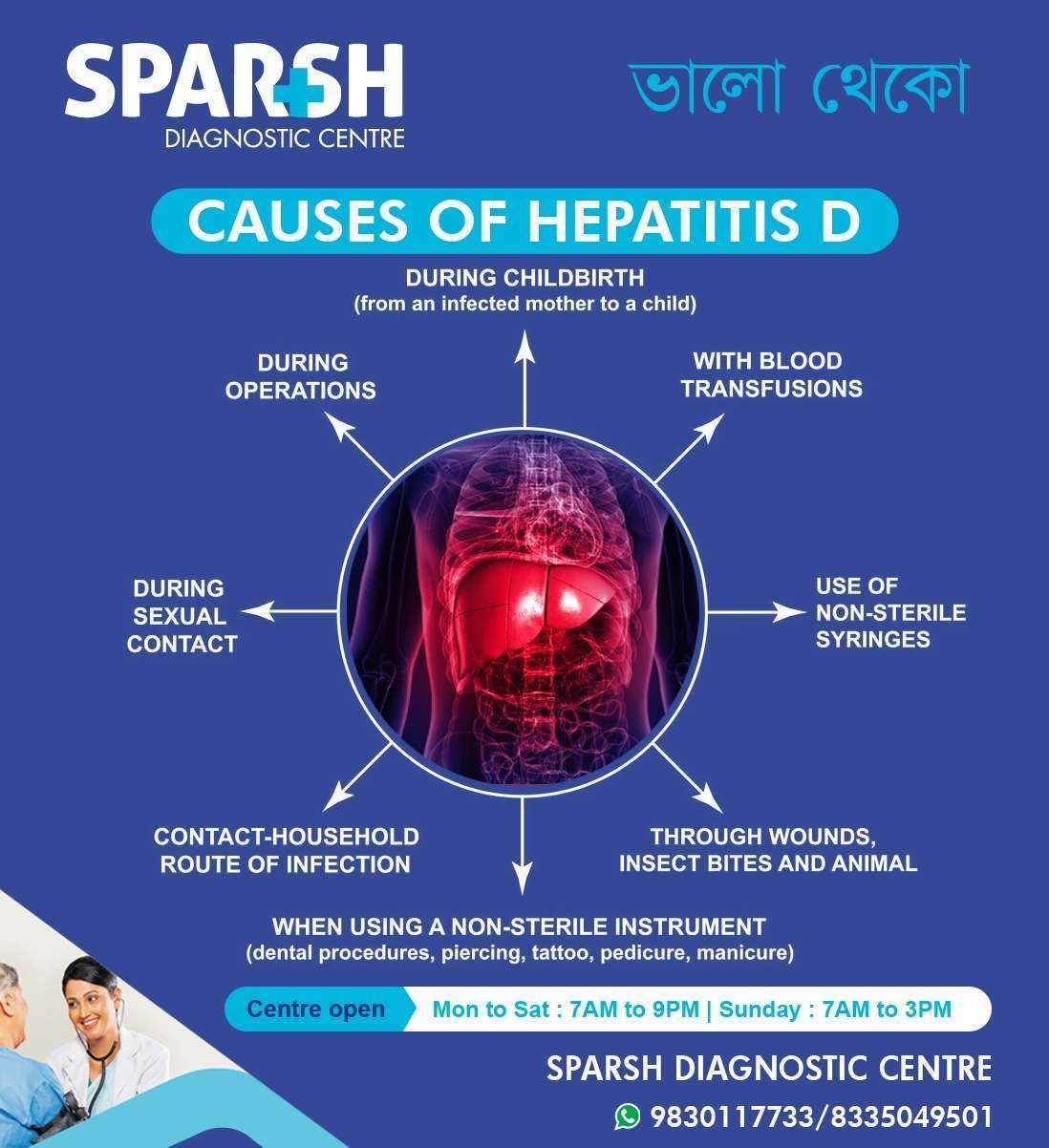
The Hepatitis D virus spreads through contact with infected blood or body fluids. The main causes and transmission routes include:
1. During Childbirth
An infected mother can transmit the virus to her child during childbirth. This vertical transmission is a common route in high-prevalence regions.
2. With Blood Transfusions
Receiving contaminated blood or blood products increases the risk of infection, especially if screening protocols are not followed.
3. Use of Non-Sterile Syringes
Reusing or sharing contaminated needles and syringes — common among drug users or in unsafe medical settings — is a significant cause of transmission.
4. Through Operations or Medical Procedures
HDV can spread during surgical operations if instruments are not properly sterilized.
5. During Sexual Contact
Unprotected sexual activity with an infected partner can transmit both Hepatitis B and D viruses.
6. Contact-Household Route of Infection
Sharing razors, toothbrushes, or other personal items contaminated with infected blood can result in HDV infection.
7. Through Wounds, Insect Bites, and Animals
Though rare, transmission can occur through contact with infected blood via open wounds or possibly through insect bites.
8. Using Non-Sterile Instruments for Tattoos or Piercing
Using contaminated tools during tattooing, piercing, pedicure, manicure, or dental procedures can lead to Hepatitis D infection.
Symptoms of Hepatitis D
Symptoms vary depending on whether the infection is acute (short-term) or chronic (long-term).
Acute Hepatitis D Symptoms:
Abdominal pain (especially in the upper right side)
Pale or clay-colored stools
Joint pain and muscle aches
Chronic Hepatitis D Symptoms:
If it becomes chronic, the symptoms may progress slowly but can lead to severe complications. These include:
Weight loss
Easy bruising or bleeding
Signs of liver failure or cirrhosis
Complications of Hepatitis D
Hepatitis D infection can progress rapidly and cause more severe liver damage than Hepatitis B alone. The major complications include:
Cirrhosis (scarring of the liver)
Liver failure
Hepatocellular carcinoma (liver cancer)
Chronic Hepatitis D infection
Death in severe cases of acute liver failure
Early detection and proper treatment are essential to prevent these complications.
Diagnosis of Hepatitis D
Diagnosis involves several blood tests and imaging studies to detect HDV infection and assess liver damage.
Common Diagnostic Tests:
Hepatitis D Antibody Test (Anti-HDV):
Detects antibodies to HDV, indicating past or current infection.HDV RNA Test (PCR Test):
Confirms active infection by detecting the presence of HDV RNA in the blood.Hepatitis B Surface Antigen (HBsAg) Test:
Since HDV requires HBV, this test confirms concurrent Hepatitis B infection.Liver Function Tests (LFTs):
Measure enzymes and bilirubin levels to assess liver health.Liver Ultrasound or Elastography:
Used to detect scarring, inflammation, or other structural changes in the liver.Liver Biopsy:
In severe cases, a biopsy may be performed to evaluate the extent of liver damage.
Treatment for Hepatitis D
Currently, there is no specific antiviral cure for Hepatitis D, but treatments can help manage symptoms, reduce viral load, and prevent complications.
1. Antiviral Medications
The primary treatment option is Pegylated Interferon-alpha (Peg-IFN-α), which helps suppress viral replication. However, its effectiveness varies and side effects can occur.
2. Newer Therapies
Recent research has introduced drugs such as Bulevirtide, which blocks HDV entry into liver cells and shows promising results in clinical trials.
3. Supportive Care
Patients should follow a liver-friendly lifestyle by:
Avoiding alcohol and liver-toxic drugs
Eating a balanced diet rich in fruits and vegetables
Managing weight
Getting regular medical checkups
4. Treatment of Hepatitis B
Since HDV depends on HBV, managing Hepatitis B infection is crucial. Antiviral medications for HBV can help reduce the severity of co-infection.
5. Liver Transplantation
In advanced liver failure or cirrhosis, liver transplantation may be the only curative option.
Prevention of Hepatitis D
Because Hepatitis D only occurs in people infected with Hepatitis B, preventing Hepatitis B automatically prevents Hepatitis D.
Prevention Strategies:
Get vaccinated against Hepatitis B. The HBV vaccine provides complete protection against HDV.
Avoid sharing needles or syringes.
Ensure use of sterile medical and dental instruments.
Practice safe sex (use condoms).
Avoid sharing razors, toothbrushes, or nail clippers.
Choose licensed tattoo and piercing studios that follow hygiene protocols.
Screen blood donations carefully before transfusions.
Living with Hepatitis D
If you are diagnosed with Hepatitis D, regular medical care and monitoring are essential. Work closely with your hepatologist or gastroenterologist to track your liver function and viral load.
Emotional and psychological support are also important, as chronic illness can affect mental health. Joining patient support groups can help in coping with the condition.
Why Early Diagnosis Matters
Early diagnosis allows timely intervention to prevent severe liver damage. At Sparsh Diagnostic Centre, we provide comprehensive liver health screenings and advanced diagnostic tests to detect viral hepatitis early and manage it effectively.
Our experienced healthcare professionals ensure accurate testing, prompt diagnosis, and guidance for further treatment.
Frequently Asked Questions (FAQ) about Hepatitis D
1. What is the difference between Hepatitis B and Hepatitis D?
Hepatitis B is caused by the HBV virus, while Hepatitis D is caused by the HDV virus, which can only infect people already infected with HBV. HDV depends on HBV to replicate.
2. Can it be cured completely?
Currently, there is no complete cure for Hepatitis D, but antiviral treatments like Pegylated Interferon-alpha can help manage the infection and slow disease progression.
3. Is it more dangerous than Hepatitis B?
Yes, Hepatitis D is generally more severe than Hepatitis B alone and progresses faster to liver failure or cirrhosis.
4. How can I know if I have Hepatitis D?
A simple blood test can detect HDV antibodies or HDV RNA in your blood. Consult your doctor for testing if you have Hepatitis B or symptoms of liver disease.
5. Can the Hepatitis B vaccine protect against it?
Yes, vaccination against Hepatitis B also prevents Hepatitis D because HDV cannot infect without HBV.
6. Is it contagious through casual contact?
No, Hepatitis D does not spread through casual contact such as hugging, shaking hands, or sharing food.
7. Can it cause liver cancer?
Yes, chronic Hepatitis D infection increases the risk of developing hepatocellular carcinoma (liver cancer).
Hepatitis D is a serious liver infection that requires prompt diagnosis and management. Since it depends on the Hepatitis B virus, vaccination against Hepatitis B is the best preventive measure.
If you suspect liver-related symptoms or have been diagnosed with Hepatitis B, it’s important to get tested for Hepatitis D as well.
At Sparsh Diagnostic Centre, we offer reliable diagnostic services, expert consultation, and comprehensive liver health checkups to ensure your well-being.
To get tested and treated for Hepatitis at Sparsh Diagnostic Centre, call our helpline number 9830117733.
#BhaloTheko
Disclaimer:
No content on this site, regardless of date, should ever be used as a substitute for direct medical advice from your doctor or other qualified clinician.