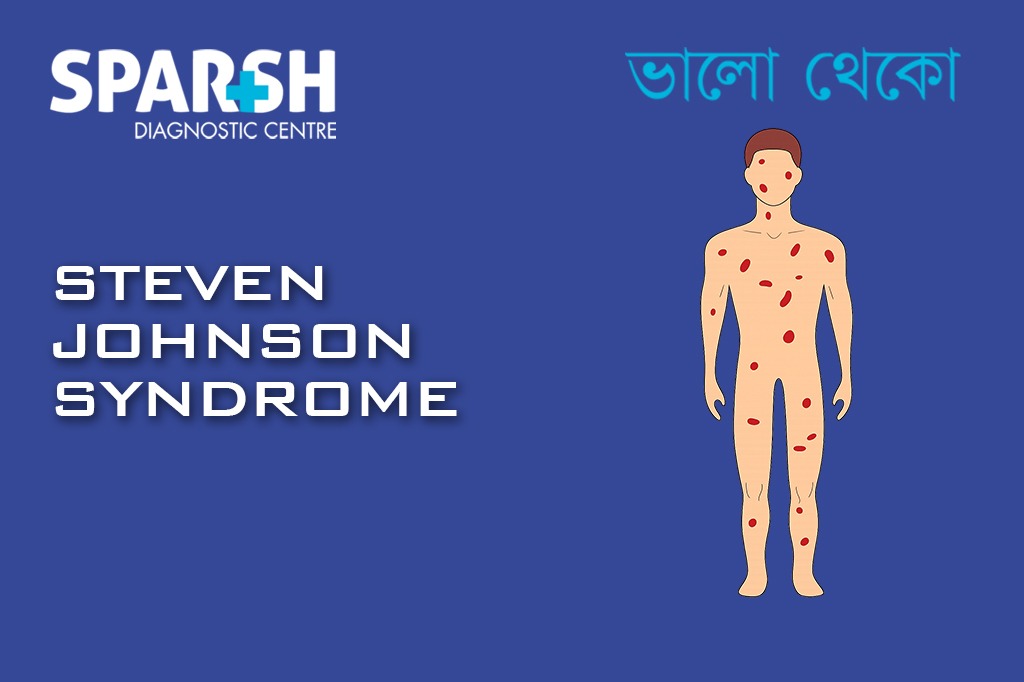
Stevens-Johnson syndrome (SJS) is a potentially life-threatening reaction that affects the skin and mucous membranes. It is most often linked to certain medicines, although infections can also play a role. The condition can begin with symptoms that look like a common flu or infection and then progress rapidly to a painful rash, blisters, skin peeling and sores involving areas such as the mouth, eyes and genitals.
SJS is considered part of the same disease spectrum as toxic epidermal necrolysis (TEN). The main difference between them is the extent of epidermal detachment: SJS involves less than 10% of the body surface area, SJS/TEN overlap involves 10–30%, and TEN involves more than 30%.
Because SJS can progress quickly and cause serious complications, it should always be treated as a medical emergency. Early recognition and immediate hospital treatment can make a major difference.
What is Stevens-Johnson syndrome?
Stevens-Johnson syndrome is a severe immune-mediated reaction in which the body’s immune system attacks cells in the skin and mucous membranes. This causes extensive inflammation, epidermal cell death and, eventually, blistering and peeling.
The mouth, eyes and genital region are commonly affected because these areas contain mucous membranes. In severe cases, the respiratory and gastrointestinal tracts may also be involved.
SJS is uncommon. DermNet estimates an annual incidence of approximately 1–2 cases per million people for SJS, while TEN occurs in about 0.4–1.2 cases per million people each year.
Although SJS is rare, it is serious enough to require urgent medical assessment and usually hospitalisation.
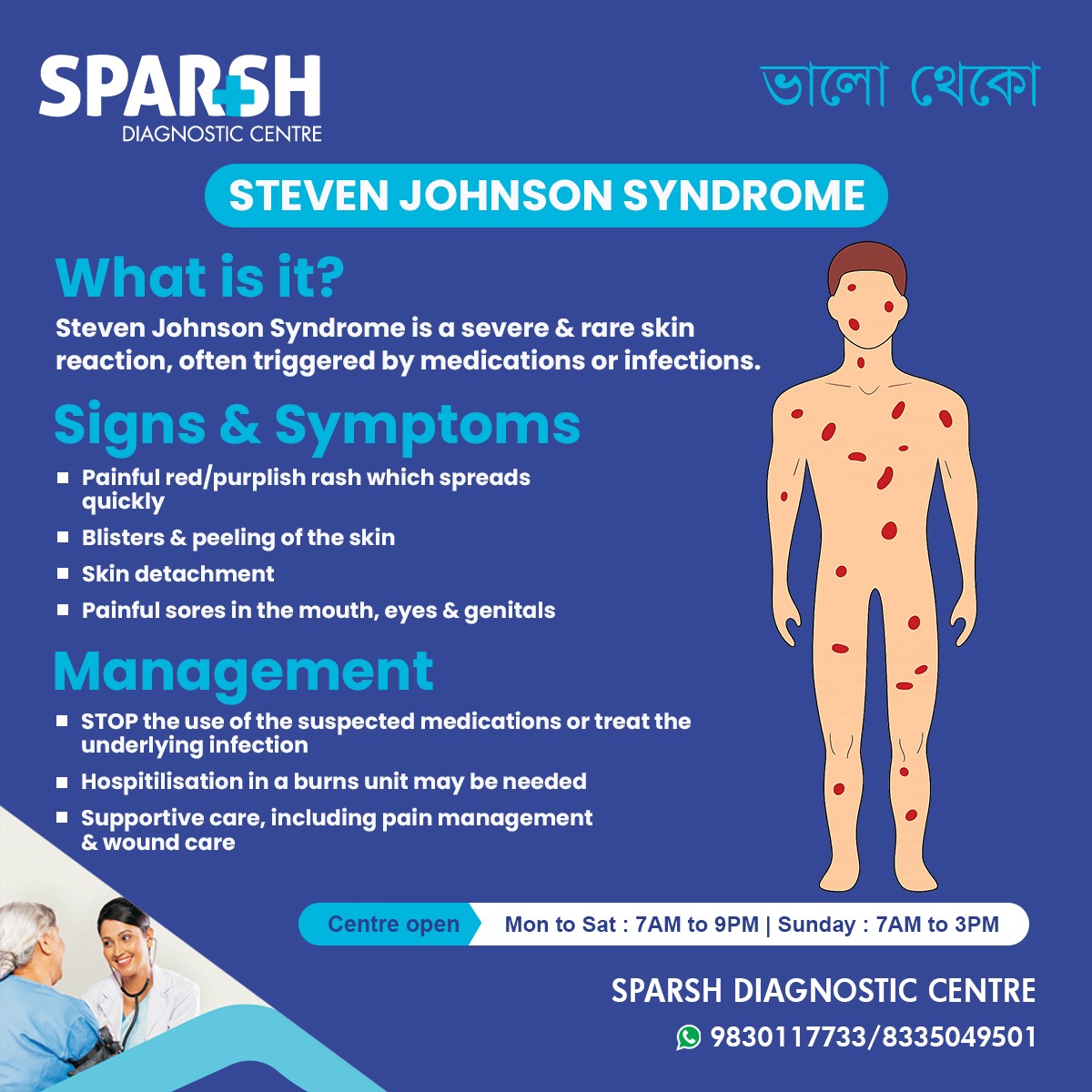
What triggers Stevens-Johnson syndrome?
Medicines are the most common triggers of SJS/TEN. More than 200 medications have been reported in association with the condition, although only a relatively small number account for a substantial proportion of cases.
Common drug groups include:
- Sulfonamide antibiotics
- Anticonvulsants such as carbamazepine, phenytoin, lamotrigine and phenobarbital
- Allopurinol
- Certain non-steroidal anti-inflammatory drugs (NSAIDs), particularly oxicam drugs
- Some antibiotics
- Certain antiviral medicines, including nevirapine
- Some newer medicines, including certain immune checkpoint inhibitors
SJS can develop after starting a medicine, particularly during the first few weeks of treatment. However, the timing can vary, and a reaction may occasionally occur after a medication has been stopped. Mayo Clinic notes that medication-related reactions can occur while taking the medicine or for up to two weeks after discontinuation.
Infections can also be associated with SJS. Reported infectious triggers include Mycoplasma pneumoniae and certain viral infections. In some patients, however, no definite trigger is identified.
Which drug causes Stevens-Johnson syndrome?
There is no single drug responsible for every case. However, several medications are particularly well recognised as triggers.
Allopurinol, used to lower uric acid in conditions such as gout, is one of the best-known individual drug triggers. Anticonvulsants such as carbamazepine, phenytoin, lamotrigine and phenobarbital are also strongly associated with SJS/TEN. Sulfonamide antibiotics, including trimethoprim-sulfamethoxazole, are another important group.
Research has also identified genetic susceptibility to some drug reactions. For example, particular HLA variants are associated with increased risk of SJS/TEN after exposure to certain medicines.
Importantly, these medications do not cause SJS in most people who take them. The reaction is rare and unpredictable.
What is the most common drug trigger for Stevens-Johnson syndrome?
The answer depends on the population and study being considered.
Allopurinol has been identified as the single most common offending drug in some studies. One analysis found allopurinol responsible for 20% of cases in which a trigger was identified.
Other studies have found anticonvulsants to be the most common drug class, while sulfonamide antibiotics are also consistently recognised as important triggers. A large European multicentre study found nonsulfonamide antibiotics, anticonvulsants, NSAIDs, allopurinol and sulfonamides among the leading triggering groups.
Therefore, it is more accurate to say that allopurinol, anticonvulsants and certain antibiotics—particularly sulfonamide antibiotics—are among the most important drug triggers, rather than naming one medicine as responsible for every case.
Who is prone to Stevens-Johnson syndrome?
SJS can affect anyone taking a triggering medicine, but certain factors increase the risk.
People at higher risk include those with:
- A previous episode of SJS/TEN
- HIV infection
- A weakened immune system
- Certain cancers, particularly blood cancers
- Some autoimmune diseases
- A family history of SJS
- Certain genetic variants affecting drug immune responses
SJS is reported across all age groups and ethnicities. It is slightly more common in females, and the risk is substantially higher among people with HIV.
Genetic testing may be recommended before prescribing certain high-risk medicines to people from populations in which particular HLA variants are more common. For example, HLA-B*15:02 testing has an established role in assessing carbamazepine-related risk in appropriate Asian populations.
What are the early warning signs of Stevens-Johnson syndrome?
The earliest symptoms may not look like a skin disorder at all.
One to three days before the characteristic rash develops, a person may experience:
- Fever
- Tiredness or marked fatigue
- Sore throat
- Sore mouth
- Flu-like symptoms
- Burning or painful eyes
- Generalised skin tenderness
A painful or burning sensation involving the skin can be particularly concerning. Mayo Clinic describes unexplained widespread skin pain followed by a rapidly spreading red or purple rash as an important feature.
As the condition progresses, blisters, erosions and peeling skin may develop. Sores involving the mouth, eyes or genitals are especially important warning signs.
If these symptoms appear after starting a new medicine, do not wait for the rash to become extensive before seeking medical attention.
What does Stevens-Johnson syndrome look like?
SJS can initially resemble several other rashes, which is one reason early diagnosis can be challenging.
The skin may develop widespread red, dusky or purplish patches, sometimes with flat atypical target-like lesions. The affected skin is often painful or tender. Blisters may form, followed by areas where the epidermis becomes loose and peels away.
The mouth may develop painful erosions that make eating, drinking or swallowing difficult. The eyes can become red, painful and inflamed, while genital mucosal involvement can cause significant discomfort.
The skin may eventually appear raw because the damaged epidermis has detached. The condition is not simply a typical blistering rash; the combination of rapidly progressive skin involvement, epidermal necrosis and prominent mucosal disease is particularly important.
The clinical appearance can change substantially over several days, which is why doctors consider the entire course of illness rather than relying on a single examination.
What are the diagnostic criteria for Stevens-Johnson syndrome?
There is no single blood test that confirms SJS.
Diagnosis is primarily based on the clinical picture, recent medication or infection history, examination of the skin and mucous membranes, and, when needed, a skin biopsy.
The traditional clinical classification is:
- SJS: epidermal detachment involving less than 10% of body surface area
- SJS/TEN overlap: 10–30% of body surface area
- TEN: more than 30% of body surface area
The appearance of the lesions and distribution of mucosal involvement are also important.
More recent diagnostic guidance emphasises severe mucosal lesions, widespread epidermal necrosis, fever and histopathological evidence of epidermal necrosis, while also requiring exclusion of important alternative diagnoses.
It is important to understand that SCORTEN is not a diagnostic test. It is a severity and mortality prediction tool used after SJS/TEN has been recognised.
How do you test for Stevens-Johnson syndrome?
Doctors use several pieces of information rather than relying on one test.
Medical history
The doctor will ask about all recently taken medicines, including prescription medicines, over-the-counter drugs and supplements. The timing of each medication is important because SJS commonly develops after exposure to a triggering drug.
Physical examination
The skin and mucous membranes are carefully examined. Doctors assess the type and distribution of the rash, blisters, erosions and areas of epidermal detachment. The eyes, mouth and genital region should also be assessed.
Skin biopsy
A skin biopsy may be performed to support the diagnosis and exclude other blistering or inflammatory skin disorders. Histopathology typically demonstrates extensive epidermal injury or necrosis.
Blood and other investigations
Blood tests do not diagnose SJS by themselves, but they can help assess the patient’s overall condition and identify complications such as infection, dehydration, electrolyte disturbances or organ involvement.
Additional tests may be performed depending on symptoms and the suspected trigger.
What can be mistaken for Stevens-Johnson syndrome?
Several conditions can look similar to SJS, especially during the early stages.
These include:
- Erythema multiforme
- Staphylococcal scalded skin syndrome
- Generalised bullous fixed drug eruption
- Pemphigus vulgaris
- Bullous pemphigoid
- Acute graft-versus-host disease
- Linear IgA bullous dermatosis
- Bullous lupus
- Reactive infectious mucocutaneous eruption
- Other severe drug reactions
Distinguishing these conditions is important because their treatments and prognosis can be very different. A skin biopsy can be particularly helpful when the clinical diagnosis is uncertain.
Erythema multiforme is a particularly important differential diagnosis. Although both conditions can produce target-like lesions, their typical lesion patterns, mucosal involvement and clinical course can help doctors distinguish them.
Can SJS be stopped if caught early?
Early recognition is extremely important, but there is no guarantee that SJS can be completely stopped once the reaction has begun.
The most important immediate step when a medication is suspected is prompt discontinuation of the culprit drug under medical supervision. Removing the offending medication as early as possible can reduce continued exposure and is a cornerstone of treatment.
However, SJS can continue progressing even after the suspected medicine has been stopped because the immune reaction may already be underway.
This is why a rapidly spreading painful rash, skin blistering or peeling, or mucosal sores after starting a new medication should never be watched at home.
How is Stevens-Johnson syndrome treated?
There is no single medicine that instantly cures SJS. Treatment focuses on stopping the trigger and supporting the body while the skin and mucous membranes recover.
Hospital treatment may include:
- Immediate withdrawal of the suspected culprit medication
- Fluid and electrolyte replacement
- Pain control
- Wound and skin care
- Nutritional support
- Monitoring for infection
- Eye care when the eyes are affected
- Management of breathing problems when present
- Temperature regulation
- Care in a specialised burns or intensive-care setting when necessary
Because the loss of skin can lead to substantial fluid loss and infection risk, severe cases may require care in a burns unit or another specialised facility.
Specialist teams may include dermatologists, intensivists, ophthalmologists, burns specialists, infectious disease physicians and other healthcare professionals depending on the patient’s complications.
The use of systemic corticosteroids, intravenous immunoglobulin, cyclosporine and other immunomodulating treatments may be considered in selected patients, but the evidence and treatment approach can vary. Management should therefore be individualised by specialists rather than attempted at home.
Is Stevens-Johnson syndrome curable?
SJS can resolve, and many patients recover, but it is better described as a potentially reversible acute illness rather than something that has a simple cure.
Once the triggering medicine is removed and the acute illness is controlled, the skin can regenerate. Recovery may take weeks, and some people experience longer-term complications.
These can include:
- Eye problems and chronic dry eye
- Light sensitivity
- Vision impairment
- Changes in skin pigmentation
- Scarring
- Nail abnormalities
- Hair loss
- Persistent mucosal symptoms
Mayo Clinic notes that recovery can take weeks to months and that serious complications can affect the eyes, lungs, skin and other organs.
How many people survive Stevens-Johnson syndrome?
The prognosis depends on the severity of the illness, the patient’s age and health, the amount of skin involved, complications and how quickly appropriate treatment begins.
Historically, mortality for SJS has generally been reported at less than 10%, meaning that more than 90% of patients with SJS survive. Mortality is considerably higher when the condition progresses toward TEN.
This does not mean SJS is a mild condition. Even survivors may develop significant long-term complications, particularly involving the eyes and mucous membranes.
Doctors may use tools such as SCORTEN to estimate mortality risk in SJS/TEN and guide the intensity of monitoring and supportive care.
How to avoid Stevens-Johnson syndrome?
Because SJS is rare and unpredictable, it cannot always be prevented. However, several precautions can reduce the risk of a repeat episode and, in selected people, help identify genetic susceptibility.
If you have previously had SJS:
- Never restart the suspected culprit drug unless a specialist specifically determines otherwise.
- Tell every doctor, dentist and pharmacist about your previous reaction.
- Keep a written record of the suspected medicine and reaction.
- Ask whether chemically related medicines should also be avoided.
- Consider wearing a medical alert identification if advised.
- Discuss genetic testing before starting certain high-risk medicines when appropriate.
People with a previous medication-related episode have an increased risk of recurrence, and a repeat reaction can be more severe.
For people who have never had SJS, there is no practical way to eliminate the risk completely. The best approach is appropriate prescribing, awareness of high-risk medicines, consideration of genetic testing in relevant populations and prompt recognition of warning symptoms.
Why early recognition matters
SJS can start deceptively. A person may initially think they have the flu, a throat infection or a minor allergic reaction. Within a short period, however, painful skin lesions and mucosal erosions may appear.
The combination of fever or flu-like symptoms, a rapidly developing painful rash, skin tenderness, blisters or peeling, and sores affecting the mouth, eyes or genitals should raise concern.
If these symptoms occur soon after starting a new medicine, urgent medical assessment is essential.
Do not wait for extensive skin peeling. Do not attempt to treat suspected SJS at home. The condition requires immediate evaluation because early treatment focuses on removing the trigger and preventing life-threatening complications.
Frequently asked questions about Stevens-Johnson syndrome
Which drug causes Steven Johnson syndrome?
Several medicines can trigger SJS. Important examples include allopurinol, anticonvulsants such as carbamazepine, phenytoin and lamotrigine, sulfonamide antibiotics such as trimethoprim-sulfamethoxazole, certain antibiotics and some NSAIDs. No single drug causes every case.
Is Steven Johnson syndrome curable?
SJS can resolve with appropriate treatment, but it does not have a single instant cure. Treatment involves stopping the suspected trigger and providing intensive supportive care. Recovery may take weeks to months, and some patients develop lasting complications.
What are the diagnostic criteria for Stevens-Johnson syndrome?
Diagnosis is based on the clinical presentation, mucosal involvement, recent drug or infection exposure, pattern of epidermal injury and, when needed, skin biopsy. Traditionally, SJS involves less than 10% epidermal detachment, SJS/TEN overlap 10–30%, and TEN more than 30%.
What does Steven Johnson syndrome look like?
SJS often causes a painful red, dusky or purplish rash that may develop flat atypical target-like lesions, blisters and areas of skin peeling. Painful erosions of the mouth, eyes and genital mucosa are common.
How many people survive Steven Johnson syndrome?
Generally, more than 90% of people with SJS survive, because mortality is usually reported at less than 10%. However, prognosis varies considerably, particularly when disease progresses toward TEN or serious complications develop.
What can be mistaken for Steven Johnson syndrome?
Conditions that can resemble SJS include erythema multiforme, staphylococcal scalded skin syndrome, generalized bullous fixed drug eruption, pemphigus, bullous pemphigoid, acute graft-versus-host disease and reactive infectious mucocutaneous eruption.
What triggers Stevens-Johnson syndrome?
Medicines are the most common triggers. Infections, particularly certain respiratory infections, can also be associated with SJS. In some cases, no definite trigger is identified.
How to avoid Stevens-Johnson syndrome?
There is no guaranteed way to prevent a first episode. However, people who have experienced SJS should permanently avoid the suspected culprit medicine and discuss related medicines and genetic risk with their doctor. Appropriate genetic screening may be recommended before certain medications in people from relevant populations.
How do you test for Steven Johnson syndrome?
There is no single blood test for SJS. Doctors diagnose it using the medical history and physical examination, particularly the skin and mucous membranes. A skin biopsy may be performed to demonstrate epidermal necrosis and rule out other conditions. Blood tests are generally used to assess complications rather than confirm SJS.
Who is prone to Steven Johnson syndrome?
Anyone can develop SJS, but risk is higher in people with HIV, weakened immunity, certain cancers or autoimmune diseases, a family history of SJS, a previous episode and certain genetic variants.
Can SJS be stopped if caught early?
Early recognition and prompt withdrawal of the suspected culprit medicine are essential and may reduce further exposure, but SJS cannot always be completely stopped once the immune reaction has started. Urgent hospital treatment is required.
What is the most common drug trigger for Stevens-Johnson syndrome?
Allopurinol is one of the most frequently identified individual drug triggers in some studies, while anticonvulsants and sulfonamide antibiotics are among the most important drug classes. The leading trigger varies between studies and populations.
What are the early warning signs of Steven Johnson syndrome?
Early warning signs can include fever, fatigue, sore throat, sore mouth, burning eyes and flu-like symptoms. These may be followed by skin pain, a rapidly spreading red or purple rash, blisters and mucosal sores.
Final thoughts
Stevens-Johnson syndrome is rare, but recognising it quickly is extremely important. A new painful rash accompanied by fever, skin tenderness, blistering, peeling or sores of the mouth, eyes or genitals—particularly after starting a new medicine—should never be ignored.
Most people with SJS survive when they receive appropriate medical care, but the condition can become life-threatening and may leave lasting complications. The safest approach is early recognition, immediate medical assessment, identification and withdrawal of the suspected trigger, and specialised supportive care.
If you or someone around you develops symptoms that could indicate SJS, seek emergency medical attention rather than waiting for the rash to worsen.
This article is intended for general health education and should not replace examination or treatment by a qualified medical professional.
To consult a Doctor or get full body check-up done at Sparsh Diagnostic Centre, call our helpline numbers 9830117733/ 8335049501.
#BhaloTheko
Disclaimer:
No content on this site, regardless of date, should ever be used as a substitute for direct medical advice from your doctor or other qualified clinician.