

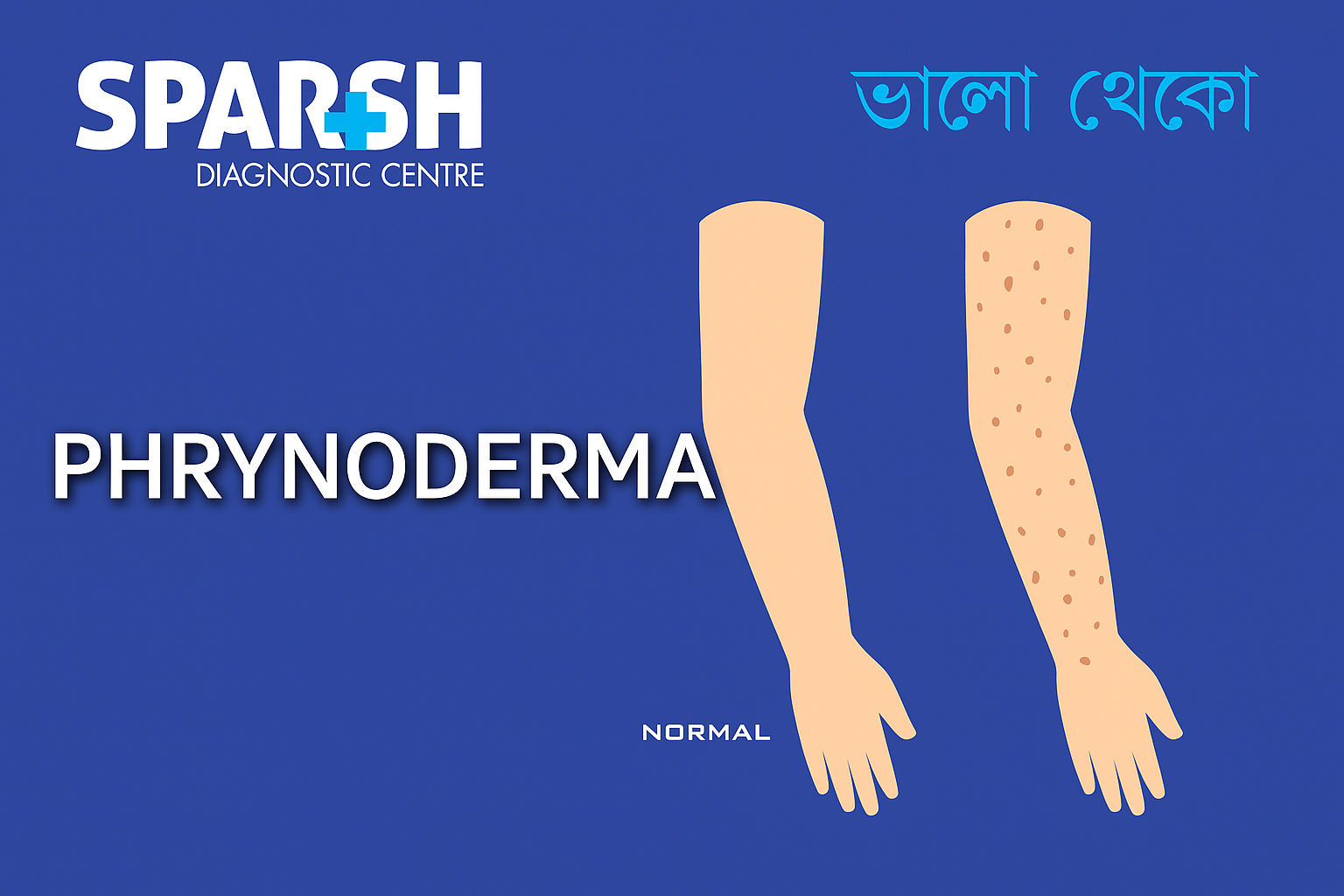
Small, rough bumps on the elbows, knees, arms or buttocks can sometimes look like ordinary dry skin or keratosis pilaris. But when these bumps occur in the setting of poor nutrition, malabsorption or certain dietary deficiencies, they may be a sign of phrynoderma.
Phrynoderma is also known as “toad skin” because the skin can become rough, dry and covered with prominent follicular bumps. Medically, it is a form of follicular hyperkeratosis, in which excess keratin builds up around hair follicles and forms plugs.
Vitamin A deficiency has traditionally been strongly associated with phrynoderma. However, current evidence suggests that the condition is more complicated than a simple “vitamin A deficiency rash.” Vitamin B-complex deficiencies, vitamin E deficiency, essential fatty-acid deficiency, general malnutrition and problems with nutrient absorption have also been associated with phrynoderma.
This distinction matters because treating the skin alone may not address the underlying problem.
What is phrynoderma?
Phrynoderma is a nutritionally associated follicular hyperkeratosis. In simple terms, the openings of hair follicles become blocked by excess keratin, producing firm, rough, often skin-coloured or brownish bumps.
The word phrynoderma literally refers to a toad-like appearance of the skin, which explains the commonly used term “toad skin.”
The bumps are usually found symmetrically and may appear on:
- The backs of the elbows
- The fronts of the knees
- The outer arms
- The thighs
- The buttocks
- Sometimes the back, abdomen or trunk
The face, hands and feet are generally less commonly affected. DermNet describes phrynoderma as asymptomatic or only mildly symptomatic in many people.
A clinical study of 125 patients found that 91.2% had asymptomatic lesions, while most had lesions involving the elbows, knees, extensor extremities and/or buttocks.
So, despite the rough appearance, phrynoderma is not necessarily an itchy condition.
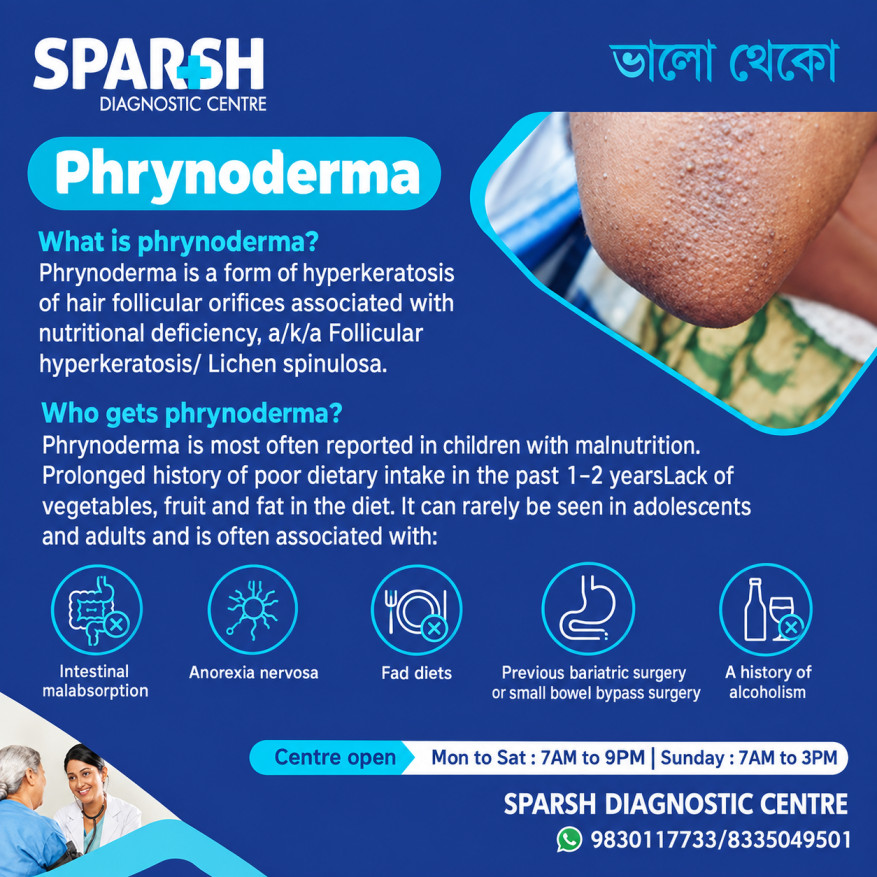
What causes phrynoderma?
There isn’t always one single cause.
Historically, phrynoderma was considered primarily a manifestation of vitamin A deficiency. Vitamin A is important for maintaining healthy epithelial tissues and normal keratinisation, so inadequate vitamin A can contribute to abnormal keratin buildup.
However, research suggests that phrynoderma can result from a combination of nutritional and other factors.
Potential causes and associations include:
- Vitamin A deficiency
- Vitamin B-complex deficiency
- Vitamin E deficiency
- Essential fatty-acid deficiency
- Severe or prolonged malnutrition
- A diet lacking variety
- Intestinal malabsorption
- Pancreatic insufficiency
- Inflammatory bowel disease
- Previous bariatric or small-bowel bypass surgery
- Certain restrictive or fad diets
- Anorexia nervosa
- Chronic alcohol-related nutritional deficiency
DermNet also notes associations with pancreatic insufficiency, inflammatory bowel disease and gallbladder disease.
Interestingly, a study of 125 patients concluded that phrynoderma may be multifactorial, involving several nutrients along with local factors such as pressure and friction and environmental influences.
That is why it is not always appropriate to assume that everyone with phrynoderma simply needs more vitamin A.
Which vitamin deficiency causes phrynoderma?
Vitamin A deficiency is the vitamin deficiency most classically associated with phrynoderma.
However, it is not the only nutritional deficiency that has been linked with the condition.
Vitamin B-complex, vitamin E and essential fatty-acid deficiencies have also been reported. Some reviews also mention vitamin C deficiency among the nutritional associations, although the evidence linking individual nutrients to phrynoderma is not equally strong for every vitamin.
This is an important point when searching for an answer to “What vitamin deficiency causes phrynoderma?”
The most accurate answer is:
Phrynoderma is classically associated with vitamin A deficiency, but it can occur in the context of multiple nutritional deficiencies and malnutrition.
In fact, studies have found that some people with clinically diagnosed phrynoderma can have apparently normal blood levels of certain nutrients. This supports the idea that the condition cannot always be explained by a single laboratory deficiency.
Which vitamin deficiency causes toad skin?
“Toad skin” is another name commonly used for phrynoderma.
The vitamin deficiency most traditionally associated with toad skin is vitamin A deficiency. Vitamin A plays an important role in normal cell differentiation and keratinisation, and deficiency can produce characteristic skin changes, including follicular hyperkeratosis.
However, toad skin should not automatically be interpreted as proof of vitamin A deficiency. Other nutritional deficiencies and underlying conditions can produce the same clinical picture.
A person with suspected phrynoderma may therefore need assessment of their overall nutritional status and medical history, rather than simply taking an over-the-counter vitamin A supplement.
Which vitamin deficiency causes hyperkeratosis?
There is no single vitamin deficiency responsible for every case of hyperkeratosis.
Vitamin A deficiency is an important nutritional cause of abnormal keratinisation and can be associated with follicular hyperkeratosis. Phrynoderma itself has also been associated with deficiencies involving vitamin B-complex, vitamin E and essential fatty acids.
But hyperkeratosis can have many causes unrelated to nutritional deficiency, including inherited skin disorders, keratosis pilaris and other dermatological conditions.
Therefore, finding hyperkeratotic bumps does not by itself establish a vitamin deficiency.
What is phrynoderma in children?
Phrynoderma has historically been reported particularly in children and adolescents, especially where inadequate nutrition is present.
A large clinical study involving 125 patients found an age range of 3–26 years, with a mean age of approximately 10 years. The authors noted that phrynoderma has traditionally been seen particularly in children between 5 and 15 years.
In children, phrynoderma may be associated with:
- Poor dietary intake
- Severe or prolonged malnutrition
- Restricted diets
- Malabsorption
- Increased nutritional requirements during growth
- Vitamin and micronutrient deficiencies
WHO notes that vitamin A deficiency can have particularly serious consequences in young children, including impaired vision and increased vulnerability to infections.
Therefore, when a child develops suspected phrynoderma, the priority should be identifying and correcting the underlying nutritional or medical problem, rather than simply treating the bumps.
What does phrynoderma look like?
Phrynoderma typically produces firm, follicular, keratotic papules. A small plug of keratin may be visible in the centre of each follicle.
The lesions can be:
- Skin coloured
- Brown
- Slightly darker than the surrounding skin
- Rough or hard to the touch
- Discrete or clustered
- Symmetrical
The elbows are a particularly characteristic starting point. The knees, extensor limbs and buttocks may also be involved.
In some cases, lesions may become more widespread.
The appearance can be quite striking, but the lesions themselves are often not painful or itchy.
Does phrynoderma cause itching?
Usually, phrynoderma is not significantly itchy.
Most patients have either no symptoms or only mild symptoms. In the 125-patient clinical study mentioned earlier, 91.2% of patients reported asymptomatic lesions.
That said, individual experiences can differ. Dryness, irritation, scratching or another coexisting skin condition can produce itching.
If someone has intensely itchy bumps, redness, inflammation or rapidly changing lesions, it is worth considering other diagnoses rather than assuming that the problem is phrynoderma.
What is the difference between keratosis pilaris and phrynoderma?
Phrynoderma and keratosis pilaris can look very similar because both involve keratin plugging of hair follicles.
The key difference is the context and underlying cause.
| Feature | Phrynoderma | Keratosis pilaris |
|---|---|---|
| Main association | Nutritional deficiency/malnutrition | Common follicular keratinisation disorder |
| Vitamin deficiency | May be associated | Not usually caused by vitamin deficiency |
| Typical appearance | Larger, firm follicular keratotic papules | Small, rough follicular bumps |
| Common sites | Elbows, knees, extensor limbs, buttocks | Upper arms, thighs, buttocks |
| Symptoms | Usually asymptomatic | May sometimes itch |
| Nutrition assessment | Often important | Usually not necessary |
| Course | May improve after nutritional correction | Often chronic and fluctuating |
| Treatment focus | Correct underlying nutritional/medical problem | Skin care and keratolytic treatment |
The American Academy of Dermatology describes keratosis pilaris as a common condition producing tiny rough bumps, particularly on the upper arms and thighs.
In contrast, phrynoderma should prompt consideration of nutritional status and possible malabsorption.
Is follicular hyperkeratosis the same as phrynoderma?
Not exactly.
Follicular hyperkeratosis describes a skin finding or process, whereas phrynoderma is a clinical condition characterised by follicular hyperkeratosis in a particular nutritional or systemic context.
In other words, phrynoderma is a form of follicular hyperkeratosis, but not every case of follicular hyperkeratosis is phrynoderma.
Keratosis pilaris, for example, also involves follicular keratin plugging but is a different condition. DermNet lists keratosis pilaris, lichen spinulosus and other disorders in the differential diagnosis of phrynoderma.
How is phrynoderma diagnosed?
Diagnosis is generally based on a combination of:
- The appearance and distribution of the skin lesions
- Dietary history
- Medical history
- Assessment for nutritional deficiency
- Evaluation for malabsorption or systemic disease when appropriate
A dermatologist or physician may ask about recent dietary restrictions, weight changes, gastrointestinal symptoms, previous intestinal surgery, chronic illnesses and other signs of nutritional deficiency.
Blood tests may be recommended depending on the clinical situation.
A skin biopsy is not always necessary, but it can be useful when the diagnosis is uncertain. Histology may show enlarged follicles containing keratin plugs, hyperkeratosis and other changes associated with follicular plugging.
One interesting point is that a normal serum vitamin A level does not necessarily exclude clinically relevant nutritional problems. Serum retinol is influenced by several physiological factors and does not always accurately represent total body vitamin A stores in an individual.
What is the treatment of phrynoderma?
The treatment of phrynoderma depends on why it has developed.
The most important step is to address the underlying nutritional or medical problem.
Treatment may involve:
1. Improving overall nutrition
A balanced diet containing adequate calories, protein, healthy fats, fruits, vegetables and micronutrients is an important part of management.
Foods naturally rich in vitamin A or provitamin A carotenoids include foods such as:
- Eggs
- Dairy products
- Liver
- Carrots
- Dark green leafy vegetables
- Orange and yellow fruits and vegetables
The exact dietary plan should depend on the person’s age, nutritional status and medical needs.
2. Correcting documented deficiencies
If testing or clinical assessment identifies a vitamin or nutritional deficiency, a doctor may recommend appropriate supplementation.
Do not take high-dose vitamin A on your own. Vitamin A is fat-soluble and can accumulate in the body. Excessive supplementation can itself cause toxicity.
The appropriate dose depends on age, deficiency status, pregnancy status and other clinical factors.
3. Treating malabsorption or underlying disease
If phrynoderma is related to malabsorption, pancreatic disease, inflammatory bowel disease or previous gastrointestinal surgery, treating the underlying condition is an important part of management.
Simply applying creams to the skin will not correct an absorption problem.
4. Topical keratolytics
DermNet lists topical keratolytic agents such as urea, salicylic acid and tretinoin as options that may help reduce the thickened, keratinised skin.
These treatments mainly help the skin lesions. They do not replace correction of an underlying nutritional deficiency.
A clinical trial involving 125 patients found better responses with vitamin A or vitamin B therapy than with topical keratolytic treatment alone, while adding topical keratolytics helped accelerate clearance of the keratotic lesions.
How to cure phrynoderma?
There isn’t one universal “cure” because phrynoderma can have different underlying causes.
For someone whose phrynoderma is related to nutritional deficiency, correcting the nutritional problem can lead to substantial improvement or resolution.
DermNet reports that lesions may take approximately one to four months to resolve after nutritional restoration, although the time can vary between individuals.
For some people, improvement may take longer, particularly when there has been prolonged nutritional deficiency or an underlying absorption problem.
The most effective approach is therefore not simply “remove the bumps,” but:
identify the cause → correct nutritional deficiencies → treat the underlying condition → manage the skin lesions.
How to get rid of phrynoderma?
If you suspect phrynoderma, start by getting the diagnosis confirmed rather than assuming every rough bump is caused by a vitamin deficiency.
A dermatologist or physician can determine whether the lesions are actually phrynoderma or something more common such as keratosis pilaris.
Depending on the person’s history, management may include:
- Improving dietary quality
- Correcting confirmed nutrient deficiencies
- Treating malabsorption
- Managing underlying gastrointestinal or systemic disease
- Using prescribed topical keratolytics
- Maintaining adequate hydration and skin care
- Following up to assess whether the lesions are resolving
Avoid aggressively scrubbing the bumps. Excessive friction can irritate the skin and may make follicular conditions more noticeable.
Phrynoderma vs keratosis pilaris: why the distinction matters
The distinction is particularly important because keratosis pilaris is extremely common and usually harmless, whereas phrynoderma can sometimes be a visible clue to an underlying nutritional or systemic problem.
Keratosis pilaris commonly affects the upper arms and thighs and may become more noticeable when the skin is dry. The American Academy of Dermatology recommends moisturisers and appropriately selected keratolytic ingredients such as urea, lactic acid, salicylic acid or retinoids when treatment is needed.
Phrynoderma, on the other hand, deserves a broader nutritional and medical assessment when the clinical picture fits.
When should you see a doctor?
Consider medical evaluation if:
- Rough follicular bumps suddenly appear or become widespread
- There is a history of restricted eating or significant weight loss
- The person has chronic diarrhoea or digestive symptoms
- There is a history of bowel or bariatric surgery
- There are other signs of nutritional deficiency
- A child has poor growth or an inadequate diet
- There are visual symptoms such as difficulty seeing in dim light
- The lesions do not improve with ordinary skin care
- The bumps are painful, inflamed or significantly itchy
- You are unsure whether the condition is phrynoderma or keratosis pilaris
In children especially, suspected nutritional deficiency deserves proper assessment rather than self-treatment with high-dose supplements.
Frequently asked questions about phrynoderma
What vitamin deficiency causes phrynoderma?
Vitamin A deficiency is the classic nutritional association with phrynoderma. However, vitamin B-complex and vitamin E deficiencies, essential fatty-acid deficiency and general malnutrition have also been associated with the condition.
What is toad skin phrynoderma?
“Toad skin” is a descriptive term for phrynoderma. It refers to the rough, follicular, keratotic appearance of the skin caused by plugs of keratin within hair follicles.
Is phrynoderma itchy?
Usually, no. Phrynoderma is commonly asymptomatic or only mildly symptomatic. Significant itching should prompt consideration of other or additional skin conditions.
Are follicular hyperkeratosis and phrynoderma the same?
No. Phrynoderma is a type of follicular hyperkeratosis associated particularly with nutritional or systemic factors. Follicular hyperkeratosis itself is a broader description that can occur in several skin conditions.
What is the difference between phrynoderma and keratosis pilaris?
Both can cause rough follicular bumps, but phrynoderma is associated with nutritional deficiency or malnutrition, whereas keratosis pilaris is a common benign follicular disorder that is not generally caused by vitamin deficiency. Their distribution and clinical context can also differ.
How can phrynoderma be treated?
Treatment focuses on correcting the underlying nutritional or medical problem. Depending on the cause, this may include dietary improvement, medically supervised supplementation and treatment of malabsorption or systemic disease. Topical keratolytics such as urea or salicylic acid may help improve the rough skin.
How can I get rid of phrynoderma?
The best way is to identify and correct the cause. If nutritional deficiency is responsible, improving nutrition and replacing deficient nutrients under medical supervision can allow the lesions to gradually resolve. Topical treatments can help with the surface changes.
What is phrynoderma in children?
In children, phrynoderma is a follicular hyperkeratosis that may be associated with inadequate nutrition, vitamin deficiencies, malabsorption or increased nutritional demands during growth. It is particularly important to assess the child’s overall nutritional status rather than treating the skin bumps alone.
Which vitamin deficiency causes toad skin?
Vitamin A deficiency is the classic association, but phrynoderma is now understood to have a potentially multifactorial nutritional basis. Vitamin B-complex, vitamin E and essential fatty-acid deficiencies have also been reported.
Which vitamin deficiency causes hyperkeratosis?
Vitamin A deficiency can cause abnormal keratinisation and follicular hyperkeratosis. However, hyperkeratosis has many possible causes, so the presence of rough skin does not automatically mean that someone is vitamin A deficient.
Final thoughts
Phrynoderma is more than just a rough-skin problem. Its characteristic follicular bumps can sometimes provide an important clue about nutrition, vitamin status or nutrient absorption.
Vitamin A deficiency remains the best-known association, but research indicates that phrynoderma is not necessarily caused by a single vitamin deficiency. Multiple nutrients, malnutrition, malabsorption and other factors can contribute.
The good news is that when the underlying problem is identified and corrected, the skin can gradually improve. The key is to distinguish phrynoderma from common conditions such as keratosis pilaris and to investigate the reason behind the follicular hyperkeratosis rather than relying on supplements alone.
If persistent rough, plugged bumps are accompanied by poor nutrition, digestive problems, weight loss or other signs of deficiency, a consultation with a dermatologist or physician can help establish the diagnosis and determine whether nutritional testing is appropriate.
Medical note: This article is intended for general education and does not replace an examination by a qualified doctor or dermatologist. High-dose vitamin A or other vitamin supplementation should only be taken under appropriate medical guidance.
To consult a Dermatologist at Sparsh Diagnostic Centre, call our helpline number 9830117733.
#BhaloTheko
Disclaimer:
No content on this site, regardless of date, should ever be used as a substitute for direct medical advice from your doctor or other qualified clinician.


