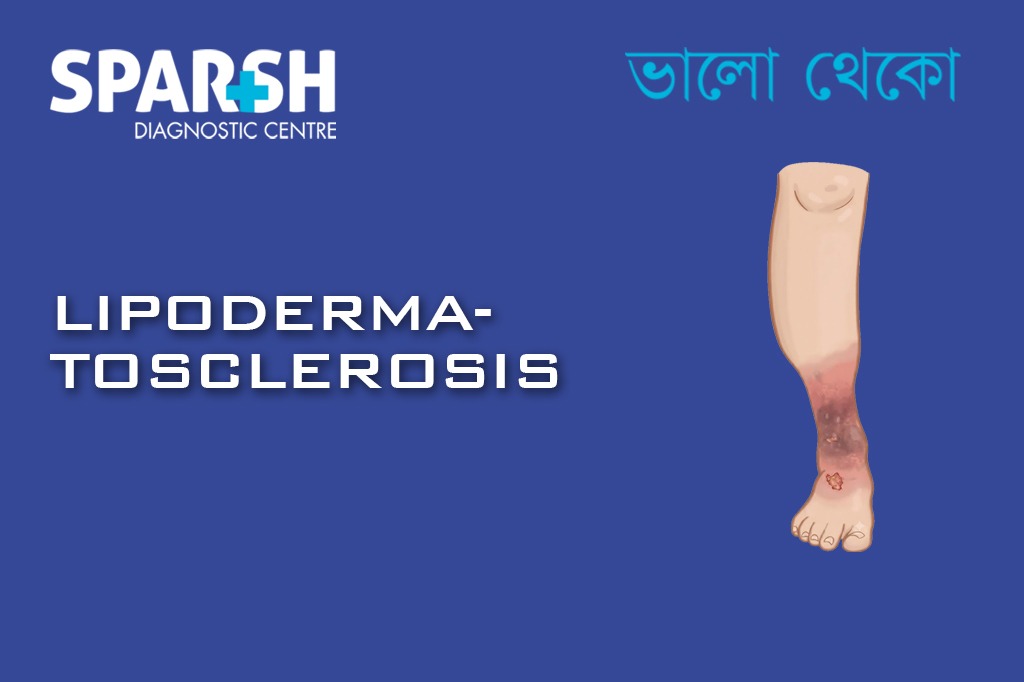
Lipodermatosclerosis is a chronic condition that affects the skin and fatty tissue of the lower legs. It is closely associated with chronic venous insufficiency, a condition in which the veins have difficulty returning blood from the legs back to the heart.
Over time, increased pressure inside the leg veins can cause inflammation, swelling and changes in the tissues beneath the skin. The affected skin may become painful, red or discoloured and eventually thick, hard and tight. In advanced cases, the lower leg can develop a characteristic shape in which the ankle becomes narrower while the calf remains swollen, sometimes described as an “upside-down champagne bottle” appearance.
Although lipodermatosclerosis is usually not life threatening, it should not be ignored. It can be associated with venous ulcers, poor wound healing and recurrent skin problems. The good news is that treatment can often control symptoms, reduce swelling and slow further tissue damage.
What is lipodermatosclerosis?
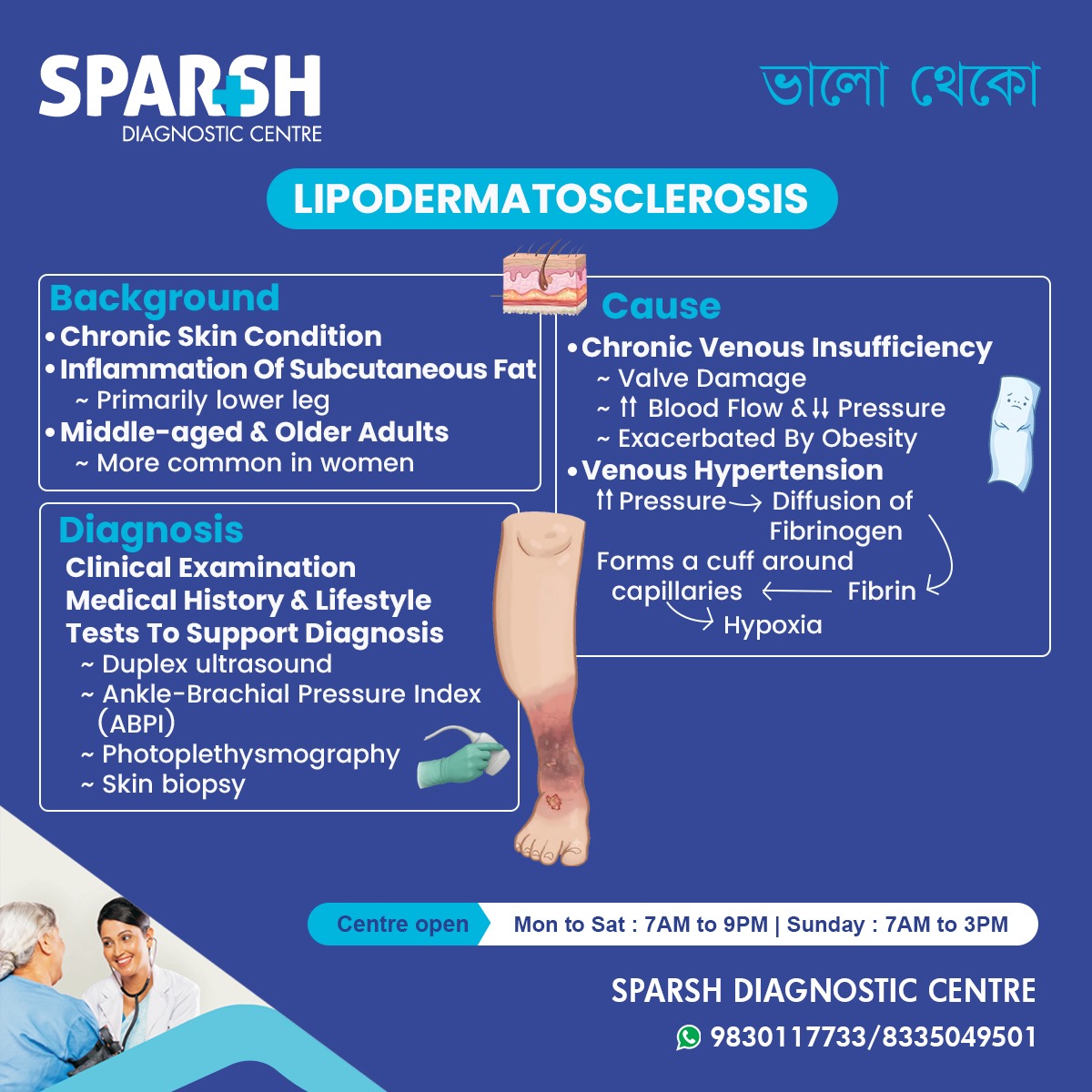
Lipodermatosclerosis is an inflammatory and fibrosing disorder of the skin and subcutaneous fat, usually involving the lower legs. It is also called sclerosing panniculitis.
The condition develops gradually in many people with chronic venous disease. When the valves inside the leg veins do not work properly, blood can pool in the lower limbs. This raises venous pressure and affects the tiny blood vessels supplying the skin and underlying tissue.
Persistent inflammation eventually causes fibrosis, meaning that normal fatty tissue becomes increasingly scarred and hardened.
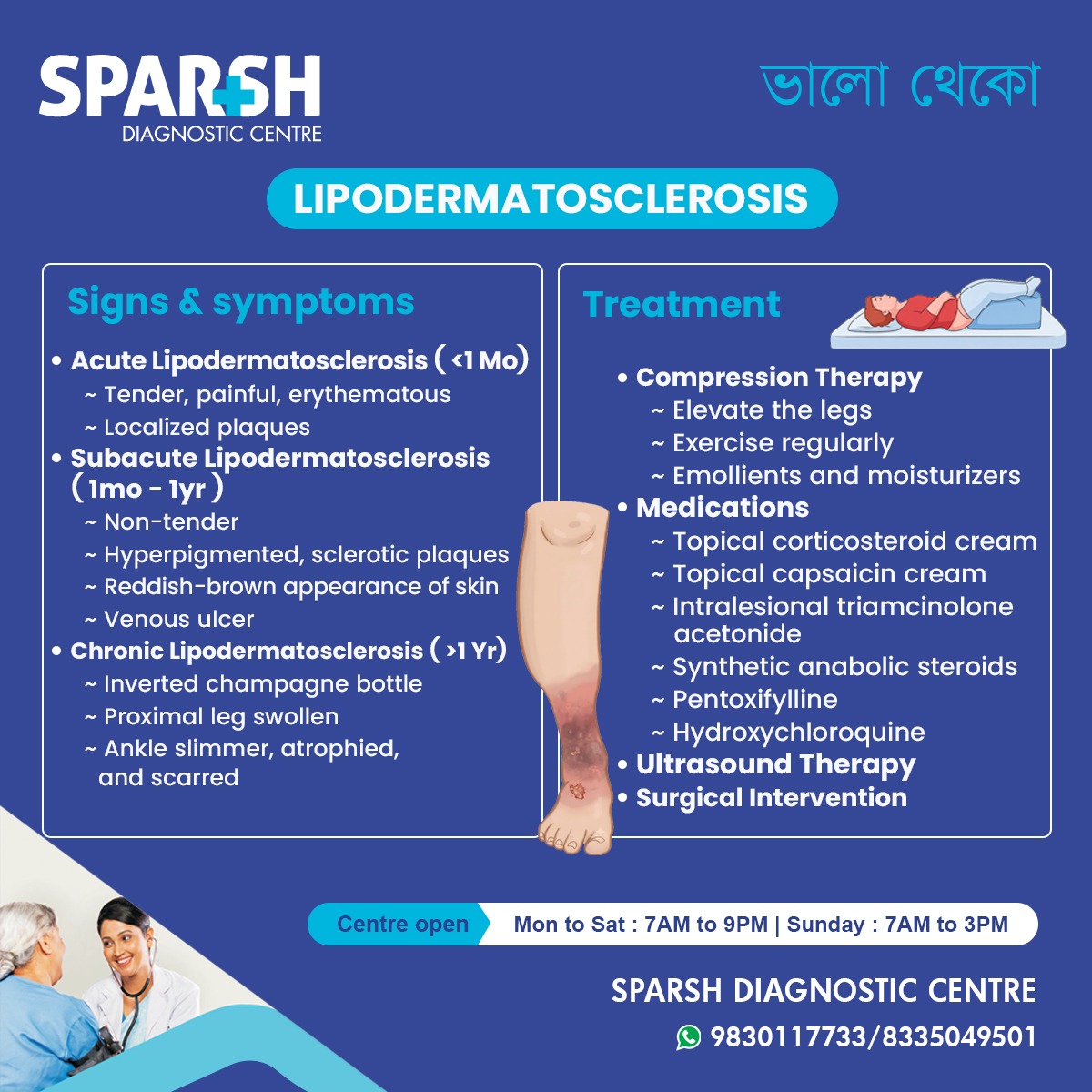
Lipodermatosclerosis may occur in an acute or chronic form. Acute disease can appear relatively suddenly, with redness, warmth, tenderness and painful areas on the lower leg. Chronic disease tends to cause more persistent skin thickening, hardening, pigmentation and changes in the shape of the leg.
One of the challenges is that acute lipodermatosclerosis can look remarkably similar to cellulitis. This is important because cellulitis is an infection that may require antibiotics, whereas lipodermatosclerosis is primarily an inflammatory consequence of venous disease.
What causes lipodermatosclerosis?
The main cause of lipodermatosclerosis is chronic venous insufficiency and the resulting venous hypertension.
Normally, valves inside the leg veins help blood move upward toward the heart. The calf muscles also act as a pump, squeezing the veins during walking and helping push blood upward.
When the valves become damaged or the calf muscle pump is not working effectively, blood can remain in the lower legs. This creates persistent pressure within the veins. Conditions that obstruct venous blood flow can contribute as well.
Over time, several processes occur:
- Blood pools in the lower legs.
- Pressure inside the veins increases.
- Fluid and blood components move into surrounding tissues.
- Inflammatory cells become activated.
- Fibrin and other proteins accumulate around small blood vessels.
- Oxygen exchange in the tissue can become impaired.
- Chronic inflammation promotes collagen production and fibrosis.
- The subcutaneous fat becomes hardened and scarred.
Risk factors
Several factors can increase the likelihood of chronic venous insufficiency and, consequently, lipodermatosclerosis. These include:
- Increasing age
- Obesity or a high body mass index
- Previous deep vein thrombosis (DVT)
- Family history of venous disease
- Prolonged standing
- Prolonged sitting or limited mobility
- Reduced ankle movement
- A poorly functioning calf muscle pump
- Smoking
- Previous injury affecting the leg or veins
Lipodermatosclerosis is more commonly diagnosed in middle-aged and older adults and is more frequently reported in women.
Symptoms of lipodermatosclerosis
Symptoms can vary depending on whether the condition is in its acute or chronic phase.
Acute lipodermatosclerosis
Acute lipodermatosclerosis may develop as a painful, inflamed area on the lower leg. Common symptoms include:
- Red or reddish-purple skin
- Tenderness
- Pain or aching
- Warmth
- Swelling
- Firm or hardened areas
- Itching or a feeling of heaviness
Because redness, warmth and tenderness can resemble cellulitis, an accurate medical assessment is important.
Chronic lipodermatosclerosis
As the condition persists, inflammation and fibrosis can cause more permanent changes. These may include:
- Thickened, hard skin
- Brown, reddish-brown or darker pigmentation
- Tight or shiny skin
- Persistent swelling
- Leg pain or aching
- Fibrosis of the tissue beneath the skin
- Narrowing around the ankle
- Recurrent venous ulcers
The classic advanced appearance is an ankle that looks unusually narrow compared with the swollen calf, producing the characteristic inverted or upside-down champagne bottle appearance.
Other signs of chronic venous disease, such as varicose veins, venous eczema, skin pigmentation and previous or active venous ulcers, may also be present.
Is lipodermatosclerosis painful?
It can be.
Acute lipodermatosclerosis is often particularly painful and tender. Some people experience burning, aching or discomfort that becomes worse after standing or walking for prolonged periods.
Chronic disease may cause persistent aching or tightness, although the degree of pain varies considerably between individuals. Treating the underlying venous problem and controlling swelling can help improve comfort.
How is lipodermatosclerosis diagnosed?
Diagnosis is usually based on the patient’s symptoms, medical history and physical examination.
A doctor will look at the affected skin and ask about:
- Leg swelling
- Varicose veins
- Previous DVT
- Pain and heaviness
- Previous leg ulcers
- Changes in skin colour or texture
- Mobility and activity levels
- Previous venous problems
Doppler or duplex ultrasound
A venous Doppler or duplex ultrasound may be recommended to assess blood flow through the veins and look for problems such as venous reflux, obstruction or evidence of previous blood clots.
This is particularly useful because identifying the underlying venous insufficiency helps guide treatment.
Ankle-brachial pressure index
An ankle-brachial pressure index (ABPI) may be used when compression therapy is being considered, particularly when there is concern about arterial circulation. Significant arterial disease needs to be identified because compression may not be appropriate in people with compromised arterial blood flow.
Skin biopsy
A biopsy is not always necessary. It may be considered when the diagnosis is uncertain or another condition needs to be excluded. Because lipodermatosclerosis commonly occurs in tissue with impaired healing, biopsies should be performed carefully.
Conditions that can look like lipodermatosclerosis
Several conditions may resemble lipodermatosclerosis, especially during an acute flare.
These include:
- Cellulitis
- Erythema nodosum
- Other forms of panniculitis
- Localised scleroderma or morphoea
- Cutaneous vasculitis
- Necrobiosis lipoidica
Correct diagnosis matters because the treatments are different. In particular, lipodermatosclerosis can be mistaken for cellulitis when the leg is red, warm and painful.
What is the best treatment for lipodermatosclerosis?
There is no single treatment that works for everyone. The most important approach is to treat the underlying venous insufficiency and control swelling, with compression therapy generally considered a mainstay of treatment when it is medically appropriate.
Treatment may include the following.
1. Compression therapy
Compression stockings or other appropriate compression systems help reduce venous pooling and improve the return of blood from the legs.
Compression can help reduce:
- Leg swelling
- Venous pressure
- Pain
- Heaviness
- Risk of complications associated with chronic venous disease
However, compression is not suitable for everyone. Arterial circulation should be assessed when clinically indicated, and the appropriate compression level should be selected by a healthcare professional.
Consistency is important. Compression tends to work best when it is used correctly and regularly.
2. Leg elevation
Elevating the legs when resting can help reduce swelling and pressure in the lower limbs.
For some people, spending periods of the day with the legs elevated can make a noticeable difference in heaviness and discomfort.
3. Regular physical activity
Movement is another important part of managing venous disease.
Walking activates the calf muscles, which help pump blood upward through the veins. Regular, appropriate physical activity can therefore support venous circulation.
If mobility is limited, a healthcare professional can recommend suitable exercises based on the individual’s overall health and mobility.
4. Weight management
If obesity is contributing to chronic venous insufficiency, gradual and sustainable weight reduction may help reduce the burden on the venous and circulatory systems.
Weight management should be approached as part of an overall health plan rather than as a quick solution to lipodermatosclerosis.
5. Skin care
The skin affected by chronic venous disease can be fragile and prone to dryness, cracking and ulceration.
Regular use of appropriate moisturisers or emollients can help maintain the skin barrier. Patients should also inspect their legs regularly for cuts, blisters, redness, drainage or other changes.
Any open wound should receive appropriate medical attention because venous ulcers can be slow to heal.
6. Medicines and other treatments
In selected patients, doctors may use treatments such as topical corticosteroids for associated inflammation or venous eczema. Other therapies, including intralesional corticosteroids, pentoxifylline or certain systemic treatments, have been described for specific cases. Evidence for many of these treatments is more limited than the evidence supporting compression and management of the underlying venous disease.
Treatment should therefore be individualised rather than based on a single medication.
7. Treatment of the underlying vein problem
If significant venous reflux or another correctable venous problem is present, a vascular specialist may consider procedures aimed at improving venous circulation.
Depending on the individual’s condition, options can include:
- Endovenous ablation
- Sclerotherapy
- Other minimally invasive vein procedures
- Vein surgery in selected cases
Treating the underlying venous insufficiency may improve symptoms and may reduce the risk of recurrent venous ulceration.
Can lipodermatosclerosis be prevented?
It is not always possible to prevent lipodermatosclerosis, particularly when someone has longstanding or inherited venous disease. However, managing chronic venous insufficiency early may reduce the risk of progression.
Helpful measures include:
- Staying physically active
- Avoiding prolonged sitting or standing where possible
- Elevating the legs when resting
- Maintaining a healthy weight
- Managing varicose veins and other venous problems
- Avoiding smoking
- Using prescribed compression correctly
- Protecting the skin from injury
- Treating leg ulcers promptly
Long-term management is particularly important because chronic venous insufficiency can continue to drive inflammation and tissue changes.
Is lipodermatosclerosis life threatening?
Lipodermatosclerosis itself is generally not considered a life-threatening condition. It is a chronic complication of venous disease rather than a cancer or an immediately dangerous illness.
However, it should not be dismissed as merely a cosmetic skin problem.
Untreated or poorly controlled venous disease can lead to complications such as:
- Chronic venous ulcers
- Poor wound healing
- Recurrent skin infections
- Persistent pain
- Significant swelling
- Progressive skin and tissue changes
Lipodermatosclerosis is also an indicator of more advanced chronic venous disease. It is classified among the more advanced clinical manifestations of chronic venous disease in the CEAP classification system.
Seek medical attention if a leg develops a new open wound, rapidly worsening redness, increasing warmth, pus or drainage, fever, or significant worsening of pain or swelling.
Sudden swelling and pain in one leg, particularly with symptoms such as chest pain or breathlessness, also requires urgent medical assessment because these symptoms can indicate a blood clot or pulmonary embolism rather than lipodermatosclerosis.
Does lipodermatosclerosis go away?
Sometimes the symptoms can improve substantially, but established lipodermatosclerosis often does not completely disappear.
This is because chronic disease can cause fibrosis and permanent changes in the skin and subcutaneous tissue. Discolouration, thickening and hardening may persist even after swelling and pain have improved.
The aim of treatment is therefore not simply to make the visible skin changes disappear. The bigger goal is to:
- Improve venous circulation.
- Reduce swelling and venous pressure.
- Control inflammation and pain.
- Protect the skin.
- Prevent ulcers.
- Slow further tissue damage.
- Reduce recurrence.
Some people experience periods of improvement and flare-ups, particularly if the underlying venous insufficiency remains untreated. Long-term management is often necessary.
When should you see a doctor?
It is worth getting a medical assessment if you notice persistent changes in the skin of your lower legs, especially:
- Increasing swelling
- Brown or reddish skin discoloration
- Hardening or thickening of the skin
- Pain or tenderness
- Recurrent redness
- Varicose veins with worsening symptoms
- An open sore around the ankle
- A wound that is slow to heal
Early evaluation can help identify chronic venous insufficiency and prevent complications.
If the skin becomes suddenly red, hot and painful, do not automatically assume it is cellulitis or lipodermatosclerosis. Several conditions can produce similar symptoms, and a clinician may need to examine the leg to determine the cause.
Frequently Asked Questions About Lipodermatosclerosis
What is the cause of lipodermatosclerosis?
The primary cause is longstanding chronic venous insufficiency and venous hypertension. Poorly functioning vein valves, venous obstruction and reduced calf muscle pump activity can cause blood to pool in the legs. Persistent venous pressure triggers inflammation and eventually fibrosis of the skin and underlying fat.
What is the best treatment for lipodermatosclerosis?
There is no single best treatment for every patient. Compression therapy, when appropriate, is a cornerstone of treatment, along with leg elevation, regular movement, skin care and management of the underlying venous insufficiency. In selected cases, medicines or procedures to treat problematic veins may also be considered.
Is lipodermatosclerosis life threatening?
Usually, no. Lipodermatosclerosis itself is not generally life threatening. However, it indicates significant chronic venous disease and can be associated with complications such as venous ulcers, poor wound healing and recurrent infections. Treating the underlying venous problem is therefore important.
Does lipodermatosclerosis go away?
It can improve, particularly when the underlying venous disease and swelling are properly managed. However, established chronic lipodermatosclerosis often causes fibrosis and permanent skin changes, so it may not completely disappear. Ongoing treatment can reduce symptoms and help prevent progression and complications.
Is lipodermatosclerosis the same as cellulitis?
No. Lipodermatosclerosis is an inflammatory condition associated mainly with chronic venous insufficiency, while cellulitis is a bacterial infection of the skin and underlying tissue. Acute lipodermatosclerosis can look similar to cellulitis, so professional assessment is important when the leg becomes red, painful or swollen.
Can walking help lipodermatosclerosis?
Regular walking can be helpful because the calf muscles act as a pump that assists venous blood return. Appropriate physical activity is therefore commonly recommended as part of managing chronic venous insufficiency and lipodermatosclerosis.
Can lipodermatosclerosis cause ulcers?
Yes. Chronic venous disease associated with lipodermatosclerosis can lead to venous ulcers, particularly around the lower leg and ankle. These wounds may be slow to heal because chronic inflammation and tissue fibrosis affect the local circulation and skin integrity.
What does lipodermatosclerosis look like?
Early or acute disease may appear as a painful, red, warm and firm area on the lower leg. Chronic disease can cause brownish discoloration, thickened and hardened skin, swelling and tightening of the tissue. Advanced cases may produce an inverted champagne bottle appearance, with narrowing around the ankle and swelling higher up the leg.
Final thoughts
Lipodermatosclerosis is a visible sign that something may be going wrong with the veins in the legs. While it is not usually life threatening, it can become painful and lead to significant skin damage, ulcers and wound-healing problems if the underlying venous disease is not addressed.
The most important step is to identify and manage the cause, particularly chronic venous insufficiency. Compression therapy, when medically suitable, together with leg elevation, regular movement, skin care, weight management and appropriate treatment of abnormal veins can make a meaningful difference.
If you notice persistent swelling, skin hardening, unusual discoloration or painful changes in your lower legs, getting assessed early can help prevent the condition from progressing and make long-term management easier.
Medical disclaimer: This article is intended for general health education and should not replace an examination or diagnosis by a qualified healthcare professional.
To consult a Doctor or get full body check-up done at Sparsh Diagnostic Centre, call our helpline numbers 9830117733/ 8335049501.
#BhaloTheko
Disclaimer:
No content on this site, regardless of date, should ever be used as a substitute for direct medical advice from your doctor or other qualified clinician.